wayground logo

Free Printable Worksheets

Font size

S
M
L
XL
Worksheets

7th grade final review

Total questions: 180

Worksheet time: 4hrs 7mins

Name
Class
Date
1.
A mode of reproduction in which an organism arises from two organisms and inherits half of its DNA from each parent
a)
Sexual Reproduction
b)
Asexual Reproduction
c)
Cloning
d)
Fragmentation
2.
What is a characteristic of sexual reproduction?
a)
diverse offspring
b)
identical offspring
c)
faster than asexual reproduction
d)
requires no energy
3.
What is an advantage of sexual reproduction?
a)
smaller populations
b)
cannot adapt easily
c)
adapts easily to new environments
d)
requires no energy
4.
All of the offspring of an organism have the same genetic material, which is identical to the parent organism?
a)
makes its own food
b)
goes away
c)
live in a marine habitat
d)
reproduces asexually
5.
Compare & Contrast
 Sexual VS Asexual
a)
both only require one parent
b)
sexual creates diverse offspring, and asexual makes uniform
c)
sexual reproduction have larger populations
d)
both require no special cells
6.
In sexual reproduction the male produces ___ cells.
a)
Malex
b)
Quack
c)
Egg
d)
Sperm
7.
In sexual reproduction the female produces ___ cells.
a)
Femalex
b)
Quack
c)
Egg
d)
Sperm
8.
A mode of reproduction by which an organism arises from a single organism and inherit the identical genes of that parent
a)
Asexual Reproduction
b)
Sexual Reproduction
c)
Genetic Variation
d)
Alleles
9.
Most single cell organisms reproduce in which way?
a)
asexual
b)
sexual
c)
Fission 
d)
Budding
10.
Which of the following is the smallest unit of life that can carry out all life functions?
a)
the mitochondria
b)
the vacuoles
c)
the nucleus
d)
the cell
11.
Which structures are found in every living cell?
a)
cell membrane and cytoplasm
b)
chloroplasts and mitochondria
c)
a cell wall and nucleus
d)
chloroplasts and cell wall
12.
Which cell structure is found in plant and animals cells and controls what can come into or leave a cell?
a)
cell membrane
b)
cytoplasm
c)
nucleus
d)
vacuole
13.
What is the function of the cell nucleus found in both plant and animal cells?
a)
to produce energy
b)
to control cell activity
c)
to remove waste products
d)
to allow molecules to enter the cell
14.
Cell organelles that are responsible for digesting food, worn out organelles and other cellular wastes are called ___________________.
a)
Mitochondria
b)
Vacuoles
c)
Lysosomes
d)
Chlororplasts
15.
What is one basic function of the vacuoles?
a)
circulating oxygen
b)
producing food
c)
controlling cell processes
d)
storing water
16.
Chloroplasts in plant cells allow the plant to perform a function that animal cells cannot do.  What is the main function of the chloroplasts found in plant cells?
a)
to absorb light energy and manufacture food
b)
to remove waste materials by active transport
c)
to manufacture chemical energy from food
d)
to control the shape of the cell
17.
All cells need energy to function.  Which cell organelle is responsible for producing energy in the cell?
a)
chloroplasts
b)
mitochondria
c)
nucleus
d)
vacuoles
18.
What is the function of a cell wall?
a)
to protect and support the cell
b)
to perform different functions in each cell
c)
to prevent water from passing through it
d)
to prevent oxygen from entering the cell
19.
In what part of the plant cell does the process of photosynthesis take place?
a)
nucleus
b)
mitochondria
c)
chloroplasts
d)
vacuoles
20.
Cells with a nucleus and membrane-bound organelles are called ____________________.
a)
prokaryotes
b)
eukaryotes
c)
bacteria
d)
protists
21.
Which of the following is not part of the cell theory?
a)
cells must contain DNA 
b)
all living things are made from cells
c)
cells can only come from other cells
d)
cells are the basic unit of life
22.
Who was the first  person to see cells under the microscope and give them their name?
a)
Mattias Schleiden
b)
Robert Hooke
c)
Theordor Schwann
d)
Anton van Leeuwenhoek
23.
The basic unit of structure and function in a living things.
a)
chloroplast
b)
nucleus
c)
cell
d)
cell membrane
24.
What body system is for support, protection, and creates new blood cells?
a)
skeletal system
b)
muscular system
c)
circulatory system
d)
integumentary system
25.
What is responsible for delivering oxygen and removing carbon dioxide from the body?
a)
cell nucleus
b)
excretory system
c)
nervous tissue
d)
respiratory system
26.
The main purpose of the ____________ system is to break food particles into pieces that can be used.
a)
circulatory
b)
respiratory
c)
digestive
d)
skeletal
27.
The circulatory system uses _________ to deliver oxygen to the rest of the body.
a)
blood cells
b)
lungs and nose
c)
blood vessels
d)
brain and spinal cord
28.
What body system removes the waste from your body? 
a)
Circulatory
b)
Excretory
c)
Digestive
d)
Respiratory
29.
This system carries oxygen, nutrients and waste around the body.
a)
Lymphatic
b)
Urinary
c)
Respiratory
d)
Circulatory
30.
What is the main function of the respiratory system?
a)
to provide oxygen and remove carbon dioxide from the body
b)
to bring oxygen to the body
c)
to break down food and absorb nutrients
d)
to remove oxygen from the body and deliver carbon dioxide
31.
Your skin and hair are parts of your ___________
a)
endocrine system
b)
excretory system
c)
lymphatic system
d)
integumentary system
32.
Which system uses hormones to regulate body activities?
a)
Integumentary
b)
Urinary
c)
Endocrine
d)
Immune
33.
What is another word that can be used to describe "homeostasis"?
a)
STABLE
b)
EQUAL
c)
COMPLETE
d)
CORRECT
34.
Most bacteria that cause sickness in humans grow best at 98.6oF. Sometimes a fever is the body's response to the bacteria. What is the reason for developing a fever?
a)
To lower the temperature of the body to kill the bacteria
b)
The increase the temperature of the body to kill the bacteria
c)
To allow the bacteria to take over
d)
To make you feel miserable
35.

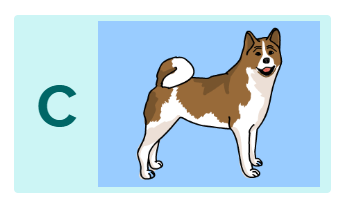
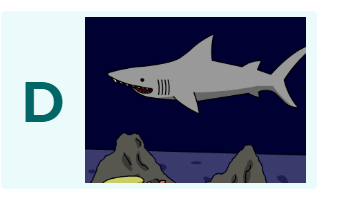
Which of the following animals has a body temperature that doesn't change depending on the weather outside?
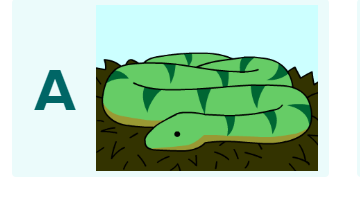
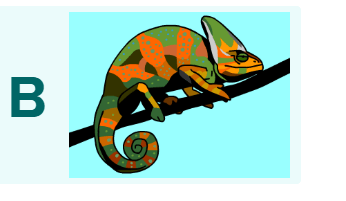
a)
b)
c)
d)
36.

Where does photosynthesis takes place?

a)

The flower

b)

The leaf

c)

The stem

d)

The root

37.

What is the vascular tissue that transports water up the plant?

a)

Xylem

b)

Phloem

c)

Roots

d)

Shoot

38.

What is NOT a function of the root system?

a)

Anchor the plant to the ground

b)

Absorb water and nutrients

c)

Store energy for example in potatoes or carrots

d)

Create food for the plant through photosynthesis

39.

What vascular tissue carries organic nutrients "sugar" throughout the plant?

a)

Xylem

b)

Phloem

c)

Cones

d)

Leafs

40.

What is a function of the root system?

a)

Absorb Water

b)

Absorb sun light

c)

Reproduce

d)

Take in carbon dioxide

41.

Roots store energy in bulbs, taproots and root vegetables.

a)

True

b)

False

42.

What are the levels of organization in plants?

a)

Plants have cells, but not tissues.

b)

Plants are made up of cells, tissues, organs, and organ systems

c)

Plants contain cells and tissues, but not organs.

43.

What is the vascular tissue that carries water throughout a plant?

a)

phloem

b)

seedling

c)

xylem

44.

______________, pores on leaves through which plants lose water and exchange carbon dioxide and oxygen.

a)

stomata

b)

seed

c)

stem

45.

The body of a plant is made up of organs called roots, ________, and leaves.

a)

vacuole

b)

stems

c)

cones

46.

What does the reproductive system for a plant consist of?

a)

flower and fruit

b)

xylem and phloem

c)

chloroplast and chlorophyll

47.

What is the function of the plant organelle called the vacuole?

a)

The vacuole stores water, nutrients, and waste.

b)

The vacuole produces proteins.

c)

The vacuole stores DNA.

48.

Plants have two organ systems, the _________________ system and the root system.

a)

vascular

b)

seedless

c)

shoot

d)

non-vascular

49.

___________________________ is growth that happens in organisms in response to light, such as a stem bending toward a light source.

a)

transpiration

b)

gravitropism

c)

phototropism

50.

Which action describes a response to internal stimuli?

a)

catching a ball at a baseball game

b)

drinking when you are thirsty

c)

running at the sight of a wild lion

51.

A houseplant is placed on a window sill that gets direct, bright sunlight every afternoon. The plant starts to grow toward the window. What kind of response is described by this situation?

a)

Gravitropism

b)

A negative response to a stimulus

c)

Gravitropism

d)

Phototropism

52.

Which homeostasis mechanism is the plant version of an animal drinking when it gets thirsty?

a)

A plant's growth response toward light

b)

A plant's growth response to gravitation

c)

A plant wilting when the soil dries out

d)

A plant making sugar through photosynthesis

53.

Stimulus refers to _____.

a)

food that gives your body energy

b)

a thing or event that causes a reaction

c)

outside reactions that monitor your bodily systems

54.

___________________________ is the loss of water through the pores on plant leaves.

a)

respiration

b)

stomata

c)

transpiration

55.

_________________ is something that causes a response from an organism.

a)

geotropism

b)

emergence

c)

stimulus

d)

water

56.

An example of a positive tropism to gravity is the ________________.

a)

shoot system growing down

b)

root system growing down

c)

shoot system growing up

57.

When the plant cells contain a lot of water, the water exerts force on their cell walls. This force is called _____________________>

a)

force pressure

b)

transpiration

c)

turgor pressure

d)

out side pressure

58.

Germination occurs when the plant embryo uses stored food and begins to grow again. The force of the growing embryo causes it to push out of the seed. This is known as ___________________.

a)

emergence of a seedling

b)

tropism

c)

photoperiodism

d)

dormancy

59.
What is a phenotype
a)
The genetic make up (code)
b)
The physical trait
60.
having two of the same genes for the trait (sometimes called purebred).
a)
homozygous
b)
hetrozygous
c)
protein
d)
chromosome
61.
having two different genes for a trait (sometimes called hybrid).
a)
protein
b)
homozygous
c)
heterozygous
d)
genotype
62.
G = green, g = yellow
The genotype for a yellow plant is...
a)
GG
b)
Gg
c)
gg
d)
all of the choices result in yellow
63.
Where, in the eukaryotic cell, is DNA located?
a)
ribosomes
b)
nucleus
c)
E.R.
d)
cytoplasm
64.
What does heterozygous mean?
a)
An organism that has the same genes for a trait (TT or tt)
b)
An organism that has different genes for a trait (Tt)
c)
When neither gene is fully dominant; offspring is a mixture of both
d)
the different forms of a trait (hair color--> brown, blonde, red
65.
Which of the following is homozygous dominant?
a)
Yy
b)
Y
c)
yy
d)
YY
66.
Natural selection is when ____________ decides who survives and who doesn't
a)
nature
b)
humans
c)
animals
d)
years
67.
A GMO is
a)
A mutant animal
b)
An organism that is made up of lots of different organisms
c)
a genetically mutated option of the human genome
d)
an organism whose DNA has been purposely altered by human intervention
68.
The polar bear's white fur allows it to hide in the cold arctic. This adaptation is called________________.
a)
White on white
b)
Camouflage
c)
Color matching
d)
behavioral adaptation 
69.
Polar bears have an adaptation that allows them to swim. What is most likely this adaptation?
a)
White coat
b)
Fat belly
c)
Small eyes
d)
Webbed Feet
70.
Most desert plants have spines. How does this adaptation help them survive in a harsh environment?
a)
The spines capture water
b)
The spines make it colder
c)
The spines will make it rain
d)
The spines will protect the plant from animals that want to eat it
71.
Cactus have a thick, hard surface (cuticle) that prevent ______________ from evaporating.
a)
Water
b)
Air
c)
Sugar
d)
light
72.
What is the function (job) of fish gills?
a)
To absorb water from the water
b)
To make the fish faster
c)
To make the fish lighter
d)
To absorb oxygen from the water
73.
The feet of this bird tell us that this animal can...
a)
Run fast
b)
Swim 
c)
Fly fast
d)
Climb rocks 
74.
What adaptation most likely helps this bird fly?
a)
A strong beak
b)
Small feet
c)
Hollow bones 
d)
The color of the bird
75.
Why do hollow bones help birds during flight?
a)
Hollow bones make the birds weigh less
b)
Hollow bones are full of heavy blood
c)
Hollow bones store water
d)
Hollow bones are made of feathers 
76.
Birds migrate during the winter to less cold areas. What type of adaptation is this?
a)
Behavioral 
b)
Physiological 
77.
Xylem is a plant adaptation that allows plants to transport ______________ up the stem.
a)
Salt 
b)
Sugar
c)
Water
d)
Coffee
78.
Some plants such as beets, onions and tulips have physical adaptations that allows them to store energy for the next season. What are these types of roots called?
a)
Dubs
b)
Bulbs
c)
Xylem
d)
Phloem 
79.
Define Adaptation.
a)
How an organism has NOT changed and continues to live in an environment 
b)
All animals can live in any environment 
c)
How an organism grows over time
d)
Special features or behaviors that allow an animal to survive in an environment.
80.
Hibernation is a ____________________ adaptation that allows animals to survive at times where food is not available.
a)
physical 
b)
behavioral 
81.
This stick insect is using ________________ to blend in to it's environment. 
a)
air 
b)
terra
c)
camouflage 
d)
synthesis 
82.
A lion's teeth are adapted for what activity?
a)
to grind and chew plants
b)
to  tear meat
c)
to slurp water 
d)
to grind plants and tear meat
83.
Horse's teeth are adapted for what activity?
a)
to tear meat
b)
to tear meat and grind plants
c)
to slurp water
d)
to grind and chew grass
84.
a)
Producer
b)
Primary Consumer
c)
Autotroph
d)
Decomposer
85.
a)
Producer
b)
Primary Consumer
c)
Secondary Consumer
d)
Decomposer
86.
a)
Producer
b)
Primary Consumer
c)
Secondary Consumer
d)
Decomposer
87.
What percentage of energy is passed on to each trophic level?
a)
10%
b)
50%
c)
90%
d)
100%
88.
The arrows in a food chain or web represent ...
a)
They point to the organism that is being eaten.
b)
It shows how sunlight flows within an ecosystem.
c)
They show the direction the energy is flowing between organisms. 
d)
They represent how water is transferred within a habitat.
89.
An animal that is hunted and eaten for food is the  __________.
a)
predator
b)
prey
c)
population
90.
An organism that gets energy from eating other organisms is a ______________.
a)
producer
b)
consumer
c)
decomposer
d)
prey
91.
Which of the following would be the most likely effect, if there were a sudden increase in the cricket population?
a)
There would be a decrease in the small bird population.
b)
There would be a decrease in the grass/flowers population.
c)
There would be a decrease in the mice population.
d)
There would be an increase in the grass/flowers population.
92.

Why is some energy not passed on to the next trophic level?

a)

The organisms at each level use about 90% of the available energy to live.

b)

The statement is NOT true. All energy IS passed from one trophic level to the next.

c)

The organisms at each level use about 10% of the available energy to live.

d)

Most energy is absorbed by the soil instead.

93.
Does this food web have arrows pointing the right way?
a)
Yes
b)
No
94.
If there are 100 kcal of energy available in the producers, how much energy would be available to the herbivores?
a)
10 Kcal
b)
1 Kcal
c)
100 Kcal
d)
1000 Kcal
95.
Which organisms have the most energy? 
a)
ladybugs
b)
plants
c)
owl
d)
mosquitoes
96.
Which organisms would likely have the largest biomass?
a)
mountain lions and eagles
b)
snakes and frogs
c)
squirrels and deer
d)
flowers, trees and fruit
97.

All the living things and non-living things in an environment.

a)

ecosystem

b)

food chain

c)

food web

d)

energy pyramid

98.

Biotic things in an environment are

a)

living things

b)

non-living things

99.

Abiotic things in an environment are

a)

Living things

b)

Non-living things

100.

What are the three energy roles in an environment? click all the correct answers.

a)

producer

b)

consumer

c)

decomposer

d)

predator

101.

Which one of the following is an example of an herbivore?

a)

lion

b)

racoon

c)

mouse

d)

rabbit

102.

Which one of the following is an example of a carnivore?

a)

lion

b)

racoon

c)

mouse

d)

rabbit

103.

Which one of the following is an example of an omnivore?

a)

lion

b)

racoon

c)

tiger

d)

rabbit

104.

What does a scavenger do in an ecosystem?

a)

eat plants

b)

eat flesh

c)

eat both plant and flesh

d)

consume already dead organisms

105.

What does a food chain end with?

a)

plants

b)

producer

c)

decomposer

d)

top-level consumer

106.

What is a model that shows how food chains are interconnected?

a)

food chain

b)

energy pyramid

c)

food web

d)

decomposer

107.

What is the herbivore in the following marine ecosystem?


Algae - Krill - fish - seal - polar bear

a)

krill

b)

algae

c)

fish

d)

polar bear

108.

What is the producer in the following food chain?


grass - rabbits - snake - fox

a)

rabbits

b)

snake

c)

fox

d)

grass

109.

What is a model that shows the amount of energy available in each step of a food chain?

a)

food chain

b)

food web

c)

energy pyramid

110.

What is another term for a step in an energy pyramid?

a)

talent level

b)

trophic level

c)

tesic level

111.

What is another name for a primary consumer?

a)

herbivore

b)

carnivore

c)

producer

d)

secondary consumer

112.

What is the tertiary consumer in this energy pyramid?

a)

hawk

b)

snake

c)

frog

d)

grasshopper

113.

What is the primary consumer in this energy pyramid?

a)

grass

b)

frog

c)

grasshopper

d)

hawk

114.

Organisms that hunt and eat other organisms

a)

predator

b)

prey

c)

habitat

d)

niche

e)

parasitism

115.

Any relationship in which two species live closely together?

a)

symbiosis

b)

prey

c)

habitat

d)

niche

e)

parasitism

116.

Both species benefit from relationship?

a)

mutualism

b)

prey

c)

habitat

d)

niche

e)

parasitism

117.

An area where an organism lives?

a)

mutualism

b)

prey

c)

habitat

d)

niche

e)

parasitism

118.

All living organisms in an environment?

a)

mutualism

b)

biotic factors

c)

habitat

d)

niche

e)

parasitism

119.

One organism benefits, the other is neither helped nor harmed?

a)

commensalism

b)

biotic factors

c)

habitat

d)

niche

e)

parasitism

120.

Organism lives on or in another and harms it?

a)

commensalism

b)

biotic factors

c)

parasitism

d)

niche

e)

parasitism

121.

Autotrophs like plants, make their own food through

a)

anerobic respiration

b)

aerobic respiration

c)

photosynthesis

d)

lactic acid fermentation

122.

Arrows in food webs and food chains show

a)

predator-prey relationships

b)

transfer of energy

c)

mutalistic relationships

d)

patterns of inheritance

123.

Students in two different schools created gardens at their campus. They only planted native plants that do not require extra care. Students from each of the schools were asked to sketch some of the native plants included in their gardens. Sample images from each school are included below.


Which of the following characteristics of the garden environments pictured above has the greatest affect on the types of plants that grow in them?

a)

Temperature

b)

Amount of rainfall

c)

Amount of light

d)

Space

124.

If your local environment begins to turn into a desert, what will most likely happen to the organisms in the environment?

a)

The populations of organisms currently existing in the environment will increase.

b)

The populations of organisms currently existing in the environment will not be affected.

c)

The new desert environment will be unable to support any populations of organisms.

d)

A different variety of organisms will be supported rather than the ones that currently exist.

125.

Which statement best describes the comparison of lake and ocean environments?

a)

The lake and ocean environments support the same organisms because they are both water and are made up of the same elements.

b)

The lake and ocean environments support different organisms because most freshwater organisms cannot live in saltwater.

c)

The lake and ocean environments support the same organisms, but they will look different because of the type of water.

d)

The lake and ocean environments support different organisms because ocean organisms are blocked by land from getting into lakes.

126.

The Texas Mock Orange is a type of flowering plant that is only found growing naturally in Texas. Which of the following is the most likely reason that they only grow naturally in Texas?

a)

The type of animals that eat the Texas Mock Orange are not found in other environments.

b)

The amount of sunlight the Texas Mock Orange needs is not found in other environments.

c)

The type and amount of water the Texas Mock Orange needs is not found in other environments.

d)

The types of organisms that pollinate and help the Texas Mock Orange reproduce are not found in other environments.

127.

5 Four students were asked to observe microhabitats of their schoolyard and describe how microhabitats are able to support different varieties of organisms. Their observations and responses are shown below.


Which student best describes how microhabitats are able to support a variety of organisms?

a)

student 1

b)

student 2

c)

student 3

d)

student 4

128.

A student rolled over a wooden log and made the following observations.


Which observations support the student’s claim that the log represents a microhabitat?

a)

Observation 1 and 2

b)

Observation 1, 2, and 3

c)

Observation 1, 2, and 4

d)

Observation 3 and 4

129.

Students created the table below based on observations of two microhabitats near their school.


Based on the information above, what is the best explanation for the different variety of organisms in the two microhabitats?

a)

The rotting log and grassy area are in different biomes.

b)

Conditions for survival are different in each location.

c)

The rotting log has predators while the grassy area does not.

d)

There is more space in the rotting log than in the grassy area.

130.

Refer to the food webs above. If the grasses in each ecosystem are attacked or killed by a disease, which ecosystem will most likely survive?

a)

The prairie ecosystem, because fewer organisms eat grass

b)

The tundra ecosystem, because there is a variety of producers

c)

The prairie ecosystem, because there are fewer top predators

d)

The tundra ecosystem, because it has more herbivores

131.

Which statement below best describes how biodiversity contributes to the sustainability of an ecosystem?

a)

A variety of plant and animal species allows for more survivors of a natural disaster.

b)

Having more species in an ecosystem allows the human population to increase in size.

c)

Low biodiversity reduces the competition for resources, which helps native species survive.

d)

Fewer species in the ecosystem reduces the likelihood that disease spreads through the ecosystem.

132.

Which of the following situations contributes to the sustainability of an ecosystem?

a)

Increase in biodiversity

b)

Decrease in biodiversity

c)

Extinction of a population from the ecosystem

d)

Removal of many populations of organisms

133.

Which event would most likely cause an ecosystem to have the lowest biodiversity and population sizes 3 years later?

a)

Clearing land for a highway

b)

A river floods a cornfield

c)

A forest fire destroys the plant growth

d)

A lava flow creates a new section of land

134.

The role of a pioneer species in primary succession is to change a bare habitat into one that is suitable for other organisms. A species that is responsible for primary succession in an ecosystem is most likely able to —

a)

survive any predator

b)

migrate during the winter

c)

live at high altitudes

d)

carry out photosynthesis

135.

Which of the following sequences most likely represents ecological succession on a recently abandoned wheat field?

a)

grasses → flowering plants → shrubs → native trees

b)

native trees → shrubs → flowering plants → grasses

c)

shrubs → grasses → native trees → flowering plants

d)

flowering plants → native trees → shrubs → grasses

136.

What is the relationship between ecological succession and equilibrium in an ecosystem?

a)

Ecological succession leads to equilibrium in an ecosystem.

b)

Ecological succession prevents ecosystems from ever reachingequilibrium.

c)

There is no relationship between ecological succession and equilibrium.

d)

Ecological succession and equilibrium are the same thing.

137.

A hurricane hits a coastal prairie and destroys the habitat. Years later, there is an appearance of small plants with rapidly spreading roots.


This vegetation describes —

a)

a microhabitat

b)

primary succession

c)

secondary succession

d)

biodiversity

138.

A flower bed is created at a school so flowers can be planted in the autumn.


Over the summer, the flower bed is ignored. Which of the following should the students expect to find when they come back to school?

a)
b)
c)
d)
139.

When forest fires destroyed many of the pine trees in Bastrop State Park, the burned areas began secondary succession. What is the role of succession in this example?

a)

Creating new soil by chemical and physical weathering of rocks

b)

Restoring the ecosystem through grass, shrub, and tree stages

c)

Changing the landscape to be more fire resistant in the future

d)

Opening the land for new uses like farming and raising livestock

140.
Drought - 
a)
excess rain in an area that doesn't normally have it
b)
a tropical storm that forms over the ocean
c)
a wet dry period of time
d)
a very dry period of time
141.
The ability of a solid to allow fluids
to pass through is called -
a)
permeability
b)
porosity
c)
water table
d)
aquifer
142.
Which factors associated with hurricanes are the most destructive?
a)
water and lightning
b)
tornadoes and flooding
c)
wind and storm surge
d)
lightning and wind
143.
Which is an example of physical weathering?
a)
oxidation
b)
abrasion
c)
carbonation
d)
water
144.
Which is an example of chemical weathering?
a)
oxidation
b)
exfoliation
c)
ice wedging
d)
abrasion
145.
How many categories of hurricanes are there?
a)
2
b)
3
c)
4
d)
5
146.
Which catastrophic event is associated with a storm surge?
a)
tornadoes
b)
hurricanes
c)
drought
d)
wild fires
147.
Wind carrying away sediment is an example of - 
a)
weathering
b)
deposition
c)
gravity
d)
erosion
148.
A(n) _____ is an underground area that holds water.
a)
aquifer
b)
cavern
c)
reservoir
d)
lake
149.
As water in rocks freezes, it expands, causing the rocks to -
a)
erode
b)
deposit
c)
weather
150.
Physical weathering is also called _____ weathering.
a)
chemical
b)
acid rain
c)
gravitational
d)
mechanical
151.
June through November describes - 
a)
tornado season
b)
hurricane season
c)
hunting season
d)
the best time to Christmas shop
152.
A storm surge is - 
a)
a rise in sea level during a hurricane
b)
a major source of flooding 
c)
one of the most dangerous parts of a hurricane
d)
all of these
153.
Texas is impacted MOST by which catastrophe?
a)
tornadoes
b)
high winds
c)
flooding
d)
hurricanes
154.
Tornadoes are most likely to occur -
a)
in the southern states
b)
in Tornado Alley
c)
along a mountain ridge
d)
during the winter
155.
Aquifer contamination can come from - 
a)
oil spills
b)
landfills
c)
agricultural runoff
d)
all of these
156.
Water that drains from the land into a larger body of water is called - 
a)
runoff
b)
a watershed
c)
a reservoir
d)
an aquifer
157.
A rock's ability to hold water is called -
a)
permeability
b)
an aquifer
c)
porosity
d)
runoff
158.
Tornadoes occur most at which time?
a)
afternoon, when it's warm
b)
early morning as the sun comes up
c)
late in the evening as the sun goes down
d)
they occur at no particular time
159.
A tornado warning means that -
a)
conditions are right for a tornado to form
b)
people are afraid a tornado will form
c)
a tornado has been seen in the area
d)
people should shelter in the basement until the weather clears up
160.
Which type of land is MOST likely to avoid erosion of any kind?
a)
land with a lot of vegetation
b)
a desert
c)
land with running water nearby
d)
wetlands and swamps
161.
The land that contributes runoff to other bodies of water is called - 
a)
the water table
b)
a watershed
c)
groundwater
d)
surface water
162.
Which erosion agent is most likely to carve out a canyon over millions of years?
a)
wind
b)
ice
c)
water
163.
Tornadoes can negatively affect an ecosystem when
a)
the saltwater they bring kills off burrowing insects
b)
their strong winds uproot many of the important plants
c)
the rise in water level they produce introduces harmful salt
d)
they bring higher temperatures favored by birds
164.
In a marsh ecosystem that experiences a hurricane, which of the following would be the most likely affect?
a)
A loss of plant life from saltwater brought in by the storm surge
b)
More burrowing animals live in the deeper soil layers
c)
Death of most organisms due to fires from lightning strikes
d)
Increase in diversity among organisms due to more competition
165.
If a tornado uproots most of the trees in an ecosystem, it could be expected that, due to the loss of trees, there will be a reduction in...
a)
Sunlight
b)
Oxygen
c)
Precipitation
d)
Soil
166.
The use of pesticides and fertilizers must be carefully monitored 
because of the effect they can have on the environment. 
Which of the following is a possible negative effect of the use 
of these chemicals on the environment?
a)
Runoff carries these chemicals into lakes and streams.
b)
Theses chemicals cannot be purchased in large bulk.
c)

These chemicals are expensive to produce.
d)
Storage space for these chemicals is limited.
167.
What is a watershed?
a)
Land that collects and channels water froma small body of water to a larger body of water
b)
the shape of the land determined by elevation
c)
A natural stream of water of considerable  volume
d)
a river and all its tributaries
168.
What is Point Source Pollution (PSP) ?
a)
When you cannot trace the direct source of pollution
b)
When you can trace the point of the source - "pipe to source"
169.
Why is gravity a factor in watersheds? 
a)
it causes the water to flow away from a watershed
b)
it causes the water to flow down towards a watershed
170.

A forest fire can have which of the following positive effects?

a)

Provides heat mammals need in colder seasons

b)

Increases annual rainfall by forming more clouds

c)

Clears underbrush to allow new plants to grow

d)

Drives away predators that eat smaller animals

171.
A paper company wants to build a paper mill in the watershed where a village exists. In order to minimize pollution, where would be the best place to build it?
a)
at the highest point in the watershed
b)
downstream from the village
c)
closest to freshwater
d)
near a main street in the village
172.
The process by which water, ice, wind or gravity moves weathered rock and soil from one place to another.
a)
weathering
b)
erosion
c)
deposition
d)
dumptruck
173.
This type of weathering occurs when rock is physically broken down into smaller pieces of rock.
a)
mechanical weathering
b)
chemical weathering
c)
erosion weathering
d)
deposition
174.
This type of weathering occurs when rocks weaken then break down due to chemical changes in the composition of the rock.
a)
mechanical weathering
b)
chemical weathering
c)
erosion weathering
d)
deposition
175.

Sand dunes are large piles of sand that can be found in the desert. What causes these sand dunes to form?

a)

Water

b)

Wind

c)

Earthquakes

d)

Volcanoes

176.

Canyons are formed by -

a)

earthquakes breaking rock layers apart.

b)

wind smoothing out rock formations.

c)

lava flowing from nearby volcanoes.

d)

rivers carrying sediments that erode land.

177.

Canyons are formed by -

a)

earthquakes breaking rock layers apart.

b)

wind smoothing out rock formations.

c)

lava flowing from nearby volcanoes.

d)

rivers carrying sediments that erode land.

178.

Sediments, which are deposited at the mouth of a river, create a -

a)

lake

b)

volcano

c)

canyon

d)

delta

179.

How might runoff from farms adding fertilizer to a pond have a negative effect?

a)

Rapid growth of algae could cover the pond, cutting off sunlight to other organisms.

b)

Increased volume in the pond will make it harder for fish to find food.

c)

Chemicals in the fertilizer could enter the soil around the pond and be trapped there.

d)

Fertilizers could speed the rate of deposition of sediments in the pond.

180.

A student’s model of an area near a city depicts many activities that affect the quality of the water in the area.


How does the agricultural activity most likely affect the surface water of the area?

a)

Excess crop fertilizer is carried by runoff into the river, causing excess growth of water plants.

b)

Excess crop material accumulates on the riverbanks, slowing the movement of the river water.

c)

Crops reduce erosion, increasing the amount of soil entering the river.

d)

Crops absorb pure water from soil, causing the remaining water to contain more salt.