Wayground logo

Free Printable Worksheets

Font size

S
M
L
XL
Worksheets

Human Body Systems Unit Review

Total questions: 45

Worksheet time: 23mins

Name
Class
Date
1.

Which is not a function of the skeletal system?

a)

shape and support

b)

movement

c)

protection

d)

gas exchange

2.

What is a joint?

a)

The place where 2 or more bones meet.

b)

A thin membrane that covers the surface of bone.

c)

A band of tissue that hold bones together.

d)

Connective tissue

3.

What is the function of marrow?

a)

To make protein

b)

To make red blood cells and store fat.

c)

reduce friction

d)

to hold bones together

4.
Which muscle type is found in your stomach, bladder, and intestines?
a)
Skeletal
b)
Smooth
c)
Cardiac
d)
Straight
5.
Which type of muscle is found in your heart?
a)
Skeletal
b)
Smooth
c)
Cardiac
d)
Straight
6.
Which muscles are involuntary?
a)
skeletal
b)
cardiac
c)
smooth
d)
smooth and cardiac
7.
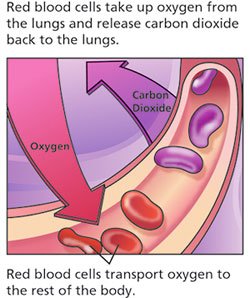
These cells, in the blood, carry oxygen and give the blood its color.
a)
white blood cells
b)
plasma
c)
platelets
d)
red blood cells
8.
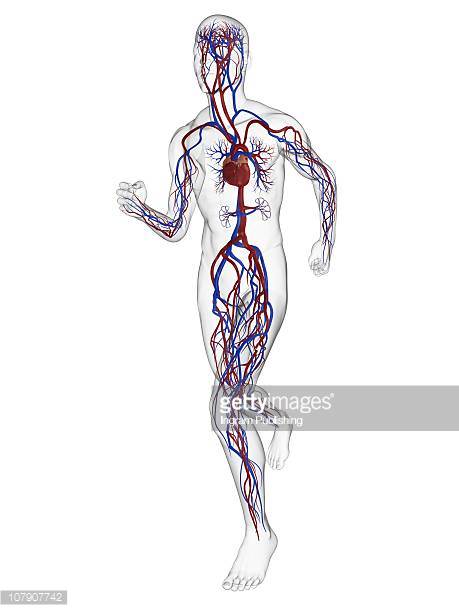
This type of vessel carries blood TO the heart:
a)
vein
b)
nerve
c)
muscle
d)
artery
9.
The circulatory system works with the ___________ system to provide our body with oxygen.
a)
respiratory
b)
digestive
c)
muscular
d)
skeletal
10.

___ are tiny blood vessels that carry blood to an from almost all body cells and connect arteries and veins.

a)

arteries

b)

veins

c)

capillaries

11.

What is the main organ of the circulatory system?

a)

small intestine

b)

bone

c)

lungs

d)

heart

12.

Which system transports nutrients around the body?

a)

Nervous

b)

Respiratory

c)

Circulatory

d)

Digestive

13.
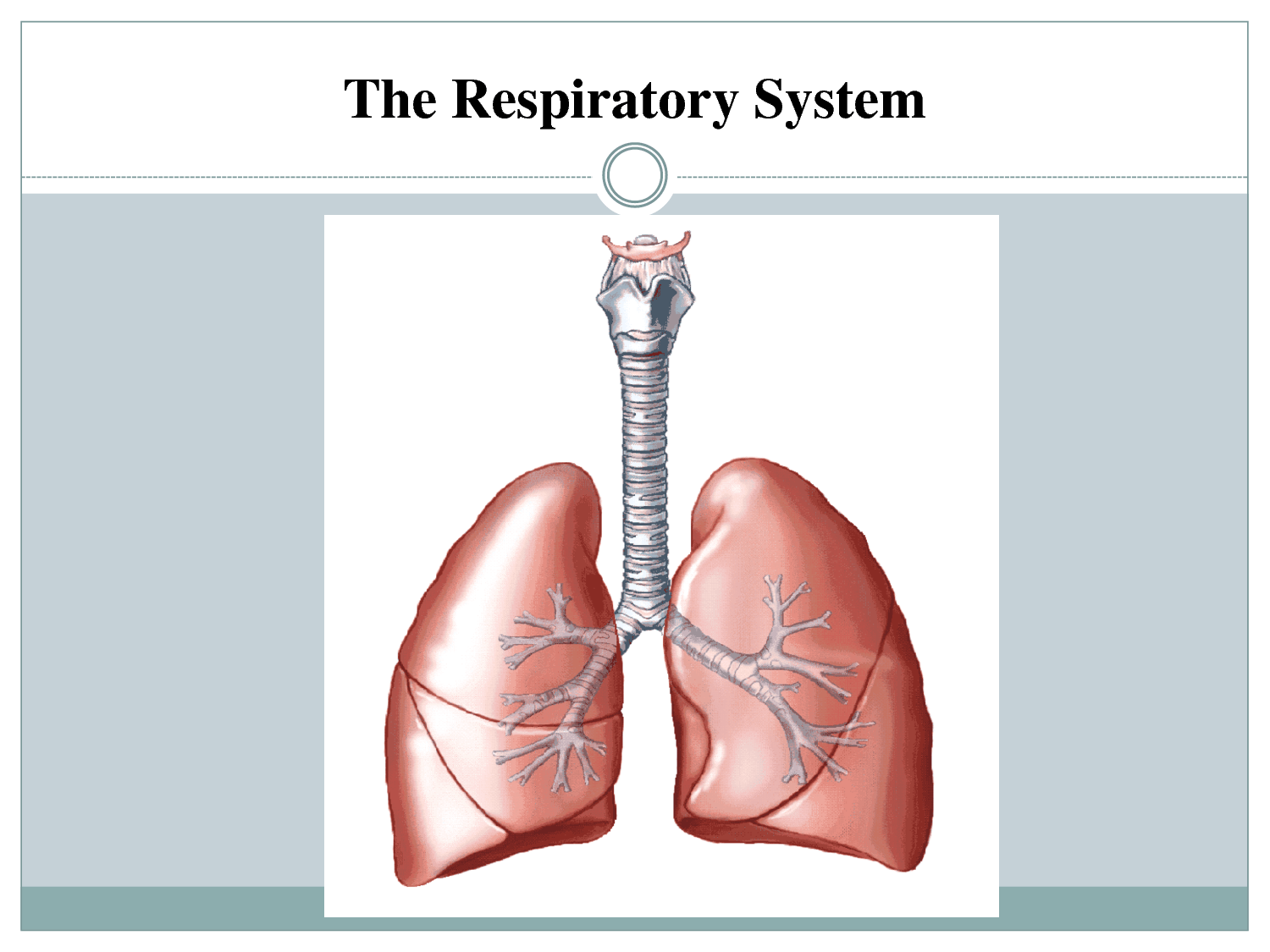
What is the main function of the respiratory system?
a)
to provide oxygen and remove carbon dioxide from the body
b)
to bring oxygen to the body
c)
to break down food and absorb nutrients
d)
to remove oxygen from the body and deliver carbon dioxide
14.
What are the main organs of gas exchange in the respiratory system?
a)
diapragm
b)
lungs
c)
trachea
d)
bronchi
15.
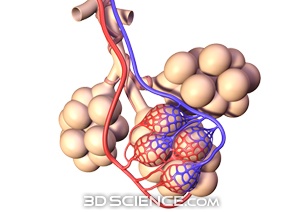
The air sacs that are covered with capillaries where gas exchange takes place
a)
bronchi
b)
lungs
c)
oxygen
d)
alveoli
16.
Flap of skin that covers the opening to the windpipe during swallowing
a)
Stomach
b)
Trachea
c)
Pancreas
d)
Epiglottis
17.

The circulatory system works with the ___________ system to provide our body with oxygen and get rid of CO2 (carbon dioxide).

a)

respiratory

b)

digestive

c)

muscular

d)

skeletal

18.

When the diaphragm contracts and moves down, the lungs are...

a)

expanding and filling with air

b)

contracting and pushing air out

19.
The process by which the body breaks down food so that it can be used for energy.
a)
composition
b)
digestion
c)
deposition
d)
absorption
20.
The muscular organ in the body where chemical and mechanical digestion take place.
a)
pancreas
b)
liver
c)
stomach
d)
esophagus
21.
A long folded tube inside the body attached to the stomach where nutrients in the food are absorbed.
a)
large intestine
b)
small intestine
c)
esophagus
d)
rectum
22.
A muscular tube that helps move food from the mouth to the stomach.
a)
esophagus
b)
trachaea
c)
small intestine
d)
gall bladder
23.
A series of wave-like muscle contractions that moves food to different processing stations in the digestive tract.
a)
adduction
b)
primary wave
c)
peristalsis
d)
inversion
24.

Where does digestion begin?

a)

Mouth

b)

esophagus

c)

stomach

d)

small intestine

25.
Which is the correct pathway that food takes through the alimentary canal?
a)
mouth, stomach, esphagus, small intestine, large intestine, rectum
b)
mouth, esophagus, stomach, small intestine, large intestine, rectum
c)
mouth, esophagus, small intestine, large intestine, stomach, rectum
d)
rectum, rectum, rectum.  Anal retentive teacher
26.

The teeth and tongue of the oral cavity break foodstuff down physically. This is an example of

a)

mechanical digestion

b)

chemical digestion

c)

absorption

d)

peristalsis

27.
What is the main function of the excretory system?
a)
to collect and remove wastes from the body
b)
to strengthen skeletal muscles
c)
to protect the nervous system
d)
to bring oxygen to body cells
28.
Which organ of the excretory system stores urine until the body is ready to eliminate it?
a)
ureters
b)
urethra
c)
urinary bladder
d)
urea
29.

Which excretory organ eliminates water and some chemical wastes in perspiration (sweat)?

a)

lungs

b)

skin

c)

liver

d)

kidneys

30.
Which excretory organ filters the blood to remove excess water, urea, and cell wastes?
a)
Kidney
b)
Bladder
c)
Urethra
d)
Ureters
31.
Which layer contains accessory structures such as sweat glands, sebaceous glands, and hair follicles?
a)
epidermis
b)
dermis
c)
hypodermis
d)
hyperdermis
32.
What does the cerebrum control?
a)
controls thoughts and voluntary actions
b)
controls vital and involuntary actions 
c)
controls balance
d)
controls the uvula
33.

Which system is responsible for the overall control of all the internal processes that occur in the body?

a)

muscular system

b)

nervous system

c)

digestive system

d)

skeletal system

34.

The brain has 3 major sections that send and receive signals to control all the activities that keep a person functioning efficiently. Which major section controls breathing and heart beat?

a)

cerebellum

b)

cerebrum

c)

brain stem

d)

cortex

35.

The two parts that make up the Central Nervous System are the

a)

brain and spinal cord

b)

brain and nerves

c)

spinal cord and nerves

36.
The part of the brain that controls balance, coordination, and unconscious muscle activities.
a)
Cerebrum
b)
Cerebellum
c)
Brain
d)
Spinal Cord
37.
An organ that produces secretions called hormones is known as a :
a)
chemical
b)
gland
c)
hormone
d)
duct
38.
The _____ _____ is the master gland of the body because it releases hormones that stimulate other glands.  It is located at the base of the brain. 
a)
gonads
b)
thymus gland
c)
thyroid gland
d)
pituitary gland
39.

What is job of the endocrine system?

a)

remove cellular waste from the body

b)

gas exchange

c)

coordinate body functions by producing and releasing hormones

d)

transport materials around the body

40.
Vaccinations are used for
a)
Curing the illness
b)
Preventing the Illness
c)
Getting the illness
41.
What is the main purpose of the immune system?
a)
support the body through bones and muscles
b)
get rid of waste from the body
c)
protect the body from pathogens
d)
move blood through the body
42.
What transports substances around the body?
a)
Blood
b)
Sweat
c)
Tears
d)
Urine
43.
Homeostasis
a)
allows for a wildly fluctuating internal environment
b)
is impossible in vertebrates
c)
is the maintenance of a relatively stable internal environment and often incorporates a form of feedback regulation
d)
is the maintenance of a relatively stable external environment and often incorporates a form of feedback regulation
44.
Which diagram represents an organ?
a)
#1
b)
#2
c)
#3
d)
#4
45.

Which of the following is NOT classified as an organ?

a)

heart

b)

lung

c)

neuron

d)

stomach