
 Worksheets
IGCSE 0654 B8 Gas Exchange & Respiration
Total questions: 40
Worksheet time: 25mins
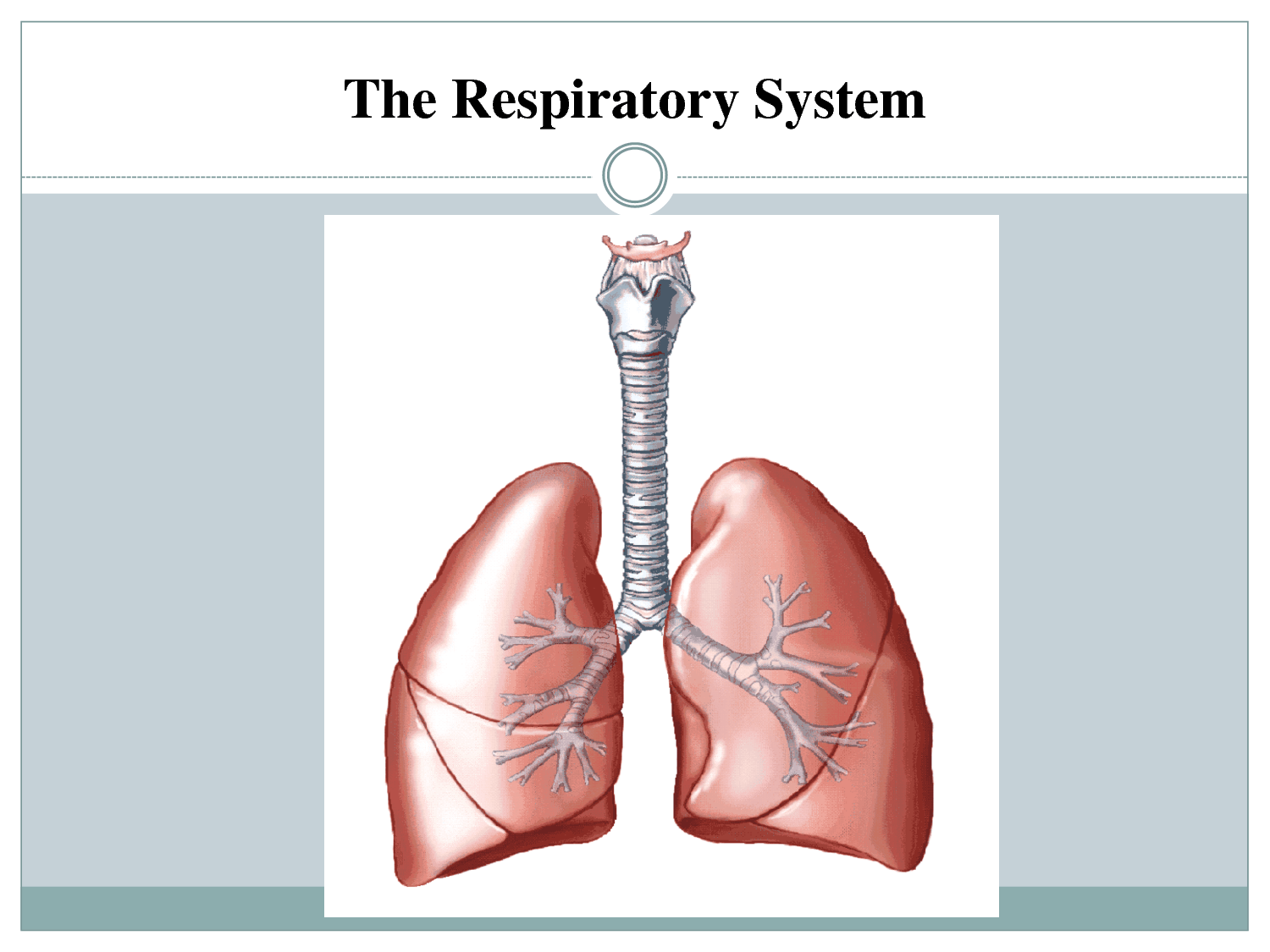
What is the main function of the respiratory system?
to provide oxygen and remove carbon dioxide from the body
o break down food and absorb nutrients
to remove oxygen from the body and deliver carbon dioxide
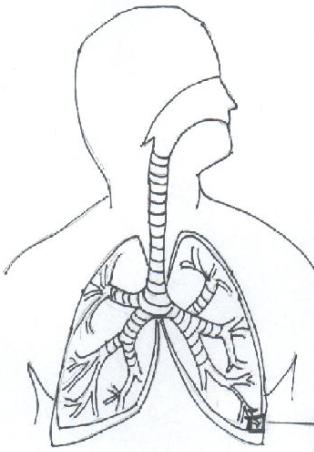
What is the name of the movement of oxygen in and carbon dioxide out of the body.
transpiration
respiration
digestion
ventilation
The chemical reaction which releases energy using oxygen and glucose and creates carbon dioxide and water as waste products
transpiration
respiration
digestion
ventilation
Which organelle uses oxygen to release energy from food?
nucleus
ribosome
mitochondria
endoplasmic reticulum
glucose + oxygen --> carbon dioxide + water + energy
aerobic respiration
anaerobic respiration (in muscles)
anaerobic respiration (fermentation in yeast)
glucose --> alcohol + carbon dioxide + energy
aerobic respiration
anaerobic respiration (in muscles)
anaerobic respiration (fermentation in yeast)
glucose --> lactic acid + energy
aerobic respiration
anaerobic respiration (in muscles)
anaerobic respiration (fermentation in yeast)
During fermentation, yeast cells produce...
Lactic Acid
Alcohol
Water and Carbon Dioxide
Carbon Dioxide and Alcohol
All gas exchange systems have...
large surface areas
small surface areas
All gas exchange systems have...
moist surfaces
dry surfaces
All gas exchange systems have...
thick walls
thin walls
All gas exchange systems have...
a good blood supply
a poor blood supply
Anaerobic respiration in your muscles produces...
Alcohol
Lactic Acid
Carbon Dioxide and Lactic Acid
Alcohol and Carbon Dioxide
Which of the following is the fuel source for respiration?
Petrol
Glucose
Carbon Dioxide
Unicorn Farts
Inspired air is higher in which gas than expired air?
Oxygen
Nitrogen
Carbon Dioxide
Water Vapor
Expired air has more of which gasses than inspired air? (choose all that apply)
Oxygen
Carbon Dioxide
Nitrogen
Water Vapor

Identify A
Trachea
Alveoli
Bronchi
Larynx
Identify B
Trachea
Alveoli
Bronchi
Larynx
Identify C
Trachea
Alveoli
Bronchi
Larynx
Identify D
Trachea
Alveoli
Bronchi
Larynx
Which form of respiration releases the most energy?
Aerobic
Anaerobic
Fermentation
Which structure of our respiratory system is actually the gas exchange surface?
All of the Lungs
The Alveoli
The Trachea
The Bronchi
The Bronchioles
The action of breathing is carried out by...
The lungs
The diaphragm
The diaphragm and intercostal muscles
The intercostal muscles


What are lung cancer causing agents such as arsenic, acetone & formaldehyde found in cigarettes called?
Carcinogens
Tar
COPD
Nicotine
Smoking tobacco can cause COPD which stands for:
chronic obstructive pulmonary disease
chronic obsesive pulmonary disease
chronic obstructive pulmonary diagnosis
chorotid obstructive pulmonary disease
Smoking tobacco releases carbon monoxide into the blood which is bad because..
It encourages the development of COPD
It increases the risk of lung cancer
It damages the cilia which cannot remove mucus and therefore pathogens from the lungs
It reduces the amount of oxygen carried by the red blood cells' haemoglobin

