
 Worksheets
Physiology Final Review Part 2
Total questions: 40
Worksheet time: 38mins
Follicle stimulating hormones function is to
mature eggs in the uterus
mature eggs in the womb
mature eggs in the cervix
mature eggs in the ovaries
What hormones are released by the Pituitary Gland?
FSH, Estrogen, LH and Progesterone
FSH, Estrogen, and Progesterone
FSH, LH and Progesterone
FSH and LH

The diagram shows the female reproductive system. The part labelled B is called
Fallopian tube
uterus
cervix
the ovary
This occurs on days 1 to 5 of the menstrual cycle.
The lining of the uterus remains in place in preparation for the possible arrival of an early embryo.
Shedding of the lining of the uterus
An egg is released from the ovaries
The endometrium of the uterus builds up
Ovulation is triggered by a surge in:
FSH
LH
Estrogen
Progesterone
In this stage of labor, the cervix begins to dilate
1st stage
2nd stage
3rd stage
In this stage of labor, the placenta is delivered
1st stage
2nd stage
3rd stage
What is a "dilation" of the cervix?
Cervix narrows
Cervix opens up
Cervix disappears
Cervix is pushed out with baby
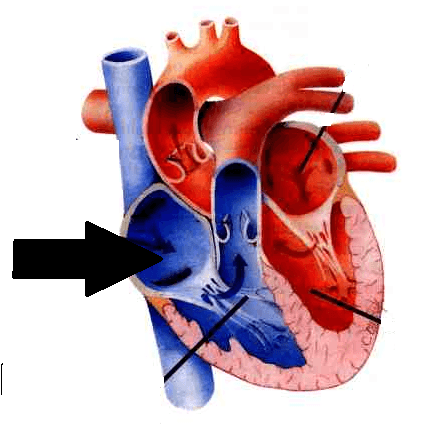

bicuspid
aortic

The liquid part of blood that makes up 55% of its composition?
Plasma
Platelets
Formed elements
Red blood cells
The type of blood vessel that normally carries de-oxygenated blood back to the heart from body cells?
arteries
capillaries
veins
The type of blood vessel that normally carries oxygenated blood from the heart to the body cells?
arteries
capillaries
veins
The type of blood vessel where exchange of gases, nutrients, and wastes occurs?
arteries
capillaries
veins
A blood clot that travels through the circulatory system and eventually becomes lodged within a blood vessel?
aneurysm
embolism
thrombosis
atherosclerosis

What part of blood carries hemoglobin?
Erythrocytes
Plasma
Platelets
Leukocytes
What part of blood is responsible for fighting infections?
Erythrocytes
Leukocytes
Platelets
Eospinophils
1. larynx
2. nasal cavity
3. pharynx
4. trachea
Which of the following is the correct order that air would flow during inhalation.

Identify #6
larynx
What happens during inspiration?
The diaphragm contracts and pulls down to cause air to rush into the thoracic cavity, lungs and chest expands
The diaphragm relaxes and causes a pressure change and air rushes out, lungs and chest contract
The diaphragm relaxes and causes the thoracic cavity to get smaller.
The diaphragm contracts and pulls up to cause air to rush out of the thoracic cavity, lungs and chest contract

These structure are _______ and are found ______ the lung
alveoli, outside
alveoli, inside
bronchioles, outside
bronchioles, inside

Flap of tissue that covers the opening to the windpipe during swallowing
Pharynx
Trachea
Epiglottis
Esophagus
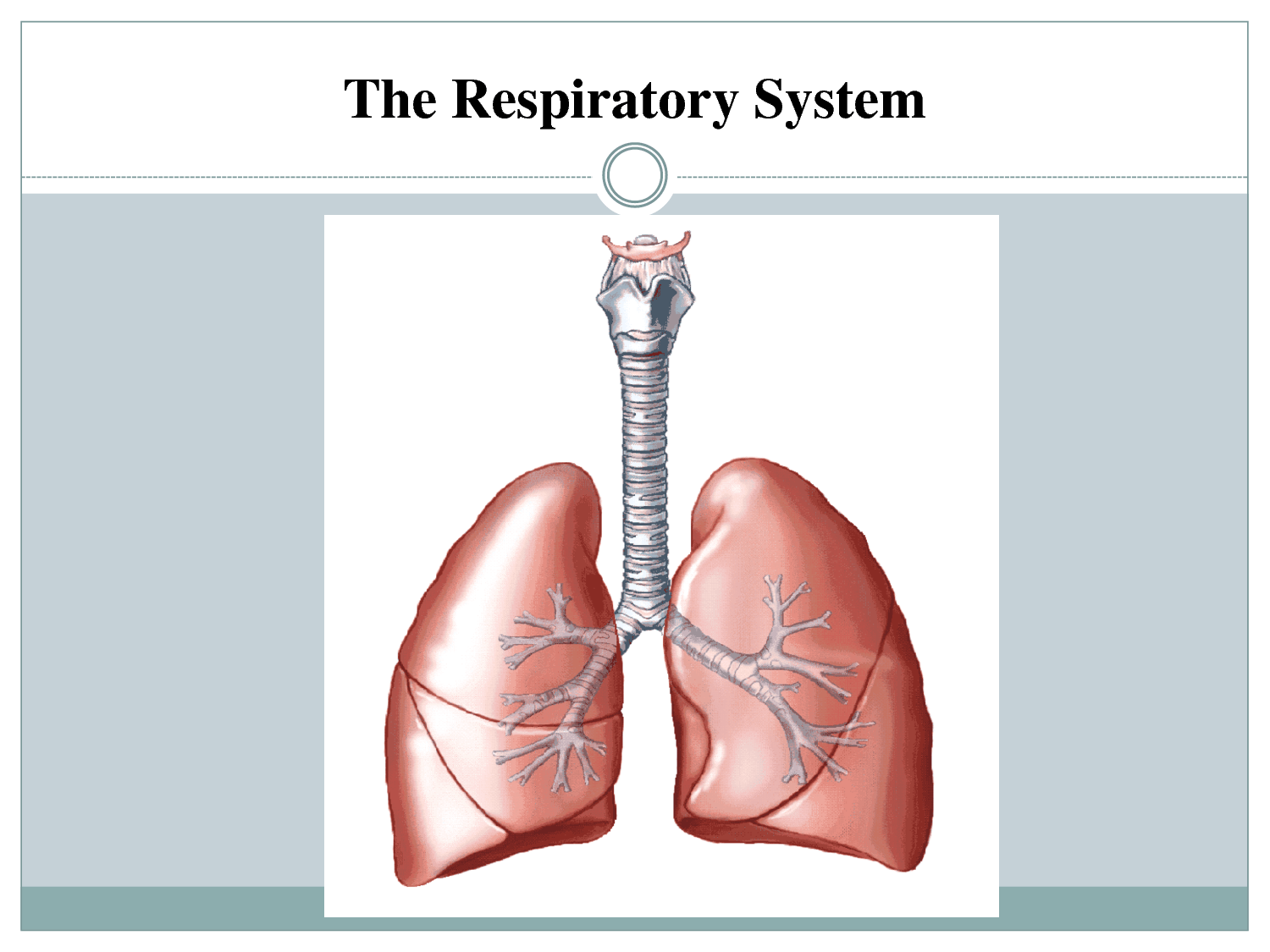
In this condition, mucus builds up outside the alveoli
pneumonia
bronchitis
ephysema
tuberculosis
In this condition, lungs lose surface area due to the loss of alveoli
bronchitis
asthma
tuberculosis
emphysema
Which organ releases digestive enzymes into the small intestine?
pancreas
liver
gallbladder
salivary glands
What organ is responsible for the majority of the absoption that occurs in the digestive system?
large intestine
small intestine
stomach
oral cavity
Which of the following structures is NOT part of the digestive system?
esophagus
larynx
stomach
pharynx
The teeth and tongue of the oral cavity break food down physically. This is an example of
mechanical digestion
chemical digestion
absorption
peristalsis
Which of the following organs secretes enzymes, specifically amylase, that digests carbohydrates only?
large intestine and small intestine
stomach and small intestine
pancreas and salivary glands
oral cavity and liver
Which of the following is an accessory organ of the digestive system?
stomach
small intestine
esophagus
liver
Which structure is responsible for water absorption and production of vitamins
Duodenum
Stomach
Large intestine
Small intestine

Which is the correct pathway that food takes through the digestive tract?
mouth, pharynx, esophagus, liver, stomach, small intestine, large intestine, rectum, anus
mouth, pharynx, esophagus, stomach, small intestine, large intestine, rectum, anus
mouth, pharynx, larynx, esophagus, small intestine, large intestine, stomach, rectum, anus
mouth, pharynx, trachea, esophagus, stomach , small intestine, large intestine, rectum, anus

