
 Worksheets
Year 7 Textiles
Total questions: 24
Worksheet time: 13mins
The definition of 'Textiles' is:
The artistic or creative expression of ideas and thoughts through a textile medium.
Many different types of fabric, normally woven, knitted or bonded (non-woven).
The processing of basic fibres into yarns and fabrics.
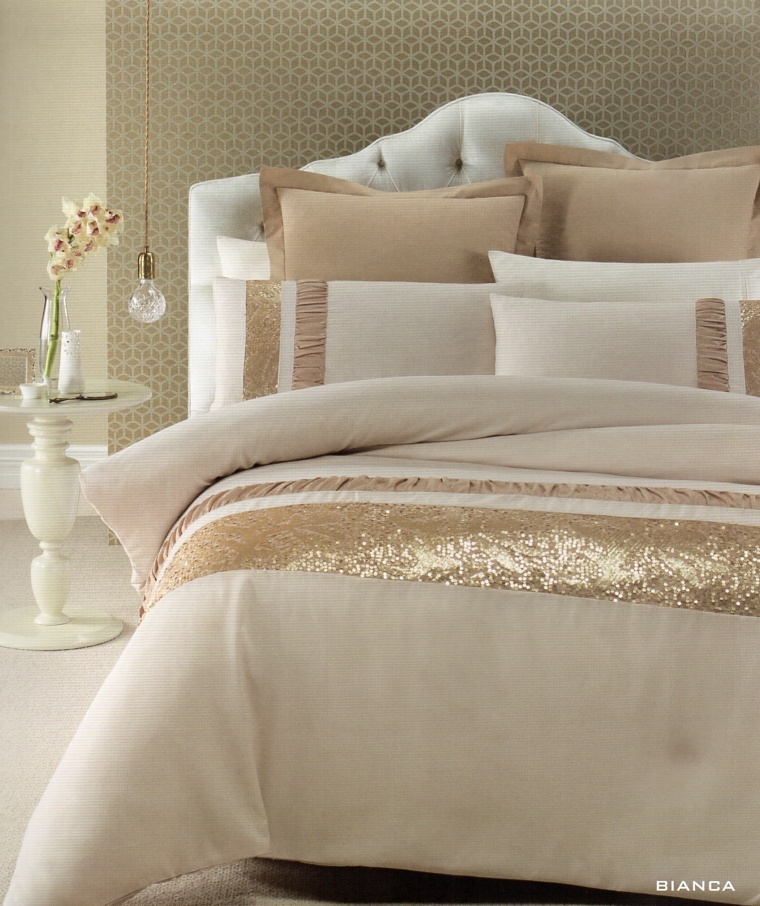
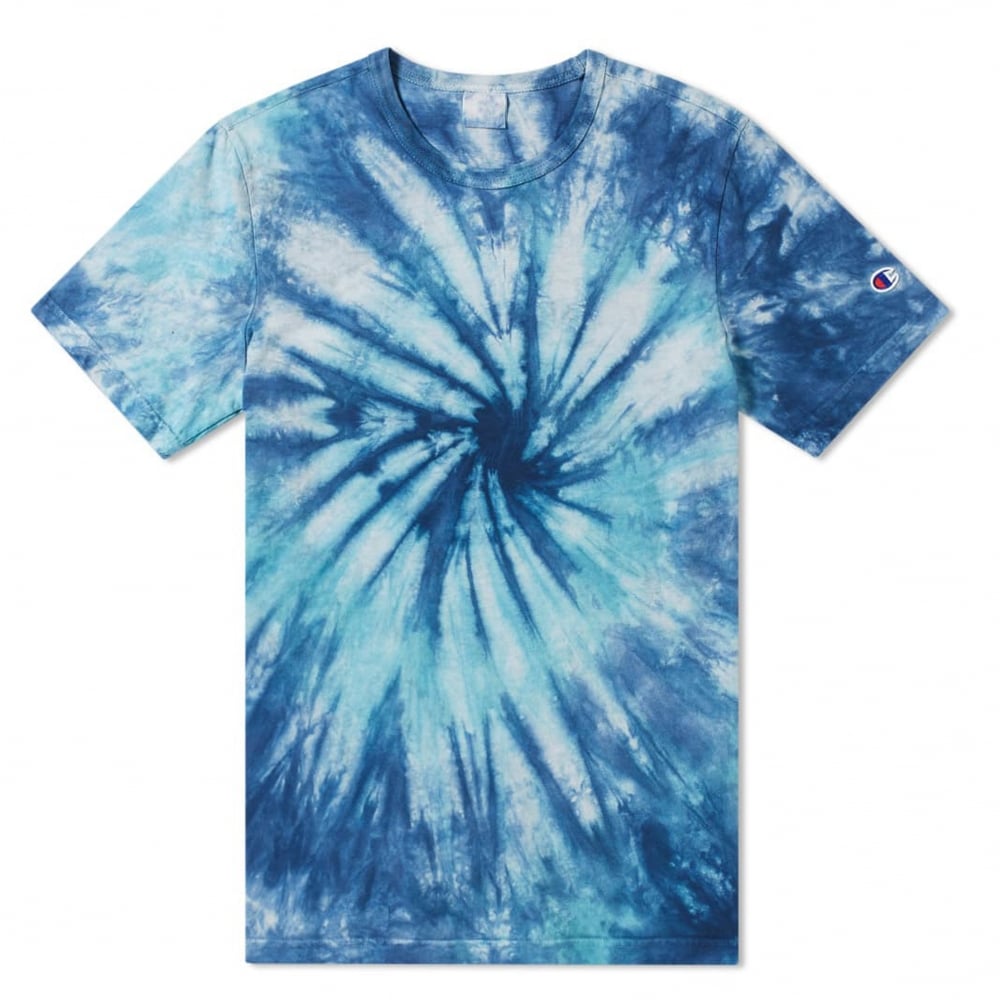
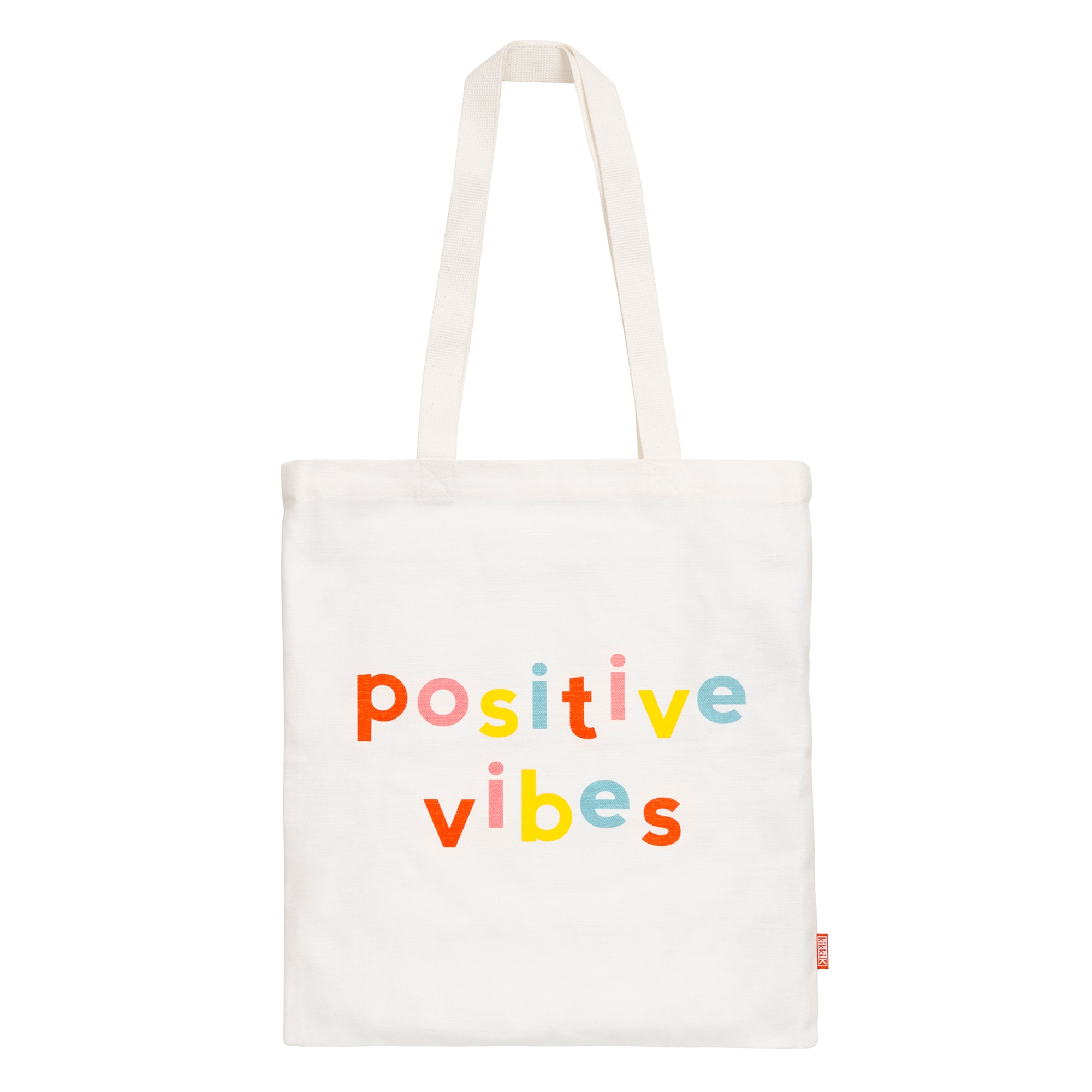
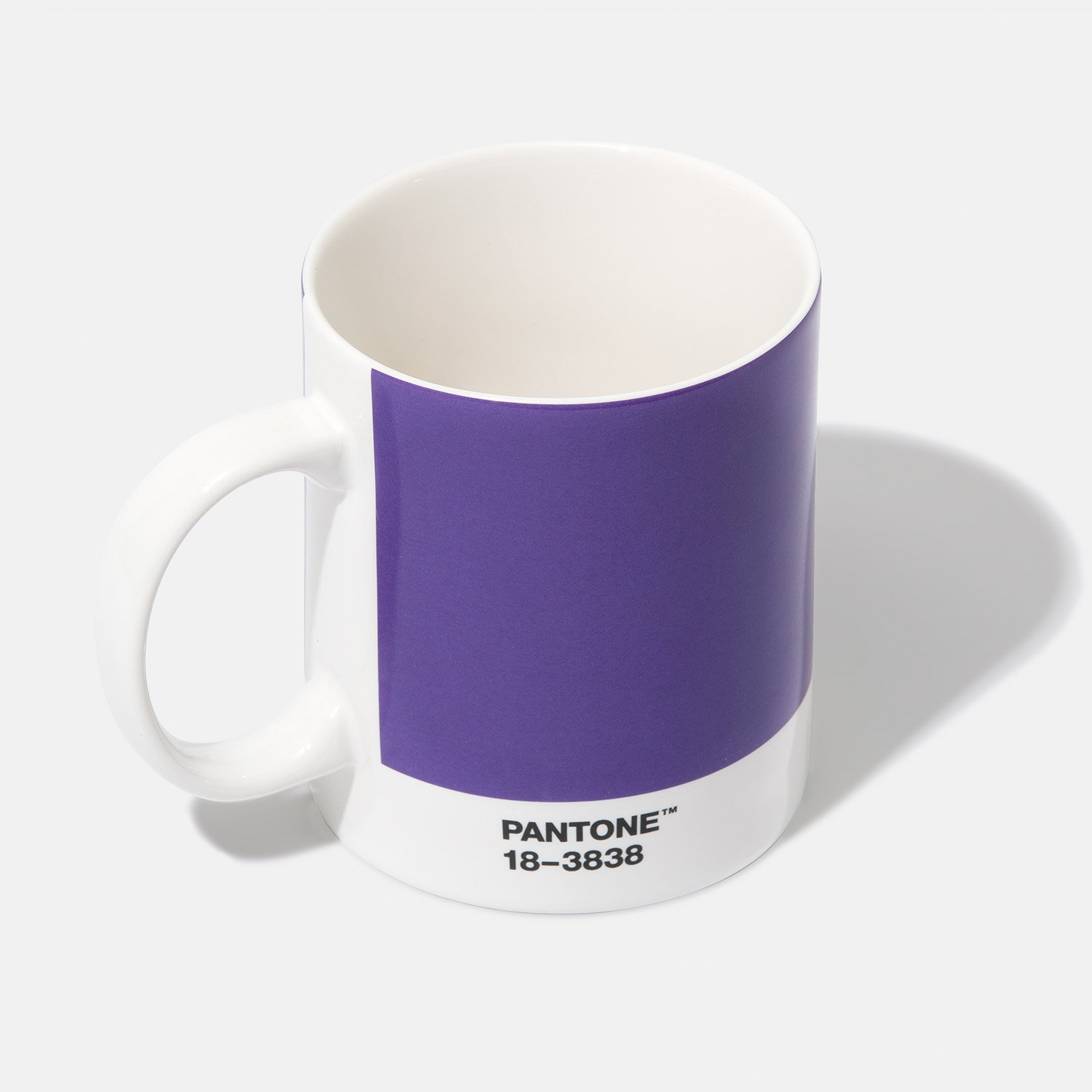
Some examples of textiles include (hint: there is more than one answer for this question):

What do we use natural fibres for?
To eat
To make clothes
To make blankets
To feed our pets
What are natural fibres made from?
Plants
Animals
Water
Glue


Polyester, Nylon and Acrylic are examples of:
Natural Fibres
Manufactured Fibres
What country in Africa is Adinkra from?
Nigeria
Kenya
Ghana
Algeria
Traditionally Adinkra is printed with black designs onto red fabric, what is the cloth used for?
Birthday celebrations
Wedding cloth
Funeral cloth
Bed covers
Name the material you used to make your Adinkra stamp?
Leather
Neoprene
Cotton
Sponge

What finish adds colour to fabrics?
Quilting
Beading
Brushing
Dyeing
What fabric did you use for your tie-dye design?
Felt
Cotton
Polyester
Leather
What type of decorative technique is tie-dye?
Resist technique
Wraping technique
Spiral technique
Tying technique
Select 2 items you should wear when dying fabric
Apron
Hair net
Goggles
Gloves
What 3 items you need to tie-dye fabric
Elastic bands
Spray paint
Dye
Cotton fabric

What is this piece of equipment used for
Cutting small threads/details
Creating a zig zag edge on fabric
Cutting paper
Cutting things out of fabric

What is this piece of equipment used for
Cutting small threads/details
Creating a zig zag edge on fabric
Cutting paper
Cutting things out of fabric

When using scissors it is important to:
Carry them with the point facing down and do not wave them around.
Be careful because fabric scissors are sharp.
Use paper scissors for paper, and fabric scissors for fabric.
Carry them with the point facing forward.
Use them to cut electrical cords.
Rest them in your mouth when not in use.
Always ensure they are hidden throughout the room so other students cannot find them.
Be careful because fabric scissors are sharp.
Use paper scissors to cut fabric.
Cut unused electrical cords with scissors.
Carry them with the point facing down.

Loose clothing or jewellery must be removed in Textiles because:
It may get lost.
It can get caught on machinery and hurt you.
It could have bacteria underneath.
It may be stolen.
Name 3 safety rules for using the sewing machine
Don’t go too fast
Press your foot down gently on the peddle
One person to a sewing machine
Keep your hands away from the needle when the machine is on.
When threading the sewing machine, what letter does the top thread make?
Z
N
S
Y
Before sewing your bag together on the sewing machine, you will have tacked your bag. What is tacking?
Using pins to hold your fabric together
Stapling your fabric together
Temporarily hand stitching fabric together
Glue fabric together
Why do you need to use a tacking stitch before using the sewing machine to sew your bag?
To decorate your bag before you sew it together
To hold the fabric together before you sew on the sewing machine
To stitch the bag together in the final bag shape
In the textiles workshop, a tape measure can be used to measure both straight lines and curved lines.
This is a FALSE statement.
This is a TRUE statement.

