Wayground logo

Free Printable Worksheets

Font size

S
M
L
XL
Worksheets

Bio 2 final

Total questions: 55

Worksheet time: 34mins

Name
Class
Date
1.
Which substance would a Forensic Serologist NOT identify?
a)
Semen
b)
Blood
c)
Saliva
d)
They would identify all of the three choices.
2.
A young girl is missing, and investigators find a stained article of clothing where she was last seen. Testing the stain can tell investigators if the stain was:
a)
Twenty days old
b)
Animal blood
c)
An accidental spill.
d)
Caused by the killer.
3.

Which person is considered to have possibly committed a crime?

a)

eye witness

b)

suspect

c)

detective

d)

neighbor

4.

Facts that help prove that an event took place

a)

evidence

b)

quantitative observation

c)

physical change

d)

sabotage

5.
Which of the following is a term for a group of similar organisms that can reproduce fertile offspring?
a)
individual
b)
population
c)
species
d)
fossil
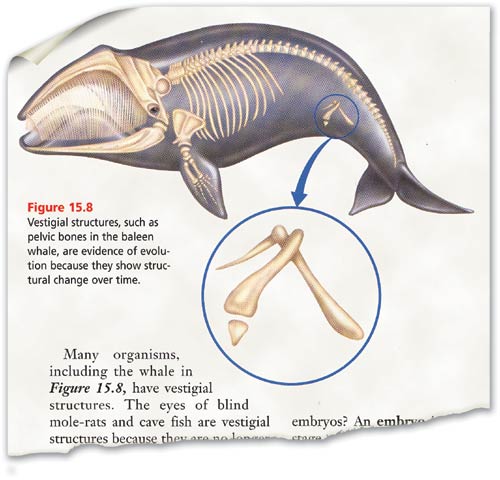
6.
If an organism has a vestigial structure, that structure likely once had a function in a(n)
a)
close relative
b)
early ancestor
c)
unrelated organism
d)
embryological stage
7.
Mutations are important because they bring about
a)
death of the organism in which they develop
b)
genetic variation needed for a population to evolve
c)
benefits for the individual, not for the population
d)
Hardey-Weinberg equilibrium within a population
8.
Extinction can occur because of which of the following?
a)
All can be causes of extinction.
b)
Increased competition with other species
c)
New predators within the environment
d)
Loss of habitat and/or catastrophes
9.
Finches on the Galapagos Islands had different beaks in order to help them do what?
a)
Build nests
b)
Fight off predators
c)
Collect food sources
d)
Compete with rivals
10.
This scientist came up with the idea of natural selection.
a)
Jean Baptiste Lamarck
b)
Gregor Mendel
c)
Charles Darwin
d)
Thomas Malthus
11.
Inherited trait that helps an organism survive is a(n) __________.
a)
Fossil
b)
Adaptation
c)
Ancestor
d)
Natural selection
12.
Survival of the fittest or when favorable adaptations reproduce faster is called what?
a)
Evolution
b)
Adaptation
c)
Natural selection
d)
Fossilization
13.
This occurs when no more of a species is living.
a)
Fossilization
b)
Adaptation
c)
Extinction
d)
Natural selection
14.
Structures with the same parts have different functions; suggests that organisms share a common ancestry
a)
vestigial structures
b)
homologous structures
c)
adaptive radiation
d)
fossil
15.
Which of the following is an example of a vestigial structure?
a)
the wings of a red-tailed hawk
b)
the hind limbs of a house cat
c)
the fins of sharks
d)
the tailbone of a human
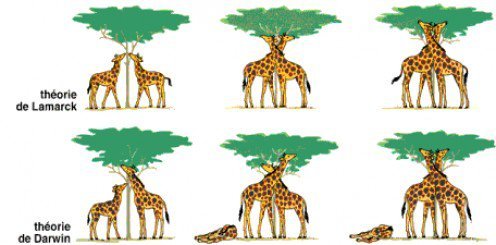
16.
What would happen if the Giraffes never evolve?
a)
they would survive
b)
They would thrive
c)
They would become extinct
d)
They will find another source of food
17.

Evolution is best defined as:

a)

the process which organisms die.

b)

the process which organisms change over time.

c)

the process which organisms that are extinct become revived.

d)

the process which non-living things fossilize.

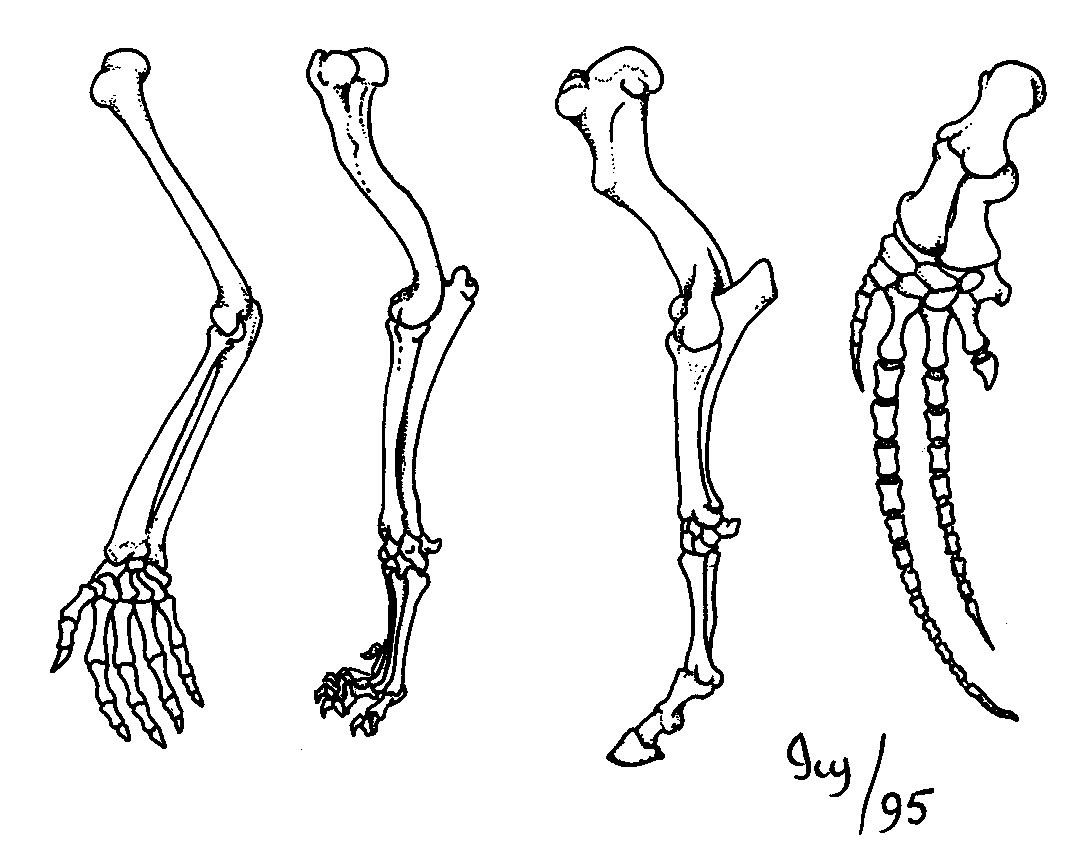
18.

What type of evidence are shown in the picture above?

a)

Fossils

b)

Embryology

c)

Homologous Structures

d)

Vestigial Structures

19.

Which scientist is known for his work that he did on the Galapagos Islands to develop his theory of natural selection?

a)

Gregor Mendel

b)

Charles Darwin

c)

Anton Van Leewenhoek

d)

Robert Brown

20.
Which one is NOT an example of a decomposer?
a)
mushroom
b)
leaves
c)
mold
d)
worm
21.
Examples of a producer
a)
frog
b)
algae
c)
worm
d)
mouse
22.
Example of a decomposer
a)
fungus
b)
mouse
c)
plants
d)
frogs
23.
A tree is a ....
a)
composer
b)
decomposer
c)
producer
24.
What is a herbivore?
a)
an animal that gets energy from eating other animals
b)
an organism that gets energy from eating only plants
c)
an animal that gets energy by eating both plants and other animals
d)
an animal that eats only herbs
25.
An animal that gets energy from eating both plants and animals is a 
a)
herbivore
b)
carnivore
c)
omnivore
d)
autotroph
26.
What is this called?
a)
Food Web
b)
Food Chain
c)
Abiotic Factors
27.
All of the living and nonliving things in an area that interact with each other are called a/an ______.
a)
community
b)
habitat
c)
population
d)
ecosystem
28.
An individual belonging to a specific species
a)
Biotic
b)
Community
c)
Organism
d)
Reptile
29.
An area where an organism finds food, shelter and water in a specific arrangement
a)
niche
b)
biosphere
c)
biome
d)
habitat
30.
The living part of an ecosystem
a)
Biotic
b)
Abiotic
c)
Mother Earth
d)
Flowers
31.
The non-living part of an ecosystem
a)
Ocean
b)
Lava Flow
c)
Birds
d)
Abiotic
32.
The study of how living things interact with one another and with their environment.
a)
Biology
b)
Lithology
c)
Ecology
d)
Farmacology
33.
Two or more members of a particular species living and interacting in the same area
a)
Community
b)
Population
c)
Organisms
d)
Biosphere
34.
Different populations living and interacting with each other in the same area
a)
Biome
b)
Ecosystem
c)
Community
d)
Niche
35.
How many categories of finger prints are there?
a)
1
b)
2
c)
3
d)
4
36.
Not everyone's fingerprints are unique?
a)
True
b)
False
37.
The ridges on your finger tips stay the same throughout your life?
a)
True
b)
False
38.
65% of the population has this type of pattern
a)
loops
b)
whorls
c)
arches
d)
ripples
39.
30% of the population has this type of pattern
a)
loops
b)
whorls
c)
arches
d)
ripples
40.
5% of the population has this type of pattern
a)
loops
b)
whorls
c)
arches
d)
ripples
41.
What is the study of bodily fluids called?
a)
toxicology
b)
serology
c)
physiology
d)
histology
42.
There are how many blood types in the ABO system?
a)
2
b)
3
c)
4
d)
5
43.
No two people have exactly the same fingerprints.
a)
True
b)
False
44.
Which of the following is NOT a characteristic part of a person's fingerprint?
a)
Loops
b)
Circles
c)
Whirls
d)
Arches
45.

What can blood spatter evidence tell you?

a)

the weapon used

b)

handedness of the assailant

c)

the order of the events

d)

angle of impact

e)

all of the above

46.

How are you able to determine the height of the perpetrator?

a)

measuring the angle of impact

b)

checking the source of origin

c)

finding the area of convergence

d)

location of the blood spatter

e)

all of the above

47.
What blood stain pattern is created or formed by the force of gravity acting alone?
a)
Passive Drop
b)
Low Velocity Impact Spatter
c)
Flow Pattern
d)
Drip Pattern
48.
What blood spatter pattern is seen in the picture?
a)
Flow Pattern
b)
Low Velocity Impact Spatter
c)
Pool
d)
Drip Pattern
49.
What blood spatter pattern is seen in the photo?
a)
Flow Pattern
b)
Arterial Spurt
c)
Low Velocity Impact Spatter
d)
Pool
50.
What blood spatter pattern is seen in the picture?
a)
Low Velocity
b)
Cast-Off
c)
Arterial Spurting
d)
Medium Velocity
51.
What bloodstain pattern is created when blood is released or thrown from a blood-bearing object?
a)
Cast-Off
b)
Walking Drip
c)
Medium Velocity
d)
Void
52.
What type of blood spatter is typically created from a gunshot?
a)
Medium Velocity
b)
High Velocity
c)
Cast-Off
d)
Void
53.
What blood spatter pattern is seen in the picture?
a)
Cast Off
b)
Medium Velocity
c)
Void
d)
High Velocity
54.
What pattern of blood spatter is this?
a)
arterial gushes
b)
splash
c)
smear
d)
pool
55.
What bloodstain pattern is created when blood is released or thrown from a blood-bearing object?
a)
Cast-Off
b)
Walking Drip
c)
Medium Velocity
d)
Void