

wayground logo

Free Printable Worksheets

NEW

Font size

S
M
L
XL
Worksheets

Physical vs Chemical changes and properties

Total questions: 50

Worksheet time: 36mins
Name
Class
Date
1.
Which of the following is a sign that a chemical reaction has occurred?
a)
change in shape
b)
melting
c)
formation of a gas
d)
dissolving
2.
Is melting butter for popcorn a chemical or physical change?
a)
chemical
b)
physical
3.
A solid piece of chocolate is melted and changed to liquid form. Which property of the piece of chocolate will remain the same?
a)
Texture
b)
Temperature
c)
Shape
d)
 Mass
4.
Which of the following is NOT an example of a physical change?
a)
crumpled paper
b)
pencil sharpening
c)
shrunken clothing
d)
rust
5.
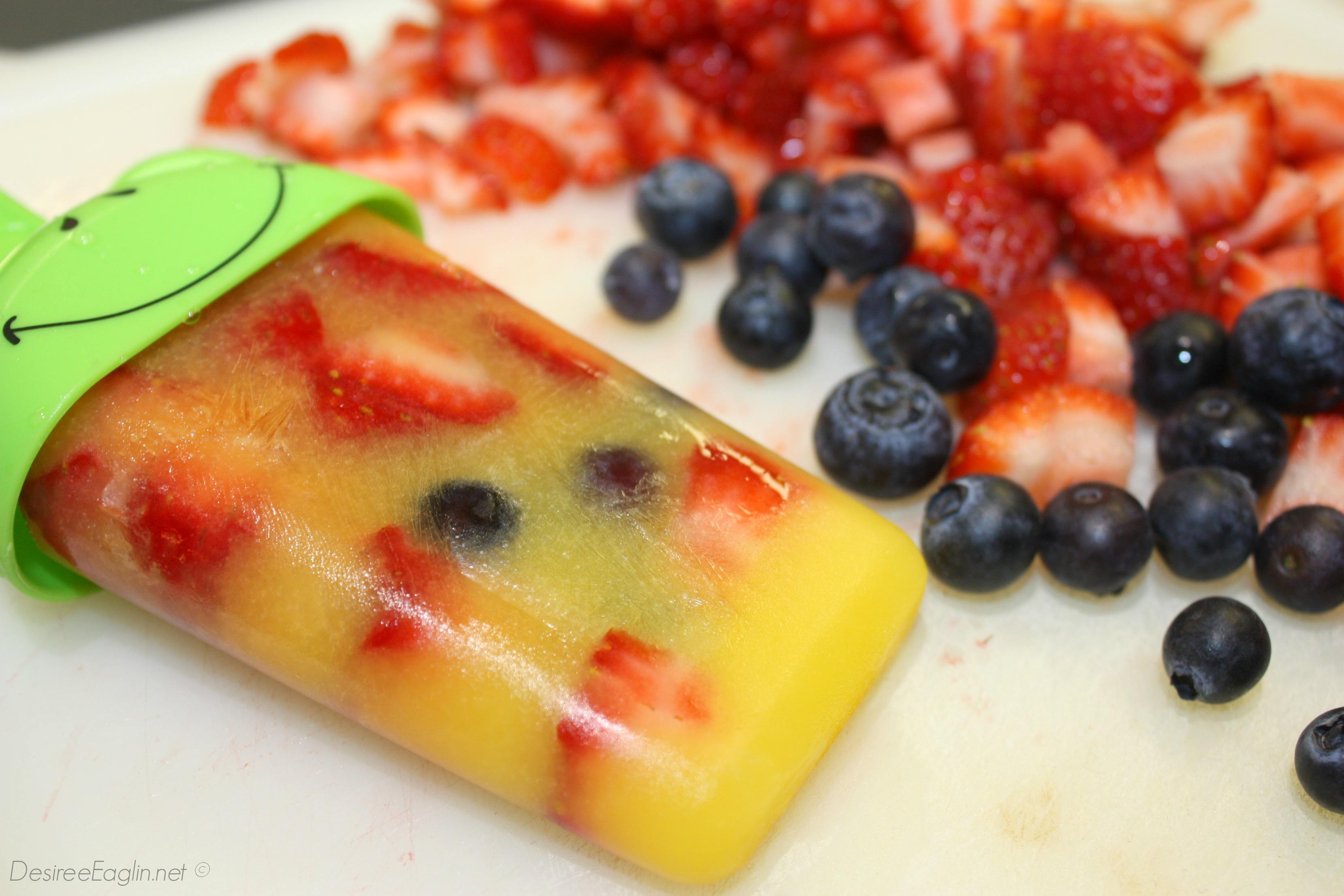
Freezing Juice?
a)
Physical Change
b)
Chemical Change
6.
A change where one or more new substances are created.
a)
Physical Change 
b)
Chemical Change 
7.
Change in color is a physical change.
a)
True
b)
False
8.
Change in density is a physical change.
a)
True
b)
False
9.
Fizzing, foaming, and burning are all examples of
a)
Chemical change
b)
Physical change
10.
Rust on an iron bar is an example of chemical change.
a)
True 
b)
False
11.
What kind of properties can only be observed when a substance changes into a different substance?
a)
physical properties
b)
chemical properties
12.
Ms. Ferguson added 6 g of liquid wax to a cup that weighed 12 g. What is the weight of the cup after the wax solidifies?
a)
6 g
b)
18 g
c)
12 g
d)
24 g
13.
When you break a cracker into pieces it is a...
a)
Chemical change
b)
Physical change
14.
A mixture is the result of a physical change because...
a)
The parts can be separated
b)
A new substance is made
c)
There is a chemical reaction
d)
One part of the mixture disappears
15.
Which of these is a result of a chemical change?
a)
A mixture
b)
A solution
c)
A new substance
d)
Melting or freezing
16.
Which of these does NOT happen during a chemical change?
a)
Atomic bonds are formed or break apart
b)
New substance(s) are formed with different chemical properties
c)
The number of atoms in the reaction stays the same
d)
The chemical properties of the beginning substance(s) are the same as those of the end product(s)
17.
Which of the following is a sign that a chemical reaction has occurred?
a)
change in shape
b)
melting
c)
formation of a gas
d)
dissolving
18.
What type of substance is this?
a)
homogeneous mixture
b)
heterogeneous mixture
c)
element
d)
compound
19.
What type of a substance is this?
a)
homogeneous mixture
b)
heterogeneous mixture
c)
element
d)
compound
20.
What type of a substance is this?
a)
homogeneous mixture
b)
heterogeneous mixture
c)
element
d)
compound
21.
What type of a substance is this?
a)
homogeneous mixture
b)
heterogeneous mixture
c)
element
d)
compound
22.
Which are pure substances?
a)
b & d
b)
a & c
c)
a & b
d)
c & d
23.
Which are mixtures?
a)
b & d
b)
a & c
c)
a & b
d)
c & d
24.
A substance's ABILITY to change into a new substance is a
a)
physical property of matter
b)
chemical property of matter
c)
physical change in matter
d)
chemical change in matter
25.
A characteristic that can be measured or observed without changing the identity of the substance is a 
a)
physical property of matter
b)
chemical property of matter
c)
physical change in matter
d)
chemical change in matter
26.
A change in a substance's appearance/physical properties but does NOT result in a new substance (without changing its identity) is a
a)
physical property of matter
b)
chemical property of matter
c)
physical change in matter
d)
chemical change in matter
27.
A change that occurs when a substance changes into an entirely new substance with different properties is a
a)
physical property of matter
b)
chemical property of matter
c)
physical change in matter
d)
chemical change in matter
28.
Ice melting and glass breaking are examples of a
a)
physical property
b)
chemical property
c)
physical change
d)
chemical change
29.
Combustibility and reactivity are examples of a
a)
physical property
b)
chemical property
c)
physical change
d)
chemical change
30.
Boiling point and density are examples of a
a)
physical property
b)
chemical property
c)
physical change
d)
chemical change
31.
Paper burning and metal rusting are examples of a
a)
physical property
b)
chemical property
c)
physical change
d)
chemical change
32.
A solid substance dissolving in a liquid is evidence that a __________________ has taken place.
a)
physical change
b)
chemical change
33.
The formation of a precipitate is evidence that a _________________ has taken place.
a)
physical property
b)
chemical property
c)
physical change
d)
chemical change
34.
Calculating the density of a substance by dividing the mass by the volume is an example of exploring
a)
physical properties
b)
chemical properties
c)
physical changes
d)
chemical changes
35.
Water vaporizing is evidence that a ______________ has taken place.
a)
physical property
b)
chemical property
c)
physical change
d)
chemical change
36.
The formation of gas bubbles is evidence that a _________________ has taken place.
a)
physical property
b)
chemical property
c)
physical change
d)
chemical change
37.
Thermal energy (heat) being released or absorbed during a reaction is evidence that a _______________ has taken place.
a)
physical property
b)
chemical property
c)
physical change
d)
chemical change
38.
Investigating the boiling point of a substance is an example of exploring
a)
physical properties
b)
chemical properties
c)
physical changes
d)
chemical changes
39.
Testing the flammability of a substance is an example of exploring
a)
physical properties
b)
chemical properties
c)
physical changes
d)
chemical changes
40.
Separating a mixture is an example of a
a)
physical property
b)
chemical property
c)
physical change
d)
chemical change
41.
A change in color as a new substances is forming is evidence that a _________________ it taking place.
a)
physical property
b)
chemical property
c)
physical change
d)
chemical change
42.

Describing an object in terms of a measurement such as length is an example of a

a)

physical property

b)

chemical property

c)

physical change

d)

chemical change

43.
In which state of matter do particles move freely because they have enough energy to overcome attractive forces of particles (but NOT the forces that hold the atoms together)?
a)
solids
b)
liquids
c)
gases
d)
plasma
44.
In which state of matter do particles vibrate in place because they do not have enough energy to overcome attractive forces?
a)
solid
b)
liquid
c)
gas
d)
plasma
45.
In which state of matter do particles slide past one another because they have enough energy to overcome SOME of their attractive forces?
a)
solid 
b)
liquid
c)
gas
d)
plasma
46.
Which shows the movement of particles when a substance vaporizes?
a)
a to b
b)
b to c
c)
b to a
d)
c to b
47.

In the diagram, atoms in molecules break apart and rejoin to form different molecules. This is an example of a

a)

physical property of matter

b)

physical change in matter

c)

chemical property of matter

d)

chemical change in matter

48.

In the image, the molecular characteristics of each state are described. This is an example of

a)

physical properties of matter

b)

physical changes in matter

c)

chemical properties in matter

d)

chemical changes in matter

49.

The diagram illustrates changes occurring in a substance due to heat being removed/added. This is an example of a

a)

physical property of matter

b)

physical change in matter

c)

chemical propery of matter

d)

chemical change in matter

50.

Density is a ratio of mass to volume; higher density substances have more mass in a given amount of space. Which material is the MOST dense?

a)

Material A

b)

Material B

c)

Material C
