
 Worksheets
BIOLOGY IS FUN!
Total questions: 55
Worksheet time: 31mins
Name
Class
Date
1.
How do Amphibians breath?
a)
Gills
b)
Blow Hole
c)
Gills and Lungs
d)
Lungs
2.
Do fish lay eggs or give birth?
a)
Give Birth
b)
Lay Eggs
3.
What is a vertabrate?
a)
An animal that has a spinal cord or backbone
b)
An animal that has lungs
c)
A human that can play Soccer
d)
An animal that has bones
4.
What is a invertabrate?
a)
An animal lacking a backbone
b)
An animal that has a spinal cord
c)
A person that has a jaw
d)
An animal or person that has lungs
5.
Body covering of a mammal?
a)
Fur
b)
Scales
c)
Fur and skin
d)
Skin and Scales
6.
Where does the energy from an ecosystem come from?
a)
Trees
b)
Sun
c)
Plants
d)
Water
7.
Are Amphibians cold or warm bloddedd
a)
Cold
b)
Warm
8.
What does cold blooded mean?
a)
They are always cold blooded
b)
They switch there blood temperature in different seasons
c)
Is warm blooded
d)
Has no blood
9.
Which of these animals have a back bone or spinal cord?
a)
Scorpions
b)
Snakes
c)
Jelly Fish
d)
Krill
10.
What are the 3 mineral nutrients found in an ecosystem?
a)
Calcium, Chloride, Phosphorus
b)
Carbohydrates, Sodium, Potassium
c)
Potassium, Sulfur, Phosphorus
d)
Carbon, Nitrogen, Phosphorus
11.
The scientific name for an organism is made from the:
a)
class and family name
b)
genus and species name
c)
domain and kingdom name
d)
kingdom and phylum name
12.
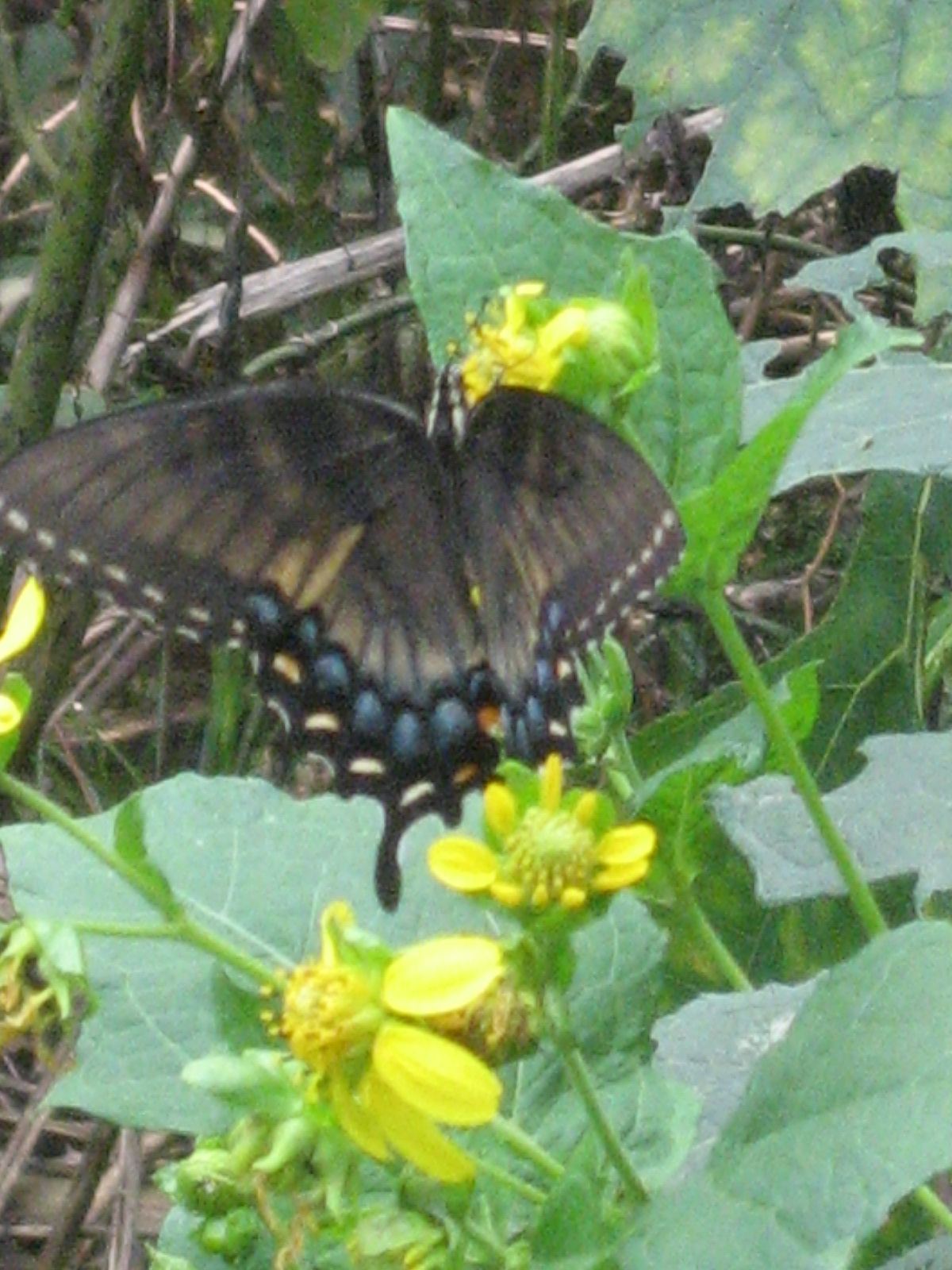
The 8 levels of classification, most broad to most specific.
a)
Domain, Genus, Family, Order, Class, Phylum, Kingdom, Species
b)
Domain, Species, Kingdom, Genus, Phylum, Family, Class, Order
c)
Domain, Kingdom, Phylum, Class, Order, Family, Genus, Species
d)
Order, Kingdom, Species, Domain, Phylum, Family, Class, Genus
13.
Term given to describe the 2 name naming system is:
a)
dichotmous key
b)
binomial nomenclature
c)
2 scientific names
d)
binomial key
14.
Who first proposed binomial nomenclature as a way of classifying organisms?
a)
Carl Linnaeus
b)
Carl's Jr.
c)
Charles Darwin
d)
Henry Groseclose
15.
Cells that do not have a true nucleus are called....
a)
eukaryote
b)
prokaryote
c)
unicellular
d)
multicellular
16.
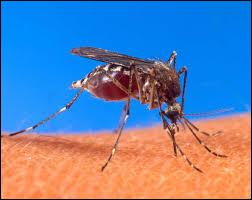
Mosquito belongs to what kingdom?
a)
Animal Kingdom
b)
Plant Kingdom
c)
Fungi Kingdom
d)
Protista Kingdom
17.
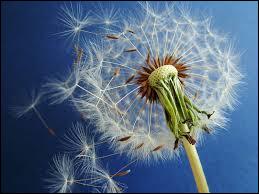
Dandelion, What kingdom does it belongs to?
a)
Plant Kingdom
b)
Animal Kingdom
c)
Fungi Kingdom
d)
Protista Kingdom
18.
The science of describing, classifying, and naming living things is called:
a)
Geology
b)
Biology
c)
Taxonomy
d)
Chemistry
19.
The scientific name for an organism is made from the:
a)
class and family name
b)
genus and species name
c)
domain and kingdom name
d)
kingdom and phylum name
20.

An illustration and a dichotomous key are given. What is the correct classification for this organism?
a)
Class Insecta
b)
Order Amblygygi
c)
Order Araneae
d)
Order Scorpiones
21.

Which 2 organisms would be able to reproduce and produce fertile offspring?
a)
2 organisms in the same class
b)
2 organisms in the same family
c)
2 organisms in the same genus
d)
2 organisms in the same species
22.
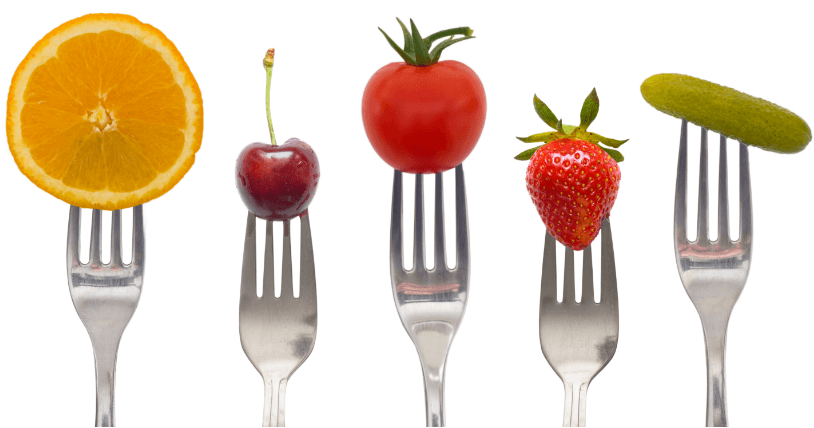
You get the energy you need for your daily activities from the food you eat.
a)
True
b)
False
23.
To be healthy, you have to cut all the fat from your diet.
a)
True
b)
False
24.

The Nutrition Facts label shows you how much of each food you should eat.
a)
True
b)
False
25.
___________ is a mineral that helps regulate blood pressure.
a)
potassium
b)
iron
c)
minerals
d)
zinc
26.
To avoid health problems you should eat _________ and __________
a)
candy and cake
b)
fruits only
c)
vegetables only
d)
fruits and vegetables
27.
Starches are _________ made up of simple sugars
a)
saturated fats
b)
sugars
c)
fats
d)
carbohydrates
28.
The ___________ group is largest block on the Food Guide Pyramid.
a)
Fats
b)
Proteins
c)
Minerals
d)
Carbohydrates
29.
__________ can be found in liquid or solid form, like butter or margarine.
a)
Proteins
b)
Carboydrates
c)
Water
d)
Fats
30.
nutrients used for building, maintaining and repairing tissues and cells
a)
proteins
b)
fats
c)
carbohydrates
d)
water
31.
nutrients that store energy and some vitamins; helps produce hormones
a)
water
b)
fats
c)
minerals
d)
vitamins
32.
organic compounds found in fresh fresh fruits, vegetables and nuts
a)
minerals
b)
fats
c)
carbohydrates
d)
vitamins
33.
foods that are high in fat also have more of these
a)
fats
b)
proteins
c)
calories
d)
sugar
34.

Name this food
a)
Egg
b)
Spoon
c)
Bread
d)
Peas
35.
what is the cause of night blindness?
a)
less intake of vitamin A
b)
less intake of vitamin B
c)
less intake of vitamin C
d)
less intake of vitamin K
36.
Taking vitamin B may help in the formation of red blood cells and prevent form anaemia.
What is the main source of vitamin B?
What is the main source of vitamin B?
a)
tomatoes
b)
nuts
c)
cabbage
d)
liver
37.
Eat a lot of seeds, nuts, vegetable oil and egg yolk can maintain fertility.
Which vitamin those food fall on?
Which vitamin those food fall on?
a)
Vitamin K
b)
Vitamin E
c)
Vitamin D
d)
Vitamin B
38.

Picture shows a diseases because of lack of iodine in food.
What is the name of the diseases?
What is the name of the diseases?
a)
Ricket
b)
Goitre
c)
Osteoporosis
d)
Pellagra
39.
What is the importance of water?
a)
about 30% of our body is made up of water
b)
water acts as solvent for many chemicals
c)
water lose during urine, sweat and exhaled air
40.
Benedict's test is the name of the test for glucose.
What is the observation from the test?
What is the observation from the test?
a)
brick-red precipitate
b)
blue-black solution
c)
white precipitate
d)
milky solution
41.
Millon's test is the test for _____
a)
Starch
b)
Glucose
c)
Proteins
d)
fats
42.

Where do all life forms get their energy?
a)
Earth's Core
b)
Water
c)
Plants
d)
The Sun
43.
What is a food chain?
a)
A long chain made of food
b)
A list of ingredients used to cook food
c)
How animals depend on plants and animals to survive
44.
What do you call an animal that hunts and eats other animals?
a)
Prey
b)
Producer
c)
Predator
d)
Decomposer
45.
Which is an example of a producer?
a)
A Human
b)
A Spider
c)
A Tree
d)
A Caterpillar
46.
1st level consumers are:
a)
Producers
b)
Herbivores
c)
Decomposers
d)
Carnivores
47.

Which organism do the owl and the weasel compete for in the food web?
a)
Hawk
b)
Spider
c)
Grasshopper
d)
Shrew
51.

An animal that is hunted and eaten for food is a
a)
predator
b)
prey
c)
population
49.
An animal that eats plants rather than other animals is called:
a)
Meat Eater
b)
Carnivore
c)
Herbivore
d)
Omnivore
50.
What do Omnivores eat?
a)
Meat
b)
Plants
c)
Meat and plants
d)
Only meat
51.
An animal that is hunted and eaten for food is a
a)
predator
b)
prey
c)
population
52.

How many carnivores are shown in this food web?
a)
6
b)
4
c)
5
d)
3
53.
Which one is NOT an example of a decomposer?
a)
mushroom
b)
leaves
c)
mold
d)
worm
54.
How many carnivores are shown in this food web?
a)
6
b)
4
c)
5
d)
3
55.

Which of the following would be the most likely effect, if there were a sudden increase in the cricket population?
a)
There would be a decrease in the small bird population.
b)
There would be a decrease in the grass/flowers population.
c)
There would be a decrease in the mice population.
d)
There would be an increase in the grass/flowers population.
100 %

