Wayground logo

Free Printable Worksheets

Font size

S
M
L
XL
Worksheets

Earth, moon, and Tides

Total questions: 44

Worksheet time: 38mins
Name
Class
Date
1.
How does the Moon move around the Earth?
a)
The Moon revolves around the Earth
b)
The Moon revolves around the Sun
c)
The Moon revolves around the Earth and rotates on it’s axis at the same rate
d)
The Moon revolves around the Sun and rotates around the Earth at the same rate
2.
How long does it take the Moon to move around the Earth?
a)
29.5 days
b)
27.5 days
c)
23.5 days
d)
30 days
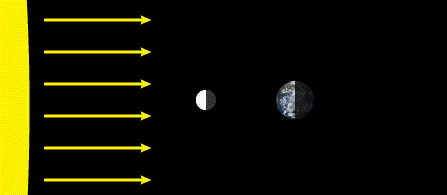
3.
Why do we see phases of the Moon?
a)
Changing angles of the Earth, Moon, and Sun 
b)
Moon’s revolution around the Earth
c)
The views of light and dark on the Moon as visible from Earth
d)
All answer choices are correct
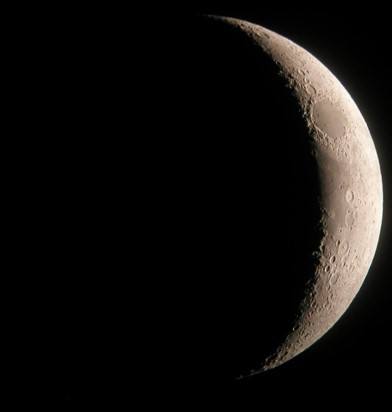
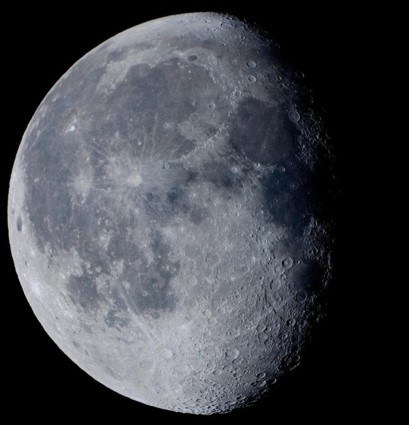
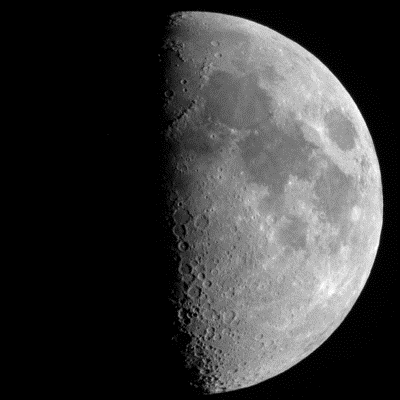
4.
Name this phase
a)
New Moon
b)
First Quarter
c)
Last Quarter
d)
Full Moon
5.
Name this phase
a)
Waxing Crescent
b)
Waxing Gibbous
c)
Waning Crescent
d)
Waning Gibbous
6.
Name this phase
a)
Waxing Crescent
b)
Waxing Gibbous
c)
Waning Crescent
d)
Waning Gibbous
7.
Name this phase
a)
Waxing Gibbous
b)
First Quarter
c)
Waning Gibbous
d)
Last Quarter
8.
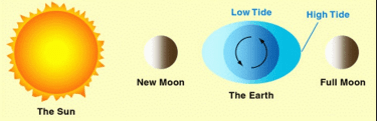
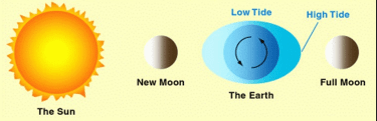
Which tide occurs during the Full or New Moon phase?
a)
Spring Tide
b)
Neap Tide
9.
Which tide occurs during the Full or New Moon phase?
a)
Lower high tides
b)
Highest high tides
10.
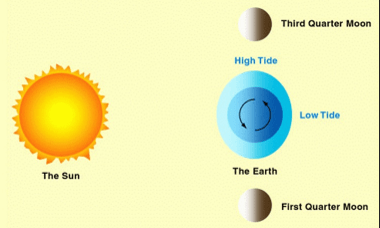
Which tide occurs during the quarter Moon phases?
a)
Spring Tide
b)
Neap Tide
11.
Which tide occurs during the quarter Moon phases?
a)
Highest high tide
b)
Lower high tide
12.
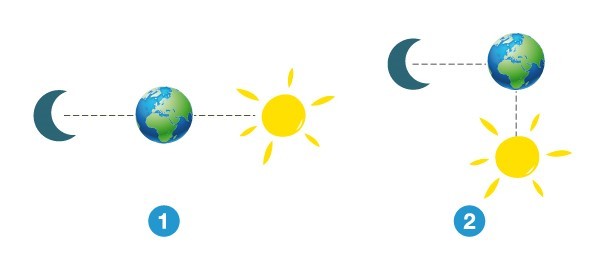
Which Sun, Earth, Moon alignment will produce the highest tides due to tidal forces (gravity)?
a)
Picture 1
b)
Picture 2
c)
neither alignment produces highest tides
d)
both alignments produce equally high tides
13.
A student begins keeping a moon journal each night for science class. The first night of recording is a Last Quarter moon. What is the next phase visible that the student documents in their journal?
a)
Waxing crescent moon
b)
Waning crescent moon
c)
Waxing gibbous moon
d)
Waning gibbous moon
14.

What is the cause for the tides?

a)

The Earth's revolution around the sun

b)

The Earth floating aimlessly through space

c)

The gravitational pull of the moon and sun

d)

Mars

15.

Choose the correct order of the moon phases.

a)

Full, waning crescent, first quarter, waning gibbous, new

b)

Full, waxing crescent, first quarter, waxing gibbous, new

c)

New, waxing crescent, first quarter, waxing gibbous, full

16.

What is the cause of the seasons?

a)

The Moon's tilt

b)

The Sun's rotation

c)

The Earth's revolution around the Sun

d)

The Earth's tilt

17.
What are the reasons for the season?
a)
Earth's tilt & rotation
b)
Earth's tilt & revolution
c)
Earth's rotation & rovolution
d)
Earth's tilt & resolution
18.
What causes there to be longer number of hours of light during the summer
a)
Earth tilt's away from the sun in summer
b)
Earth's revolves slower in summer
c)
Earth tilts toward the sun in summer
d)
Earth is closer to the sun
19.
Why is the Equator warmest?
a)
Because it is closest to the sun.
b)
Because it receives the most direct sunlight
c)
Because no clouds form here.
d)
Because it is far from the sun
20.
Which season is taking place in the Northern Hemisphere in Position 2?
a)
Winter
b)
Spring
c)
Summer
d)
Fall
21.
Which season is taking place in the Northern Hemisphere in Position 1?
a)
Winter
b)
Spring
c)
Summer
d)
Fall
22.
Which season is taking place in the Northern Hemisphere in Position 4?
a)
Winter
b)
Spring
c)
Summer
d)
Fall
23.
One major difference between the Earth and the Moon is:
a)
the Earth does not have an atmosphere.
b)
The Earth is much smaller than the Moon.
c)
The Moon is much older than the Earth.
d)
The Moon does not have plate tectonics.
24.
In general, planets that have a greater number of craters on their surface are:
a)
younger.
b)
bigger.
c)
older.
d)
more dense.
25.
As you move further away from the center of the solar system:
a)
the planets get smaller.
b)
the planets get less dense.
c)
the planets get warmer.
d)
all of the above.
26.

Planetary differentiation occurs because of what property of matter?

a)

convection

b)

density

c)

mass

d)

volume

27.

A material with a __________ density will be located ____________ of a planet.

a)

high; on the surface

b)

low; in the middle

c)

low; on the surface

d)

low; in the center

28.

How was the moon formed?

a)

The moon has always been there

b)

Giant impact

c)

Capture of an asteroid

d)

A great wizard magically made it

29.

Maria is...

a)

lines created by a meteorite impact.

b)

a large hole on the moon's surface.

c)

the dark, smooth spots on the moon's surface.

d)

My grandmother's name.

30.
What are the three steps of the current explanation for the formation of the moon?
a)
impact, ejection, formation
b)
impact, explosion, creation
c)
explosion, ejection, formation
31.

A solar eclipse only happens during a ________ moon.

a)

New

b)

Full

c)

Crescent

d)

Gibbous

32.

Which of the following is not true about a total solar eclipse?

a)

When it happens, the moon blocks all of the sun except the corona

b)

It is dangerous to look at without the proper device

c)

It can be viewed once a year from every spot on earth

d)

You must be within the moon's umbra to see it

33.

What must happen in order for there to be an eclipse?

a)

the sun, earth, and moon must perfectly align

b)

The earth must be higher than the sun and moon

c)

A full moon occurs

d)

The moon must be beside the earth

34.

What type of eclipse is this?

a)

Solar eclipse

b)

Lunar eclipsee

35.

During a solar eclipse...

a)

The sun is blocked by the moon

b)

The moon is blocked by the sun

c)

The Earth is blocked moon

36.

What is a solar eclipse?

a)

The Earth fades.

b)

The moon moves away from the Sun and earth

c)

When the Moon passes between the Sun and Earth

d)

When the Sun passes between the Earth and Moon.

37.

When do solar eclipse occur?

a)

During a full moon

b)

During a half moon

c)

During a new moon

d)

during a #rd quarter moon.

38.
What type of eclipse occurs when the moon blocks the sun's light and cast a shadow on earth?
a)
solar
b)
lunar
39.
What type of eclipse occurs when the earth's shadow is cast on a full moon?
a)
solar
b)
lunar
40.
What type of eclipse is being shown in the diagram?
a)
Total solar eclipse
b)
Total lunar eclipse
c)
partial solar eclipse
d)
partial lunar eclipse
41.

Rotation causes

a)

Day and night

b)

A year

c)

The seasons

d)

Snow

42.

What is the cause of seasons. Choose all that apply.

a)

Our rotation

b)

23.5 degree tilt on axis

c)

Our distance from the sun

d)

The Revolution around the sun

e)

The Sun changes temperature

43.

At which point is the northern hemisphere experiencing summer?

a)

A

b)

B

c)

C

d)

D

44.

During the summer months for us, where does the Sun's rays strike most directly?

a)

Northern Hemisphere

b)

Southern Hemisphere

c)

Equator