
 Worksheets
Living Planet Review
Total questions: 71
Worksheet time: 4hrs 56mins
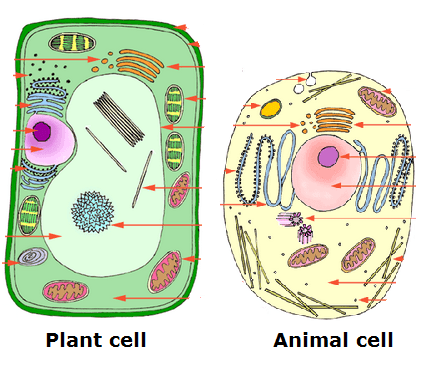
What distinguishes a plant cell from an animal cell? (How do you tell them apart) Hint: There's 3 ways (Check all 3)
Central Vacuole
Mitochondria
Cell Wall
Ribosomes
Chloroplasts

The 3 parts of the Cell Theory are...?
All living things are composed of cells
Cells are the basic units of structure and function in living things
All cells are produced from other cells
All living things are composed of cells
Cells are the basic units of dance and vibes in living things
All cells are destroyed from other aliens
All living things are composed of Jell-O
Cells are the basic units of structure and function in living things
All cells are produced from factories in Canada
All living things are composed of cells
Cells do karate and practice eating whole pies in their free time
All cells are produced from other cells

Cellular Respiration occurs within me and I am in BOTH plant and animal cells. I am a....
Nucleus
Golgi Body
Cytoskeleton
Mitochondria

The Golgi Apparatus/Body is responsible for doing what within a cell?
gathers simple molecules
gathers simple molecules and combines them to make lysosomes
gathers simple molecules and combines them to make molecules that are more complex
gathers simple molecules and combines them to make molecules that are more fun than others

I like to be thought of as the "storage bubble" for both plant and animal cells. I am a...
Cell Membrane
Cytoskeleton
Vacuole
Endoplasmic Reticulum

I am the "brain" of the cell or the "control center" for everything happening within the cell. I am a...
Golgi Body/Apparatus
Nucleus
Ribosome
Lysosome

Photosynthesis takes place within me. I am a...
Mitochondria
Cell Wall
Chlorine
Chloroplast

I am often referred to as the "packaging system" within a cell. I "package" proteins and ship them to the Golgi Body. I am a...
Cytoplasm
Endoplasmic Reticulum
Baconidis
Golgi Body

I decide what goes in and out of the cell. I am fluid like and found in BOTH plant and animal cells. I am a...
Cell Wall
Cell Membrane
Cytoplasm
Golgi Apparatus

I provide plant cells their rigid shape. I am the...
Basketball that Nic Quarne left in Mr. Woller's room last week
Cytoskeleton
Cell Membrane
Cell Wall

I am found in a plant cell and I provide a "central" and LARGE amount of storage. I am a...
Central Vacuole
Cytoplasm
Central Membrane
Mitochondria
Animal and Plant Cells are...
Shopkoytes
Eukaryotes
Prokaryotes
The building blocks of non-living things


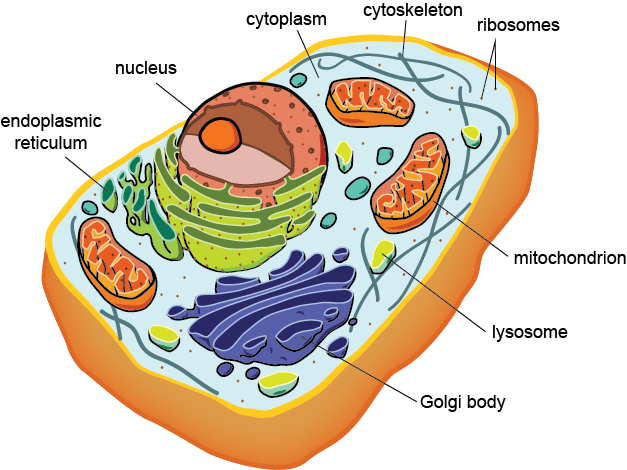
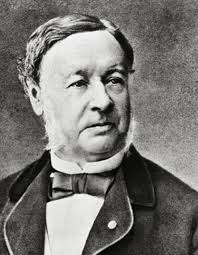

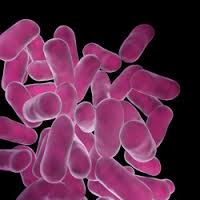

Groups of different tissues working together to perform a particular function are called . . .
compound tissues
macromolecules
organ systems
organs

This image is an example of a(n) . . .
organ
organ system
specialized cell
tissue

Groups of similar cells that work together to carry out a specific task are called . . .
cell systems
nucleic acids
organs
tissues

This image is an example of a(n) . . .
organ
organ system
specialized cell
tissue
Which of these images represents a specialized cell?


You need a sharp pencil for Biology drawings?
You should make your drawing as large as possible?
True or False?
When drawing biological diagrams, you can use a pen (as long as it's a black ball point pen)
True
False
True or False?
When labelling the diagram you should use arrow to show the points of interest
True
False
You should draw a clear, continuous outline for what you are drawing
Sketching the lines is allowed

What is an adaptation?
A feature or behavior that helps an animal survie.
The food that an animal eats.
How energy moves in a food web.



Which of the following is not one of the kingdoms in the 6 kingdom system.
Monera
Eubacteria
Animalae
Protista
Plantae

Which of the following characteristics is used when determining whether to place an animal in the vertebrate group or the invertebrate group?
Ability to walk on two legs
Presence of a spinal cord
Method of respiration (lungs or gills)
Flow of blood through the body

What questions can be used to sort fish, such as a bass, from amphibians, such as an adult frog?
Does the organism use gills to breathe?
Does the organism eat insects?
Is the organism able to move around?
Does the organism lay eggs?

Which of the following questions could we ask to distinguish a mammal, such as a spider monkey, from a reptile, such as a crocodile?
Does the animal have four limbs?
Does the animal lay eggs to reproduce?
Does the animal consume food for energy?
Does the animal have a backbone?

A cold-blooded vertebrate with fins and gills that lives in water.
Amphibian
Vertebrate
Mammal
Fish

Any of various warm-blooded vertebrate animals, including humans, characterized by a covering of hair on the skin and, in the female, milk-producing mammary glands for nourishing the young.
Amphibian
Vertebrate
Mammal
Fish

Any of various cold-blooded, usually smooth-skinned vertebrates, characteristically hatching as an aquatic larva with gills and then transforming into an adult having air-breathing lungs.
Amphibian
Vertebrate
Mammal
Fish

Clara made a list of organisms and classified then into two groups. What would be the best titles for these groups?
Group 1: fish, amphibian, reptile
Group 2: mollusks, arthropods
Vertebrates and invertebrates
Seed producers and vertebrates
Seed producers and invertebrates
Vertebrates and non-seed producers

Which of the following contains the largest group of organisms?
Vertebrates
Invertebrates

Organisms are typically classified into groups based on
features they have in common (the same)
if they are dead or alive
only if the produced seeds or not
only if they have backbones or not

Which of the following are classifications of plants?
Vertebrate and invertebrate
seed producer and non-seed producer
mammal and reptile
none of the above

Which of the following best describes a mammal?
An invertebrate that breathes using gills and does not reproduce
A vertebrate that only lays eggs
An invertebrate that has fur
A vertebrate that has fur and typically produces milk for young

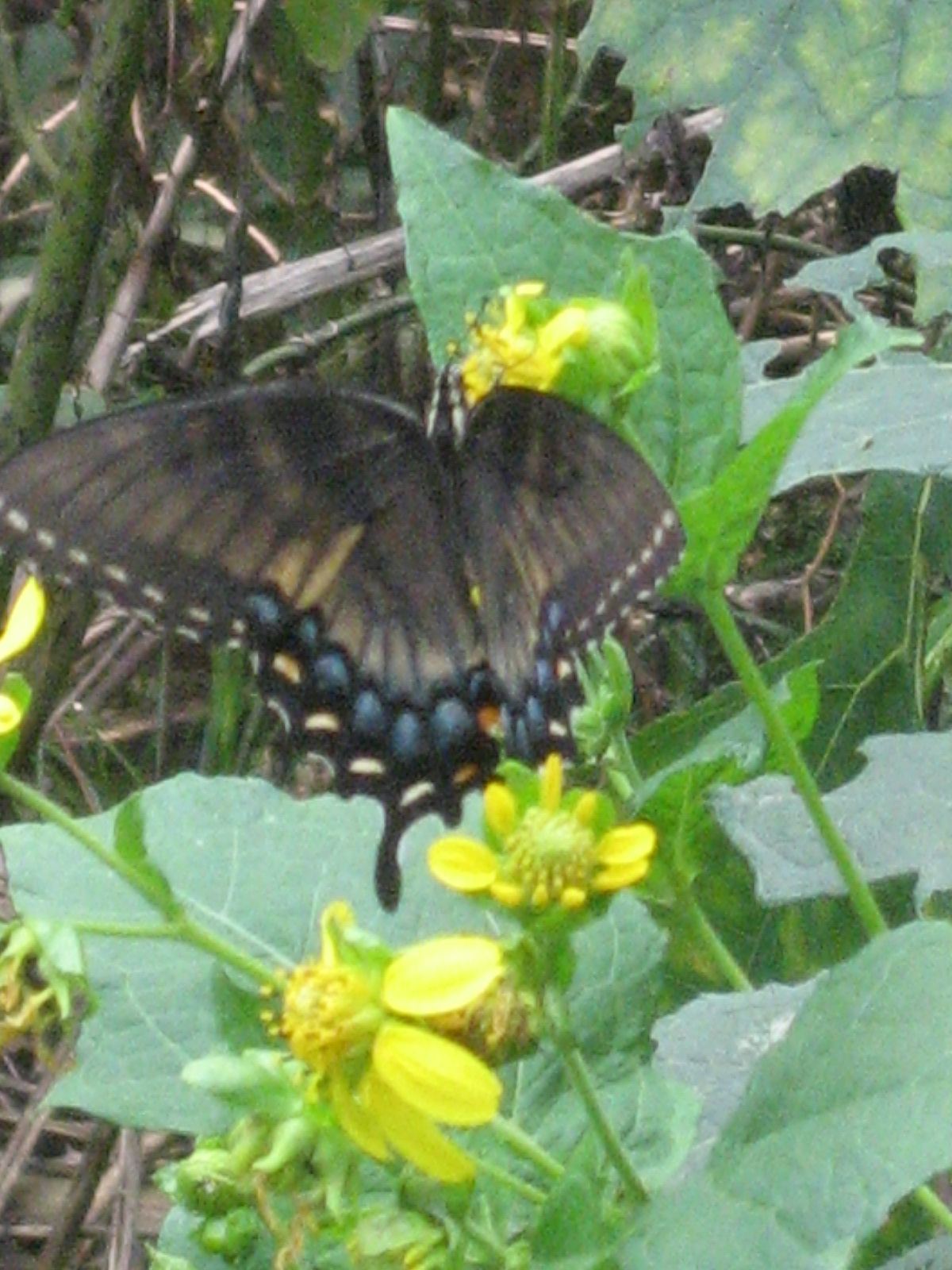
The organism in the photo would be best classified as
a vascular plant
a nonvascular plant
an invertebrate
a vertebrate



