
 Worksheets
Topic 1 (Science 7) Quiz Review
Total questions: 66
Worksheet time: 2hrs 12mins

What symbol is this?
Special Disposal
Biological
Extreme Temperature
Sharp Object

What symbol is this?
Open Flame
Toxic
Chemical
Electrical

What symbol is this?
Clothing Protection
Eye Safety
Toxic Fumes
Sharp Object

What symbol is this?
Poisonous
Flammable
Chemical
Disposal

What symbol is this?
Biological Hazard
Special Disposal
Extreme temperature
Toxic Fumes

What symbol is this?
Open Flame
Chemical
Electrical
Safety Gloves

What symbol is this?
Toxic Fumes
Extreme Temperature
Radiation
Open Flame

Which picture represent eye safety?


Which picture represents clothing protection?


What does this picture represent?
Irritant
Sharp Object
Extreme Temperature
Clothing Protection

What does this picture represent?
Toxic
Animal Safety
Mouse Safety
Irritant

What does this picture represent?
Fire Hazard
Always plug in devices
Electricity Hazard
Look for a socket

What safety symbol is this?
Biohazard
Radiation
Poisonous
Corrosive

This symbol appears when substances could stain or burn clothing.


This symbol appears when objects that can burn skin by being too cold or too hot.


Horseplay, practical jokes, or pranks in the classroom are...
Okay
Not dangerous
Okay if you are working alone.
Always against the rules.
Which of the following should not be worn during a laboratory activity?
dangling jewelry
loose clothing
sandals
All of the above
When a piece of equipment is not working properly, stop, turn it off, and tell your best friend in the class.
True
False (tell the teacher)
When you are done working with chemicals, biological specimens, and other lab substances, always...
treat your hands with skin lotion.
wash your hands thoroughly with soap and water.
wipe your hands on a towel.
wipe your hands on your clothes.
Chewing gum is permitted in the laboratory room.
True
False (neither is drinking or eating)
You should clean your work area and equipment before you leave the science room.
True (also wash you hands, return all equipment to proper location)
False
Long hair in the science lab must be...
held away with one hand.
cut short.
neatly groomed.
tied back or kept entirely out of the way with a hair tie.
If a fire erupts, immediately run for the hills!
True
False (tell the teacher right away)
If you do not understand a direction or part of a lab procedure, you should...
try several methods until something works.
skip it and go on to the next part.
ask the teacher before proceeding.
figure it out as you do in the lab.
If you have been injured in the lab tell the teacher at once.
True
False
All chemical wastes after an experiment should be...
dumped in the sink.
disposed according to your teachers instructions.
taken home.
left for someone else to clean up.
Anytime chemicals, heat, or glassware are used protective goggles are worn in the science room.
True
False
It is okay to pick up broken glass with your bare hands as long as the glass is placed in the trash can.
True
False (NEVER OKAY)
Always carry a microscope with both hands.
True
False
All unauthorized experiments are prohibited.
True
False
Work areas should be kept clean and tidy.
True
False
Only read the odd numbers when performing an experiment in the lab room.
True
False (read EVERYTHING)
Feel free to remove chemicals from the lab room to take home.
True
False (NEVER remove chemicals)
What is the scientific method?
A series if steps used to conduct a scientific experiment
The process of solving a problem
A way of making non-scientific observations
A way to summarize findings from multiple investigations
Which of the following is NOT a testable question/problem?
How do rockets work?
Does fertilizer help plants grow bigger?
Does heart rate increase with exercise?
Does the freezing point of water change at different elevations?
What is a hypothesis?
A prediction or answer to a testable question based on research
A random guess
An observation based on feelings or emotions

What is the best way to collect and record data?
In a data table
On post-it notes
On scrap paper
interpretive dance
A series of steps designed to help you solve problems and answer questions is
the scientific method
results
observations
the two step
After the data is analyzed the hypothesis is stated as correct or incorrect in the __________
conclusion
experiment
hypothesis
table of contents
What is the first step in the scientific method?
Collect Data
Draw Conclusions
Do Research
Identify a problem
Form a Hypothesis
During this step of the scientific method, a scientist would gather background information.
Form a Hypothesis
Do Research
Observation
Test the Hypothesis
Which of these contains the steps of the scientific method in the correct order?
Identify a Problem, Form a Hypothesis, Do Research, Test the Hypothesis, Draw Conclusions, Analyze Data
Identify a Problem, Form a Hypothesis, Do Research, Test the Hypothesis, Analyze Data, Draw Conclusions
Identify a Problem, Do Research, Form a Hypothesis, Test the Hypothesis, Analyze Data, Draw Conclusions
None of the above
When should you write a hypothesis?
After writing procedures
After making observations and doing research on a question/problem
After buying materials for an experiment
At the very beginning of the experiment
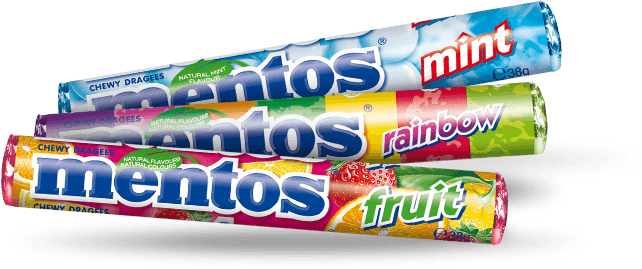
Johnny wants to know how different types of colored light affect plant growth? What is the Independent Variable?
types of plant growth
types of colored lights
plant growth on colored lights
plant growth
Johnny wants to know how different types of colored light affect plant growth? What is the Dependent Variable?
Types of plant growth
types of colored lights
colored lights on plant growth
plant growth
What part of an experiment is described below:
What is the effect of types of colored lights on the height of plants?
Problem
Hypothesis
Title
Conclusion
What part of the experiment is:
Johnny sets the lamp to shine for the same amount of time each day for 30 days.
problem
control
constant
dependent variable
What part of the experiment does this describe:
The same type of bean plant, the same amount of water, and the same soil were used.
Constant
Control
Levels of Variables
Hypothesis
The variable that is measured.
Controlled Variable
Dependent Variable
Independent Variable
Why is it important to have only one independent variable and to control the other variables when performing science experiments?
So you can tell which factor is causing the change in the experiment.
It does not matter, you can have as many independent variables as you want.
Ben makes five paper helicopters with different wing lengths. He drops them the same way from a height of two meters for five trials each. He records the amount of time it takes for each helicopter to fall to the ground.
What is the independent variable?
Dropping the same way
Wing Length
Amount of time it takes the helicopter to hit the floor
Dropping from the same height
Ben makes five paper helicopters with different wing lengths. He drops them the same way from a height of two meters for five trials each. He records the amount of time it takes for each helicopter to fall to the ground.
What is the dependent variable?
Dropping the same way
Wing Length
Amount of time it takes the helicopter to hit the floor
Dropping from the same height

