
 Worksheets
APUSH Period 3
Total questions: 93
Worksheet time: 1hrs 10mins
The Navigation Laws passed by England in the seventeenth century had a profound impact on England's American colonies in that they
led to considerable prosperity for colonial merchants and shippers
were a major cause of the French and Indian War
inhibited American trade with countries that were not under English rule
were welcomed by most American colonies as an opportunity to increase trade with nations other than England
The argument that "abuses and usurpations" by King George and his government violated the social contract that had existed between Britain and its American colonies was articulated in
the Treaty of Paris
the Declaration of Rights
the Declaration of the Causes and Necessities for Taking Up Arms
the Declaration of Independence
Shays' Rebellion
convinced many political leaders of the destructive consequences of a strong central government.
was eventually suppressed when the federal government sent troops to Massachusetts.
convinced some political leaders of the necessity of giving more power to the central government.
came about when American settlers clashed with the British over western land claims.
All of the following are true regarding the Antifederalists EXCEPT
their important leaders included John Hancock and Patrick Henry.
their political support came mostly from backcountry and agricultural areas
debtors were supporters of the Antifederalists
they maintained their was no need for a bill of rights




Which of the following best describes what the Continental Congresses were?
a series of meetings planned to respond to England
a provisional government designed to negotiate peace
a local Pennsylvania legislature debating England's taxes

Which (original) Enlightenment thinker influenced the writing of the Dec of Independence?
Carl Marx
John Locke
Thomas Paine
Thomas Jefferson

"Unalienable rights" are similar to which of the following ideas?
right to rebel
natural rights
popular sovereignty

What impact does Thomas Paine have on the American Revolution?
he persuades the colonists to rebel
he persuades the colonists to remian loyal
he persuades the colonists to immigrate to England

Which battle is shown in this image?
Guilford Courthouse
Yorktown
Trenton
Lexington & Concord


What was the primary reason Parliament passed these acts?
To promote the growth of cottage industries in the colonies
To encourage foreign trade with the colonies
To recover the cost of defending the colonies
To fund the establishment of new colonies
How did mercantilist policies create tension between Great Britain and the colonies?
By introducing indentured servitude to the middle colonies
By Requiring colonist to enlist in the military
By limiting the amount of farmland each colonist could have
By preventing colonists from trading with most other foreign countries

Which of the following best completes this diagram?
Colonists sought military support from france
Colonists organized boycotts of British goods
Colonists signed the Declaration of Independence
Colonists dumped tea into the Boston Harbor

These acts contributed to the start of the Revolutionary War by -
restricting colonial trade with American Indians
imposing regulations on colonial agriculture
angering colonists who believed that their civil liberties had been violated
punishing colonists for resisting the authority of parliament
Why is the Battle of Saratoga considered a turning point in the Revolutionary War?
The British victory extended the fighting for another year
The American defeat led many soldiers to desert the Continental Army
The British defeat marked the beginning of a steady decline in British military superiority
The American victory convinced France to ally with the United States
What was one result of the Treaty of Paris 1783?
Great Britain recognized the United States as an independent country.
Competing Seminole and Spanish claims in West Florida were resolved
The British navy agreed to stop pressing American sailors into service
British territory in eastern Canada was ceded to France
What was one result of the Treaty of Paris 1783?
Great Britain recognized the United States as an independent country.
Competing Seminole and Spanish claims in West Florida were resolved
The British navy agreed to stop pressing American sailors into service
British territory in eastern Canada was ceded to France
The British government issued the Proclamation of 1763 to limit the area British colonists were allowed to settle. Which geographic feature did the British use as a boundary of approved settlement?
Lake Michigan
Gulf of Mexico
Mississippi River
Appalachian Mountains
Which of these is a grievance from the Declaration of Independence?
Colonists born in America were prohibited from holding elected office.
Colonists were forced to quarter troops in homes
Colonists were not eligible to become officers in the British army
Colonists were required to serve a year in their colony's militia
Which excerpt from the Declaration of Independence best explains why colonists were unhappy about their lack of representation in the British parliament?
He has refused to pass other Laws for the accommodation of large districts of people
For imposing Taxes on us without our Consent
He has refused his assent to Laws, the most wholesome and necessary for the public good
For transporting us beyond Seas to be tried for pretended offences


The Federalist and Anti-Federalists groups are known as _______________.
Governing Groups.
Political Parties.
Militia's.
Delegates.
Federalists believed that the Articles of Confederation were a ________ and set up a ________ National Government.
Success, Strong.
Success, Weak.
Failure, Weak.
Failure, Strong.

The ___________ are for the ratification (approval) of the U.S Constitution.
Federalists
Anti-Federalists
Whiggs
Representatives
The ___________ are NOT for the ratification (approval) of the U.S Constitution.
Anti-Federalists.
Federalists.
Whiggs.
Supreme Court Justices.
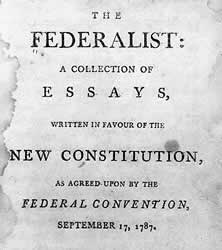
The "Federalist Papers" were written to:
Explain and convince the people into supporting the new U.S Constitution.
spark a new revolution among the American people against their government.
oppose a strong centralized government.
create a new monarchy.
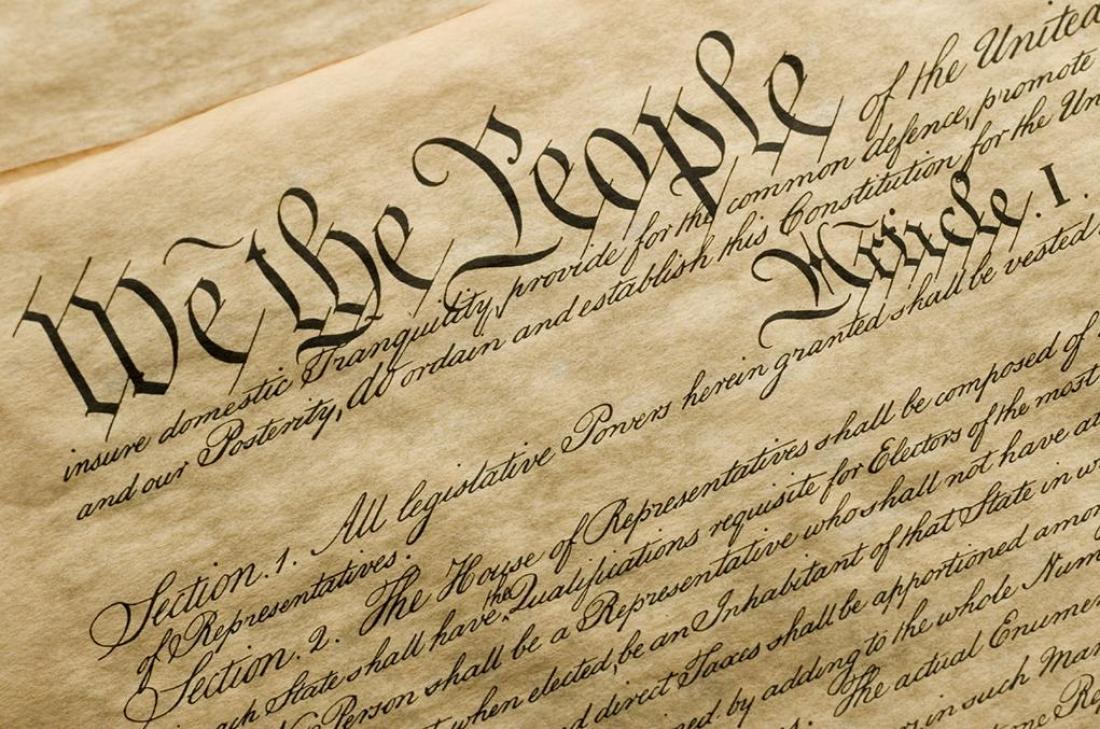
How did the Federalists and Anti-Federalists "compromise" to ratify (approve) the U.S Constitution?
The added the Bill of Rights (First 10 Amendments)
They outlawed cruel and unusual punishment.
Ensured due process of the law.
The Federalists threatened the Anti-Federalists to war.

