wayground logo

Free Printable Worksheets

Font size

S
M
L
XL
Worksheets

Earths Patterns Fifth Grade

Total questions: 62

Worksheet time: 58mins

Name
Class
Date
1.
What is the name of the thin layer of solid rock that makes up the outermost part of Earth?
a)
core
b)
crust
c)
mantle
d)
biosphere
2.
Which layer of the Earth is represented by letter B?
a)
Inner Core
b)
Outer Core
c)
Crust 
d)
Mantle
3.
The core is the central part of the Earth.
a)
True
b)
False
4.
The series of processes in which rock changes from one type to another.
a)
Metamorphic Rock
b)
Sedimentary Rock
c)
Igneous Rock
d)
Rock Cycle
5.

A rock formed from sediments of other rocks is a(n)

a)

Metamorphic Rock

b)

Sedimentary Rock

c)

Extrusive Rock

d)

Igneous Rock

6.
If heat and pressure inside the Earth cause a rock to melt, the material that formed would be
a)
Metamorphic
b)
Magma
c)
Sedimentary
d)
Igneous
7.

As lava cools and crystallizes, what type of rock will form?

a)

Sedimentary

b)

Metamorphic

c)

Igneous

8.
The three groups of rocks are classified by
a)
How they form
b)
Color
c)
Grain size
d)
Chemical Composition
9.
Fossils are only found in
a)
Sedimentary rocks
b)
Foliated Metamorphic rocks
c)
Igneous Rocks
d)
Nonfoliated Metamorphic rocks
10.
Rock that forms when sediment from older rocks get pressed and cemented together.
a)
Sedimentary Rock
b)
Metamorphic Rock
c)
Igneous Rock
11.
The process by which igneous rocks are formed...
a)
heat and pressure
b)
melting and cooling
c)
weathering and erosion
12.
The process by which metamorphic rocks are formed...
a)
heat and pressure
b)
erosion and deposition
c)
melting and cooling
13.
Rock that forms when pressure and temperature change existing rock.
a)
Igneous Rock
b)
Sedimentary Rock
c)
Metamorphic Rock
d)
Rock Cycle
14.
The name rock is given when it is broken down into smaller pieces.
a)
texture
b)
weathering
c)
sediment
d)
erosion
15.
_______ rock forms from magma/lava
a)
Metamorphic
b)
Sedimentary
c)
Igneous
16.
This rock was another type of rock that was heated and compressed over time. What type of rock is this?
a)
Sedimentary
b)
Igneous
c)
Metamorphic
17.
This rock started as molten magma. What type of rock is this?
a)
Sedimentary
b)
Igneous
c)
Metamorphic
18.
This rock was formed by smaller pieces of rock that settled at the bottom of a lake millions of years ago. What type of rock is this?
a)
Sedimentary
b)
Igneous
c)
Metamorphic
19.
Cooling & crystalization produce
a)
igneous rocks
b)
metamorphic rocks
c)
sedimentary rocks
20.
True or False: Once a rock is sedimentary, it cannot become an igneous rock.
a)
True
b)
False
21.
What are the 3 major types of rocks?
a)
Igneous, Metamorphic, Sedimentary
b)
Metamorphic, Igneous, Cementation
c)
magma, lava, crystals
22.
The process when rocks break into smaller pieces due to exposure to natural elements is called
a)
erosion
b)
weathering
c)
sediments
23.

what is the rock cycle.

a)

molten rock that is stored underground.

b)

rock material that forms where rocks are broken down into smaller pieces.

c)

a process that changes one type of rock into another type of rock.

24.
Each rock type can follow only one pathway of the rock cycle.
a)
True
b)
False
25.
Each rock type can follow only one pathway of the rock cycle.
a)
True
b)
False
26.
An avalanche is an example of which process?
a)
Weathering
b)
Erosion
c)
Deposition
d)
Volcanic Eruption
27.
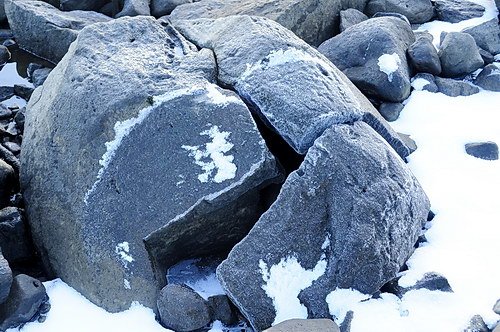
How does freezing water cause the weathering of rocks?  The freezing water—
a)
keeps the rocks in place.
b)
makes the rocks last longer.
c)
expands cracks and breaks rocks.
d)
causes rocks to fall in landslides.
28.
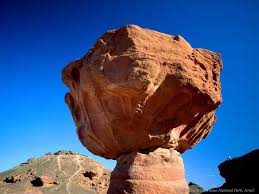
The process that breaks down rocks and other materials on Earth's surface is called
a)
Weathering
b)
Erosion
c)
Deposition
d)
Decomposition
29.
A cliff formed near the ocean.  Which statement best describes how this cliff formed?
a)
Warm air melted the rock.
b)
Sun rays evaporated the rock.
c)
Ocean waves washed away rock.
d)
Plant roots pushed away the rock.
30.
What is the process that picks up and moves weathered rocks?
a)
Deposition
b)
Landslide
c)
Weathering
d)
Erosion
31.
Deposition changes the Earth’s surface because bits of broken rock and soil _____.
a)
stop rivers from flowing.
b)
make rich farmlands.
c)
are dropped in new places.
d)
move very slowly.
32.
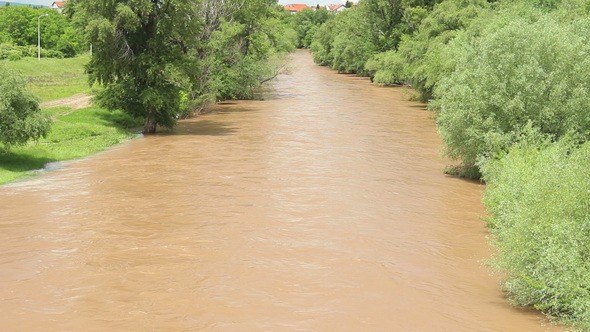
Muddy water being carried away by a fast-moving river is an example of
a)
Weathering
b)
Erosion
c)
Deposition 
d)
A nice place to swim
33.
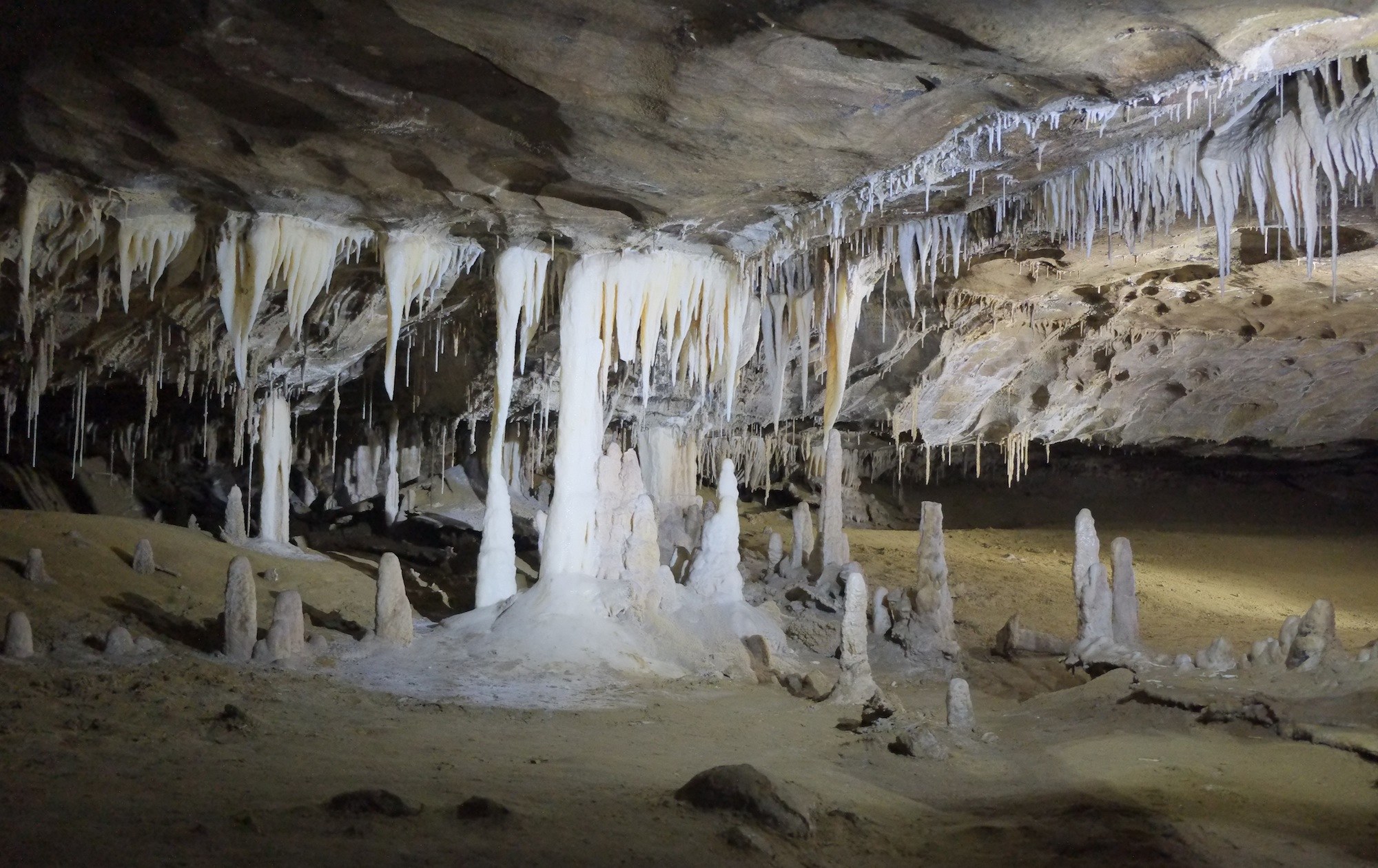
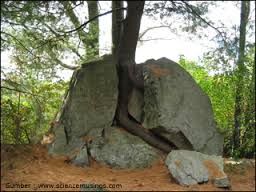
Layers of sediment forming at the bottom of the ocean floor is an example of
a)
Weathering
b)
Erosion
c)
Deposition
d)
Awesome Science
34.
How do plants weather rocks?
a)
During photosynthesis
b)
When roots grow into cracks of rocks and expand the rock breaks.
c)
When the plant moves water from the roots to the leaves, the rock breaks.
d)
Plants don't weather rocks.
35.
This layer is directly below the crust.
a)
Crust
b)
Mantle
c)
Outer Core
d)
Inner Core
36.
This layer is directly below the mantle.
a)
Crust
b)
Mantle
c)
Outer Core
d)
Inner Core
37.

This layer is completely made up of liquid iron and nickel.

a)

Crust

b)

Mantle

c)

Outer Core

d)

Inner Core

38.

This layer is a solid ball of iron and nickel.

a)

Crust

b)

Mantle

c)

Outer Core

d)

Inner Core

39.
This layer includes all dry land and the Ocean floor.
a)
Crust
b)
Mantle
c)
Outer Core
d)
Inner Core
40.
This layer is the hottest layer of the Earth.
a)
Crust
b)
Mantle
c)
Outer Core
d)
Inner Core
41.
Which layer of the Earth is shown in BROWN?
a)
Crust
b)
Mantle
c)
Inner Core
d)
Outer Core
42.
Which layer of the Earth is shown in YELLOW?
a)
Crust
b)
Mantle
c)
Inner Core
d)
Outer Core
43.
Which layer of the Earth is shown in ORANGE?
a)
Crust
b)
Mantle
c)
Inner Core
d)
Outer Core
44.
Which layer of the Earth is shown in RED?
a)
Crust
b)
Mantle
c)
Inner Core
d)
Outer Core
45.

This type of rock forms when layers of sediment are "glued" together by dissolved minerals.

a)

Igneous rock

b)

Metamorphic rock

c)

Sedimentary rock

d)

Hard rock

46.

This type of rock forms when existing rock is changed to new rock by extreme heat and pressure.

a)

Igneous rock

b)

Metamorphic rock

c)

Sedimentary rock

d)

Hard rock

47.

This type of rock forms when molten (melted) rock from beneath Earth's surface cools and hardens.

a)

Igneous rock

b)

Metamorphic rock

c)

Sedimentary rock

d)

Hard rock

48.

This type of rock forms when molten (melted) rock from beneath Earth's surface cools and hardens.

a)

Igneous rock

b)

Metamorphic rock

c)

Sedimentary rock

d)

Hard rock

49.
At divergent boundaries, tectonic plates...
a)
slide horizontally past each other in opposite directions
b)
move away from each other
c)
move toward each other
d)
None of the above.
50.
Tectonic plates are constantly moving at different rates and in different directions.
a)
True
b)
False
51.
At convergent plate boundaries, tectonic plates move toward each other.
a)
True
b)
False
52.
At transform boundaries, tectonic plates....
a)
move toward each other
b)
slide horizontally past each other in opposite directions
c)
slide horizontally past each other in the same direction
d)
move away from each other
53.
Earthquakes are common at ________ boundaries.
a)
transform
b)
convergent
c)
divergent
54.
When plates of continental crust come together, they can push up the land over time.
a)
True
b)
False
55.

The large pieces of the Earth's crust are called:

a)

Tectonic plates

b)

Land ridges

c)

Continental chunks

d)

none of the above

56.

Under sea mountain ranges are called:

a)

deep sea trench

b)

aquatic ranges

c)

mid-ocean ridges

d)

salty hills

57.

This type of boundary occurs when tectonic plate move together.

a)

covergent

b)

divergent

c)

transform

d)

none of the above

58.

This is the type of boundary that occurs when tectonic plates move apart.

a)

convergent

b)

divergent

c)

transform

d)

none of the above

59.

This type of boundary occurs when tectonic plates slide past one another.

a)

convergent

b)

divergent

c)

transform

d)

none of the above

60.

Which of the following is found mainly around transform boundaries?

a)

mountains

b)

earthquakes

c)

volcanoes

d)

rift valley

61.

When two continental crusts slam into each other which of the following is the prominent feature formed?

a)

mountains

b)

earthquakes

c)

volcanoes

d)

rift valley

62.

What is a fault?

a)

The boundaries or edges of plate tectonics

b)

A hole in the Earth where lava comes out

c)

Divergent Plate Boundaries

d)

Transform Plate Boundaries