wayground logo

Free Printable Worksheets

Font size

S
M
L
XL
Worksheets

1 Common Assessment 7th

Total questions: 89

Worksheet time: 4hrs 55mins

Name
Class
Date
1.

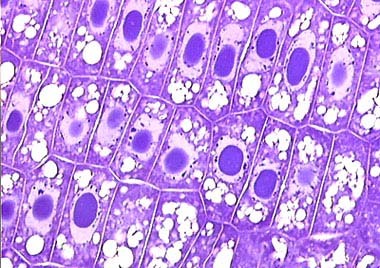
What level of organization does this picture represent?

a)

Cell

b)

Tissue

c)

Organ

d)

Organ System

e)

Organism

2.

According to cell theory, all cells come from ___________

a)

Multicellular Organisms

b)

Another Living Cell

c)

Unicellular Organims

d)

The Air

3.
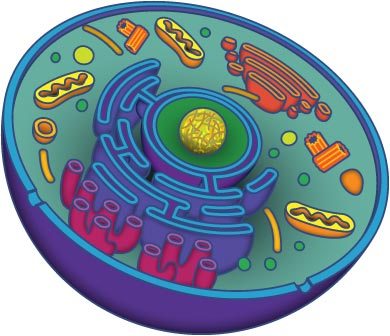
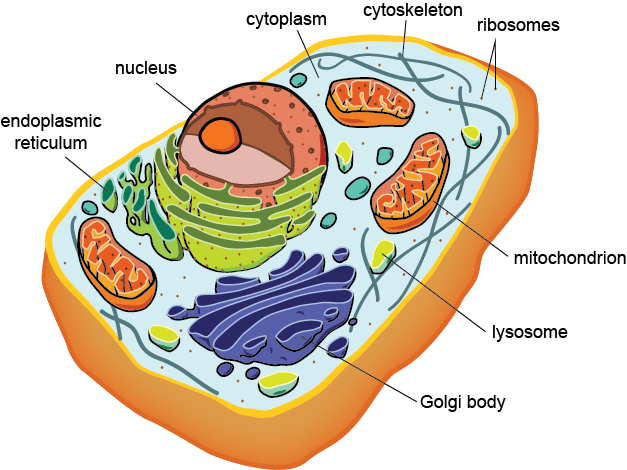
What are the tiny structures that carry out jobs inside cells called?
a)
membranes
b)
nucleus
c)
organelles
d)
animalicules
4.
This structure supports and protects plant cells.
a)
Nucleus
b)
Cell Wall
c)
Cell membrane
d)
Cytoplasm
5.
This structure controls what can enter and leave a cell.
a)
Nucleus
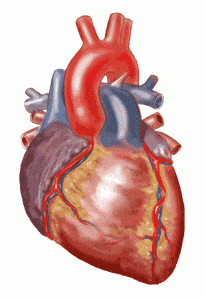
b)
Cytoplasm
c)
Cell Membrane
d)
Golgi Body
6.
This is the cell's "control center."
a)
Endoplasmic Reticulum
b)
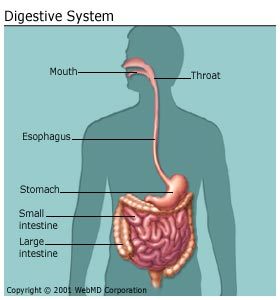
Golgi Body
c)
Nucleus
d)
Cell Wall
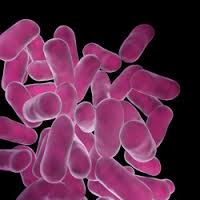
7.
This is the "powerhouse" of the cell that converts food to energy.
a)
Mitocondria
b)
Endoplasmic Reticulum
c)
Nucleus
d)
Lysosome
8.
In plant cells, this structure captures energy from the sun to produce food.
a)
Ribosomes
b)
Cell Wall
c)
Vacuoles
d)
Chloroplasts
9.
This structure is a storage area for the cell.
a)
Lysosome
b)
Vacuole
c)
Ribosome
d)
Golgi Body
10.
This small structures break down materials in the cell.
a)
Cholorplasts
b)
Ribosomes
c)
Lysosomes
d)
Golgi Body
11.
This structure packages and distributes proteins throughout the cell. 
a)
Golgi Body
b)
Lysosome
c)
Ribosome
d)
Mitochondria
12.
This structure produces protein in the cell.
a)
Ribosomes
b)
Cytoplasm
c)
Nucleus
d)
Lysosomes
13.
Using this image, what organelle is C?
a)
Cell Wall
b)
Mitochondria
c)
Large Cell Vacuole
d)
Chloroplast
14.
I store water in both plant and animal cells. What am I?
a)
cytoplasm
b)
ribosomes
c)
vacuole
d)
lysosomes
15.

Which of the following is NOT part of the cell theory?

a)

All animals are made up of cells

b)

cells can only arise from existing cells

c)

cells are the smallest form of life

d)

growth in animals is due to the cells getting bigger

16.

Which of the following organelles is most important in providing energy to the cell?

a)

centrosome

b)

mitochondrion

c)

nucleus

d)

cytoplasm

17.

Which of the following correctly matches an organelle with its function?

a)

mitochondrion…photosynthesis

b)

nucleus…cellular respiration

c)

vacuole…storage

d)

chloroplast…movement

18.

A cell has the following structures: nucleus, cell membrane, vacuole and mitochondria. It could be a cell from

a)

An animal, but not a plant

b)

A plant, but not an animal

c)

Either a plant or an animal

d)

Bacteria

19.

The function of the cell parts labeled X are to __________.

a)

control the heredity of traits

b)

provide oxygen to the cell

c)

transform light energy into chemical energy through photosynthesis

d)

stores waste

20.

The cell part labeled Y contains _____________.

a)

genetic material

b)

cytoplasm

c)

chlorophyll

d)

water

21.

What is the function of structure W in the cell?

a)

To store water, waste, and nutrients for the cell

b)

To transport materials between parts of the cell

c)

To produce energy for the cell

d)

To control the activities of the cell

22.

Based on the characteristics in the chart provided, what are the names of Organelle A and Organelle B?

a)

Organelle A is a cell wall. Organelle B is chloroplast

b)

Organelle A is chloroplast. Organelle B is a cell wall

c)

Organelle A is a cell wall. Organelle B is a cell membrane

d)

Organelle A is a cell membrane. Organelle B is a cell wall
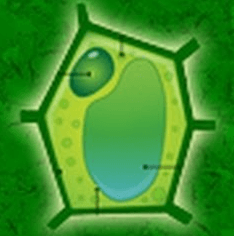
23.
A rigid layer that lies outside the cell's  membrane is...
a)
Cytoskeleton
b)
Cilia
c)
Cell Wall
d)
Flagella
24.
Which part of the cell is often called "the brain of the cell"?
a)
nuclear membrane
b)
endoplasmic reticulum
c)
nucleus
d)
mitochondria
25.
What cell part is NOT found in all cells?
a)
Cell Wall
b)
Cell Membrane
c)
Cytoplasm
d)
Genetic Material
26.

Which of the following functions can a unicellular organism perform?

a)

eat

b)

eliminate waste

c)

reproduce

d)

all of the above

27.
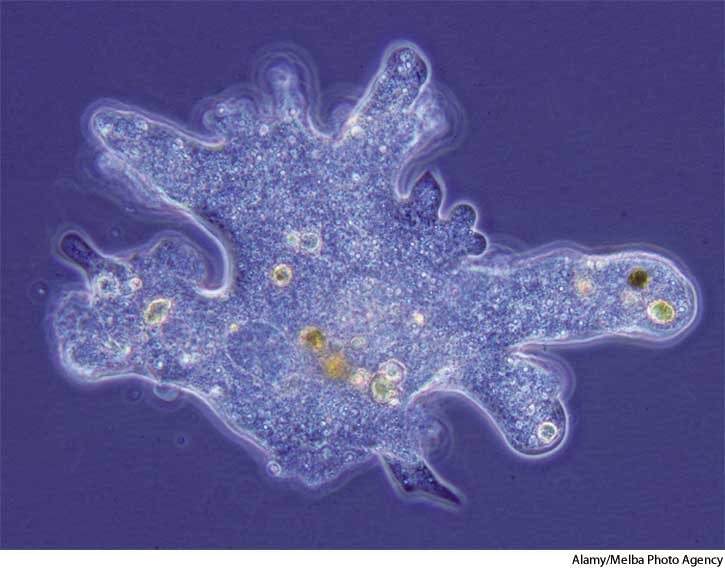
An Amoeba is a unicellular, animal-like protist that lives in ponds and streams. According to cell theory, where did this cell come from?
a)
another pre-existing amoeba cell.
b)
energy from sun that allowed the protist to reproduce.
c)
a multicellular organism.
d)
the nonliving environment.
28.
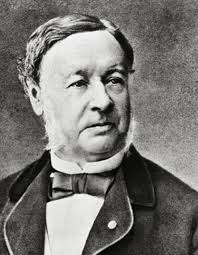
Robert Hooke, Anton van Leeuwenhoek, Theodor Schwann, Rudolf Virchow, and Matthias Schliden were all responsible for what theory?
a)
The Theory of Gravity
b)
The Theory of Relativity
c)
The Cell Theory
d)
The Theory of Continental Drift
29.
What tool do you use to view the cells?
a)
metric ruler
b)
centrifuge
c)
microscope
d)
telescope
30.
Which of the following is NOT a cell theory.
a)
All non-living things are made of cells
b)
All cells come from pre-existing cells
c)
Cells are the basic unit of structure and function of all living things
31.
All living things are made up of...
a)
cells
b)
cell tissues
c)
organ
d)
organ systems
32.
Rocks are not living because
a)
they never move
b)
they aren't needed for humans
c)
they are not made of cells
d)
they don't break down
33.
What is the basic structural and functional unit of all living things? 
a)
atom
b)
cell
c)
molecule
d)
human
34.
All cells are produced ____________.
a)
From pre-existing and deceased cells
b)
from other pre-existing cells
c)
Cells can come from anywhere, as long as there is the sun.
35.
What is one way in which all living things on Earth are alike?
a)
All living things have hair.
b)
All living things are made of cells and come from other cells.
c)
The cells of all living things have chloroplast.
d)
All living things can move. 
36.
Which of the following statements is not part of the cell theory?
a)
Cells are the basic unit of structure and function in all living things.
b)
All cells are produced from other cells.
c)
Only animal cells are composed of cells.
d)
All living things are composed of cells.
37.
Which of the following scientists concluded that all animals are made of cells?
a)
Rudolf Virchow
b)
Matthais Schleiden
c)
Robert Hooke
d)
Theodor Schwann
38.
Which of the following scientists was the first to observe bacteria under a microscope?
a)
Anton van Leuwenhoek
b)
Matthais Schleiden
c)
Robert Hooke
d)
Theodor Schwann
39.
what is a cell classified as?
a)
a basic unit of structure and function of all living organisms
b)
a unit based on only plants and animals that are living
40.
How are unicellular organisms different from multicellular organisms? 
a)
There are no differences.
b)
They are made of many cells. 
c)
They are only classified as prokaryotes.
d)
They are made of only one cell. 
41.
Which of the following scientists contributed to the cell theory?
a)
Rudolf Virchow, Robert Hooke, Anton van Leuwenhoek
b)
Matthais Schleiden, Theodor Schwann, Rudolf Virchow
c)
Robert Hooke, Theodor Schwann, Anton von Leuwenhoek
d)
Theodor Schwann, Matthais Schleiden, Robert HookeOption 4 (optional)
42.
Which of the following scientists concluded that all animals are made of cells?
a)
Rudolf Virchow
b)
Matthais Schleiden
c)
Robert Hooke
d)
Theodor Schwann
43.
Which of the following scientists was the first to observe bacteria?
a)
Anton van Leuwenhoek
b)
Matthais Schleiden
c)
Robert Hooke
d)
Theodor Schwann
44.
Which of the following statements is not part of the cell theory?
a)
Cells are the basic unit of structure and function in all living things.
b)
All cells are produced from other cells.
c)
Only animal cells are composed of cells.
d)
All living things are composed of cells.
45.
The basic unit of structure and function for the body.
a)
cell
b)
atom
c)
organelle
d)
nucleus
46.

A structure made up of different types of tissue and performs a specific job.

a)

cells

b)

tissue

c)

organ

d)

organ system

47.
A group of similar cells that perform the same function.
a)
tissue
b)
organelle
c)
mass
d)
tendon
48.
A group of organs that work together to perform a major function is an organ
a)
system
b)
column
c)
bank
d)
stack
49.
Which of the following is the correct order of organization in living things from most basic (simple) to most complex?
a)
a.  Organism, cell, tissue, organ, organ system
b)
a.  Organ system, organ, tissue, cell, organism
c)
a.  Cell, tissue, organ, organ system, organism
d)
a.  Cell, organ, tissue, organ, organism, organ system
50.
Anything that can perform life processes by itself is a/an
a)
cell
b)
organ
c)
organism
d)
organ system
51.
A group of similar cells that come together to perform a specific function is a/an
a)
organ
b)
organism
c)
organ system
d)
tissue
52.
The smallest level of organization of life in an organism
a)
tissue
b)
cell
c)
organ
d)
organ system
53.
The cell is the building block of all living things.
a)
True
b)
False
54.
A group of organs that work together to perform big jobs for your body is an organ system.
a)
True
b)
False
55.
Which is an example of an organism?
a)
a beetle
b)
a lake
c)
a rock
d)
a shell
56.
What is the difference between a cell and a tissue?
a)
cell is basic unit of life; tissue is group of cells that work as one
b)
cell is group of tissues; tissue is basic unit of life
c)
cell is basic unit of life; tissue is groups of different cells
d)
cell is group of organs; tissue is group of different cells
57.
Tissue that works together to perform a function
a)
organ
b)
cell
c)
organ system
d)
organism
58.
What do you have when organ systems work together?
a)
organs
b)
organism
c)
cells
d)
tissue
59.
A group of cells that work together
a)
organ system
b)
organism
c)
organ
d)
tissue
60.
This is a example of........ 
a)
organ system
b)
cells
c)
organ
d)
tissue
61.
This is a example of ........
a)
cell
b)
tissue
c)
organ 
d)
organ system
62.
This is a example of ........
a)
cell
b)
organ system
c)
organ
d)
tissue
63.
Organs and tissues that perform the same function is called _____________?
a)
cells
b)
tissues 
c)
organ system
d)
organs
64.
The ___________ is the basic unit of life. Examples include plant, animal, and bacteria. 
a)
organ
b)
cell
c)
atom
d)
tissue
65.
A group of tissues that perform a similar function is called_____. 
a)
cells
b)
tissues
c)
organs
d)
organ system
66.
When many organ systems work together it can form...
a)
organ
b)
cells
c)
organ system
d)
organism 
67.
What is the correct order of organization
a)
tissues-cells-organs-organ systems-organism
b)
cell-tissue-organs-organ systems-organism
c)
organism-cells-tissues-organ systems-organism
d)
tissues-cells-organs-organ sytems-organism
68.
What do a worm, cat, elephant, and mouse all have in common?
a)
they all move the same way
b)
they all have the same internal structures
c)
they are all composed of cells
d)
they all have hair or fur covering their body
69.

What is the mitochondria?

a)

The power house of a house

b)

The power house of a cell

c)

The main function of a cell

d)

A basketball

70.

What part of the cell is a mitochondria found in?

a)

Nucleus

b)

Cytoplasm

c)

Wall membrane

71.
Which of the following is the correct term used to describe a group of body parts such as (mouth, esophagus, stomach, small intestines, and large intestines) working together to perform a specific function?
a)
organism
b)
tissue
c)
organ system
d)
organ
72.
The tissues of a plant root are specialized to perform which of the following tasks?
a)
Absorb water and minerals
b)
Absorb light energy
c)
Release oxygen
d)
Perform photosynthesis
73.
Which of the following is a reproductive organ in plants?
a)
Roots
b)
Stems
c)
Leaves
d)
Flowers
74.
What are the tiny structures that carry out jobs inside cells called?
a)
membranes
b)
nucleus
c)
organelles
d)
animalicules
75.
This structure supports and protects plant cells.
a)
Nucleus
b)
Cell Wall
c)
Cell membrane
d)
Cytoplasm
76.

What level of organization does this picture represent?

a)

Organ

b)

Organ System

c)

Cell

d)

Organism

e)

Tissue

77.

What level of organization does this picture represent?

a)

Cell

b)

Tissue

c)

Organ

d)

Organ System

e)

Organism

78.

Do plants have the same levels of organizations of animals?

a)

Yes

b)

No

79.

What are some examples of organ systems?

a)

Digestive

b)

Circulatory

c)

Stomach

d)

Nervous

80.

What did Robert Hooke compare cells to?

a)

Cork

b)

Sponge

c)

Cheese

d)

Bubbles

81.

what is the name of this online famous cat

a)

Whiskers

b)

Chubby

c)

Fluffy

d)

Grumpy cat

82.

What is your fav. thing to do?

a)

Whatch TV

b)

Play on your phone

c)

Play Quzizz

d)

Play Sims 4

83.
What belongs to you but others use it more than you do?
a)
Your name
b)
Your toys
c)
Your life
d)
Your phone
84.
Why did Adele cross the road?
a)
To say hello from the other side
b)
To roll in the deep
c)
To find someone like you
d)
HEELLO
85.
Which one of these cats is famous online?
a)
Punsheen
b)
Fluffbottom
86.

what do tigers have that no other animal can have

a)

stripes

b)

cute faces

c)

baby tigers

87.

what do you call a famous lobster

a)

red lobster

b)

lob-STAR

c)

delicious

88.

if a cat can jump 5 feet high why cant it jump through a 3 foot tall window?

a)

the cat is tired

b)

the cat does not have legs

c)

I've got no idea

d)

the window is closed

89.
what do you call a cow with no legs
a)
no leged cow
b)
ground beef
c)
cow butt