
 Worksheets
12-09 REVIEW: Common Assessment 2
Total questions: 92
Worksheet time: 56mins

What is the main function of the excretory system?
to collect and eliminate waste products from the body
to strengthen skeletal muscles
to separate nutrients and waste from the food
to bring oxygen to body cells and eliminate carbon dioxide

What function do the kidneys perform?
Eliminate carbon dioxide
Give oxygen to body cells
Clean waste from the blood
Digest food

Which are part of the integumentary system?
Muscles, skeleton, bone marrow
Hair, skin, bones
Hair, skin, nails
Brain, spinal cord, nerves

What is the largest organ of your body?
Liver
Kidneys
Skin
None of the above

Check ALL facts that are true about the integumentary system
Vitamin D is produced in the skin
Blood volume is regulated in the integumentary system
Skin is mostly dead
Integumentary systems works with the nervous system
Integumentary system works with the excretory system
What does your heart do?
pumps blood through your body
protects your body
helps your exercize
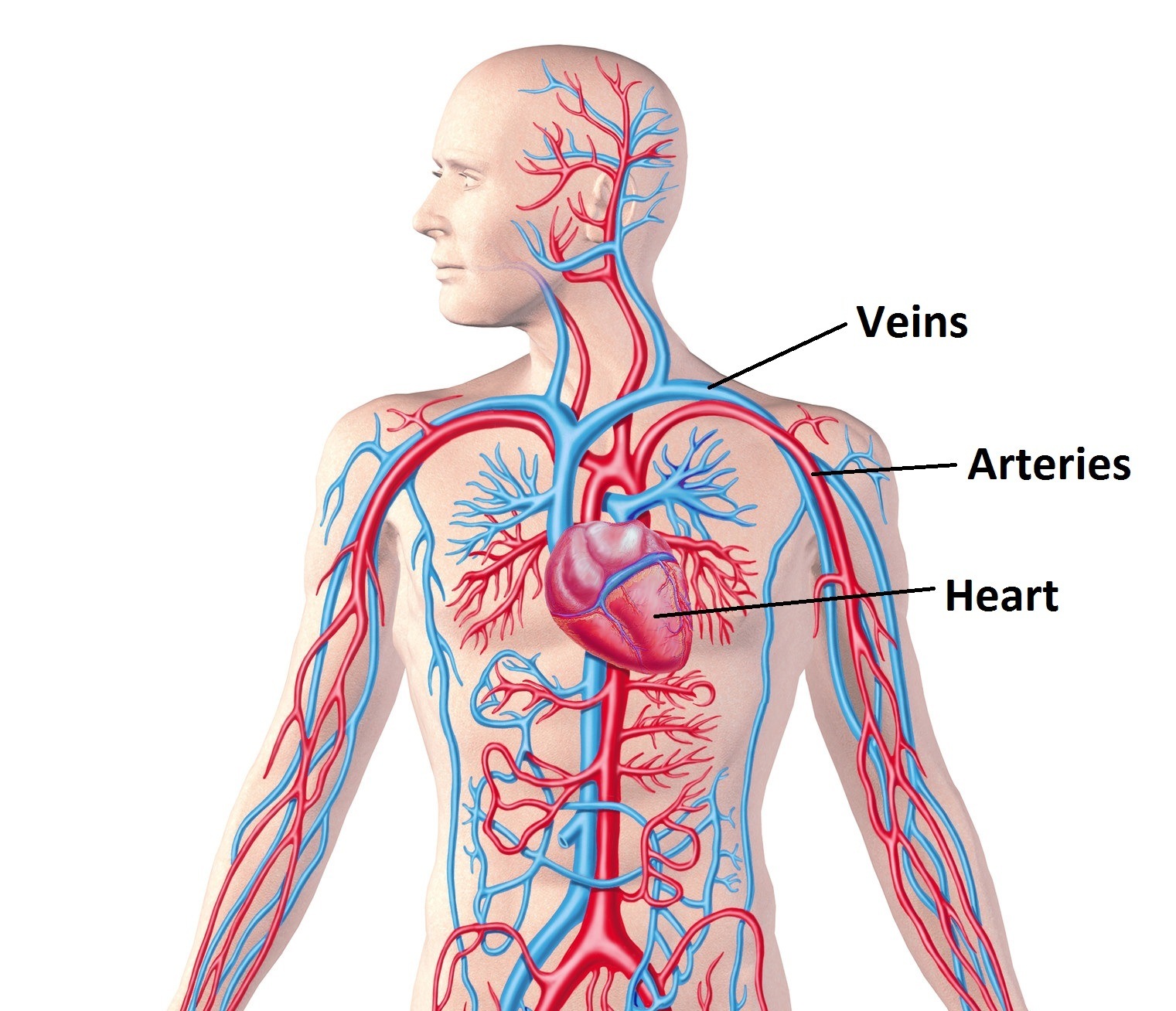
Which system allows blood to circulate throughout the body to transport oxygen and nutrients to all the cells and tissues?
Nervous
Respiratory
Circulatory
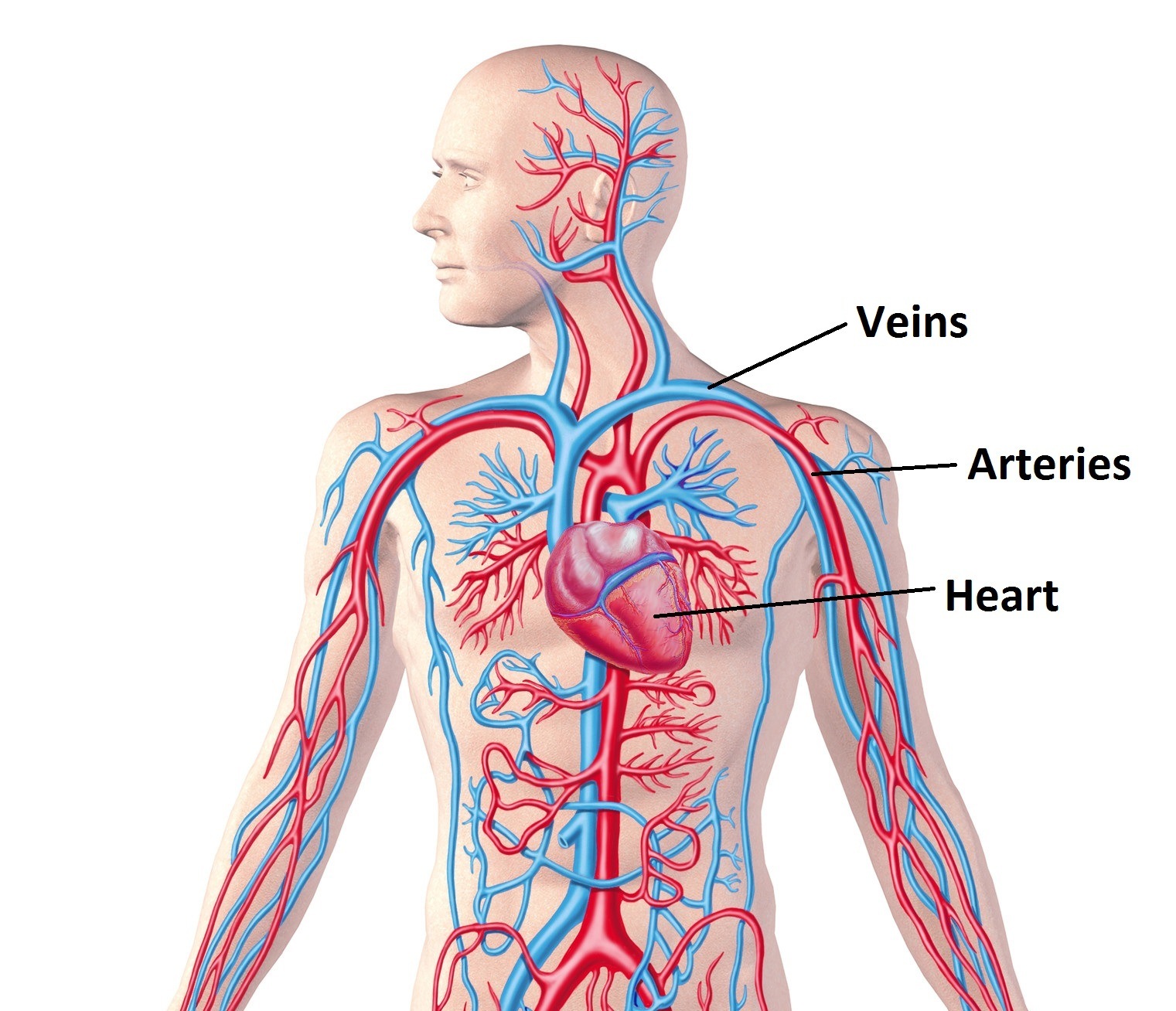
The circulatory system works with the __________ system to obtain energy from nutrients that we eat.
respiratory
digestive
skeletal
nervous
Hair color, height, eye color and freckles are examples of human traits. What do we call the physical expression of the genetic material of an organism?
genetics
heredity
genotype
phenotype
Heterozygous is when...
the alleles are the same.
the alleles are different.
the alleles are absent.
the alleles are present.

Emily has brown hair.
Which most likely explains why Emily has brown hair?
Emily’s favorite color is brown.
Emily has a parent with brown hair.
Emily’s older brother has brown hair.

Which statement best supports why many offspring look similar to their parents?
Offspring inherit traits from only one parent.
Offspring inherit traits from both parents.
Parents choose which traits to pass on to their offspring.
Which statement is true?
Your DNA is identical to your siblings.
Your DNA is identical to your father's.
Your DNA is identical to your mother's.
Your DNA is unique to you.

How many chromosomes do humans have?
46
23
96
21
43


Where are chromosomes found?
vacuole
cell membrane
nucleus
mitochondria
A change in an organism’s external environment that causes a response from the organism.
External Stimuli
Internal Stimuli
Energy Transformation
Turgor Pressure
A change in an organism’s internal environment that causes a response from the organism.
External Stimuli
Internal Stimuli
Energy Transformation
Turgor Pressure
The growth (or response) of a plant towards or away from LIGHT.
Phototropism
Geotropism
Thigmotropism
Hydrotropism
The growth (or response) of a plant towards or away from the Earth’s GRAVITY.
Phototropism
Geotropism
Thigmotropism
Hydrotropism
The growth (or response) of a plant towards or away from TOUCH.
Phototropism
Geotropism
Thigmotropism
Hydrotropism
The growth (or response) of a plant towards WATER.
Phototropism
Geotropism
Thigmotropism
Hydrotropism
A series of chemical reactions in plants that convert light energy, water and carbon dioxide into food energy and gives off oxygen (basically plants making their own food).
Tropism
Stimulus
Photosynthesis
Wilting
An organism’s ability to maintain steady internal conditions when outside conditions change, also called maintaining balance.
Homeostasis
Hormones
Hydrotropism
Homer
In plant cells, the force, exerted by the flow of water, within the cell that pushes the plasma membrane against the cell wall. This force gives plants structure and helps them stand up and not wilt.
External Stimuli
Internal Stimuli
Energy Transformation
Turgor Pressure

Which type of plant tropism response is shown in the video?
Phototropism
Geotropism
Thigmotropism
Hydrotropism

Which type of plant tropism response is shown in the video?
Phototropism
Geotropism
Thigmotropism
Hydrotropism

Which type of plant tropism response is shown in the video? Hint: The roots are growing towards the water source.
Phototropism
Geotropism
Thigmotropism
Hydrotropism

Which type of plant tropism response is shown in the video? Hint: Even though the plant is laying on its side, it starts growing up (away from the Earth's gravitational force).
Phototropism
Geotropism
Thigmotropism
Hydrotropism

What plant cell process is being shown in this video after the water is added to the soil?
The plant cell vacuoles are filling with water and increasing turgor pressure.
The plant cell vacuoles are losing water and decreasing turgor pressure.
The plant cell vacuoles are loosing water and starting to collapse from gravitational pressure.
The plant cell vacuoles are responding to light and forcing the plant to grow upwards.
Any change in an organism’s environment that causes the organism to react. Example: The Sun would be this for a plant demonstrating phototropism.
Stimulus
Response
Effect
Force
How an organism reacts to a stimulus, usually resulting in a change of behavior. Example: A plant grows towards a window because of the light from the Sun.
Stimulus
Response
Effect
Force
The plant organelle that uses light energy to make food from water and carbon dioxide in a process known as photosynthesis.
Nucleus
Chloroplast
Vacuole
Mitochondria
Plant growth toward or away from an external stimulus.
Tropism
Transpiration
Wilting
Turgor Pressure
What are the 3 reactants of photosynthesis? The reactants are the things needed for photosynthesis to occur.
oxygen, glucose, sunlight
sunlight, oxygen, water
water, oxygen, carbon dioxide
carbon dioxide, sunlight, water

What pigment captures/absorbs sunlight?
stomata
chlorophyll
chloroplast
phloem

What is the tiny openings that let in the carbon dioxide needed for photosynthesis?
stomata
xylem
phloem
chloroplast

How does water travel from the roots to the plan leaf? Name the structure that carries water.
stomata
phloem
chloroplast
xylem
What are the 2 products of photosynthesis? The products are the things made in the process of photosynthesis.
water, sunlight
glucose, carbon dioxide
oxygen, glucose
sunlight, oxygen
What is the main purpose of photosynthesis?
To make food
To create energy
To release oxygen
To absorb sunlight

Which product is "waste" and mostly released by the producer (plant)?
oxygen
carbon dioxide
sugar
glucose
Which of the following are TRUE statements? (Select ALL that apply)
Photosynthesis takes place in the chloroplasts of leaf cells
Photosynthesis means "making food using sun"
Photosynthesis can occur in the dark
All plants, plant-like protists, and some bacteria go through photosynthesis
What is the digestive system?
A system to take out the bad stuff that's in your body
A system where a certain group of organs work together to convert food into energy to feed the body
A system where certain organs in the body digest the food you eat
A system that the organs in the stomach make food for the body to digest.
What does the small intestine do?
reabsorbs the water after the process of the system.
Absorbs most of the end of the nutrients and minerals from where the food takes place.
keeps the stomach in balance for when the system starts.
Absorbs most of the food that's left from the process.

Which parts of the diagram is the small and large intestine?
A~ small intestine
E~ large intestine
D~ small intestine
E~ large intestine
C~ large intestine
B~ small intestine
A~ large intestine
C~ small intestine
E~ small intestine
D~ large intestine

Skeletal/ Voluntary
Smooth/Involuntary
Cardiac/involuntary
Rough/voluntary
What are the functions of the muscular system. Select all the apply.
Helps you see
Helps you move
Helps fight diseases
Creates heat
Helps your heart beat
How should you care for your muscular system. Select all that apply.
Exercise regularly.
Eat fast food on a daily basis.
Warm-up before and cool-down after exercise.
Stretch to remain flexible.
Eat healthy foods, especially foods high in protein.
Turgor pressure is-
a force that keeps the plant turning toward the sun.
is an outward force exerted on the cell wall of a plant cell.
the cell part that contains chlorophyll and carries out photosynthesis
is a force that is measured in kilometers.
How are forces associated with seedling emergence and turgor pressure similar?
Both are the result of a negative force
both are the result of a pushing force
both are the result of a gravitational force
both are the result of a pulling force
Plants maintain a constant size and shape due to-
turgor pressure
buoyancy
density
cytoplasm
in a germinating seed, the direction of the stem and root growth is a response to--
water
sunlight
density
gravity
When a plant wilts or droops, it is displaying a response to -
gravity
negative homeostasis
excessive humidty
a lack of turgor pressure
a plant has the roots growing downward and the stem growing upward. Which of the following correctly labels the plant response shown?
Roots show positive geotropism. Stem shows negative geotropism.
Roots show negative geotropism. Stem shows positive geotropism.
Both the roots and the stem show positive geotropism.
Both the roots and the stem show negative geotropism.
What is the function of the nucleus?
Makes proteins for the cell
Produces energy for the cell
Control center of the cell
Regulates what enters and exits the cell
What is found in the nucleus?
Chromosomes
DNA
Genes
All of the options
What are threadlike structures found in the nucleus?
Chromosomes
DNA
Genes
Alleles
What are chromosomes made of?
Ribosomes
DNA
Mitochondria
Chloroplasts
Which statement describes what DNA is?
A ladder shape
A threadlike material
A single gene in a gene pair
Instructions for the organism
What are genes?
A section of DNA
A pair of chromosomes
The control center of a cell
What is the code for a specific trait?
A chromosome
An allele
A gene
DNA
How many alleles are found in a gene?
1
2
3
4

Identify the structure in the illustrations
Eukaryotic Cell
Nucleus
Chromosome
DNA
Gene

Identify the structure in the illustrations
Eukaryotic Cell
Nucleus
Chromosome
DNA
Gene

Identify blue section in the structure in the illustration
Eukaryotic Cell
Nucleus
Chromosome
DNA
Gene
Structures that are made up of DNA (genetic material) and proteins. (Strands or X’s)
Eukaryotic Cell
Nucleus
Chromosome
DNA
Gene
A macromolecule made that contains genetic information in segments called genes.
Eukaryotic Cell
Nucleus
Chromosome
DNA
Gene
Sexual reproduction results in
Genetically unique offspring
Genetically identical offspring
Some advantages of sexual reproduction include: (select all that apply)
genetic variation
improves chances of adapting to the environment
helps species survive catastrophes
it doesn't take as much energy as asexual reproduction
When an offspring grows off from the body of a parent organism it is called __________________.
budding
fission
fragmentation
sporulation

Which of these is NOT an advantage of asexual reproduction.
Enables organisms to reproduce without a mate
Requires less time and energy
Results in little genetic variation
Enables organisms to produce large amounts of offspring
Enables plants to spread and colonize an area in a short period of time

Which is a type of Asexual Reproduction
Sexual
Binary fission
Cells
organism
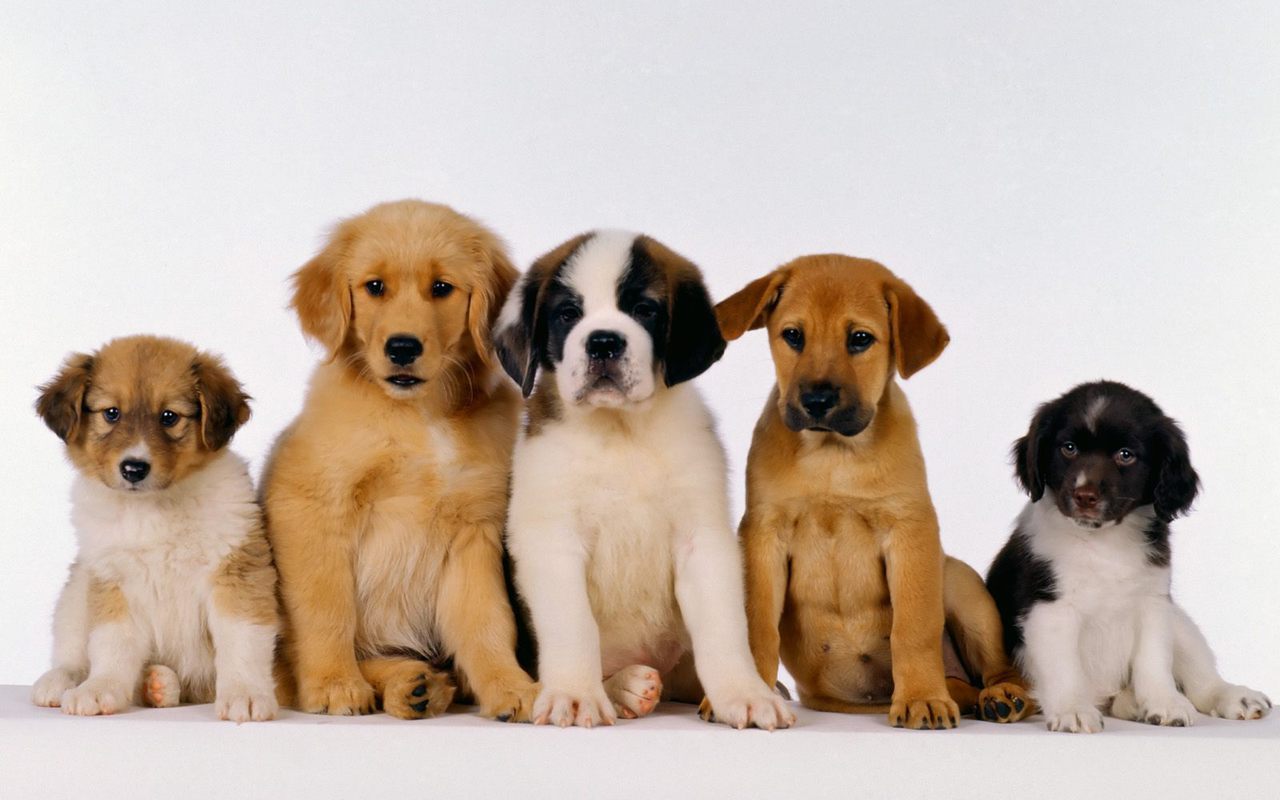

What is one advantage of sexual reproduction?
One parent
Greater genetic diversity
Faster

The functions are the skeletal system are
To support the body, protect the organs, store calcium, and produce blood cells
to regulate the composition of body fluids by removing metabolic wastes and retain the balance of water, salt, and other nutrients
to regulate and maintain bodily functions by producing hormones and releasing them into the blood stream
to enable the diffusion of oxygen into the bloodstream and the removal of carbon dioxide from the bloodstream
What are the 2 organs in the skeletal system?
muscles and joints
joints and bones
heart and lungs
kidney and pancreas

Where is new blood cells created?
In the scapula
In bone marrow, located inside the bone
In the patella
In bone marrow, located inside the muscle tissue

