Wayground logo

Free Printable Worksheets

Font size

S
M
L
XL
Worksheets

Unit 1 - Matter

Total questions: 56

Worksheet time: 38mins

Name
Class
Date
1.
Is this equation balanced or unbalanced? 
H2 + O2 --> H2O
a)
balanced
b)
unbalanced
2.
The Law of Conservation of matter states that the total amount of matter ______________ after it undergoes change.
a)
disappears
b)
stays the same
c)
weighs less
d)
explodes
3.
Matter can under go two types of changes:
a)
happy and sad
b)
physical and chemical
c)
exploding and folding
4.
Matter is anything that
a)
takes up space and has mass.
b)
is in our universe.
c)
is light, sound or ideas.
5.
What is the Law of Conservation of mass?
a)
Mass is created in a chemical reaction
b)
Mass is created in a physical change
c)
New chemicals formed from a chemical reaction have a larger overall mass than the original reactants
d)
Mass is never created or destroyed
6.
Ice turns into water then steam.  This is an example of 
a)
plasma
b)
production
c)
physical change
d)
chemical change
7.

What does "yields" mean?

a)

creates

b)

makes

c)

gives way to

d)

all of the above

8.

A chemical reaction is when...

a)

A substance is broken or combined with a new substance

b)

melting

c)

a substance turns into another substance

d)

things explode

9.

Melting ice

a)

physical change

b)

chemical change

10.

Burning wood

a)

physical change

b)

chemical change

11.

Burning coal

a)

chemical change

b)

physical change

12.

Soured milk

a)

physical change

b)

chemical change

13.

Which change describes a substance that changes shape, form, or appearance but is still the same substance?

a)

physical change

b)

chemical change

14.

What happens when a new substance is produced during a reaction?

a)

chemical change

b)

physical change

15.

broken glass

a)

physical change

b)

chemical change

16.
Substances that form as the result of a chemical reaction
a)
products
b)
reactants
c)
coefficients
d)
subscripts
17.
Substances present at the start of a chemical reaction
a)
subscripts
b)
coefficients
c)
reactants
d)
products
18.
all matter is made of what 
a)
energy 
b)
atoms 
c)
electrons 
d)
compounds 
19.
The positive particles of an atom are 
a)
electrons 
b)
positrons 
c)
neutrons 
d)
protons 
20.
the central region of an atom where its neutrons and protons are is its 
a)
nucleus 
b)
electron cloud
c)
core 
d)
center 
21.
an atom with atomic number 6 would have how many protons 
a)
6
b)
12
c)
3
d)
cannot be determined 
22.
Particles in an atom that are neutral and have no charge are 
a)
negatrons 
b)
electrons 
c)
neutrons 
d)
protons 
23.

A particle that is negative and moves around the nucleus is a(n)...

a)

Proton

b)

Neutron

c)

Electron

d)

Quark

24.

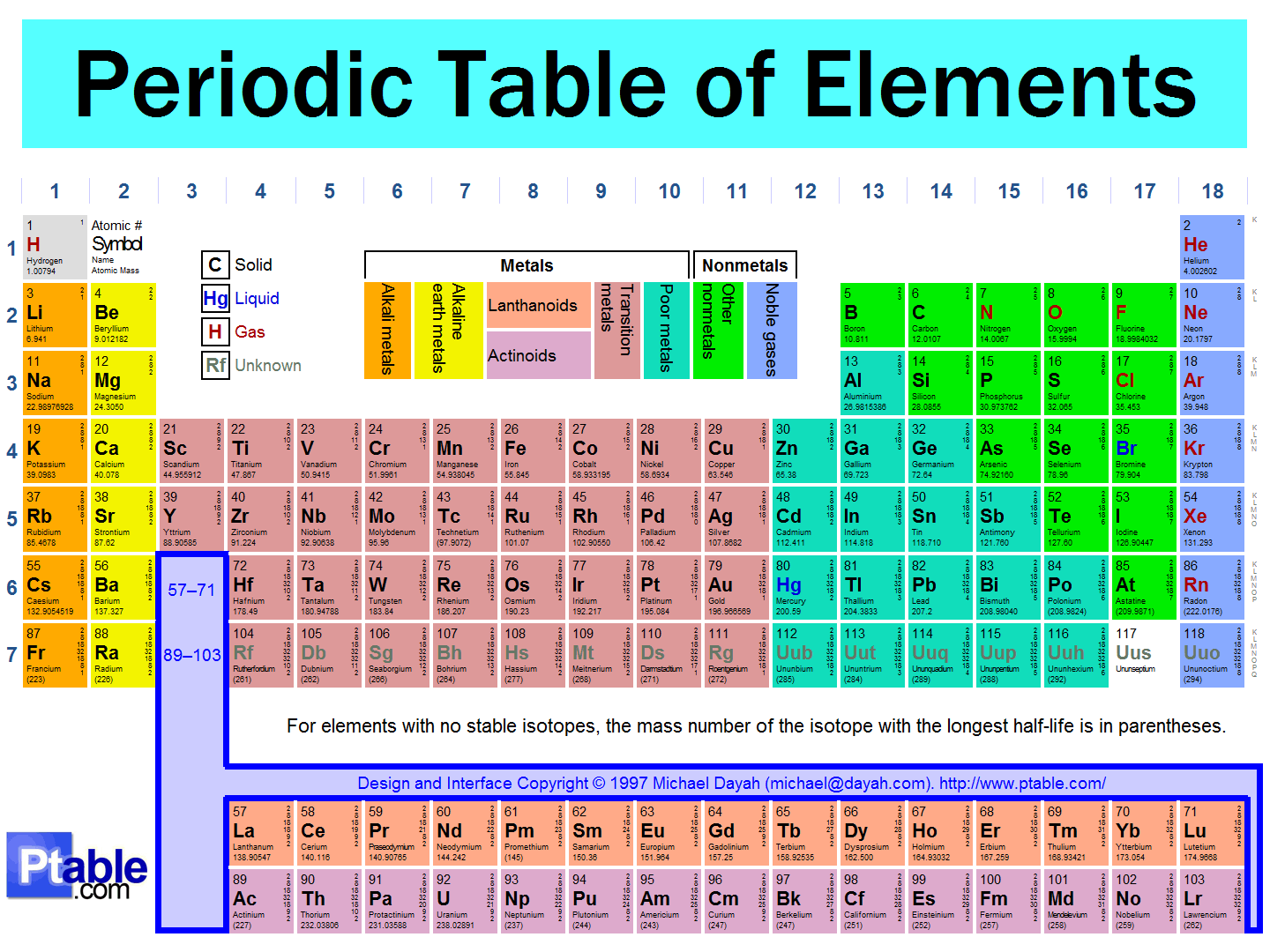
What does the 1.00794 stand for?

a)

mass number

b)

atomic number

c)

average atomic mass

d)

number of protons

25.
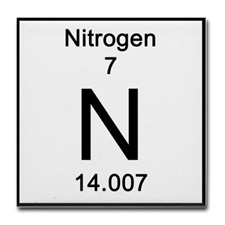
What is the number of protons that the element in this image contain?
a)
14
b)
7
c)
15
d)
18
26.

If an atom has 12 protons, which of the following must it also have to be considered a neutral atom?

a)

12 neutrons

b)

12 electrons

c)

12 protons

d)

24 protons and neutrons

27.

What two particles determine the mass number?

a)

Protons and electrons

b)

Electrons and neutrons

c)

Protons and neutrons

28.

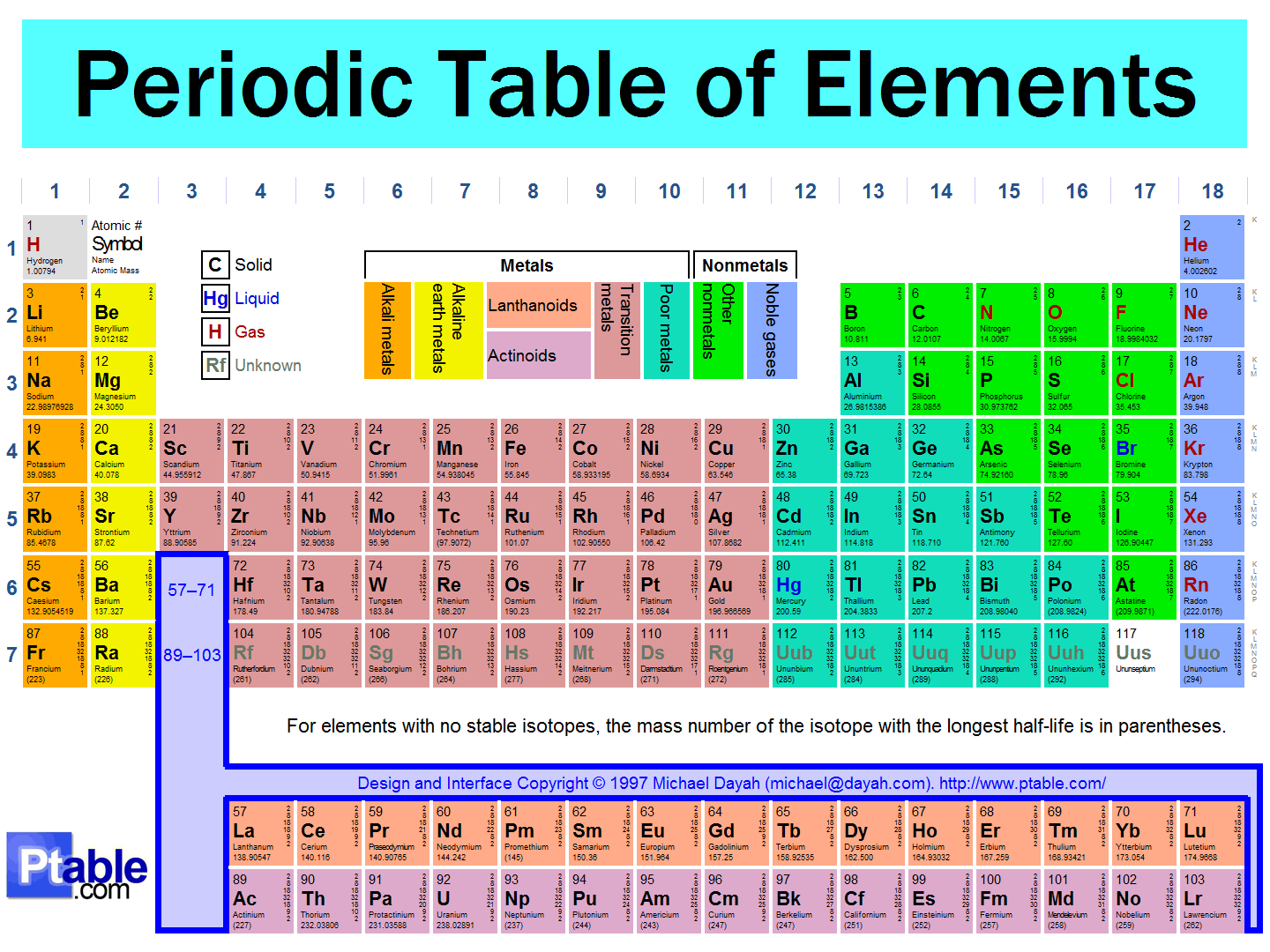
The vertical (up and down) columns in the Periodic Table are called

a)

groups

b)

towers

c)

periods

d)

atomic numbers

29.

The horizontal (side to side) rows in the Periodic Table are called

a)

groups

b)

families

c)

periods

d)

atomic numbers

30.
What are the two types of Mixtures
a)
Elements and Subatomic Particles
b)
Protons and Electrons
c)
Atoms and Compounds
d)
Homogenous and Heterogeneous
31.
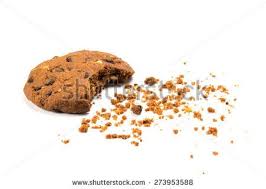
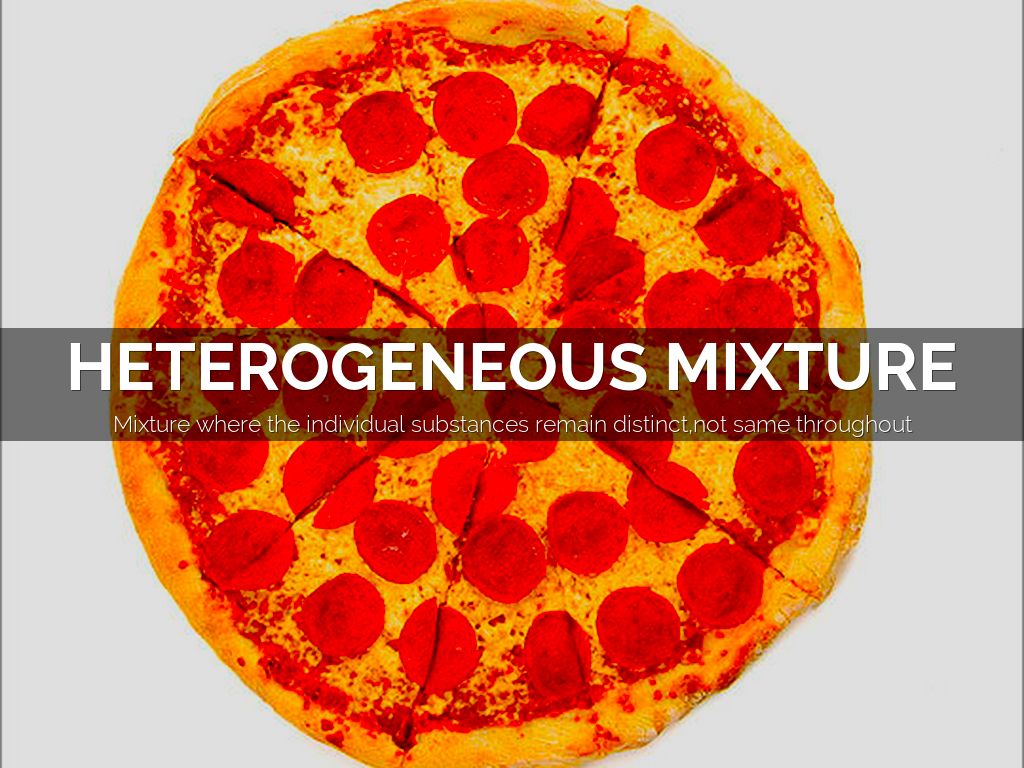
Cookies and cream ice cream would be classified as
a)
A homogenous mixture
b)
A heterogenous mixture
c)
An element
d)
A compound
32.
Two substances physically combined and that appears the same throughout is classified as
a)
A homogeneous mixture
b)
A heterogeneous mixture
c)
An element
d)
  A compound
33.
Two elements chemically combined defines
a)
A homogeneous mixture
b)
A heterogeneous mixture
c)
An element
d)
A compound
34.
What does it mean if a mixture is heterogeneous?
a)
you can see the different parts
b)
cannot tell one part from another
c)
very well blended
d)
made of elements
35.
What does it mean if a mixture is homogeneous?
a)
you can see the different parts
b)
cannot tell one part from another
c)
chunks of particles
d)
made of elements
36.
Elements and compounds are always ___.
a)
pure
b)
mixed
37.
What bond involves the sharing of electrons?
a)
Ionic
b)
Transitive
c)
Covalent
38.
What kind of bond forms when atoms exchange electrons?
a)
ionic
b)
covalent
c)
artificial
d)
univalent
39.
Substance that consists of one type of atom.  It is a pure substance. Found on the Periodic Table. 
a)
Element
b)
Compound
c)
Mixture
d)
I don't know
40.
Combinations of 2 or more substances (elements and compounds) that are physically blended together. 
a)
Compound
b)
Mixture
c)
Element
d)
Substance
41.
Pure oxygen (O) is an example of...
a)
an element
b)
a mixture
c)
a compound
42.
An example of ...
a)
A mixture
b)
A compound
c)
An element 
43.

A Mixture is defined as

a)

A combination of two or more substances that are not chemically combined

b)

A combination of compounds that are chemically bonded

c)

2 or more elements chemically bonded

44.

Matter is divided into two categories:

a)

Elements and compounds

b)

Mixtures and pure substances

c)

Protons and neutrons

d)

Heterogenous and homogenous

45.

Compounds can be physically separated...

a)

True

b)

False

46.
What types of elements are involved in a covalent bond?
a)
A nonmetal and a metal
b)
Two nonmetals
c)
Gases Only
d)
Metalloids Only
47.
Ionic bonds occur between...
a)
A metal and a nonmetal
b)
Two metals
c)
Two nonmetals
d)
Two gases
48.

Salt is a(n)

a)

Element

b)

Compound

c)

Mixture

49.

Saltwater is a(n)

a)

Element

b)

Compound

c)

Mixture

50.

Sodium and Chlorine are likely to form a(n)...

a)

ionic bond

b)

covalent bond

51.

Two oxygen atoms are likely to form a(n)

a)

Ionic bond

b)

Covalent bond

52.

Atoms bond so that...

a)

They can get the right amount of protons

b)

They can get the right amount of electrons

53.
The pH scale is a range from:
a)
1-7
b)
0-14
c)
1-5
d)
1-20
54.
A(n) ______ is a substance with a pH less than 7
a)
Acid
b)
Alkaline
c)
Base
d)
Buffer
55.
A(n) _______ is a substance with a pH greater than 7.
a)
Base
b)
Acid
c)
Buffer
d)
Water
56.

What is the colour of phenolphthalein in a base ?

a)

Pink

b)

Blue

c)

Red

d)

Colourless