wayground logo

Free Printable Worksheets

NEW

Font size

S
M
L
XL
Worksheets

atomic number and atomic mass

Total questions: 50

Worksheet time: 13hrs 30mins
Name
Class
Date
1.
What is the atomic number?
a)
the number of protons
b)
the number of protons and neutrons
c)
the number of neutrons
d)
the number of protons and electrons
2.
What is the mass number defined as?
a)
the number of protons
b)
the number of protons and neutrons
c)
the number of neutrons
d)
the number of protons and electrons
3.

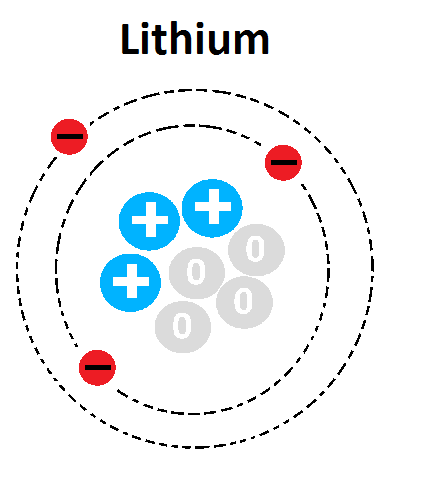
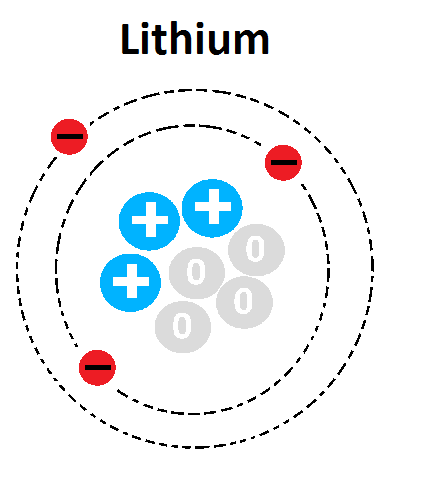
What is the atomic number of this atom? (3 protons, 4 neutrons, 3 electrons)

a)

1

b)

3

c)

4

d)

7

4.

What is the mass number of this atom?

a)

1

b)

3

c)

4

d)

7

5.

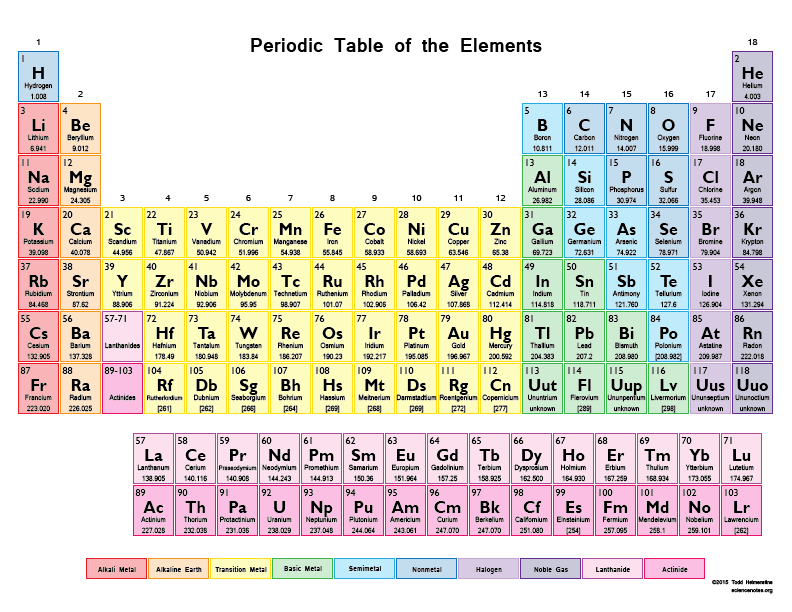
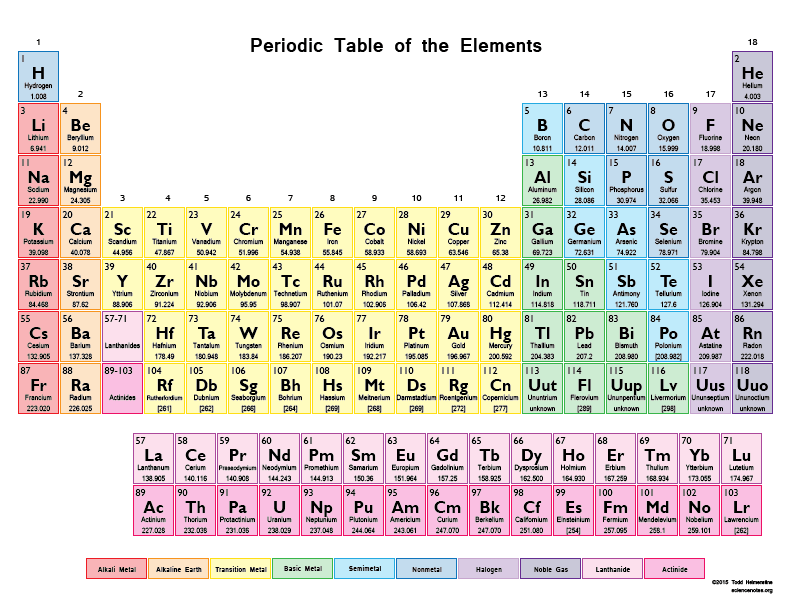
What is the atomic number of Barium, Ba? (enlarge the periodic table, if you can't read this, look at the periodic table I gave you)

a)

20

b)

38

c)

56

d)

88

6.

What is the atomic number of Nickel? (enlarge the periodic table)

a)

110

b)

28

c)

46

d)

78

7.

How many protons are in a sodium atom, Na? (tap to enlarge the periodic tableif you can't read this, look at the periodic table I gave you)

a)

Sodium has 1 proton.

b)

Sodium has 3 protons.

c)

Sodium has 11 protons

8.

An element has the mass number 12 and atomic number 6. The number of neutrons in it is:

a)

6

b)

10

c)

4

d)

8

9.

Atoms of the same element which have a different number of neutrons are called _________________.

a)

ions

b)

isotopes

c)

quarks

d)

molecules

10.

Which subatomic particle has a negative charge in the atom?

a)

proton

b)

neutron

c)

electron

d)

quark

11.

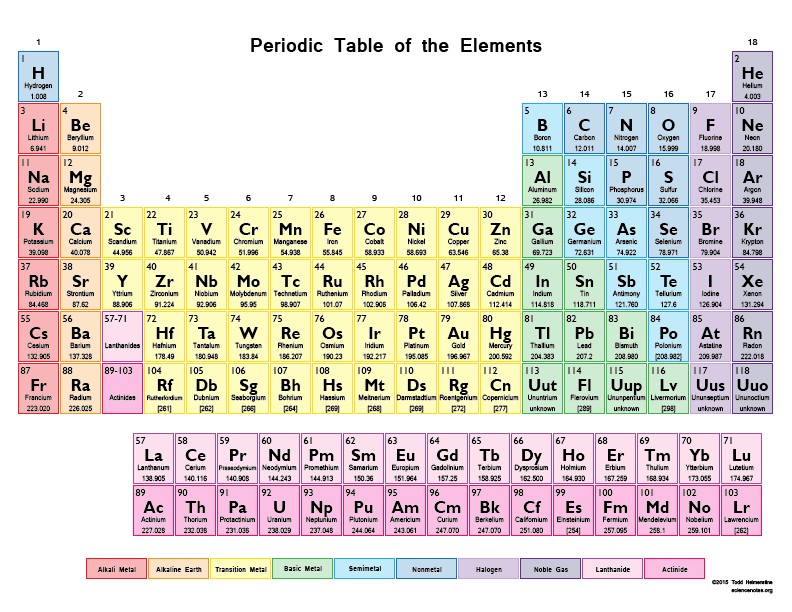
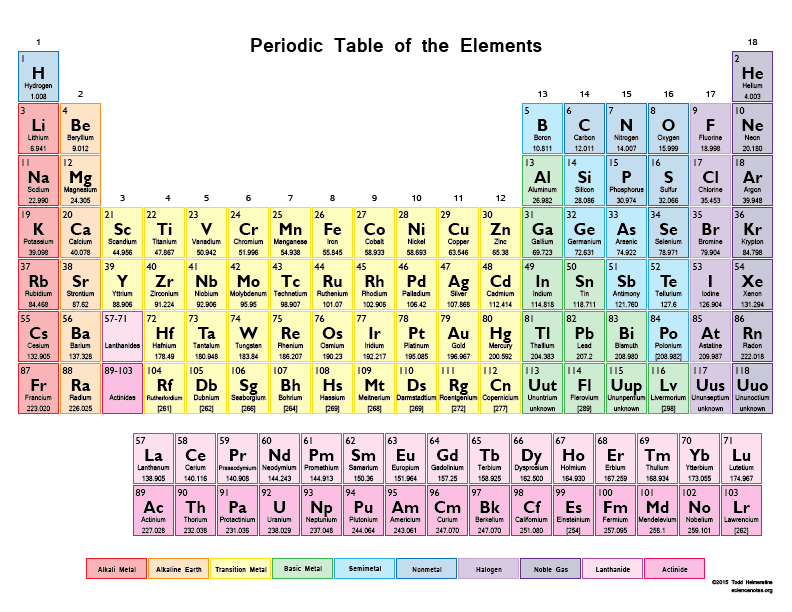
How many neutrons does C-14 [atomic #6] contain? (tap to enlarge the image, if you can't read this, look at the periodic table I gave you)

a)

6

b)

7

c)

14

d)

8

12.

How many neutrons does an atom of the isotope Neon-22 have? (tap to enlarge the image, if you can't read this, look at the periodic table I gave you)

a)

12

b)

10

c)

22

d)

20

13.

How many neutrons does an atom of Nitrogen-13 have? (tap to enlarge the image, if you can't read this, look at the periodic table I gave you)

a)

6

b)

7

c)

13

d)

5

14.

Isotopes have different numbers of

a)

protons

b)

neutrons

c)

electron

d)

properties

15.

The number in Kr-84 represents what about Krypton?

a)

The number of electrons

b)

The number of protons

c)

The mass number

16.

If an atom has 10 electrons, how many protons does it have?

a)

0

b)

1

c)

10

d)

5

17.

How many electrons are in an atom with an atomic number of 50?

a)

5

b)

8

c)

50

d)

2

18.

What is the mass number of this atom? (9 protons, 10 neutrons, 10 electrons)

a)

9

b)

10

c)

19

d)

27

19.

What is the mass number of this atom? (1 proton, 1 electron, 0 neutrons)

a)

1

b)

2

c)

3

d)

4

20.
An element with a mass number of 11 and an atomic number of 5 has how many neutrons?
a)
11
b)
5
c)
6
d)
16
21.
Most of the mass of an atom is contained here.
a)
electron orbitals 
b)
nucleus
c)
shells
d)
atomic #
22.
A phosphorus atom has 15 protons and 16 neutrons. What is the mass number?
a)
15
b)
16
c)
31
d)
1
23.
An atom of argon has 18 protons and 22 neutrons. How many electrons does it have?
a)
18
b)
22
c)
40
d)
4
24.
What element has 20 protons? (Use your periodic table.)
a)
Potassium (K)
b)
Calcium (Ca)
c)
Nitrogen (N)
d)
Neon (Ne)
25.
What element has 16 protons? (Use your periodic table.)
a)
Oxygen (O)
b)
Sulfur (S)
c)
Phosphorus (P)
d)
Boron (B)
26.
How many electrons does a neutral atom of Neon have?
a)
10
b)
18
c)
20
d)
30
27.
Which particles are NOT included in the mass number?
a)
Protons
b)
Protons and Neutrons
c)
Electrons
d)
Neutrons
28.
Oxygen has 8 protons. What is oxygen's atomic number?
a)
16
b)
8
c)
15.999
d)
0
29.
What is true about a neutral atom?
a)
The number of protons equal the number of neutrons
b)
The number of protons equal the number of electrons
c)
The number of neutrons equal the number of electrons
d)
The number of protons, neutrons, and electrons are all different
30.
The nucleus is ____________ charged whereas the electron cloud is ____________ charged. 
a)
negatively, positively
b)
negatively, negatively
c)
positively, positively
d)
positively, negatively
31.
The  mass of an atom is located  in the ___________ and the volume of an atom is made of the ____________
a)
electron cloud, nucleus
b)
electron cloud, energy levels
c)
nucleus, electron cloud
d)
nucleus, neutrons
32.
Nitrogen has three occurring isotopes: Nitrogen-13, Nitrogen-14, Nitrogen-15. Which isotope is the most abundant?
a)
Nitrogen-13
b)
Nitrogen-14
c)
Nitrogen-15
d)
Based on the information given, it cannot be determined
33.
Do the following atoms belong to the same element? Explain
       Aluminum-27
       An atom with 14 protons and 13 neutrons
a)
Yes because they have the same number of protons
b)
Yes because they have the same mass
c)
No because they have different number of protons
d)
No because they have different number of neutrons
34.
Calcium has three different isotopes. One has a mass of 35.00 amu; another has a mass of 41.00 amu; and another has a mass of 40.00 amu. Which isotope is the most abundant of the three?
a)
40.00 amu
b)
41.00 amu
c)
35.00 amu
d)
impossible to tell
35.
Atom 1 has Mass=12  Protons=6
Atom 2 has Mass= 14 Electrons=6
Are these atoms isotopes of each other or different elements?
a)
Different Elements - Mg & Si
b)
Different Elements - Ar & Ca
c)
Isotopes of Carbon
d)
Isotopes of Magnesium
36.
Which particle has a positive charge?
a)
electron
b)
orbital
c)
proton
d)
neutron
37.
Choose the particle that has no charge.
a)
nucleus
b)
neutron
c)
proton
d)
electron
38.
This particle determines what element you have - the elements identity.
a)
electron
b)
proton
c)
neutron
d)
valence shell
39.
Which particles make up the nucleus of an atom?
a)
protons and neutrons
b)
electrons and protons
c)
electrons, protons, and neutrons
d)
electrons and neutrons
40.
What is the mass number and name of an element with 8 protons and 8 neutrons?
a)
16 - Carbon
b)
16 - Oxygen
c)
24 - Oxygen
d)
8 - Neon
41.
All of the mass of an atom comes from what location?
a)
nucleus
b)
electron cloud
42.
A neutral atom of Carbon-13 has ________ electrons and _________ neutrons
a)
13, 13
b)
6, 7
c)
7, 7
d)
6, 6
43.
An element has two naturally occurring isotopes. One is 10.013 amu and is 19.9% abundant. The other is 11.01 amu and is 80.1% abundant. What is the average atomic mass? What element is it?
a)
9.012, Beryllium
b)
12.011, Carbon
c)
6.941, Lithium
d)
10.812, Boron
44.
24.1% of all the isotopes of a an element have a mass of 75.23 amu, 48.7% have a mass of 74.61 amu, and 27.2% have a mass of 75.20 amu.
How many protons does this element have?

a)
32
b)
33
c)
34
d)
no way to know
45.
An element with 4.35% have a mass of 49.9461 amu, 83.79% have amass of 51.9405 amu, 9.50% have a mass of 52.9407 amu, and 2.36% have a mass of 53.9389amu.
a)
51.99 amu
b)
52.19 amu
c)
53.45 amu
d)
17.33 amu
46.
4.35% of all X atoms have a mass of 39.946 amu. 83.79% have a mass of 41.941 amu, 9.50% have a mass of 42.941 amu, and 2.36% have a mass of 43.939 amu. What is the average atomic mass of atom X?
a)
41.97 amu
b)
42.19 amu
c)
10.43 amu
d)
40.04 amu
47.
An isotope has three forms.  30% have a mass of 4 amu, 20% have a mass of 5 amu and 50% have a mass of 3 amu.  Average atomic mass will be closest to
a)
2 amu
b)
3 amu
c)
4 amu
d)
5 amu
48.

Calculate the average atomic mass of silver. (mass of 106.90509, 51.86% and mass of 108.90470 is the rest)

a)

106.38649amu

b)

111.91896amu

c)

107.8677amu

d)

121

49.
An element has two naturally occurring isotopes. One is 10.013 amu and is 19.9% abundant. The other is 11.01 amu and is 80.1% abundant. What is the average atomic mass? What element is it?
a)
9.012, Beryllium
b)
12.011, Carbon
c)
6.941, Lithium
d)
10.812, Boron
50.

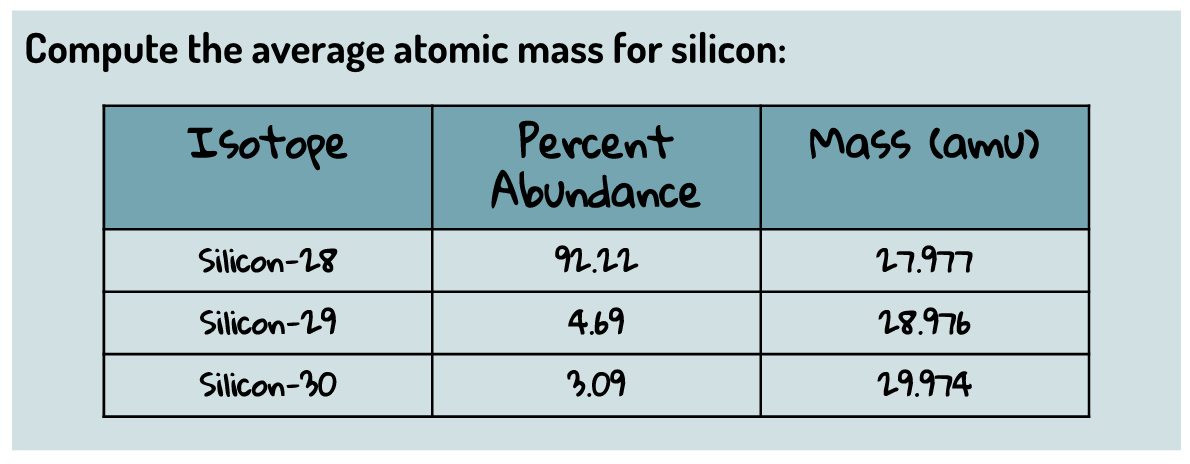
Compute the average atomic mass for silicon: (92.22% is 27.977, 4.69% is 28.976 and 3.09% is 29.974

a)

27.977

b)

28.09

c)

28.976

d)

The average mass cannot be determined from provided information.