
 Worksheets
Matter - States, Forces, Energy
Total questions: 46
Worksheet time: 29mins
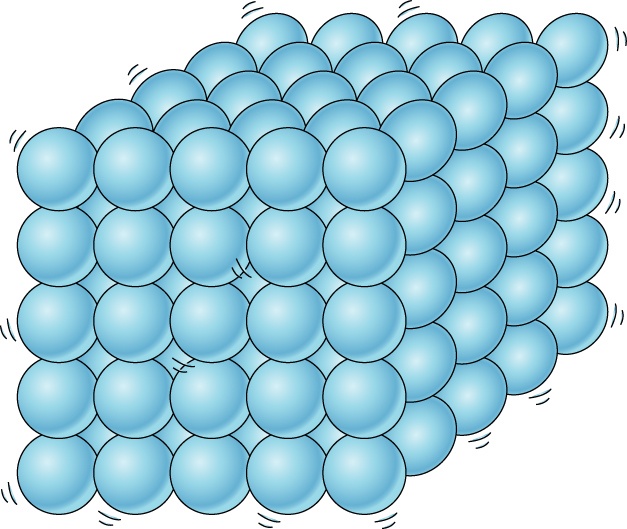
What state of matter?
Solid
Liquid
Gas
Plasma!!!
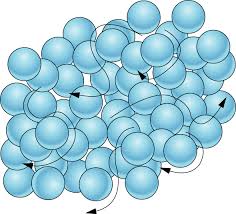
What state of matter?
Solid
Liquid
Gas
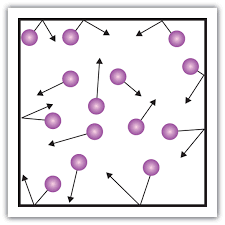
What state of matter?
Solid
Liquid
Gas
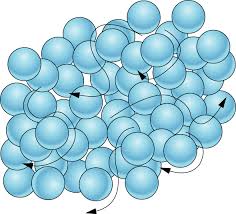
Which is not true about the liquid state of matter?
The liquid state has a definite volume and a definite shape.
The liquid state takes on the shape of its container.
The liquid state has a definite volume and an indefinite shape.
The particles in a liquid can easily move past each other.
Which process could cause a material to change state from gas to liquid?
Adding heat
Adding energy
Removing particles
Removing energy
If I add heat to a solid, how will the motion of the particles be affected?
They will move slower
They will stop moving
They will move faster
They will move to a different container
Energy is neither _______Nor ____________, Energy is ______________.
created,Destroyed,Transfered
cheated,forgotten, remembered
Lost,found,just there
Created,Lost, found
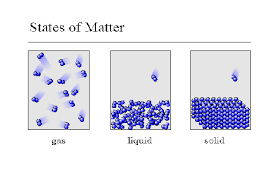
At higher temperatures
particles in an object have less kinetic energy
particles in an object move faster
a gas contracts
A physical change from gas to liquid is called....
expansion
evaporation
condensation
sublimation
Which of the following states of matter has the LOWEST level of kinetic energy?
Solid
Liquid
Gas
Plasma
Which of the following states of matter can easily be compressed?
Solid
Liquid
Gas
"Kinetic" refers to
motion
heat
density
forces
The kinetic theory of matter states that all particles are constantly
growing
contracting
reacting
moving

Two identical beakers each contain water. The temperature of each is 20oC. Which one has more heat energy and why?
They both have the same amount of heat energy because the temperature is the same
The one on the right has more heat energy because there is more water
The one on the left has more heat energy because there is less water.
The process where a gas turns to a liquid is called?
Melting
Freezing
Evaporation
Condensation
Particles that can change without going through the liquid phase is called
Melting
Freezing
Sublimation
Boiling
The force that pulls objects towards the center of the Earth.
Gravity
Friction
Inertia
Force
Three cars (small mass - medium mass and lots of mass) are traveling at the same speed. Which car has more kinetic energy?
The smallest one because it has less mass
They have the same kinetic energy because they are moving at the same speed
The one with the most mass.
None of them have kinetic energy
The force that pulls objects toward the center of the earth
gravity
forces
inertia
Energy that is stored
potential
kinetic
movement
An example of something that stores chemical energy is ____________.
lightening
a microwave
a match
light
What type of energy transformation is taking place when natural gas is used to heat water?
chemical energy into thermal energy
thermal energy into mechanical energy
mechanical energy into electromagnetic energy
electromagnetic energy into chemical energy
Energy stored in the nucleus of an atom is called __________.
electromagnetic energy
nuclear energy
mechanical energy.
chemical energy.
To maintain your body temperature, your body converts chemical energy into ____________________ energy.
potiential
thermal
chemical
mechanical

Which position would represent the most potential energy and the least kinetic energy?
A
B
C
D

