
 Worksheets
Final P.4 - Species Interactions Practice Test
Total questions: 50
Worksheet time: 30mins
Which of the following could organisms compete for?
food
water
living space
sunlight

When finches left their origin (scientists think perhaps the Caribbean) and ended up on the Galapagos Islands, they were _____ from their original home.
immigrating
emigrating
Which of the following occurs when individuals join a population?
immigration
emigration
Populations _____ when individuals are born.
increase
decrease
stay the same
A symbiotic relationship in which one organism benefits while the other is harmed is called
mutualism
commensalism
parasitism
A symbiotic relationship in which one organism benefits and the other remains unaffected is called
mutualism
commensalism
parasitism
Which of the following is an example of an abiotic factor?
temperature
squid
coral reef
bacteria
Which of the following is the best example of mutualism?
a dog steals a bone from another dog
a tiger hunts and eats a deer
a bird eats ticks from a zebra's skin
a bee stings a jogger
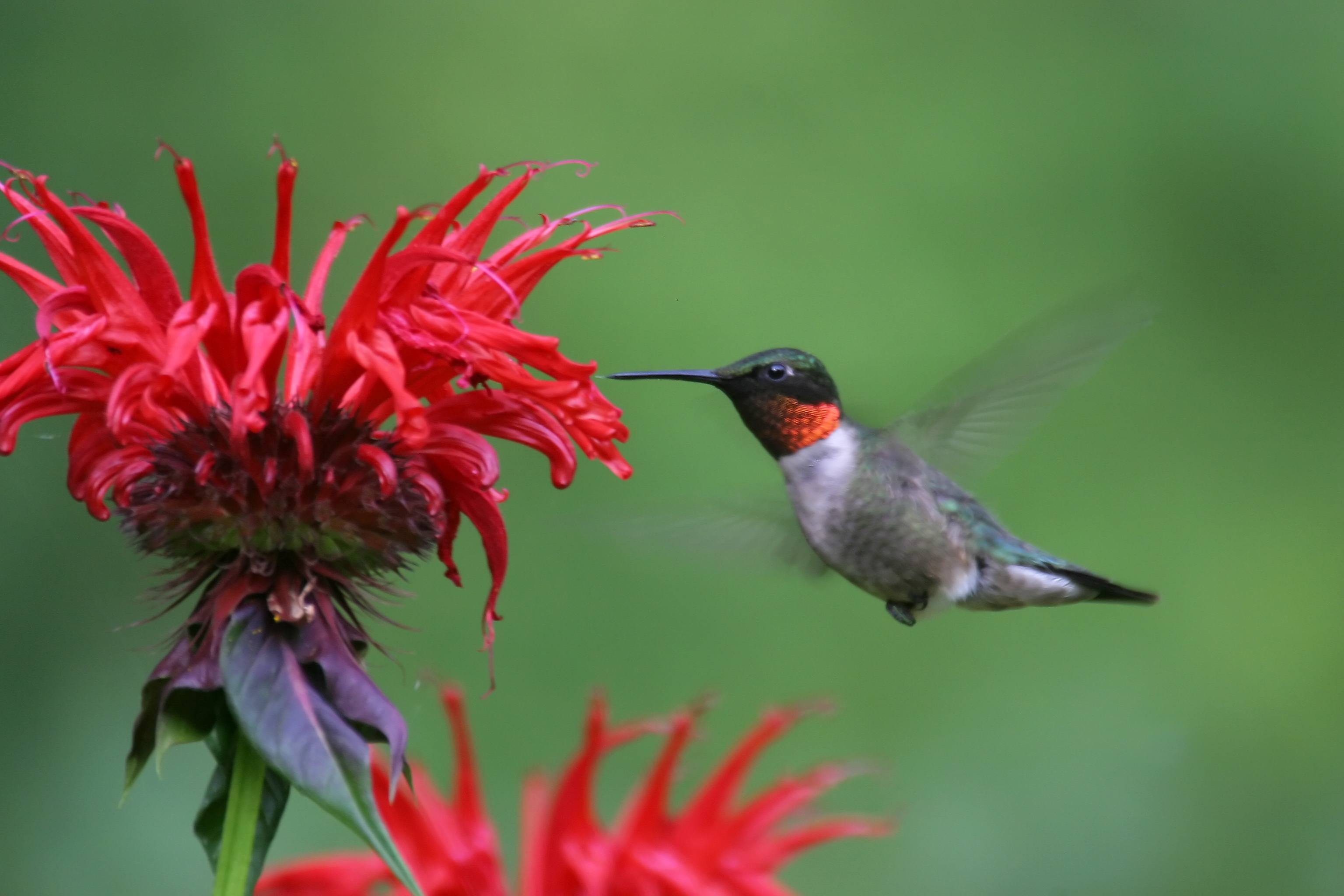
What type of symbiosis occurs when hummingbirds feed on nectar from flowers thus the flowers are pollinated by hummingbirds as they move from flower to flower?
commensalism
mutualism
parasitism
predation


Which of the following describes a relationship in which two species interact closely together?
resource
limiting factor
carrying capacity
symbiosis

Lion and Zebra - The lion hunts and kills the zebra for its food. This is an example of which type of interaction among organisms?
predator-prey
mutualism
commensalism
parasitism

Cattle egrets feed in fields among cattle. The egret gets easy access to flying insects stirred up by the cattle, and the cattle don't care if they are there or not. This relationship is an example of
mutualism
commensalism
competition
parasitism
An organism's particular role in its habitat, or how it makes its living, is called its
carrying capacity
ecosystem
competition
niche
When a jellyfish paralyses a tiny fish with its poisonous tentacles, the jellyfish is the
predator
prey
host
parasite

When this isopod enters the fish through its gills, consumes the fish's tongue, then replaces the tongue, it is acting as a
predator
prey
parasite
friend
A relationship in which two species live closely together and both benefit is
commensalism
parasitism
mutualism
predation
What is the best example of commensalism?
Mites on the end of our eye lashes eat the little parts of our eye lashes that fall off. There is no effect on us.
Weeds and crops
Hummingbird and a flower
A tapeworm in the stomach leaves the body weak and unhealthy
What is the best example of mutualism?
mistletoe and a tree branch
shark and albatross
bacteria in the intestine digest food that we can't digest. Then, the bacteria provides vitamins for a healthy body.
Mites in our eyelashes that eat small lashes that fall out. There is no effect on us.
What is the best example of parasitism?
A tapeworm in the stomach that takes all our nutrients. It leaves us sick and unhealthy.
Weeds and crops
hummingbird and flower
bison fighting for a mate
What is the best example of predation?
hummingbird and flower
weeds and crops
shark and albatross
mistletoe and a tree branch
What is the best example of competition?
hummingbird and flower
shark and albatross
bison eating in a field
Weeds and crops
2 species live closely together
symbiosis
both species benefit
mutualism
one species benefits, the other not helped or harmed
commensalism
one organism benefits, one is harmed
parasitism
the struggle between organisms to survive as they attempt to use the same limited resources
competition
predation
symbiosis
host
:) :)
+ +
mutualism
:) :I
+ 0
commensalism
:) :(
+ -
parasitism
Interaction in which one organism kills another for food or nutrients
predation
competition
mutalism
urbanization
Which of these describes mutualism?
Two species rely on each other to survive.
Two species compete for food in a single ecosystem.
Two species do not benefit from each other.
Two ecosystems regularly exchange living and non-living things.
How does the scarcity of prey populations affect predator populations?
Scarcity of a prey population has no effect on the predator population.
Abundance of a prey population can decrease the predator population.
Scarcity of a prey population leads to an increase in the predator population.
Scarcity of a prey population leads to a decrease in the predator population.
Commensalism is a relationship in which
both organisms trade places with each other in an ecosystem.
One organism benefits and the other is harmed.
One organism benefits and the other is unaffected.
Both organisms benefit in the relationship.
Which of these relationships is an example of commensalism?
A wolf hunting deer.
A fish eating algae off a turtle's shell.
Barnacles cemented to the body of a whale.
Fleas on a cat.
Which of these describes parsitism?
Both organisms trade places with each other in an ecosystem.
One organism benefits and the other is harmed.
Both organisms benefit in the relationship.
One organism benefits and the other is unaffected.
Which of these relationships is an example of parasitism?
A wolf hunting deer.
A fish eating algae off a turtle's back
Barnacles cemented to the body of a whale.
Fleas on a cat.

Lion and Zebra - The lion hunts and kills the zebra for its food. This is an example of which type of interaction among organisms?
predator-prey
mutualism
commensalism
parasitism
A relationship between two species where one benefits while the other is harmed.
mutualism
commensalism
predation
parasitism
A frog eats a fly. The frog and fly are demonstrating ________.
commensalism
predation
mutualism
parasitism
Ostriches and Gazelles feed next to each other. They both watch for predators and alert each other to danger. Since the visual abilities of the two species are different, they can each identify threats the other animal would not as readily see.
commensalism
predation
mutualism
parasitism
Mistletoe extracts water and nutrients from the spruce tree to the trees detriment.
commensalism
predation
mutualism
parasitism
Two male elephants are fighting over a cute little elephant at the watering hole.
commensalism
predation
mutualism
parasitism
competition
A interaction that involves species having to fight for something they both need or want.
commensalism
predation
mutualism
parasitism
competition
In parasitism
Both species benefit
One species is harmed, the other benefits
One species benefits, the other is not affected
In mutualism
Both species benefit
One species is harmed, the other benefits
One species benefits, the other is not affected
In commensalism
Both species benefit
One species is harmed, the other benefits
One species benefits, the other is not affected
Which set of symbols best describes mutualism?
+ -
+ 0
+ +
Which set of symbols best describes parasitism?
+ -
+ 0
+ +
Which set of symbols best describes predation?
+ -
+ 0
+ +
Which set of symbols best describes commensalism?
+ -
+ 0
+ +
When organisms "fight" over the same resource (food, water, mate)
competition
cooperation
territorial imperative
social hierarchy

