
 Worksheets
Diffusion
Total questions: 35
Worksheet time: 24mins


In diffusion, particles move down a _______ ________
Concentrate gradient
Conceited gradient
Concentration gradient
Concentrated orange juice
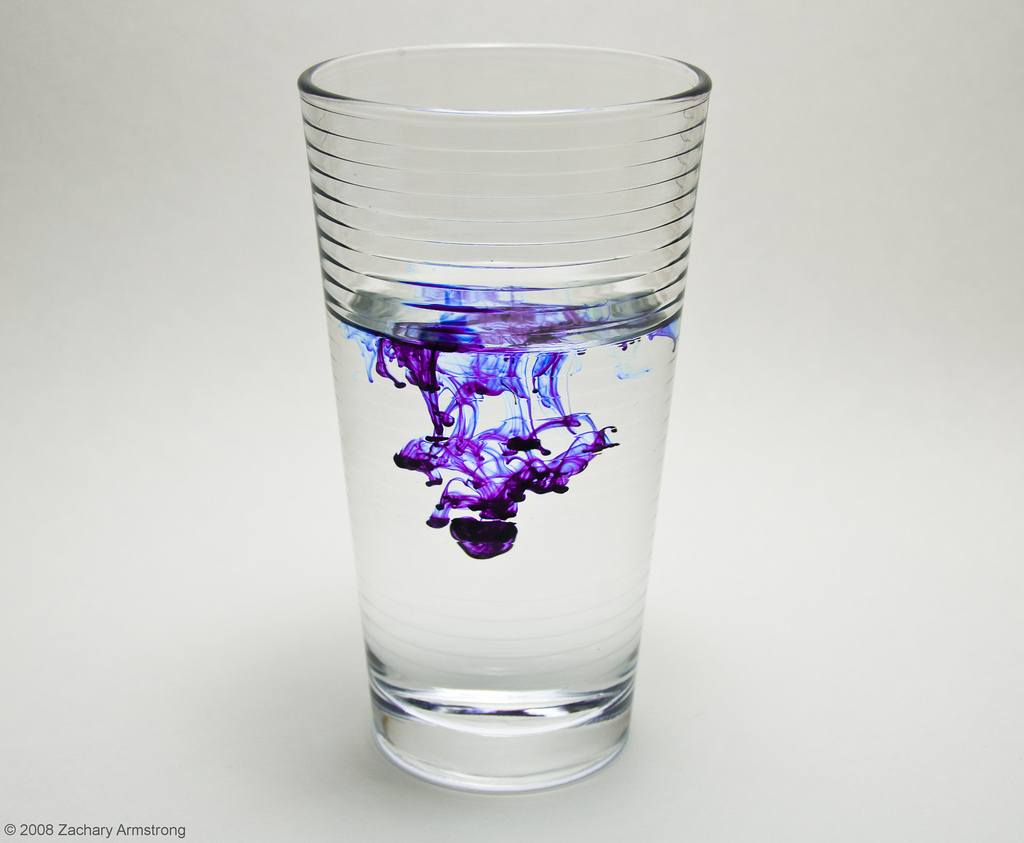
Where is there a low concentration of dye?
at the bottom of cup
in the color
at the top of cup
no concenteraion gradient
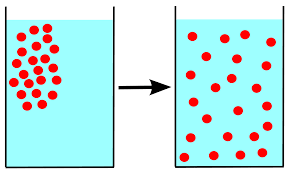
The picture below is an example of _________________.
osmosis
isotonic
diffusion
active transport

_____________ is the free movement of particles across the membrane with the concentration gradient
diffusion
facilitated diffusion
active transport
fusion
An example of diffusion is
CO2 and O2 exchange in the lungs
Glucose transport
Na+ / K+ Pumps
Exocytosis
Diffusion occurs only in solids
True
False
What is a solute?
A substance dissolved in another substance
the substance doing the dissolving
What is a solvent
The one doing the dissolving
The substance dissoved in another substance
How do the particles move in diffusion?
From a region of low concentration to a region of high concentration
From a region of high concentration to a region of low concentration
From a region of low concentration to a region of low concentration
From a region of high concentration to a region of high concentration
How long does diffusion last?
Until the concentration of particles in the system is equal
(Select this answer and I swear i'll make it harder for you in the assessment task)
Until a region in the system has a greater concentration of particles than the other
Until the particles disappear from the system
What happens to the concentration of carbon dioxide in your cells when you exercise
Increase
Decrease
Remain constant
What hapens to the concentration of oxygen in the body cells when you exercise?
Increase
Decrease
Remain constant
How does the body remove carbon dioxide from the cells?
The body cells converts carbon dioxide into carbon monoxide
The body cells don't expel the waste, they store them for future use
The body cells expel the carbon dioxide through the use of the nucleus
The carbon dioide diffuses out of the body cells and into the bloodstream due to differences in the concentration gradient
The movement of particles is __________, resulting in the particles being spread throughout the container
Structured
In a straight line
Random
In curved, way motions
What happens to the coffee particles when coffee is added to hot water?
They sink to the bottom of the cup
They spread out
They clump together
What does a 'region with high concentration' mean?
An area with a SMALL number of particles
An area with a LARGE number of particles
An area with an UNEVEN number of particles
An area with no particles
Diffusion moves along the __________
concentration gradient
Avogadro's constant
conservation of energy
When does diffusion stop?
After a day and a night
When the particles are evenly spread out
When there are no particles left
When all the particles leave the system
What is DIFFUSION?


If there is 5 percent water inside a cell and 5 percent water outside a cell
more water will move inside the cell
more water will move outside the cell
There will be no net movement of water cells

