wayground logo

Free Printable Worksheets

NEW

Font size

S
M
L
XL
Worksheets

1st 9 Weeks Geography

Total questions: 44

Worksheet time: 34mins

Name
Class
Date
1.
The red line on this map shows the ______________.
a)
equator
b)
prime meridian
c)
number line
2.
The red line on this map shows the _______________.
a)
equator
b)
prime meridian
c)
number line
3.
The equator is a line of ______________.
a)
latitude
b)
longitude
4.
The prime meridian is a line of ____________.
a)
latitude
b)
longitude
5.
The equator and prime meridian are both at ___ degrees.
a)
100
b)
50
c)
10
d)
0
6.
Which continent is shown in this picture?
a)
Africa
b)
Australia
c)
North America
d)
Georgia
7.
North America is _______ of the equator.
a)
north
b)
east
c)
south
d)
west
8.
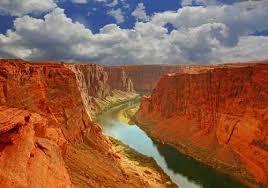
What land form is this?
a)
valley
b)
plain
c)
volcano
d)
canyon
9.
What land form is this?
a)
plain
b)
valley
c)
mountain
d)
canyon
10.
What land form is this?
a)
valley
b)
canyon
c)
plain
d)
mountain
11.
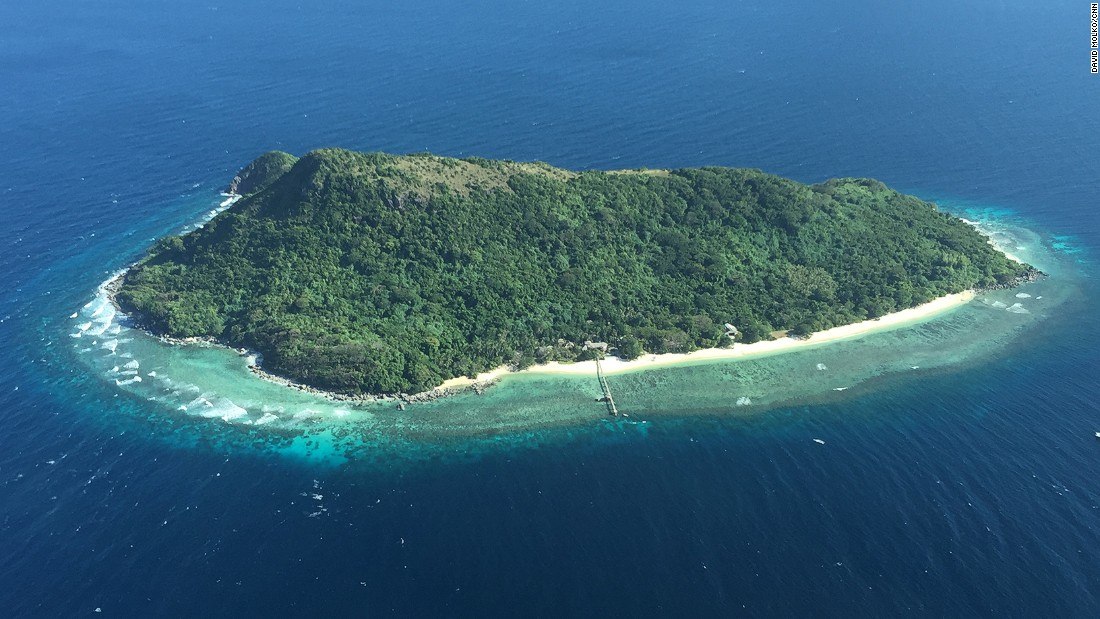
What land form is this?
a)
island
b)
valley
c)
plain
d)
mountain
12.
What land form is this?
a)
valley
b)
plain
c)
volcano
d)
mountain
13.
The biggest factor in determining climate is?
a)
elevation
b)
an ocean
c)
latitude
d)
mountain
14.
The temperature of a tropical climate is?
a)
consistently warm
b)
consistently cool
c)
consistently moderate
d)
warm and cool
15.
A polar climate is?
a)
warm and cool
b)
consistently moderate
c)
consistently cool
d)
consistently warm
16.

What is the defining feature of a temperate climate (like where we live)?

a)

2 seasons

b)

consistently hot

c)

consistently rainy

d)

4 distinct seasons

17.
What is the difference between climate and weather?
a)
 Climate averages the weather conditions in a specific place over a long period of time, while weather describes the state of the atmosphere at a specific moment in time.
b)
 Weather averages the weather conditions in a specific place over a long period of time, while Climate describes the state of the atmosphere at a specific moment in time.
c)
Climate describes the weather conditions at night, while weather describes the conditions during the daytime.
d)
 There is not a difference between climate and weather.
18.
Which of these is NOT a factor that determines the climate of a place?
a)
latitude
b)
wind patterns
c)
longitude
d)
elevation
19.

Narrow piece of land connecting two larger pieces of land

a)

isthmus

b)

mesa

c)

plateau

d)

moraine

20.

Land formed at the mouth of a river by deposited silt. Fan or triangle shaped

a)

gap

b)

key

c)

continental divide

d)

delta

21.

Low land between hills or mountains is a ...

a)

bay

b)

desert

c)

valley

d)

plateau

22.

An area of very dry land is a...

a)

valley

b)

plain

c)

plateau

d)

desert

23.

A stream or river that runs into another river is a...

a)

delta

b)

tributary

c)

channel

d)

stream

24.

Land surrounded by water on three sides is a...

a)

swamp

b)

ithmus

c)

strait

d)

peninsula

25.

Narrow body of water connecting two larger bodies of water

a)

swamp

b)

isthmus

c)

strait

d)

valley

26.

Area of low wet land with trees

a)

swamp

b)

delta

c)

plain

d)

valley

27.

steep drop from a higher place to a lower place in a stream or river

a)

flood

b)

tributary

c)

waterfall

d)

rapids

28.

peak

a)

top of a mountain

b)

top of a mesa

c)

bottom of the mountain

d)

mountain gap

29.

ocean ridge made of coral rock or sand

a)

reef

b)

peak

c)

dune

d)

refrigerator

30.

area of grassland and scattered trees

a)

savanna

b)

tundra

c)

coastal plain

d)

hill

31.
When water is heated in the ocean by the sun and turns into water vapor
a)
condensation
b)
evaporation
c)
transpiration
d)
runoff
32.
Water in lakes and rivers that does not contain salt-
a)
recycled water
b)
new water
c)
salt water
d)
fresh water
33.

Which example is a form of precipitation?

a)

Dew

b)

Fog

c)

Frost

d)

Hail

34.

As a part of the water cycle, water from Earth's surface enters the clouds and finally falls back to the ground in the form of rain. What is the correct sequence of processes water undergoes?

a)

Evaporation, Condensation, Precipitation

b)

Precipitation, Condensation, Evaporation

c)

Condensation, Evaporation, Precipitation

d)

Evaporation, Precipitation, Condensation

35.

The image shows various stages in the water cycle. During which stage does water flow back towards the sea as runoff?

a)

W

b)

X

c)

Y

d)

Z

36.

Rain and snow are two different forms of precipitation that fall on Earth's surface. Which factor is responsible for there being different forms of precipitation?

a)

Evaporation

b)

Run-off

c)

Temperature

d)

Transpiration

37.

What is precipitation?

a)

Sweat from our bodies on hot days

b)

Warm rain but not cold snow or sleet

c)

Gas that we use in furnaces or ovens

d)

Any form of water that falls from the sky

38.

What is the energy source that drives the water cycle?

a)

The moon T

b)

The heat from our home in the winter all around the world

c)

The sun

d)

he heat generated solely from the core of the earth

39.
Which term describes the motion of the planets around the sun?
a)
rotation
b)
revolution
c)
completion
d)
galaxy
40.
The process of Earth spinning on its axis is referred to as
a)
revolution
b)
ionization
c)
rotation
d)
ellipse
41.
Earth is tilted on its
a)
axis
b)
side
c)
oval
d)
pole
42.
The amount of time it takes Earth to revolve around the sun is a 
a)
day
b)
24 hrs
c)
month
d)
year
43.
The sun revolves around the Earth
a)
true
b)
false
44.
The rotation of Earth is responsible for day and night
a)
true
b)
false