wayground logo

Free Printable Worksheets

Font size

S
M
L
XL
Worksheets

GRADE 6 - EARTH IN SOLAR SYSTEM

Total questions: 47

Worksheet time: 16mins

Name
Class
Date
1.

Which planet is called blue planet

a)

Venus

b)

Earth

c)

Uranus

d)

Mars

2.

Full moon is visible on the night of

a)

Amavasya

b)

Poornima

c)

New moon night

d)

None of these

3.

The planet closest to the Sun

a)

Venus

b)

Mercury

c)

Earth

d)

Mars

4.

The Sun is...................................km away from the Earth

a)

140 million

b)

160 million

c)

150 million

d)

110 million

5.

Asteroids are found between the orbits of

a)

Mars and saturn

b)

Saturn and Jupiter

c)

Mars and Jupiter

d)

Venus and Mars

6.

......................is called Earth's twin planet

a)

Mars

b)

Uranus

c)

Venus

d)

Neptune

7.

Planets move around the Sun in a circular path.

a)

True

b)

False

8.

What do you call the path a planet goes through as it moves around the Sun?

a)

Axis

b)

Orbit

c)

Revolution

d)

Rotation

9.

Which is true about a 'Meteorite'?

a)

It is a space rock which enters the atmosphere

b)

It is a space rock which is more than 3 feet in size

c)

It is a space rock which falls to the surface of the Earth

d)

It is a space rock which floats in the outer space between Mars and Jupiter

10.

Which planet is a Gas Giant?

a)

Mars

b)

Neptune

c)

Mercury

d)

None of the options

11.
The layer of ozone in the upper atmosphere of Earth is important to life because it shields Earth from -
a)
impacts from meteors.
b)
solar winds.
solar winds.
c)
ultraviolet radiation.
d)
changes in temperature.
12.
Which of the following characteristics of the planet, Earth, is essential to the survival of every living organism?
a)
Earth has abundant available water.
b)
Earth has just one orbiting moon.
c)
Earth orbits the Sun once every 365 days.
d)
Earth rotates on its axis once every 24 hours.
13.
Which of the following characteristics of Jupiter best explains why Jupiter does not support life, while Earth does? Jupiter -
a)
has four moons that orbit the planet.
b)
has virtually no water on the surface.
c)
rotates on its axis once every 10 hours.
d)
orbits the Sun once every 12 years.
14.
71% of Earths surface is covered in...
a)
Water
b)
Oxygen
c)
Land
d)
Carbon Dioxide
15.
An astronaut should not remove his or her helmet while working outside the space station because the helmet provides -
a)
nitrogen.
b)
oxygen.
c)
water.
d)
food.
16.

Mercury, Venus, Earth, and Mars are known as _____________ planets.

a)

rocky

b)

gaseous

17.

___________ was once considered a full planet but was redefined as a dwarf planet in 2006.

a)

Pluto

b)

Mars

c)

Ceres

d)

MakeMake

18.

The coldest planet is?

a)

Neptune

b)

Earth

c)

Mercury

d)

Jupiter

19.

The earth________ around it's axis (another word for spin)?

a)

Revolves

b)

Jumps

c)

Rotates

d)

Skips

20.
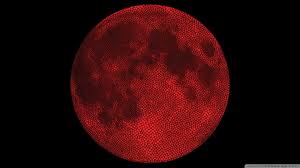
What is the Moon?
a)
It is a planet
b)
It is a satellite
c)
It is a star
d)
It is a comet
21.
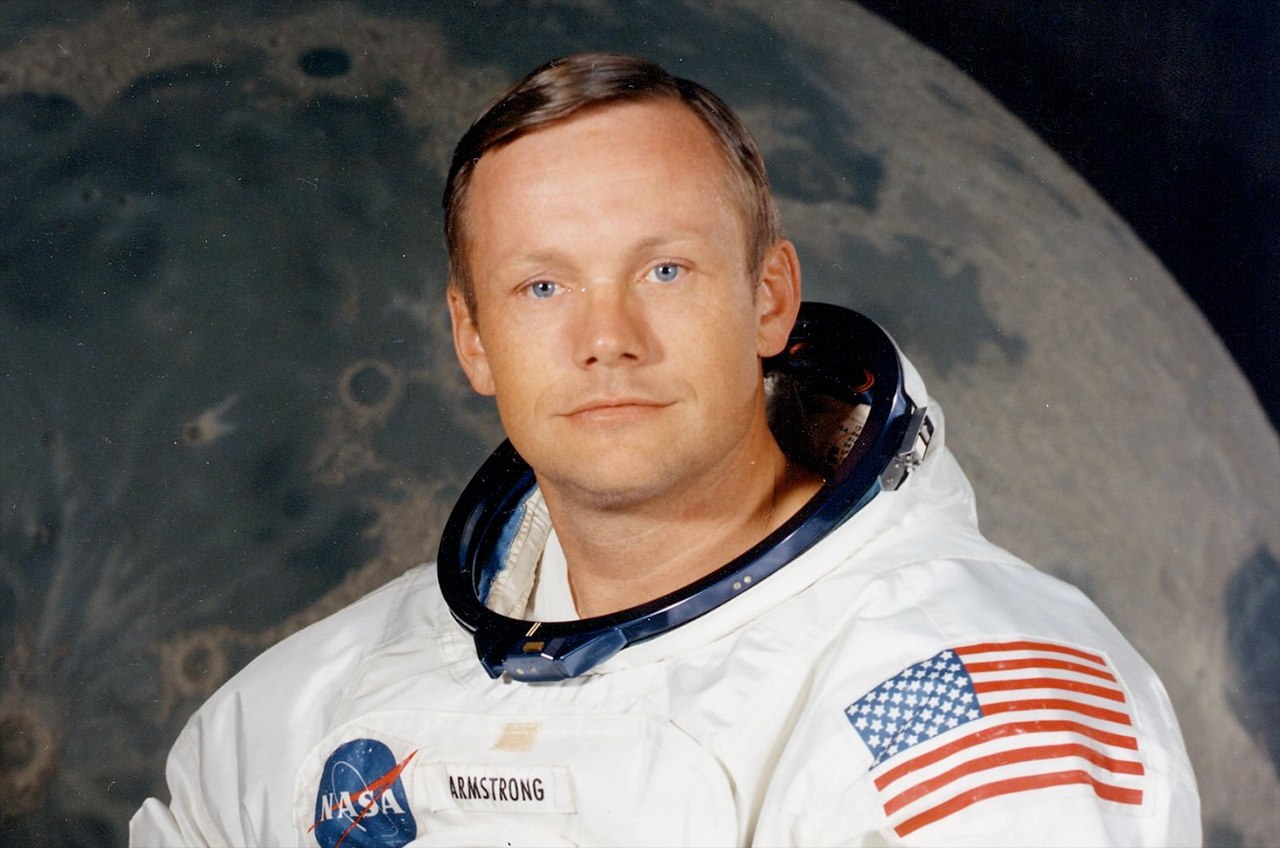
Who is Neil Amstron?
a)
It was the first man on the Moon
b)
First man on Mars
c)
First man on Earth
d)
The man who invented telescope
22.

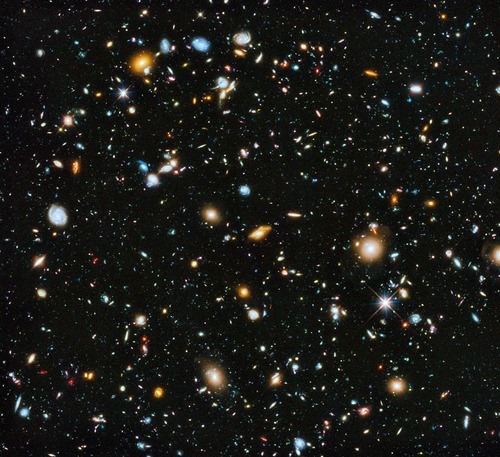
The Universe is a group of:

a)

Celest bodies, matter and energy that are in the space.

b)

Gas, dust and millions of stars

c)

A great ball of gas that proyects light.

d)

The MIlky way

23.

The types of planets are

a)

Rock, liquid and solid

b)

Gas, terrestrial and solid.

c)

Gas, terrestrial and dwarf.

d)

Gas, terrestrial and rock.

24.
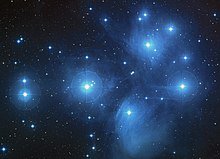
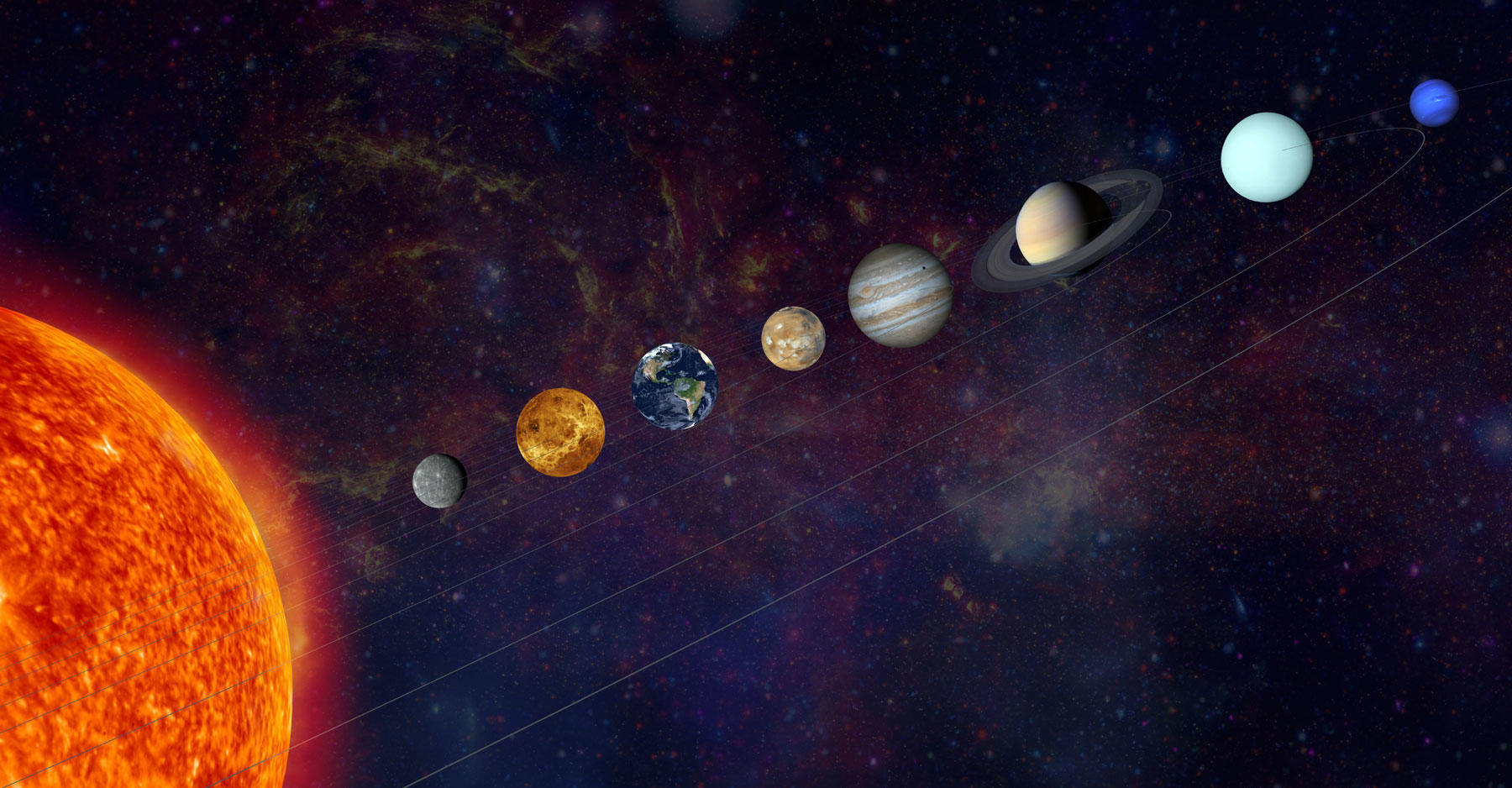
What is this?
a)
satellite
b)
planets
c)
stars
d)
sun
25.

What´s the red planet ?

a)

Mars

b)

Saturn

c)

Venus

26.

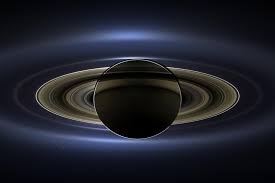
what is the planet ?

a)

Uranus

b)

Venus

c)

Saturn

27.

Mercury is the smallest planet in the Solar System.

a)

True

b)

False

28.

Earth is colder than Mars.

a)

True

b)

False

29.
What holds the planets in their orbits around the sun?
a)
gravity
b)
speed
c)
string
d)
air currents
30.
Which planet has a giant red spot?
a)
Jupiter
b)
Saturn
c)
Uranus
d)
Neptune
31.
Who stated the sun was the center of the solar system?
a)
Ptolemy
b)
Copernicus
c)
Kepler
d)
Galileo
32.
Who stated the earth was the center of the solar system?
a)
Ptolemy
b)
Copernicus
c)
Kepler
d)
Galileo
33.
Who used the telescope to observe the heavens?
a)
Ptolemy
b)
Copernicus
c)
Kepler
d)
Galileo
34.
What theory tries to explain the origin of the universe?
a)
Big Bang Theory
b)
Copernican Theory
c)
Ptolemain Theory
d)
Galilean Theory
35.
Put the planets in order from the sun.
a)
Mercury, Venus, Mars Earth, Jupiter, Saturn, Uranus, Neptune, Pluto
b)
Mercury, Venus, Earth, Mars, Jupiter, Sarturn, Neptune, Uranus, Pluto
c)
Mercury, Venus, Earth, Mars, Jupiter, Sarturn,  Uranus, Neptune,Pluto
d)
Mercury, Venus, Earth, Mars, Sarturn, Jupiter, Neptune, Uranus, Pluto
36.
What planet is it?
a)
Jupiter
b)
Saturn
c)
Uranus
d)
Venus
37.
Jupiter, Saturn, Uranus, and Neptune are what type of planets?
a)
Gas Giants
b)
Ice Giants
c)
Terrestrial Planets
d)
Exterior Planets
38.
True or False
The planets are all equally distanced from each other.
a)
True
b)
False
39.
Which is the second closest planet to the sun?
a)
Earth
b)
Saturn
c)
Venus
d)
Mercury
40.
Select the order from smallest to largest.
a)
Sun, Milky Way, solar system, universe
b)
Sun, Milky Way, universe, solar system
c)
Sun, solar system, Milky Way, universe
d)
Sun, solar system, universe, Milky Way
41.

a small rocky body orbiting the sun, ranging from the size of a small house to dust particles

a)

nebula

b)

terrestrial planets

c)

collision

d)

asteroids

42.

How long ago was our solar system formed?

a)

10 million years ago

b)

4.6 million years ago

c)

4.6 billion years ago

d)

2 billion years ago

43.
Correctly order these space objects according to size (small to big)
a)
The Sun, The Moon, Earth, Jupiter
b)
Jupiter, Earth, The Moon, The Sun
c)
The Moon, Earth, Jupiter, The Sun
d)
The Moon, Earth, The Sun, Jupiter
44.
What would The Sun look like if we lived on Neptune instead of Earth?  
a)
smaller
b)
bigger
c)
the same size
d)
could not see
45.

What is the Position of Earth in the Solar system?

a)

Earth is the last planet

b)

It is the closest to the Sun

c)

It is the third planet from the Sun

46.

The sun. moon and everything else in the sky is called ______________

a)

Galaxy

b)

Solar system

c)

Celestial bodies

d)

Universe

47.

The Big Bear is a _______________

a)

Constellation

b)

a Star

c)

A Galaxy

d)

Planet