Wayground logo

Free Printable Worksheets

Font size

S
M
L
XL
Worksheets

Unit 2 Halfway Review

Total questions: 85

Worksheet time: 58mins
Name
Class
Date
1.
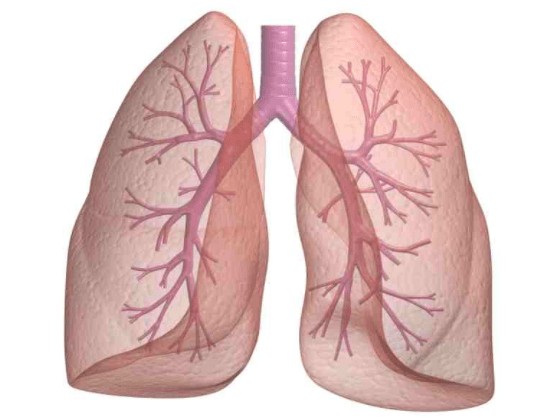
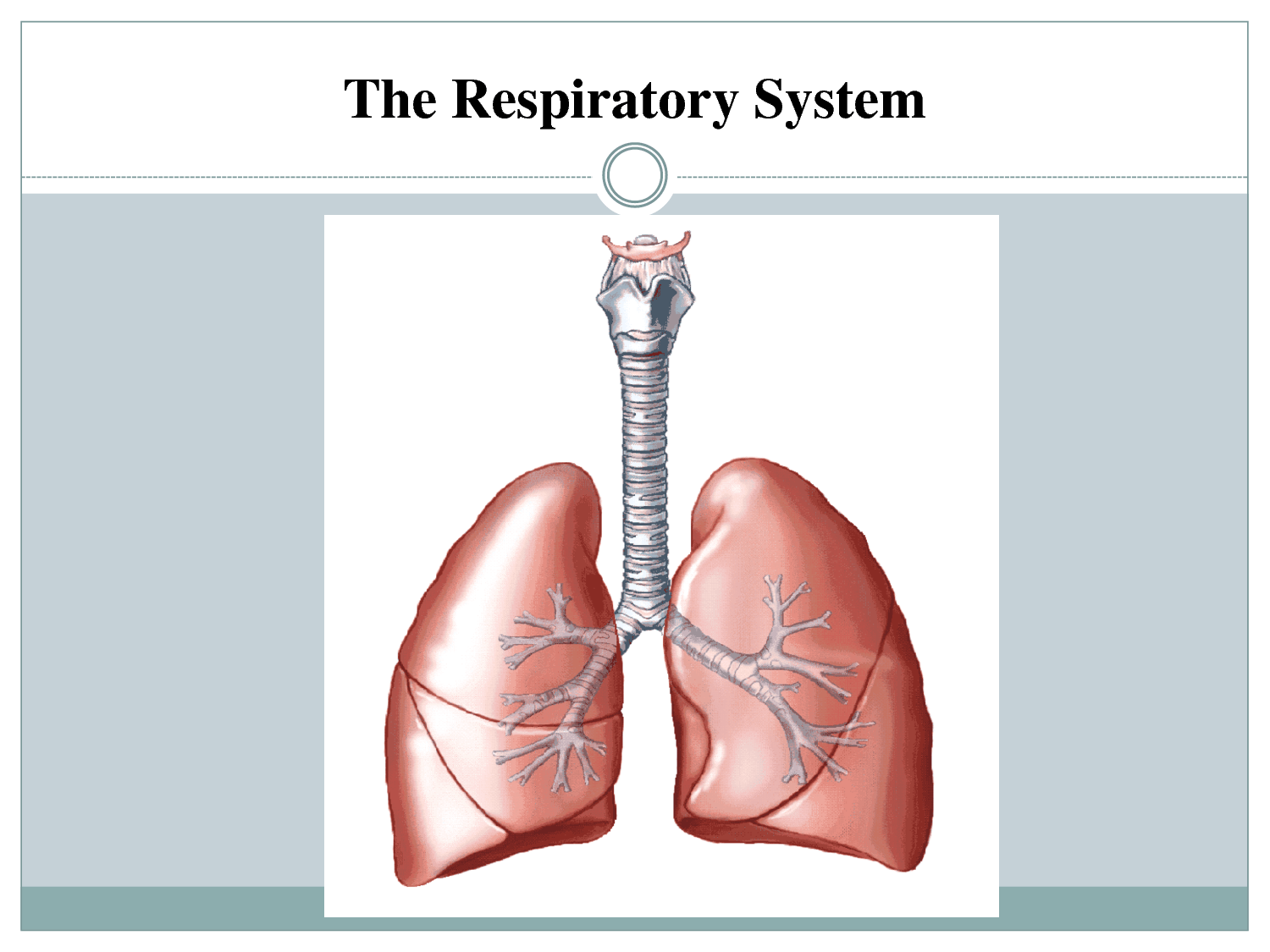
1. Which system are the lungs in?
a)
respiratory
b)
digestive
c)
excretory
d)
muscular
2.
 Which system is the stomach in?
a)
respiratory
b)
digestive
c)
nervous
d)
excretory
3.
Which organ is part of the respiratory system?
a)
tongue
b)
stomach
c)
esophagus
d)
lungs
4.
 What is the main function of the respiratory system?
a)
take in oxygen and exhale waste like carbon dioxide
b)
move nutrients throughout the body
c)
take in carbon dioxide and exhale oxygen
5.
What is our skeleton made up of?
a)
Bones
b)
Intestines
c)
Lungs
d)
Heart
6.
How many bones are in the adult human body?
a)
200
b)
206
c)
205
d)
204
7.
What does our skeleton help us do?
a)
Move
b)
Think
c)
Sleep
d)
None of these
8.

What are the main functions of the skeleton?

a)

Protection

b)

Body Shape

c)

Movement

d)

All Of These

9.

Bones are living things.

a)

True

b)

False

10.

Bones can grow back together if they get broken.

a)

True

b)

False

11.
What connects bones together to help us move?
a)
Ribs
b)
Joints
c)
Toes
d)
Nerves
12.

The __________ attaches one bone to another bone.

a)

Tendon

b)

Ligament

13.

The __________ attaches muscle to bone.

a)

Tendon

b)

Ligament

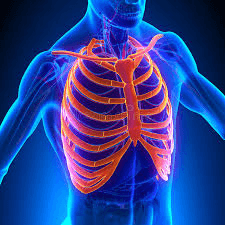
14.

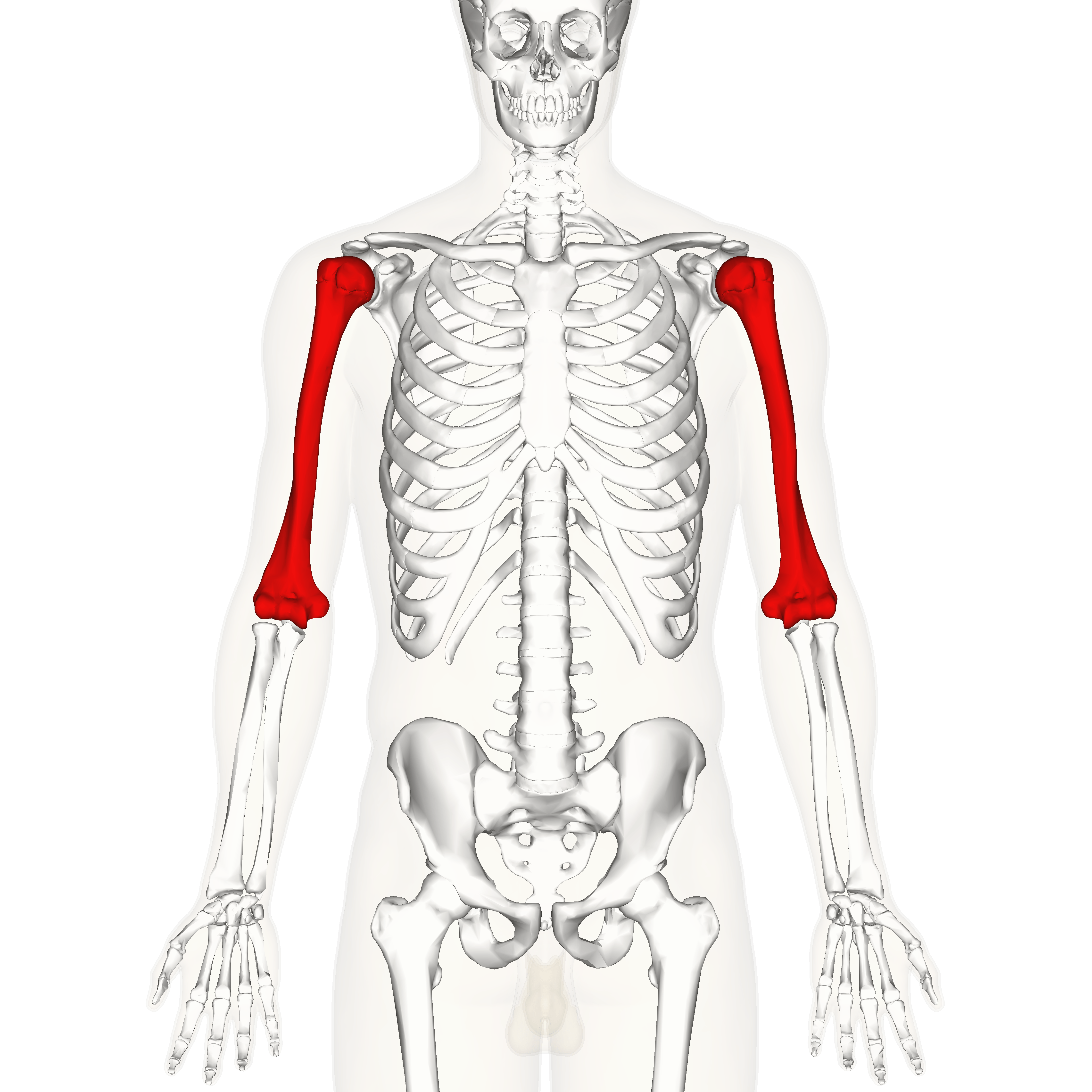
What bone is highlighted?

a)

Ribs

b)

Vertebrae

c)

Clavicle

d)

Femur

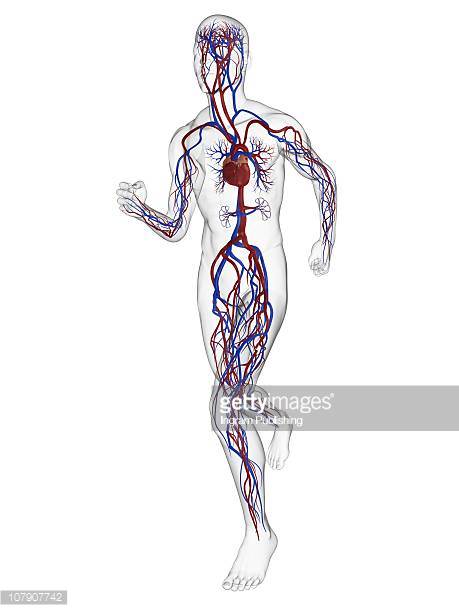
15.

What is the main organ of the circulatory system?

a)

small intestine

b)

bone

c)

lungs

d)

heart

16.

The job of the heart is to . . .

a)

pump blood around the body.

b)

send food to the small intestines.

c)

break down food.

d)

give energy to the body.

17.

How does the heart work?

a)

It pumps blood first to the lungs, back to the heart and then around the rest of the body.

b)

It pumps blood first to the rest of the body, back to the lungs and then to the heart.

c)

It pumps blood around the rest of the body, back to the heart and then to the lungs,
18.
What is the circulatory system made up of?
a)
Food, water
b)
Hands, Feet
c)
Heart, Blood Vessels, Veins, Blood
d)
Sunlight, Plants
19.
What does the circulatory  system use to carry nutrients and oxygen?
a)
Blood
b)
Water
c)
Pepsi
d)
Blood Vessels
20.
What are the two main types of blood cells?
a)
orange and green blood cells
b)
red and white blood cells
c)
purple and blue blood cells
d)
blue and red blood cells
21.
What is the main function of the circulatory system?
a)
To help you breath
b)
To circulate blood throughout the body
c)
To help you walk
d)
To help digest food
22.

What is the main function of the respiratory system?

a)

to provide oxygen and remove carbon dioxide from the body

b)

o break down food and absorb nutrients

c)

to remove oxygen from the body and deliver carbon dioxide

23.

What are the main organs of the respiratory system that allow us to breathe and for gas exchange to happen?

a)

diapragm

b)

lungs

c)

trachea

24.
When you breathe, your lungs take in ___ and remove ___. 
a)
air/oxygen
b)
oxygen/carbon dioxide 
c)
carbon dioxide/waste 
d)
waste/air 
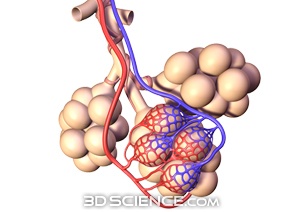
25.
The air sacs that are covered with capillaries where gas exchange takes place
a)
bronchi
b)
lungs
c)
oxygen
d)
alveoli
26.

What type of cells carry oxygen in the blood?

a)

red blood cells

b)

white blood cells

27.

The circulatory system works with the ___________ system to provide our body with oxygen and get rid of CO2 (carbon dioxide).

a)

respiratory

b)

digestive

c)

muscular

d)

skeletal

28.

What muscle is highlighted in the picture?

a)

Triceps

b)

Biceps

c)

Quads

d)

Deltoids

29.

What muscle is highlighted in the picture?

a)

Triceps

b)

Biceps

c)

Quads

d)

Deltoids

30.
What are the 3 types of muscle tissue?
a)
Thigh, Calf, & Shoulder
b)
Traps, Forearm, & Abs
c)
Hamstring, Biceps, & Triceps
d)
Smooth Muscle, Cardiac Muscle, & Skeletal Muscle
31.
Which muscle type is found in your stomach, bladder, and intestines?
a)
Skeletal
b)
Smooth
c)
Cardiac
d)
Straight
32.
Which type of muscle is found in your heart?
a)
Skeletal
b)
Smooth
c)
Cardiac
d)
Straight
33.
Which muscles are involuntary?
a)
skeletal
b)
cardiac
c)
smooth
d)
smooth and cardiac
34.
When a muscle contracts, it _______
a)
gets longer
b)
gets shorter
c)
gets thinner
d)
grows hair
35.
Which types of muscle tissue are voluntary?
a)
Cardiac
b)
Skeletal
c)
Smooth
d)
Cardiac and Smooth
36.
Skeletal muscles are attached to the _________.
a)
Stomach
b)
Lungs
c)
Bones
d)
Involuntary Muscles
37.
Muscles always work in _____
a)
pairs
b)
groups of 3
c)
bones
d)
joints
38.
Voluntary muscle is
a)
muscle that has to be told when to move
b)
muscle that moves automatically
c)
muscle that needs to be stretched regularly
d)
muscle that makes up the heart and stomach
39.
What type of muscle is found in the bladder?
a)
cardiac
b)
skeletal
c)
smooth
d)
involuntary
40.
What is an example of an involuntary muscle? 
a)
Heart
b)
Arms 
c)
Legs
d)
Shoulders
41.
The cardiac muscle is 
a)
Voluntary 
b)
Involuntary 
42.
The smooth muscle is located 
a)
In the heart 
b)
Bones 
c)
Head 
d)
Within organs 
43.
Tendons connect __________ to bone.
a)
Cartilage
b)
Bone
c)
Muscle
d)
Ligaments
44.
Blood is considered a tissue because it is composed of cells such as red and white blood cells working together for a particular function.
a)
True
b)
False
45.
Which one of the following systems DO NOT absorb nutrients or get rid of wastes?
a)
Respiratory System
b)
Digestive System
c)
Nervous System
d)
Circulatory System
46.
Which of these 3 systems work together to get the body the oxygen and sugar that it needs to make ATP(energy)?
a)
Digestive - Cardiovascular -Urinary
b)
Cardiovascular - Respiratory - Reproductive
c)
Respiratory - Digestive - Lymphatic
d)
Cardiovascular - Digestive - Respiratory
47.
When blood is used by the body it must pass through which of the following organs before it is pumped back out to the body?
a)
Lungs
b)
Brain
c)
Stomach
d)
Skin
48.
On a very hot day a long distance runner will produce large quantities of sweat.  How will the kidneys adapt to this situation?
a)
Increased amounts of urine to remove amino acids
b)
Decreased urine production to allow the body to conserve water
c)
increased amounts of urine to help the body retain water
d)
less urine increases the amount of amino acids
49.
Which representation would show the organization of life from simplest to the most complex?
a)
Heart muscle tissue, cardiovascular system, heart muscle tissue
b)
cardiovascular system, heart muscle cells, heart muscle tissue
c)
cardiovascular system, heart tissue, heart cells
d)
Heart muscle cells - heart muscle tisse, heart, cardiovascular system
50.

Blood cells are produced in the red marrow of the bones. Which system is this?

a)

Cardiovascular system

b)

Skeletal system

c)

Digestive system

d)

Lymphatic system

51.
A woman running in a marathon requires a constant supply of oxygen to her muscles.Which cells carry oxygen to muscle tissue?
a)
nerve cells
b)
lung cells
c)
red blood cells
d)
artery cells
52.
Identify which statement is NOT true.
a)
Tissues are made from cells.
b)
Organs are made from tissue.
c)
Tissues are made from organs.
d)
Organ systems are made from organs
53.
If you looked through a microscope and saw a group of muscle cells, what would be the most likely description of the cells?
a)
Tissue
b)
organ
c)
organ system
d)
prokaryotic cell
54.
What type of cells are responsible for carrying oxygen to the cells of the body?
a)
White blood cells
b)
Nerve cells
c)
Lung cells
d)
Red blood cells
55.
In the skeletal system the function of bones is to
a)
Protect organs, make blood, store calcium and minerals
b)
Help our bodies make atp
c)
Diffusion
d)
Make plasma
56.
What is a group of cells that are alike and work together?
a)
a cell team
b)
a tissue
c)
a cell family
d)
a system
57.
A group of tissues that work together is a(n) ______________________.
a)
cell
b)
organ
c)
organ system
d)
organism
58.
Organs that work together are part of a(n) ________________________.
a)
cells
b)
tissue
c)
organ system
d)
organism
59.
Which organ system removes cellular wastes as the result of cellular respiration?
a)
nervous
b)
digestive
c)
excretory
d)
circulatory
60.
Food is broken down to supply energy for your body in the ____________
a)
digestive system
b)
endocrine system
c)
excretory system
d)
reproductive system
61.
What is the main function of the nervous system?
a)
Responsible for control of the body and communication among body parts
b)
Responsible for production of offspring
c)
Helps to rid the body of toxins, water, and other unwanted materials and transports lymph, a fluid containing infection-fighting white blood cells, throughout the body
d)
Provides oxygen to the body's cells, while moving carbon dioxide
62.
Oxygen moves from the lungs to the blood and carbon dioxide moves from the blood to the lungs.
a)
muscular, circulatory
b)
respiratory, muscular
c)
respiratory, circulatory
d)
nervous, circulatory
63.
Breathing rate increases during exercise to help meet the increased oxygen demand by skeletal muscles.
a)
respiratory, circulatory
b)
muscular, skeletal
c)
respiratory, skeletal
d)
respiratory, muscular
64.
The humerus is part of this system?
a)
Muscular
b)
Reproductive
c)
Skeletal
d)
Nervous
65.

Encloses the cell, it acts like a gatekeeper, allowing some materials to pass through it but not others.

a)

Chloroplasts

b)

Cell Wall

c)

Cell Membrane

d)

Cytoplasm

66.

A rigid structure that surrounds the cell membrane for support and protection of the cell.

a)

Chloroplasts

b)

Cell Wall

c)

Cell Membrane

d)

Cytoplasm

68.

Organelles where photosynthesis occurs, are green due to chlorophyll pigment found in them.

a)

Chloroplasts

b)

Cell Wall

c)

Cell Membrane

d)

Cytoplasm

68.

Organelles where photosynthesis occurs, are green due to chlorophyll pigment found in them.

a)

Chloroplasts

b)

Cell Wall

c)

Cell Membrane

d)

Cytoplasm

69.

Organelles where photosynthesis occurs, are green due to chlorophyll pigment found in them.

a)

Chloroplasts

b)

Cell Wall

c)

Cell Membrane

d)

Cytoplasm

70.

A fluid like vesicle that stores water and provides support for the cell.

a)

Golgi Body

b)

Endoplasmic reticulum

c)

Large central vacuole

d)

Lysosomes

71.

A gel like fluid that takes up most of the space inside the cell. The organelles are found scattered throughout it.

a)

Chloroplasts

b)

Cell Wall

c)

Cell Membrane

d)

Cytoplasm

72.

Small structures in the cytoplasm that do special jobs.

a)

Nucleus

b)

Ribosomes

c)

Organelles

d)

Vacuoles

73.

Is the structure located in a plant and animal cell that is home to DNA, where new cells are made and directs cell activity

a)

Nucleus

b)

Ribosomes

c)

Mitochondria

d)

Vacuoles

74.

Saclike structures that store materials such as water, salts, proteins, and carbohydrates.

a)

Nucleus

b)

Ribosomes

c)

Organelles

d)

Vacuoles

75.
What does the digestive system do?
a)
Breaks down and handles food

b)
Pumps blood throughout the body
c)
Helps you breathe
d)
Helps your arms and legs move
76.
Urine is one way that our body gets rid of ___________.
a)
pee
b)
liquids
c)
waste
d)
carbon dioxide
77.
Which of the following is not part of the digestive system?
a)
mouth
b)
esophagus
c)
heart
d)
intestines
78.
The main purpose of the ____________ system is to break food particles into pieces that can be used.
a)
circulatory
b)
respiratory
c)
digestive
d)
skeletal
79.
The main purpose of the ____________ system is to break food particles into pieces that can be used.
a)
circulatory
b)
respiratory
c)
digestive
d)
skeletal
80.
What is responsible for delivering oxygen and removing carbon dioxide from the body?
a)
cell nucleus
b)
excretory system
c)
nervous tissue
d)
respiratory system
81.
The __________ system directs the body to inner and outer changes.
a)
digestive
b)
circulatory
c)
nervous
d)
skeletal
82.
When tissues come together, they form ___________.
a)
cells
b)
atoms
c)
organs
d)
systems
83.
What body system is for support, protection, and creates new blood cells?
a)
skeletal system
b)
muscular system
c)
circulatory system
d)
integumentary system
84.
What is responsible for delivering oxygen and removing carbon dioxide from the body?
a)
cell nucleus
b)
excretory system
c)
nervous tissue
d)
respiratory system
85.
The circulatory system uses _________ to deliver oxygen to the rest of the body.
a)
blood cells
b)
lungs and nose
c)
blood vessels
d)
brain and spinal cord