
 Worksheets
3 weeks Review Levels of Organization and Body Systems
Total questions: 55
Worksheet time: 31mins
The smallest level of organization of life in an organism is a ____________.
tissue
cell
organ
organ system
What is the difference between a cell and a tissue?
cell is basic unit of life; tissue is group of cells that work together
cell is group of tissues; tissue is basic unit of life
cell is basic unit of life; tissue is groups of different cells
cell is group of organs; tissue is group of different cells
The heart contains different types of tissue. What level of organization is the heart?
cell
organ system
organ
tissue
The digestive system includes the stomach. What level of organization is the stomach?
organ
tissue
cell
organism
A group of cells that have similar functions? Examples are nervous, epithelial, muscle and connective
cells
tissues
organs
atoms
_________ delivers O2 to the body cells and systems with a great amount of pressure and force.
Veins
Arteries
Small intestine
Which two body systems work together to break down food and get rid of wastes?
digestive and excretory
digestive and nervous
excretory and respiratory
nervous and digestive
A nucleus is the brains of the cell and controls cell functions similar to which human body system?
Nervous System
Digestive System
Circulatory System
Respiratory System
The nervous system is in charge of all other body systems due to the brain. Which cell organelle functions the same as the human brain?
Mitochondria
Cell membrane
Nucleus
Chloroplast

Which force affects the motion needed in the digestive system to push food through it?
Peristalsis
Blood pressure
Gravity

A group of specialized body parts that perform the same function.
Cell
Tissue
Organ
Organ system
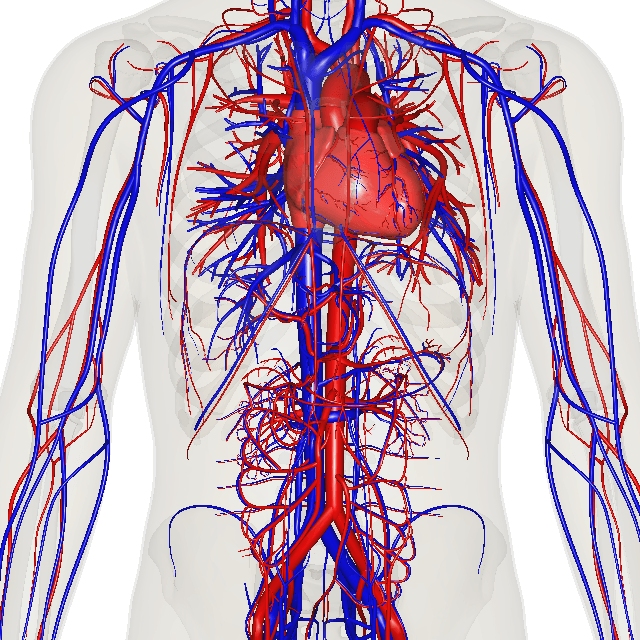
Blood pressure is the result of forces acted upon the walls of blood vessels due to the pumping forces of the heart. What causes the blood to pump in a human body?
The heart contracting
The heart relaxing
The heart constantly pumping
All of the above.
Which of the following organs is responsible for providing a force?
Heart pumping
Eyes
Brain
Skin
Blood is considered to be a __________ because it carries red blood cells along with white blood cells and both work together to make the body function.
Cell
Tissue
Organ
Organ System
Organs that work together to perform the same function are called _____________?
An organism
A tissue
An organ system
An organ

This is an example of........
An organ system
A tissue
An organ
An organism
What is the correct order of the levels of organization of plants and animals?
tissues-cells-organs-systems-organism
cell-tissue-organs-systems-organism
organism-cells-tissues-systems-organism
tissues-cells-organs-systems-organism
Blood is a ______________________in the Circulatory system
cell
tissue
organ
organ system
Which organ has more force
arteries moving blood away from the heart
veins moving blood towards the heart
capillaries with it one cell exchange
none of the above
___ are tiny blood vessels that carry blood to an from almost all body cells and connect arteries and veins.
arteries
veins
capillaries
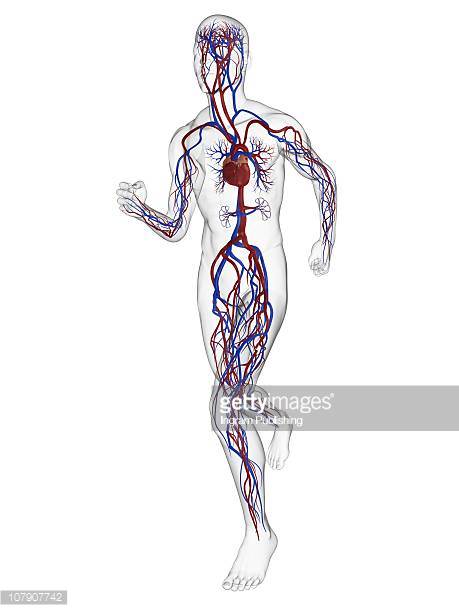
What is the main organ of the circulatory system?
small intestine
bone
lungs
heart
The job of the heart is to . . .
pump blood around the body.
send food to the small intestines.
break down food.
give energy to the body.
The heart is about the size and shape of your . . .
head
fist
hand
foot
Arteries carry oxygen rich blood away from the heart.
True
False
Veins carry oxygen poor blood back to the heart.
False
True

What blood vessel carries oxygen poor blood back to the heart?
Arteries
Veins
Heart
Capillaries

A flap of tissue that prevents blood from flowing backward
Septum
Valve
Carry blood away from heart; mostly oxygen-rich
Arteries
Veins
Capillaries
Swallowing is considered a force because __________
food is pushed down.
food is mixed around
food is left as is
all of the above.
Which is NOT a function of the circulatory system?
deliver O2 and nutrients to cells
remove CO2 and wastes from cells
break down carbohydrates into glucose
transport other materials through body
An organism’s ability to maintain balance within it's internal environment is called:
compensating
homeostasis
balancing
routine
Blood pressure is the result of forces acted upon the walls of blood vessels due to the pumping forces of the heart.Which of the following is not the cause of blood pumping in the human body?
The heart contracting
The heart relaxing
The heart constantly pumping
Blood pressure
All muscles move in the following way ____________
Contract and relax
Contract only
Relax only
Muscles in your stomach churn your food by contracting and relaxing creating a ________________ moving down to your small intestine.
force
lump
Force is a push or a pull. Which is not an example of a push or a pull?
Swallowing
Muscles in your stomach churning your food
Waste in your large intestine pushed to your colon
Watching TV

