
 Worksheets
Diversity of Life
Total questions: 58
Worksheet time: 44mins
Name
Class
Date
1.
Which of the following is the smallest unit of life that can carry out all life functions?
a)
the mitochondria
b)
the vacuoles
c)
the nucleus
d)
the cell
2.
What does "dead" mean?
a)
It means that the object was living at one point.
b)
It means that the object was never living.
c)
It means that it does not move.
d)
It means that it is dormant.
3.

What word best describes these rocks?
a)
Living
b)
Nonliving
c)
Dormant
d)
Dead
4.

What term describes this squirrel?
a)
Living
b)
Nonliving
c)
Dormant
d)
Dead
5.
Pick the letter that best describes the following object: moss
a)
living
b)
nonliving
6.

___________ is the genetic material found in cells that contain the code of life, usually called DNA.
a)
A trait
b)
A mutation
c)
A chromosome
d)
Deoxyribonucleic acid
7.

Forensic scientists study ______ to help figure out crimes.
a)
DNA
b)
plants
c)
cells
d)
fossils
8.

A _________ is a scientist who studies viruses.
a)
virologist
b)
biologist
c)
botanist
d)
chemist
9.
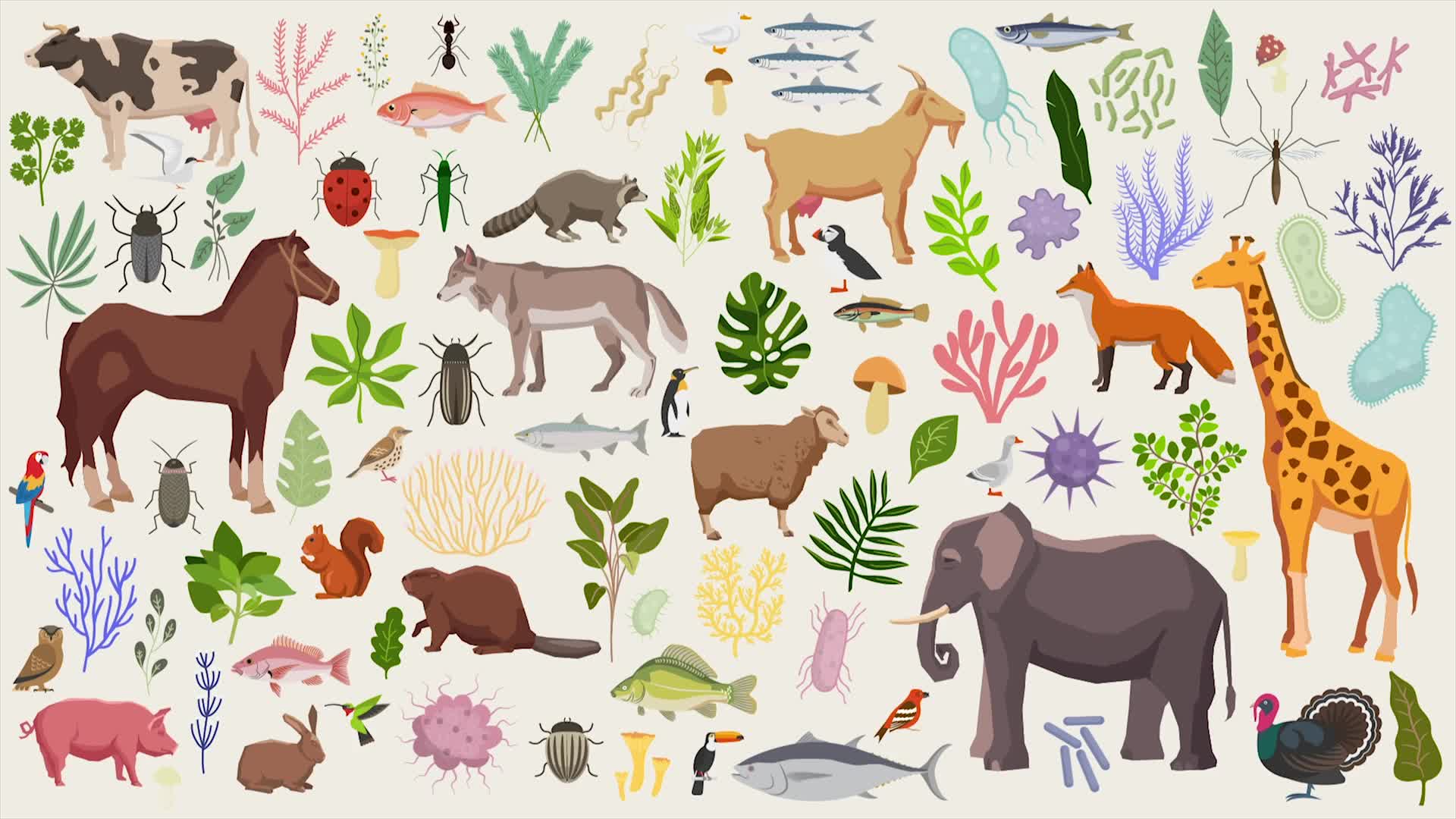
To sort an organism into a group based on shared traits is called __________.
a)
Domains
b)
Taxonomy
c)
Genetics
d)
Classification
10.

Which language is the primary language used to classify living things?
a)
Greek
b)
Latin
c)
Roman
d)
English
11.

How do the armadillo's armored plates help it survive?
a)
camouflage
b)
protect from predators
c)
waterproofing
d)
warmth
12.

Which adaptations help protect a sloth from predators?
a)
great eyes
b)
being fast
c)
big teeth
d)
camouflage
13.

Which of the following helps protect species from extinction?
a)
Laws and policies
b)
Wildlife refuges
c)
Conservation efforts
d)
All of the above
14.

Maintaining ________ is important to keep an ecosystem healthy.
a)
pollutants
b)
biodiversity
c)
sunlight
d)
interactions
15.

_____ are models that illustrate the energy flow between organisms in an ecosystem.
a)
Food webs
b)
Environments
c)
Ecosystems
d)
Interactions
16.

_____are scientists who study human impacts on ecosystems.
a)
Chemists
b)
Botanists
c)
Virologists
d)
Conservation biologists
17.

Something that worsens the quality of air, water, or soil is called a ______.
a)
population
b)
ecosystem
c)
biodiversity
d)
pollutant
18.

What term describes a community of interacting organisms and their environment?
a)
Resource
b)
Ecosystem
c)
Population
d)
Native
19.

An organism is ______ when there are no more left on Earth.
a)
alive
b)
endangered
c)
extinct
d)
living
20.

What does multicellular mean?
a)
One cell
b)
Nonliving
c)
Many cells
d)
Living
21.

Tissue is made from ________.
a)
organisms
b)
cells
c)
organs
d)
bones
22.
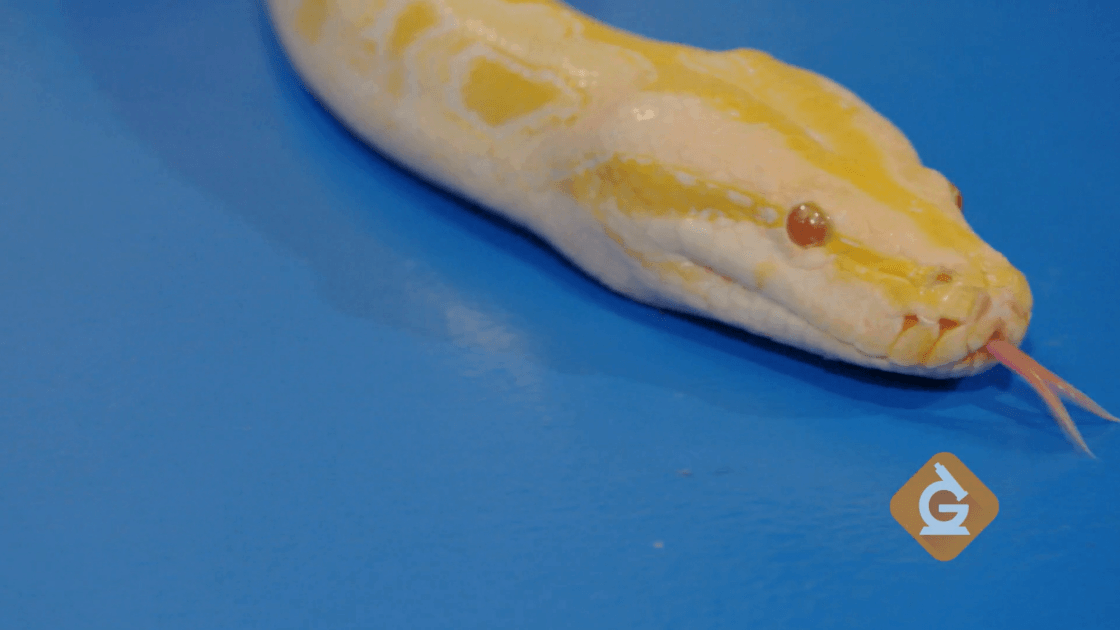
Which sense does a snake's tongue provide?
a)
hearing
b)
vision
c)
smell
d)
none of these
23.

Environments include both _____ and _____ things.
a)
resources; factors
b)
air; water
c)
living; nonliving
d)
buildings; animals
24.

For populations to continue to survive, some organisms in the population must _________.
a)
grow
b)
reproduce
c)
eat
d)
die
25.

Organisms are the ________ things in an ecosystem.
a)
factors
b)
nonliving
c)
resources
d)
living
26.

Air, water, and sunlight are all ________ components of an ecosystem.
a)
factors
b)
nonliving
c)
man-made
d)
living
27.

Plants compete for air, water, ________ within ecosystems.
a)
space, and sound
b)
sunlight, and wind
c)
space, and sunlight
28.

An invasive species is a plant or animal that is ________ to an ecosystem.
a)
not native
b)
just visiting
c)
beneficial
d)
not friendly
29.

Why is a tiger's pattern important?
a)
to tell them apart
b)
to make them easier to see
c)
camouflage from prey
d)
indicates their health
30.

Hawks and owls eat the same thing. That relationship is called ___________.
a)
adaptation
b)
competition
c)
parasitism
d)
mutualism
31.

An example of a parasite is _________.
a)
a tick
b)
a mite
c)
a termite
d)
an orchid
32.

A scientist who studies ecosystems is called a(n) ____.
a)
oncologist
b)
zoologist
c)
ecologist
d)
geneticist
33.

Food of almost any kind can be traced back to what?
a)
the sun
b)
animals
c)
plants
d)
soil
34.

What do scientists call the parts of a cell?
a)
pieces
b)
sections
c)
organelles
d)
none of the above
35.

Which of these is a unicellular organism?
a)
fish
b)
worm
c)
amoeba
d)
ant
36.

Which part of an onion root cell gives it a brick-like structure?
a)
cell membrane
b)
cell wall
c)
vacuole
d)
chloroplast
37.

The DNA of a cell is found in the __________.
a)
mitochondria
b)
lysosome
c)
nucleus
d)
vacuole
38.

What do you call the gooey liquid in a cell?
a)
lysosome
b)
mitochondria
c)
chloroplast
d)
cytoplasm
39.

________ is the process that plants use to make food.
a)
Respiration
b)
Photosynthesis
c)
Chemical reaction
d)
Carbon dioxide
40.

Carbon dioxide and oxygen are both ___ found in the air.
a)
liquids
b)
gases
c)
microorganisms
d)
processes
41.

One product of photosynthesis is ____ that animals breathe.
a)
carbon dioxide
b)
oxygen
c)
cyanobacteria
d)
phytoplankton
42.

Which of these is an example of a lizard's internal structures?
a)
skin
b)
claws
c)
lungs
d)
eyes
43.

Our bodies use the energy in food to move and ________.
a)
stay cold
b)
stay warm
c)
sleep
d)
grow food
44.

Why are flamingos pink?
a)
sunburn
b)
come from pink eggs
c)
artificially colored
d)
eat pink shrimp
45.

What is the process called in which plants make sugar using sunlight?
a)
photoshop
b)
photokinesis
c)
synthesis
d)
photosynthesis
46.

The stored energy in this hamburger originated from ___________.
a)
cows
b)
sun
c)
soil
d)
grass
47.

Which of these is NOT a practice of science?
a)
asking questions
b)
analyzing data
c)
making claims without evidence
d)
carrying out investigations
48.

Do scientific facts ever change?
a)
yes, when there is new evidence
b)
no, they never change
c)
it depends on the scientist
d)
only on holidays
49.

Plants are considered _________ because they make their own food.
a)
consumers
b)
producers
c)
makers
d)
decomposers
50.

These organisms break down dead things.
a)
Consumers
b)
Producers
c)
Decomposers
d)
Rotters
51.

This is the ultimate source of energy on Earth.
a)
Heat
b)
Fire
c)
Electricity
d)
The sun
52.

Which of these is an example of group behavior by ants?
a)
sleeping
b)
building tunnels
c)
crawling
d)
breathing
53.

What is a group of lions called?
a)
pride
b)
colony
c)
proud
d)
flock
54.

Why do geese fly behind each other in a "V" formation?
a)
to find food
b)
to show off
c)
to protect their young
d)
to save energy
55.

Why do fish swim in schools?
a)
to learn
b)
for fun
c)
to conserve energy
d)
for protection
56.
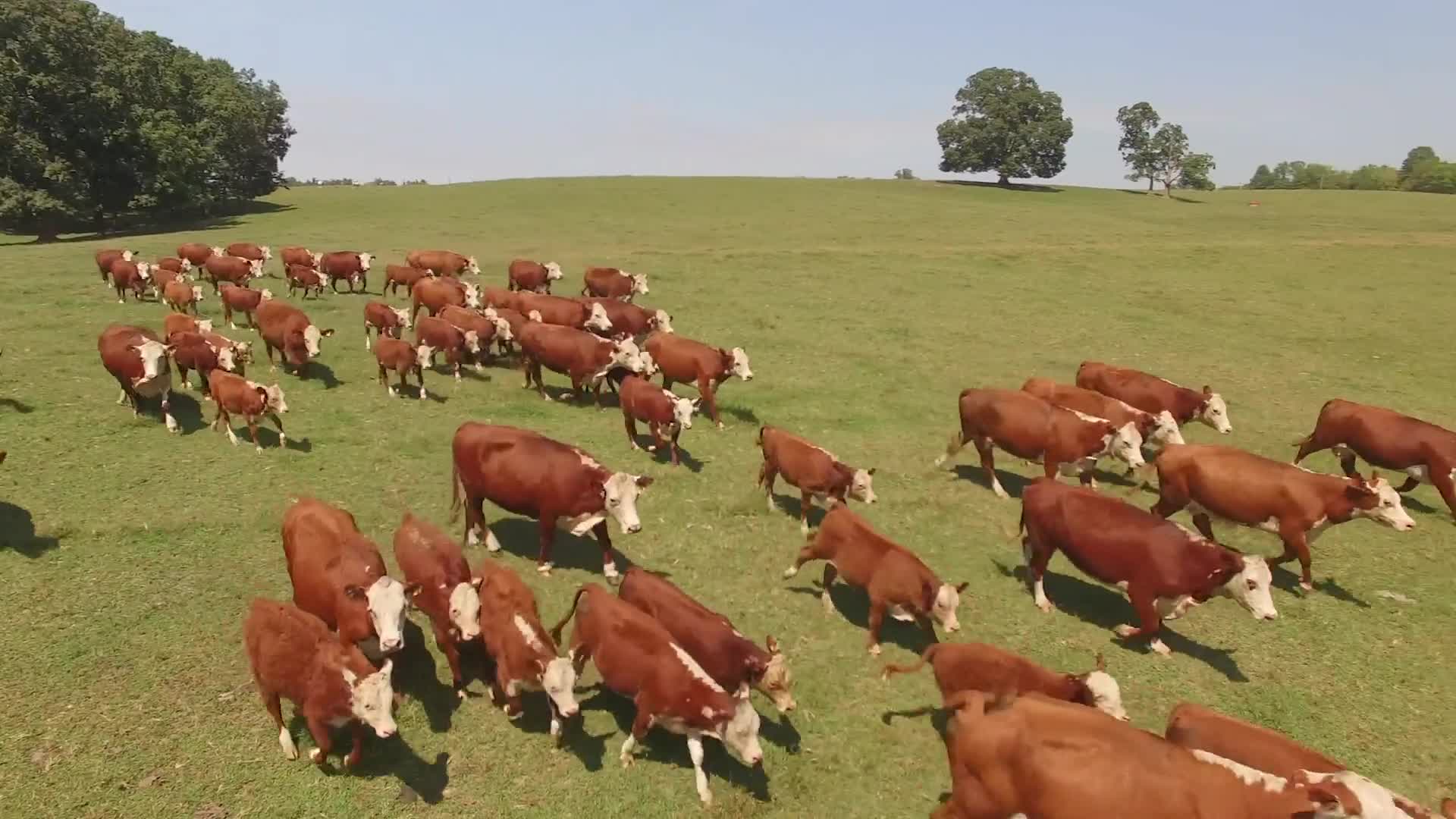
The ____ is made up of all the living things on Earth.
a)
biosphere
b)
geosphere
c)
hydrosphere
d)
atmosphere
57.

Which of these does most of the decomposing on Earth?
a)
bacteria and fungi
b)
millipedes
c)
worms
d)
roaches
58.

Which of these is NOT a way to know if something is living?
a)
it grows
b)
it reproduces
c)
it moves
d)
it takes in nutrients
100 %

