wayground logo

Free Printable Worksheets

NEW

Font size

S
M
L
XL
Worksheets

Unit 3 Review

Total questions: 54

Worksheet time: 27mins

Name
Class
Date
1.
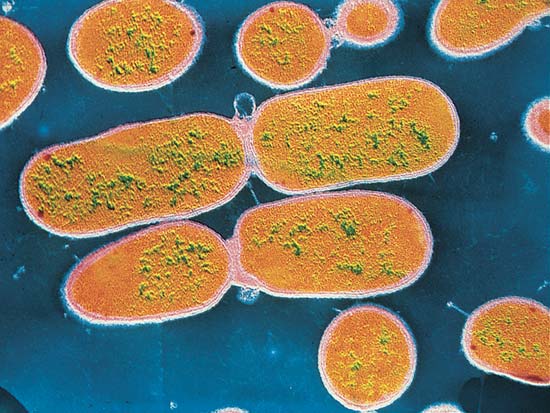
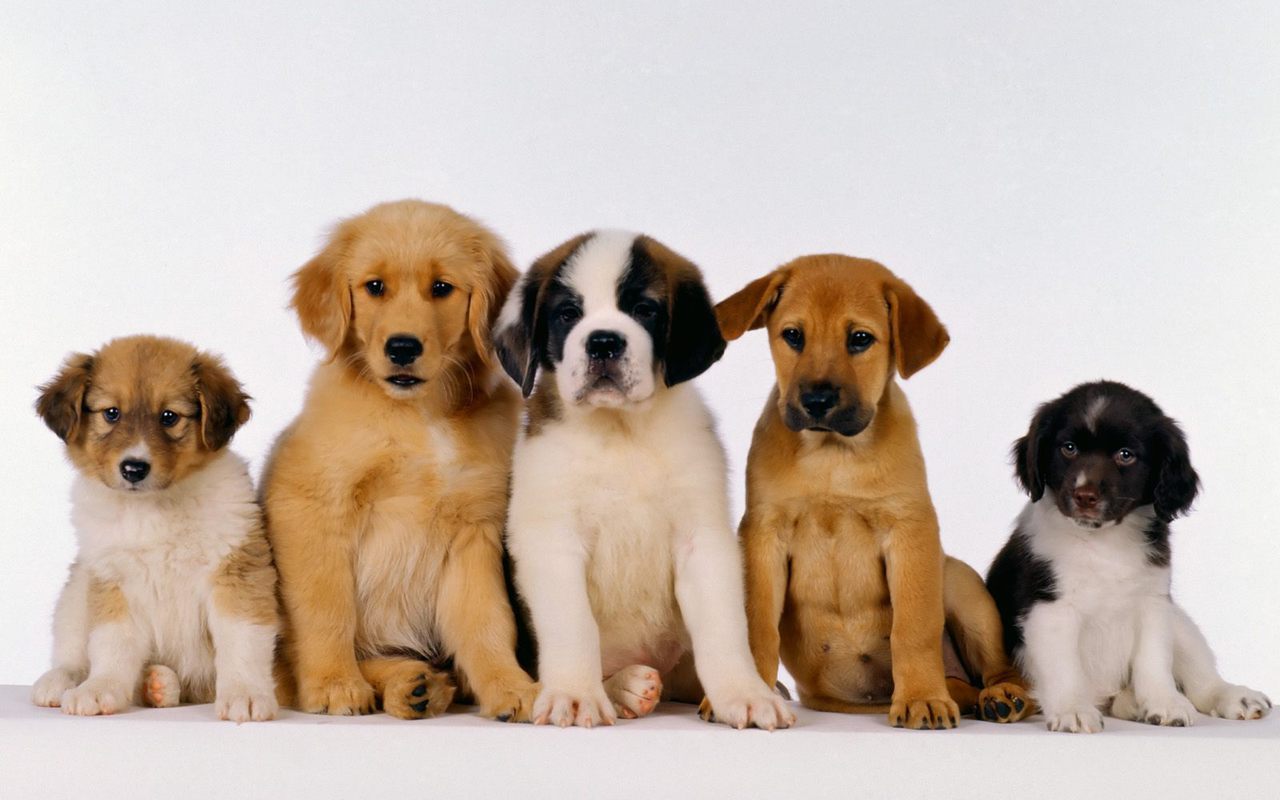
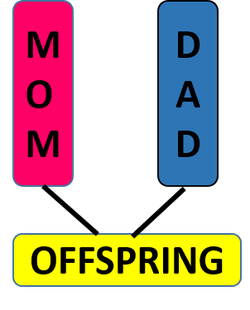
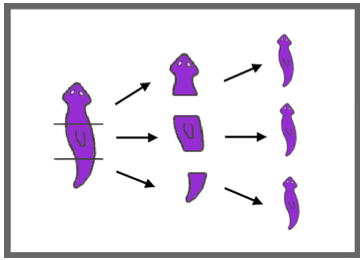
What do these two organisms have in common?
a)
They reproduce sexually
b)
They reproduce asexually
c)
They reproducing using eggs and sperm
d)
They reproduce with two parents
2.
Which statement describes asexual and sexual reproduction?
a)
Asexual is one part of sexual reproduction.
b)
Sexual reproduction happens before asexual reproduction.
c)
Asexual needs one parent, and sexual needs two parents.
d)
Sexual only happens in animals, and asexual happens only in plants.
3.
What is an advantage of sexual reproduction over asexual reproduction?
a)
Sexual reproduction produces identical offspring.
b)
Sexual reproduction happens before asexual reproduction.
c)
Sexual reproduction generates a large number of offspring.
d)
Sexual reproduction causes genetic variation in offspring.
4.
Mr. Robinson's hairline is straight, and Mrs. Robinson has a widow's peak. Which sentence best explains why their son has a straight hairline?
a)
He brushes his hair the same way his father brushes his hair.
b)
He cuts his hair the same way his mother cuts her hair.
c)
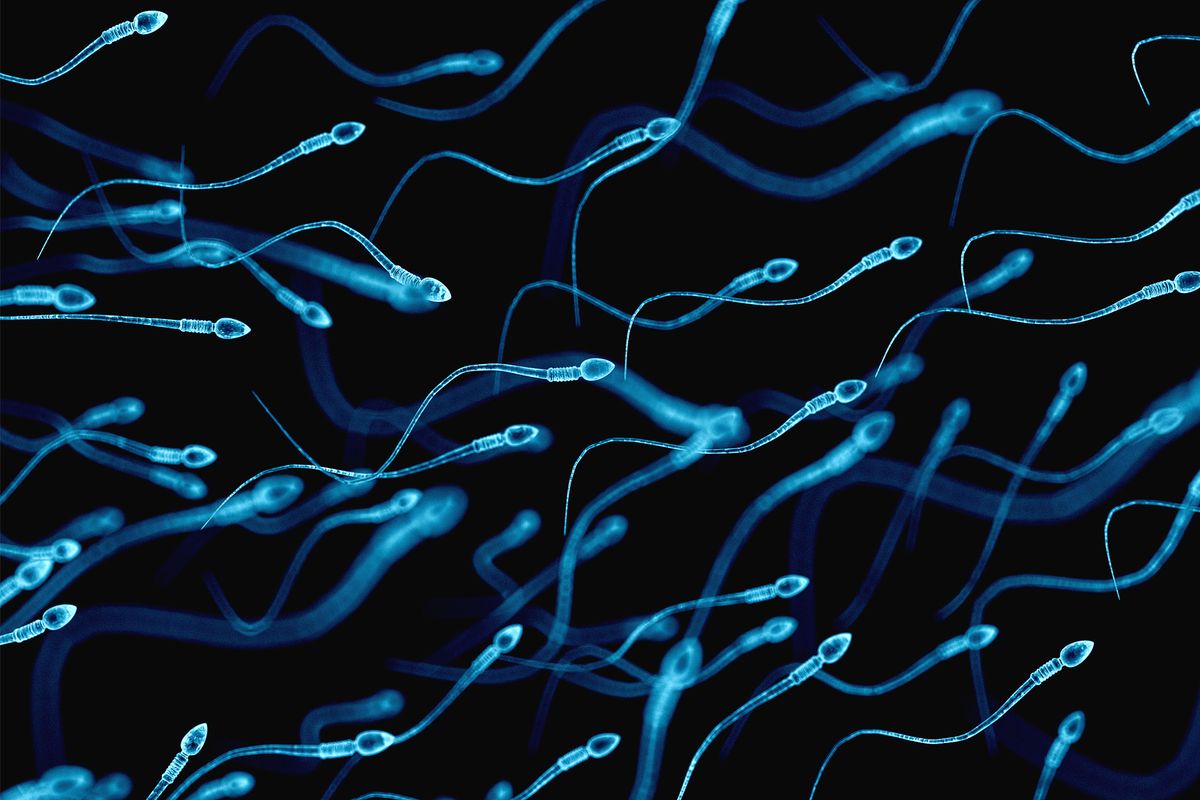
He inherited his hairline from his parents.
d)
His hairline straightened as he grew older.
5.
Genes are unable to determine a person's
a)
eye color
b)
athletic ability
c)
shape of ears
d)
type of chin
6.
The pictures below show two dogs. The instructions determining the color of their fur are found in their cell...
a)
cytoplasm
b)
membrane
c)
mitochondria
d)
chromosomes
7.
A father's genotype is BB, and a mother's is Bb. Which statement describes their offspring?
a)
They will have the same genotype and phenotype.
b)
The phenotypes will be the same, but the genotypes will be different.
c)
The genotypes will be the same, but the phenotypes will be different.
d)
Both genotypes and phenotypes will be different
8.
White hair (W) is dominant in horses, and non-white (w) is recessive. A dominant WW horse is crossed with a recessive ww horse, as shown in the Punnett square. What percentage of offspring would have white hair?
a)
0%
b)
50%
c)
75%
d)
100%
9.
Round seeds (R) are dominant to wrinkled seeds (r) in pea plants. If two heterozygous parents are crossed as shown above, what percentage of offspring would have round seeds?
a)
0%
b)
50%
c)
75%
d)
100%
10.
Hanging earlobes (L) are dominant to attached earlobes (l). Based on the diagram, which box would have attached earlobes?
a)
1
b)
2
c)
3
d)
4
11.
According to the theory of natural selection, how did giraffe necks get longer over time?
a)
Short-necked giraffes were killed by long-necked giraffes.
b)
Giraffes stretched to make their necks longer.
c)
Long-necked giraffes could reach more food and survived longer to reproduce.
d)
Long-necked giraffes only mated with long-necked giraffes.
12.
In mussels, brown coloring (B) is dominant and blue coloring (b) is recessive. Which cross would have 100% of offspring with blue color?
a)
Bb x Bb
b)
BB x bb
c)
bb x bb
d)
BB x BB
13.
Peppered moths come in light and dark colors. Light moths are more common, since they blend in with the light bark of the trees they live on. If pollution darkens the color of the bark, what does natural selection predict will happen to the moths?
a)
Their color will remain light gray
b)
Their color will turn dark gray
c)
Their wings will get shorter
d)
Their wings will get longer
14.
Which of these is a trait that is acquired through learning?
a)
Ability to flinch
b)
Ability to be right-handed
c)
Ability to throw a free throw
d)
Ability to grasp objects
15.

Juan's dog, Luna, was hit by a car. Fortunately, she lived and is healthy! But she is now missing a leg. Having only three legs is a(n)

a)

inherited trait.

b)

learned behavior.

c)

instinct.

d)

acquired trait.

16.

When the doctor operates on the patient's eye, he is using

a)

learned behavior.

b)

acquired physical trait.

c)

inherited physical trait.

d)

instinct.

17.

When the patient needs eye surgery because he has the same eye problem as his mom and dad, it is a(n) ______ .

a)

learned behavior

b)

acquired physical trait

c)

inherited physical trait

d)

instinct

18.

After his operation, the new, permanent condition of his eyes will give the patient a(n) .

a)

learned behavior

b)

acquired physical trait

c)

inherited physical trait

d)

instinct

19.

Which of these behaviors were learned?

a)

walking on a leash and barking at birds

b)

walking on a leash and fetching the paper

c)

swimming in the pond and running around the backyard

d)

swimming in the pond and barking at birds

20.

Why is heredity important?

a)

It keeps organisms in their species.

b)

It makes the DNA inside cells similar.

c)

It passes traits from parents to offspring.

d)

It create cell walls.

21.
Chromosomes are found in the ____________ of the cell
a)
Chloroplast
b)
Nucleus
c)
Cytoplasm
d)
Mitochondria
22.
Heredity is the passing of traits from _____________________ to _____________________
a)
predators to prey
b)
water to rain
c)
parents to offspring
d)
fungi to protists
23.
If a child has red hair, they inherited a certain _______________ from their parents.
a)
ratio
b)
trait
c)
probability
d)
sex chromosome
24.
A characteristic that an organism can pass on to its offspring through its genes
a)
protein
b)
trait
c)
DNA
d)
gene
25.
_____is the passing of traits from parents to offspring (babies)
a)
DNA
b)
Heredity
c)
Evolution
26.
Children of a parent
a)
Offspring
b)
Behavior
c)
Trait
d)
Instinct
27.
Which is an inherited trait?
a)
speaking in front of a crowd
b)
having green eyes
c)
knowing math facts
d)
becoming and extrovert
28.
Why can some people roll their tongues and others cannot? 
a)
Rolling your tongue is an instinct
b)
Rolling your tongue is an inherited trait
c)
Rolling your tongue is an acquired trait
d)
Rolling your tongue is a learned behavior
29.

Where are chromosomes found?

a)

vacuole

b)

cell membrane

c)

nucleus

d)

mitochondria

30.

Every living thing has genetic information stored in the form of

a)

Ribosomes

b)

DNA

c)

Chloroplast

d)

Mitochondria

31.

Physical traits that are expressed are known as ____________

a)

Mutation

b)

Personality

c)

Genotype

d)

Phenotype

32.

Sections of DNA that have instructions for a specific trait are called _______________

a)

Blueprints

b)

Genes

c)

Heterozygous

d)

Fragments

33.

In science, mutations are

a)

The reason the X-Men exist

b)

Genetically engineered creatures that you fight in the Hunger Games

c)

A change in the DNA of an organism that produces new traits

d)

Always helpful for survival

34.

Chromosomes are

a)

Found in the mitochondria

b)

Made of 20 pairs

c)

Long strands of DNA that contain many genes

d)

Bundles of DNA that contain only one gene each

35.

Traits that are passed from parents to offspring are always

a)

Recessive

b)

Inherited

c)

Dominant

d)

Heterozygous

36.

The passage of genetic instructions from one generation to the next is known as

a)

Alleles

b)

Ancestry

c)

Heredity

d)

Variation

37.

The genetic difference between individuals in the same species is

a)

Interesting

b)

Harmful

c)

Variation

d)

Genetics

38.

The genes of an organism that are written with capital or lowercase letters

a)

Pant size

b)

Deoxyribonucleic acid

c)

Genotype

d)

Gretchentype

39.

If a gene is always expressed or always shown with a capital letter it is

a)

Bossy

b)

Recessive

c)

Yelling

d)

Dominant

40.

This variation of a gene can only be expressed if it is received from both parents

a)

Shy

b)

Heterozygous

c)

Variation

d)

Recessive

41.
How many parents does asexual reproduction involve?
a)
one 
b)
two
c)
three
d)
four
42.
The offspring from asexually reproduced organisms are?
a)
Different than their parents
b)
Identical to parents
c)
Like a combination from both parents
d)
A different species
43.
If two organisms reproduce sexually, then their offspring will exhibit a genetic makeup that is -
a)
identical to only one parent
b)
identical to all of its siblings
c)
a unique combination of traits
d)
the recessive traits of each parent
44.
Prokaryotes (bacteria) reproduce asexually via -
a)
spore formation
b)
bud creation
c)
vegetative propagation
d)
binary fission
45.
All of the offspring of an organism have the same genetic material, which is identical to the parent organism. From this, we can conclude that this organism -
a)
makes its own food
b)
is unicellular
c)
live in a marine habitat
d)
reproduces asexually
46.
When comparing the offspring of sexually and asexually reproducing organisms, we would expect the genetic material (DNA) of the sexually reproducing organism to -
a)
contain fewer mutations
b)
be lesser in quantity
c)
be simpler overall
d)
show more variation
47.
The genetic material of an offspring of sexually reproducing organisms is best described as–
a)
identical to that of the other offspring
b)
a copy of the genetic material of the mother
c)
a copy of the genetic material of the father
d)
genes from both parents, in unique combinations
48.
This is when a new organism grows by cell division on the body of its parent. The bud, or offspring is identical to the parent. The bud, when large enough, can break off of the parent and live on its own.  Examples of this include yeast, hydra and potatoes.
 
a)
Regeneration
b)
Vegetative propagation
c)
Fission
d)
Budding
49.

A mode of reproduction in which an organism arises from two organisms and inherits half of its DNA from each parent

a)

Sexual Reproduction

b)

Asexual Reproduction

c)

Cloning

d)

Fragmentation

50.

Requires two parents

a)

sexual

b)

asexual

51.

Requires only one parent

a)

sexual

b)

asexual

52.

In sexual reproduction the male produces ___ cells.

a)

Malex

b)

Quack

c)

Egg

d)

Sperm

53.
Which of the following describes the main advantages of sexual reproduction
a)
requires lots of time/energy
b)
no new gene combos can arise 
c)
diversity
d)
looks identical to the parent
54.

Which is not an advantage for asexual reproduction?

a)

Less genetic variation

b)

No need for a mate

c)

Quick

d)

Produces more offspring