
 Worksheets
Matter Unit Review - Q1
Total questions: 39
Worksheet time: 37mins


Which of these pH values represent an acid?
4
8
10
12

Milk is a very weak acid. What might its pH value be?
6.5
7.8
4.2
12.2
Which of the following is an acid?
vinegar
bleach
sugar in water
starch in water
toothpaste in water
What are the 3 subatomic particles of an atom?
carbon atom, proton, electron
quarks, neutrons, protons
nucleus, protons, electrons
protons, neutrons, electrons
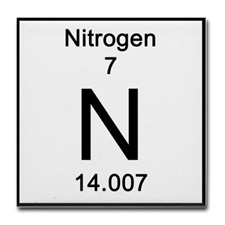

Where is the element's atomic MASS located?
at the top
at the bottom
the top number + the bottom number
the number of protons + the number of neutrons

Where is the element's atomic NUMBER located?
the top
the bottom
the top + the bottom
the number of protons + the number of neutrons


Valence electrons are the number of
protons in the atom
electrons in the atom
protons + neutrons in the nucleus
electrons in the outside shell of the atom

Which TWO of the following subatomic particles are inside the nucleus?
protons
electrons
neutrons
There are no subatomic particles in the nucleus of an atom.

Use a periodic table to help you determine the element in the image. (Hint: Use the # of protons.)
lithium
oxygen
magnesium
carbon

Use a periodic table to help you determine the element in the image. (Hint: Use the # of protons.)
boron
beryllium
neon
lithium

How many electrons does silicon have?
28
14
0
10

Using the diagram as a reference, how many electrons does lithium have in its OUTER shell?
1
3
8
2

What does the 1.00794 stand for?
Hydrogen
atomic number
atomic mass
atomic explosion
In the modern periodic table, elements are arranged by:
atomic mass
atomic number
valence electrons
number of isotopes

Which of the following signs show that a chemical change has taken place?
production of a gas
production of an odor
change in energy
all of these
The _________________________ states that in ordinary chemical and physical changes, mass is not created or destroyed but is only transformed into different substances.
law of physical change
law of chemical change
law of conservation of mass
law of matter

