Wayground logo

Free Printable Worksheets

Font size

S
M
L
XL
Worksheets

Body Systems

Total questions: 100

Worksheet time: 2hrs 12mins

Name
Class
Date
1.

Which is not a function of the skeletal system?

a)

shape and support

b)

movement

c)

protection

d)

gas exchange

2.
What system moves the body?
a)
Endocrine System
b)
Muscular System
c)
Cardiovascular System
d)
Skeletal System
3.
Which system works with the skeletal system to make your body move?
a)
muscular
b)
digestive
c)
nervous
d)
circulatory
4.

What body system produces blood cells for the body?

a)

Nervous System

b)

Digestive System

c)

Respiratory System

d)

Skeletal System

5.
The smallest unit that is a building block for all life.
a)
tissue
b)
organelle
c)
cell
d)
molecule
6.
The coloring in the skin; found in the epidermis.
a)
Melanin
b)
Oil
c)
Perspiration
d)
Pores
7.
What is NOT a function of the skin?
a)
Eliminates Waste
b)
Produces Calcium
c)
Protects Body
d)
Maintains Body Temperature
8.

What is the largest organ in a human?

a)

Liver

b)

Skin

c)

Heart

d)

Liver

9.
A ______is where two or more bones come together and allow for movement.
a)
Compact bone
b)
Joint
c)
Spongy bone
10.
Which one is not a function of the skeletal system?
a)
provides shape and support
b)
allows blood to flow to the heart
c)
protects vital organs
d)
produces blood cells
11.
 This kind of muscle pumps blood through the body. 
a)
skeletal
b)
smooth
c)
cardiac
d)
tisuue
12.
An example of muscle that you can can control are called voluntary muscles. Which one below is a voluntary muscle?
a)
smooth 
b)
skeletal
c)
cardiac
d)
all of the above
13.
An example of smooth muscle is_____.
a)
heart
b)
legs
c)
stomach
d)
ears
14.
The integumentary system does not include.. 
a)
Hair 
b)
Skin 
c)
Nails 
d)
Liver
15.
A function of the integumentary system is ____________________.
a)
protects the organs from germs
b)
To receive pressure, pain, heat, and cold stimuli
c)
To maintain an internal body  temperature and sweat 
d)
all of these
16.
Skeletal muscles are attached to the _________.
a)
Stomach
b)
Lungs
c)
Bones
d)
Involuntary Muscles
17.
What type of muscle works automatically?
a)
Leg
b)
Calf
c)
Voluntary
d)
Involuntary
18.

What is included in the integumentary system?


Select ALL that apply.

a)

skin

b)

hair

c)

nails

d)

bones

19.

What are the three types of muscle in the muscular system?


Select ALL that apply.

a)

skeletal

b)

smooth

c)

cardiac

d)

bicep

20.

Pathogens are

a)

viruses

b)

bacteria

c)

germs

d)

all of the above

e)

none of the above

21.

The dark pigment that colors people's skin is

a)

melanin

b)

vitamin D

c)

adipose

d)

keratin

22.

The human body has ________ bones.

a)

260

b)

300

c)

306

d)

206

23.
 This kind of muscle pumps blood through the body. 
a)
skeletal
b)
smooth
c)
cardiac
d)
tisuue
24.
An example of muscle that you can can control are called voluntary muscles. Which one below is a voluntary muscle?
a)
smooth 
b)
skeletal
c)
cardiac
d)
all of the above
25.
The function of the skeletal system is to...
a)
store minerals
b)
produce blood cells
c)
provide protection to major internal organs
d)
all of the choices listed here
26.

A group of cells that work together to perform a function is called ?

a)

an organ

b)

an organ system

c)

a tissue

d)

a cell

27.

Put the levels of organization for the human body in order from smallest to largest.

a)

cells, tissue, organ, organ systems, organism

b)

cells, organs, tissue, organ systems, organism

c)

tissue, cells, organs, organism, organ systems

d)

organism, organs systems, organ, tissue, cells

28.

The basic unit of structure and function in the human body is the ?

a)

tissue

b)

organ system

c)

organ

d)

cells

29.

The bones of the skeleton store minerals such as phosphorus and ?

a)

sodium

b)

iron

c)

potassium

d)

calcium

30.

Which type of muscle is found only in the heart ?

a)

smooth muscle

b)

cardiac muscle

c)

skeletal muscle

d)

not made of muscle

31.

Identify a voluntary muscle.

a)

smooth muscle

b)

cardiac muscle

c)

skeletal muscle

d)

none of the above

32.

Cell---__________________---Organ---Organ System---Organism

a)

Tissue

b)

Organelles

c)

Cellular

d)

Cytoplasm

33.
What kind of muscle do you move on purpose?
a)
voluntary
b)
involuntary
c)
cardiac
d)
heart
34.

Which of the following actions is an example of skeletal muscle movement? Select all that apply.

a)

Stomach churning and breaking down food

b)

Raising your hand

c)

Heart beating

d)

Kicking a soccer ball

35.

The main purpose of the muscular system is to....

a)

Transport nutrients, materials, and gases

b)

Move the body

c)

Break down food for nutrients

d)

Help with gas exchange

36.
What do your bones protect?
a)
organs
b)
skin
c)
muscles
d)
feelings
37.
What do we call the place where two or more bones meet?
a)
head
b)
cranium
c)
joints
d)
feet
38.
Do bones grow?
a)
yes
b)
no
39.

Muscles pull on _______ to help you move.

a)

Body parts

b)

Other muscles

c)

Bones

40.

_________ muscles are controlled by you.

a)

Involuntary

b)

Voluntary

41.

To provide movement for the body.

a)

Muscular System

b)

Endocrine System

c)

Digestive System

d)

Integumentary System

e)

Circulatory System

42.

To provide structure, framework (shape), and support for the body.

a)

Nervous System

b)

Skeletal System

c)

Excretory System

d)

Respiratory System

e)

Reproductive System

43.

What do I do? main function

a)

Regulates body function using hormones

b)

Take in oxygen and give off carbon dioxide

c)

Covers and protects the body, Regulates body temperature.

d)

Provides movement for the body

e)

Provides framework and support for the body

44.

What do I do? main function

a)

Filters wastes out of the blood.

b)

Take in oxygen and give off carbon dioxide

c)

Covers and protects the body, Regulates body temperature.

d)

Provides movement for the body

e)

Provides framework and support for the body

45.

What do I do? main function

a)

Filters wastes out of the blood.

b)

Produce offspring for the next generation

c)

Covers and protects the body, Regulates body temperature.

d)

Provides movement for the body

e)

Provides framework and support for the body

46.
A ___________ is a place where two or more bones meet.
a)
joint
b)
pivot
c)
organ 
d)
muscle
47.
Each bone has a particular job. What is the job of the rib cage?
a)
pumps blood to the body
b)
helps the body circulate blood
c)
protects the heart
d)
tells the heart what to do
48.
Each bone has a particular job. What is the job of the skull?
a)
pumps blood to the brain
b)
protects the brain
c)
helps the body to make decisions
d)
tells the brain what to do
49.
With circulation, the heart provides your body with which of the following? Choose the best answer. 
a)
oxygen
b)
nutrients
c)
a way to get rid of waste
d)
all of the above
50.

The major organ of the respiratory system where the gas exchange takes place are called ______.

a)

stomachs

b)

brains

c)

lungs

d)

nerves

51.
When you breathe in air, you inhale oxygen into your lungs and exhale ____.
a)
carbon dioxide
b)
oxygen
c)
nitrogen
d)
carbon monoxide
52.
Your body couldn’t breathe without this system. Which one is it?
a)
circulatory
b)
skeletal
c)
respiratory
d)
urinary
53.
This tube is made of smooth muscle and carries food from your mouth to your stomach.
a)
trachea
b)
intestines
c)
esophagus
d)
urethra
54.
Which type of muscle is found in your heart?
a)
Skeletal
b)
Smooth
c)
Cardiac
d)
Straight
55.
What are the 3 types of muscle tissue?
a)
Thigh, Calf, & Shoulder
b)
Traps, Forearm, & Abs
c)
Hamstring, Biceps, & Triceps
d)
Smooth Muscle, Cardiac Muscle, & Skeletal Muscle
56.
Voluntary muscle is
a)
muscle that has to be told when to move
b)
muscle that moves automatically
c)
muscle that needs to be stretched regularly
d)
muscle that makes up the heart and stomach
57.
What is an example of an involuntary muscle? 
a)
Heart
b)
Arms 
c)
Legs
d)
Shoulders
58.
The cardiac muscle is 
a)
Voluntary 
b)
Involuntary 
59.
What type of muscle are the biceps and triceps that are located in your upper arm?
a)
skeletal
b)
cardiac
c)
smooth
d)
involuntary
60.
The offspring from asexually reproduced organisms are?
a)
Different than their parents
b)
Identical to parents
c)
Like a combination from both parents
d)
A different species
61.
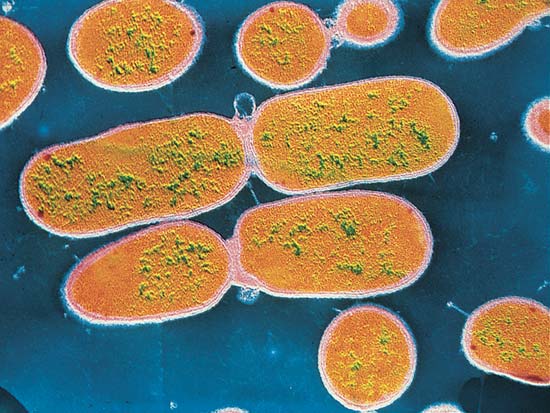
Prokaryotes (bacteria) reproduce asexually via -
a)
spore formation
b)
bud creation
c)
vegetative propagation
d)
binary fission
62.
Sexual reproduction requires _____ parents and asexual reproduction requires ___ parents
a)
1,1
b)
2,2
c)
2,1
d)
1,2 
63.
Type of reproduction?
a)
sexual; binary fission
b)
asexual; binary fission
c)
sexual; budding
d)
asexual; budding
64.
Type of reproduction?
a)
sexual; budding
b)
asexual; budding
c)
asexual; regeneration
d)
asexual; binary fission
65.
Type of reproduction?
a)
asexual; budding
b)
asexual; regeneration
c)
sexual; budding
d)
sexual; regeneration
66.

What type of asexual reproduction is taking place?

a)

Binary Fission

b)

Budding

c)

Fragmentation

d)

Regeneration

e)

Vegetative Reproduction

67.

What type of asexual reproduction is taking place?

a)

Binary Fission

b)

Budding

c)

Fragmentation

d)

Regeneration

e)

Vegetative Reproduction

68.

the is a picture of

a)

Binary Fission

b)

Budding

c)

Vegetative Propagation

d)

Regeneration

69.

OFFSPRING

a)

babies or children

b)

different

c)

the same

d)

a characteristic that describes you

70.

DIVERSE

a)

characteristic

b)

reproduction

c)

offspring

d)

different

71.

TRAIT

a)

different

b)

a characteristic that describes you

c)

babies or children

d)

the same

72.

UNIFORM

a)

babies or children

b)

the same

c)

different

d)

a characteristic that describes you

73.
Which type of asexual reproduction is taking place?
A planarian is a non-parasitic flatworm.  If a planarian was injured by a predator, it could re-grow its body parts.  If the body parts were not eaten by the predator, the part could re-grow into a whole new planarian as well.
a)
Budding
b)
Fission
c)
Vegetative propagation
d)
Regeneration
74.
Look at the picture.
Eye color.
a)
inherited
b)
acquired
75.
Look at the picture.
A dog that sits when told to.
a)
inherited
b)
learned
76.
Look at the picture.
Purple hair.
a)
inherited
b)
learned
77.
What word means "not living"?
a)
acquired
b)
abiotic
c)
biotic
d)
community
78.
What word means "living"?
a)
acquired
b)
abiotic
c)
biotic
d)
community
79.
What part of the plant cell is the control center of the cell?
a)
chloroplast
b)
ribosome
c)
nucleus
d)
cell wall
80.
What part of the plant cell stores water?
a)
nucleus
b)
vacuole
c)
chloroplast
d)
ribosome
81.
What is the largest organ in the human body?
a)
Skin
b)
Hair
c)
Nails
d)
All of the Above 
82.
Skin color is due to a pigment called
a)
Keratin
b)
Melanin
c)
Chromatin
d)
Epithelium
83.
Why do plants wilt?
a)
low turgor pressure
b)
high turgor pressure
c)
too much water
d)
no cell membrane
84.
Poison Ivy growing on a tree by touch.
a)
Gravitropism 
b)
Phototropism
c)
Thigmotropism
d)
Hydrotropism
85.
A plant growing in response to the sunlight. 
a)
Gravitropism 
b)
Phototropism
c)
Thigmotropism
d)
Hydrotropism
86.

what type of tropism is occurring here?

a)

phototropism

b)

thigmotropism

c)

gravitropism

d)

tropictropism

87.

what type of tropism is occurring here?

a)

phototropism

b)

thigmotropism

c)

geotropism

d)

tropictropism

88.

what type of tropism is occurring here?

a)

phototropism

b)

thigmotropism

c)

geotropism

d)

tropictropism

89.
When you look at a drop of blood under a microscope what are you most likely going to see?
a)
atoms
b)
cells
c)
dust
d)
water
90.
What is the main organ in the circulatory system?
a)
lungs
b)
brain
c)
veins
d)
heart
91.

What body system produces blood cells for the body?

a)

Nervous System

b)

Digestive System

c)

Respiratory System

d)

Skeletal System

92.

What body system produces blood cells for the body?

a)

Nervous System

b)

Digestive System

c)

Respiratory System

d)

Skeletal System

93.
What body system makes your body move? 
a)
Circulatory
b)
Respiratory
c)
Skeletal
d)
Muscular
94.
The skin is the major organ in which system?
a)
Integumentary
b)
Muscular
c)
Endocrine
d)
Immune
96.
Your skin and hair are parts of your ___________
a)
endocrine system
b)
excretory system
c)
lymphatic system
d)
integumentary system
96.
Your skin and hair are parts of your ___________
a)
endocrine system
b)
excretory system
c)
lymphatic system
d)
integumentary system
97.
Mrs. Salls is running after her kids in the park. This activity causes the cells in her muscular system to use oxygen at a faster rate. Which system responds by delivering more oxygen to these cells?
a)
nervous
b)
endocrine
c)
digestive
d)
circulatory
98.

Which system performs these functions

1. connects, protects,supports internal organs

2. works with muscles for movement

3. makes red blood cells

4. stores calcium

a)

muscular system

b)

circulatory system

c)

skeletal system

d)

respiratory system

99.
The muscle we have control of is called involuntary muscle
a)
True
b)
False
100.
Our cardiac muscle is an example of an involuntary muscle.
a)
True
b)
False