
 Worksheets
Weathering and Erosion
Total questions: 35
Worksheet time: 26mins
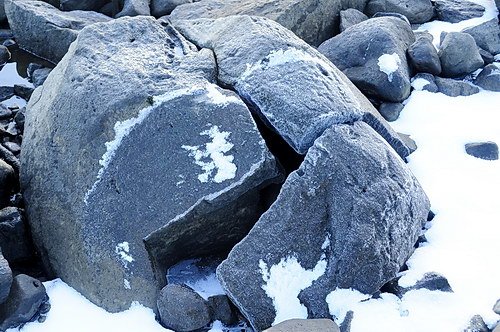

Area where land and water meet is known as...
archipelago
valley
coastline
gulf

What causes the greatest erosion effect on our beaches?
Water
Gravity
Glaciers
Wind

The process of moving weathered rock and soil and placing it in a new place is known as...
chemical weathering
Erosion
Deposition
mechanical weathering

What type of weathering most likely caused this marble statue to have holes in it?
animal action
abrasion
ice wedging
acid rain
Many processes that shape Earth happen over thousands of years. Some processes happen much more quickly. Which of the following has the potential to change Earth's landforms quickly?
The carving of a valley by a glacier
The formation of a canyon by a river
The erosion of sand on a beach by storms
The weathering of rocks by wind
While Bob was at the ball field, he noticed there were mounds where the dirt had been flat before. This is an example of which of the following?
deposition
Weathering
A mudslide
Erosion
Ice wedging is an example of
physical weathering
chemical weathering
both physical and chemical weathering
deposition
On a recent field trip to a local river, the science class collected several rocks from the river bed. The rocks were all smooth and rounded. Why were the rocks in the river bed smooth?
Rushing water in the river wore away any jagged edges.
The minerals from which the rocks are made cannot form jagged edges.
Over centuries, the action of the wind caused the rocks to become smooth.
Plants along the river released substances that mixed with the water to smooth the rocks.
Which of the following is not a cause of weathering?
Water freezes in a crack in a rock.
A plant grows in a crack in a rock.
Sand blows against a rocky surface.
A river carries sand and sediment downstream.
The process by which oxygen combines with minerals in rocks and causes them to weaken and become reddish-brown is known as...
abrasion
animal action
oxidation
living organisms
Which of the following is a body of water mostly surrounded by land?
gulf
bay
river
lake
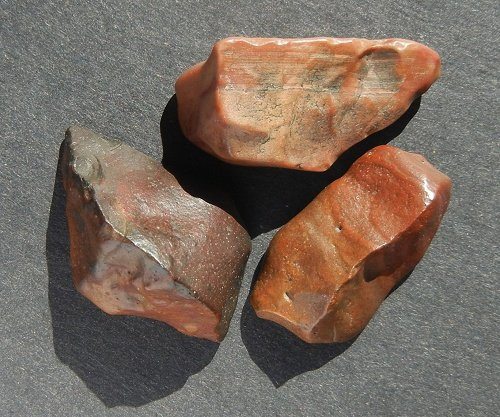

Name this landform
delta
alluvial fan
archipelago
lake
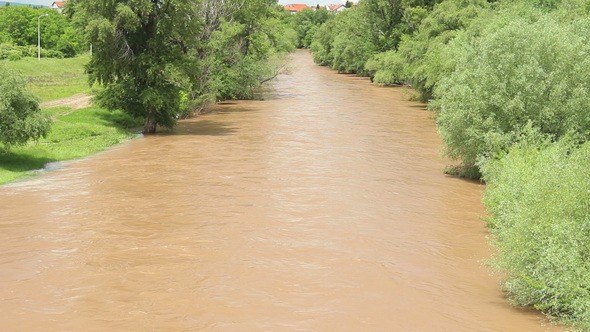
Continuous erosion on the ________ bank and deposition on the inner bank forms a meander in the river.
Outer
Inner
Front
Back


A body of water that is mostly surrounded by land is known as a...
Gulf
Bay
pond
lake
What is a main cause of sinkhole formation?
chemical weathering of limestone
physical weathering of rocks on the surface
plant growth in limestone
lichens growing on rocks on the surface

A chain, cluster, or collection of islands
Archipelago
Strait
Atoll
Isthmus

A body of water that is known as the "arm of the ocean"
Harbor
Cape
Bay
Gulf
Beach waves dropping sand to create a beach is an example of...
chemical weathering
mechanical weathering
erosion
deposition

Plants produce weak acids that slowly dissolve the rock they are growing on. What is this known as?
chemical weathering
mechanical weathering
erosion
deposition

roots grow into cracks of a rock and pry them apart
erosion
deposition
chemical weathering
mechanical weathering
___________________ occurs when materials containing iron are exposed to oxygen and water.
erosion
acid rain
abrasion
oxidation

What is the difference between weathering and erosion
Weathering carries sediment away while erosion breaks down rock
Weathering breaks rock down and erosion moves it
Weathering moves rock away and erosion breaks down rock
Weathering places rock sediment in new places and erosion breaks it apart

the general terms for the movement of sediment by wind, water, glaciers
weathering
erosion
deposition
Which of the following is NOT a type of physical weathering?
creating burrows in rocky areas
plant roots
ice wedging
acid rain

Which type of mechanical weathering is represented in the picture?
abrasion
exfoliation from uplifting
thermal expansion
plant action
animal action
Sand dunes normally shift position through which action?
wind
rivers
glaciers
water
the grinding away of rock by rock particles carried by water, ice, wind, or gravity is called __________.
abrasion
animal action
plant action
erosion

