Worksheets
Atmosphere and Wind
Total questions: 59
Worksheet time: 41mins
What causes wind?
differences in air pressure
differences in gravity
difference in oxygen
differences in the thermosphere
What causes differences in air pressure?
even heating of the Earth
Even cooling of the earth
uneven heating of the earth
global warming
Local winds blow over:
short distances
long distances
the poles
the equator

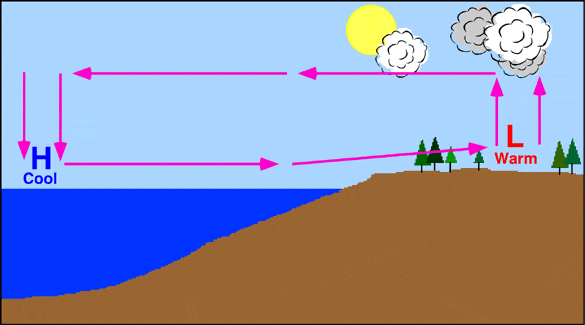
During the land breeze, what starts moving the cooler air out and warmer air in?
conduction
convection
radiation
Air at the poles is colder and denser so it_______________.
rises
circulates
stagnates
sinks
Air is warmer and less dense at the equator because the equator receives more____________________.
wind
solar radiation
air pressure
condensation
In the Northern Hemisphere, winds traveling north appear to curve east because of the:
trade winds
convection currents
Coriolis effect
polar easterlies


A mixture of gases that surrounds the Earth like a blanket.
atmosphere
troposphere
ozone
nitrogen
Gas in the atmosphere that protects the Earth from the Sun's rays
atmosphere
troposphere
ozone
nitrogen
These global winds blow from 30 degree latitude to the equator.
Polar Easterlies
Westerlies
Tradewinds
Doldrums
This is the area around the equator where there is very little wind because of the warm, rising air creating an area of low pressure.
Polar Easterlies
Westerlies
Tradewinds
Doldrums
These global winds blow from the poles to about 60 degree latitude.
Polar Easterlies
Westerlies
Tradewinds
Doldrums
These global winds are in the area that we live in. They blow from 30 degrees latitude to about 60 degrees latitude.
Polar Easterlies
Westerlies
Tradewinds
Doldrums
Local geographic features such as shorelines or mountain ranges creates these types of winds.
global winds
polar easterlies
local winds
coriolis effect
Air always wants to move from areas of ______________ pressure to _______________ pressure.
low to high
high to low
doesn't matter
huh?
The lowest pressure on Earth is found here.
poles
30 degree latitude
60 degree latitude
equator
The highest pressure on Earth is found here due to the amount of cold sinking air.
poles
30 degree latitude
60 degree latitude
equator
The air we breathe is mostly
oxygen
carbon dioxide
ozone
nitrogen
Wind occurs because of differences in
latitude
air pressure
nitrogen levels
humidity
What causes differences in air pressure on Earth?
differences in temperature
differences in oxygen levels
differences in humidity
differences in hydrogen levels
This is the layer of the atmosphere where weather occurs. Also we live in it.
troposphere
stratosphere
mesosphere
thermosphere
This is the layer of the atmosphere that is extremely cold and causes meteorites to burn up and appear to be shooting stars.
troposphere
stratosphere
mesosphere
thermosphere
This sub layer is found in the thermosphere and is responsible for the aurora borealis.
troposphere
exosphere
ionosphere
mesosphere
Which layer of the atmosphere contains the ionosphere?
troposphere
stratosphere
mesosphere
thermosphere
Which layer of the atmosphere has weather?
troposphere
stratosphere
mesosphere
thermosphere
Which layer of the atmosphere contains the ozone?
troposphere
stratosphere
mesosphere
thermosphere
Temperature increases with height in the ______ due to the ozone trapping heat.
troposphere
stratosphere
mesosphere
thermosphere
Temperature decreases with height in the ______ because there is nothing but thin air.
troposphere
stratosphere
mesosphere
thermosphere
Which gas makes up the largest portion of air?
oxygen
nitrogen
carbon dioxide
methane
What do you call the part of the atmosphere where molecules escape into space?
doldrums
ionosphere
exosphere
dead zone


The horizontal movement of air from and area of high pressure to an area of low pressure is called ____________.
wind
climate
high pressure
air pressure

All wind are caused by differences in ____________.
weather
precipitation
air pressure
climate
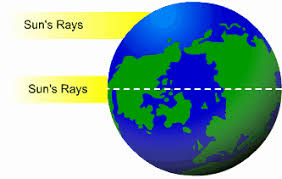
Most differences in air pressure are caused by _______________ heating of the atmosphere.
some
equal
unequal
great

Warm air __________.
is not part of the atmosphere
has less energy
sinks
rises

Cool air has __________ pressure.
low
high
medium
unknown

Winds that blow over long distances in predictable patterns are called ____________.
seasonal winds
strong winds
global winds
local winds
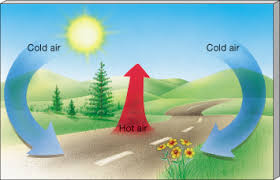
Warm air ____________ at the equator.
rises
sinks
mixes
goes down
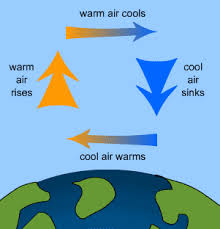
Cold air ___________ at the poles.
has a lot of moisture
gets warm
rises
sinks

Temperature differences between the equator and the poles produce giant __________________ in the atmosphere.
clouds
global warming
Greenhouse Effect
convection currents

Earth's rotation makes winds curve, this is called _____________.
wind effect
global warming effect
Coriolis effect
winds curve effect

The Horse latitudes are areas on Earth that experience little wind. They are called Horse latitudes because sailor would throw their ___________ overboard when their ships would get stuck without a wind to sail them to their destinations.
horses
sheet
gold
wives

The cold polar easterlies blow away from the __________.
poles
equator
horse latitudes
warm areas