Wayground logo

Free Printable Worksheets

Font size

S
M
L
XL
Worksheets

Science Review

Total questions: 48

Worksheet time: 1hrs 27mins

Name
Class
Date
1.

You are testing how the amount you water a plant affects its growth. What would be the INDEPENDENT VARIABLE in this experiment.

a)

They type of pot you put the plants in.

b)

The amount you water each plant.

c)

The amount of sunlight the plants get.

d)

The amount the plant grows.

2.

A scientist is testing which flavor of ice cream melts the fastest. What would his controlled variables be? (choose ALL that apply)

a)

The flavor of ice cream

b)

the bowl the ice creams are in

c)

the place in the room where the ice cream is

d)

the size of the scoop

e)

the time it takes to melt

3.

Sadie is testing how the age of a seed affects how fast plants grow. Look at the picture to see if you can figure out what makes her experiment unfair. Mark all that apply.

a)

She used different types of seeds/plants.

b)

The plants are in different pots.

c)

She did not plant very many plants.

d)

Seed age might not make a difference.

4.

Dependent variables... (mark all that apply).

a)

are controlled by the scientist

b)

are graphed on the y axis

c)

are graphed on the x axis

d)

are the result of the independent variable.

e)

are kept the same in the experiment.

5.
These kind of observation use your senses to observe results.
a)
Qualitative
b)
Quantitative
c)
Scientific
6.
These kind of observations are made using instruments such as rulers, balances and thermometers.
a)
Qualitative
b)
Quantitative
c)
Scientific
7.
It feels smooth.
a)
Qualitative 
b)
Quantitative
8.
The leaf is 5mm wide.
a)
Qualitative
b)
Quantitative
9.
It makes a loud crackling sound.
a)
Qualitative
b)
Quantitative
10.
The parts of an ecosystem that are currently living or that have once lived.
a)
Biotic Factor
b)
Abiotic Factor
c)
Species
d)
Biome
11.
The factors in an ecoysystem that have never had the ability to live.
a)
Biotic Factor
b)
Abiotic Factor
c)
Biome
d)
Community
12.
Many science words can be easily broken down to find their true meaning.  Look at the PREFIX below and match it to its meaning.
BIO
a)
Home
b)
Life
c)
Not
d)
Without
13.
Many science words can be easily broken down to find their true meaning.  Look at the PREFIX below and match it to its meaning.
A
a)
Not/Without
b)
Life
c)
Home
d)
Abode
14.

What is the best description of a population?

a)

Population size compared to amount of space and resources available

b)

The demand for resources such as food, water, and shelter

c)

Parts of Earth and the atmosphere where life is found

d)

All organisms of the same species that live in the same area at the same time

15.

Limiting factors include: shelter, water, food

a)

True

b)

False

16.

The producer in this food web is:

a)

Algae

b)

Snail

c)

Tadpole

d)

Kingfisher

17.

The owl in this food chain is the:

a)

Producer

b)

Predator

c)

Prey

d)

Tertiary consumer

18.

A close, long-term relationship between two species that usually involves an exchange of food or energy

a)

Symbiosis

b)

Symbiotic relationship

c)

Commensalism

d)

Mutualism

19.

A symbiotic relationship that benefits one species but does not harm or benefit the other

a)

Parasitism

b)

Commensalism

c)

Symbiosis

d)

Mutualism

20.

A relationship that benefits one species and harms the other

a)

Parasitism

b)

Mutualism

c)

Commensalism

21.

A symbiotic relationship in which both partners benefit

a)

Mutualism

b)

Cooperative relationship

c)

Parasitism

d)

Commensalism

22.

less food, no living space, natural disasters, predation, diseases are all reasons why population sizes may decrease

a)

True

b)

False

23.

Which of the following is NOT an aquatic ecosystem?

a)

Marsh

b)

River

c)

Tundra

d)

Swamp

24.

Which of the following ecosystems is characterized by flat land, little rainfall, and low growing plants such as grass and wildflowers?

a)

Grassland

b)

Taiga

c)

Tundra

d)

Tropical Rainforest

25.

The river is a ___________.

a)

Terrestrial Ecosystem

b)

Aquatic Ecosystem

26.

The desert is a ___________.

a)

Terrestrial Ecosystem

b)

Aquatic Ecosystem

27.
Ecology is?
a)
The study of human feet
b)
The study of relationships between plants, animals and their surroundings
c)
The study of bones
d)
The study of the brain
28.
A producer?
a)
Eats other plants and animals
b)
Makes its own food
c)
Eats dead plants or animals
d)
Makes toys for kids
29.
A consumer?
a)
Makes its own food
b)
Eats dead plants and animals
c)
Eats plants and other animals for energy
d)
Buys toys for kids
30.
A decomposer?
a)
Eats dead plants or animals and breaks down to put nutrients in the soil
b)
Eats plants or other animals for food
c)
Makes its own food
d)
Machine that gathers trash
31.
a)
Producer
b)
Consumer
c)
Decomposer
32.
a)
Producer
b)
Consumer
c)
Decomposer
33.
a)
Producer
b)
Consumer
c)
Decomposer
34.
This is the process of dropping sediment in a new location.
a)
Weathering
b)
Erosion
c)
Deposition
35.
This is the process of breaking rock into smaller pieces.
a)
Weathering
b)
Erosion
c)
Deposition
36.
This is the process of moving sediment from one place to another.
a)
Weathering
b)
Erosion
c)
Deposition
37.

Does weathering and erosion happen quickly?

a)

Yes

b)

No

38.

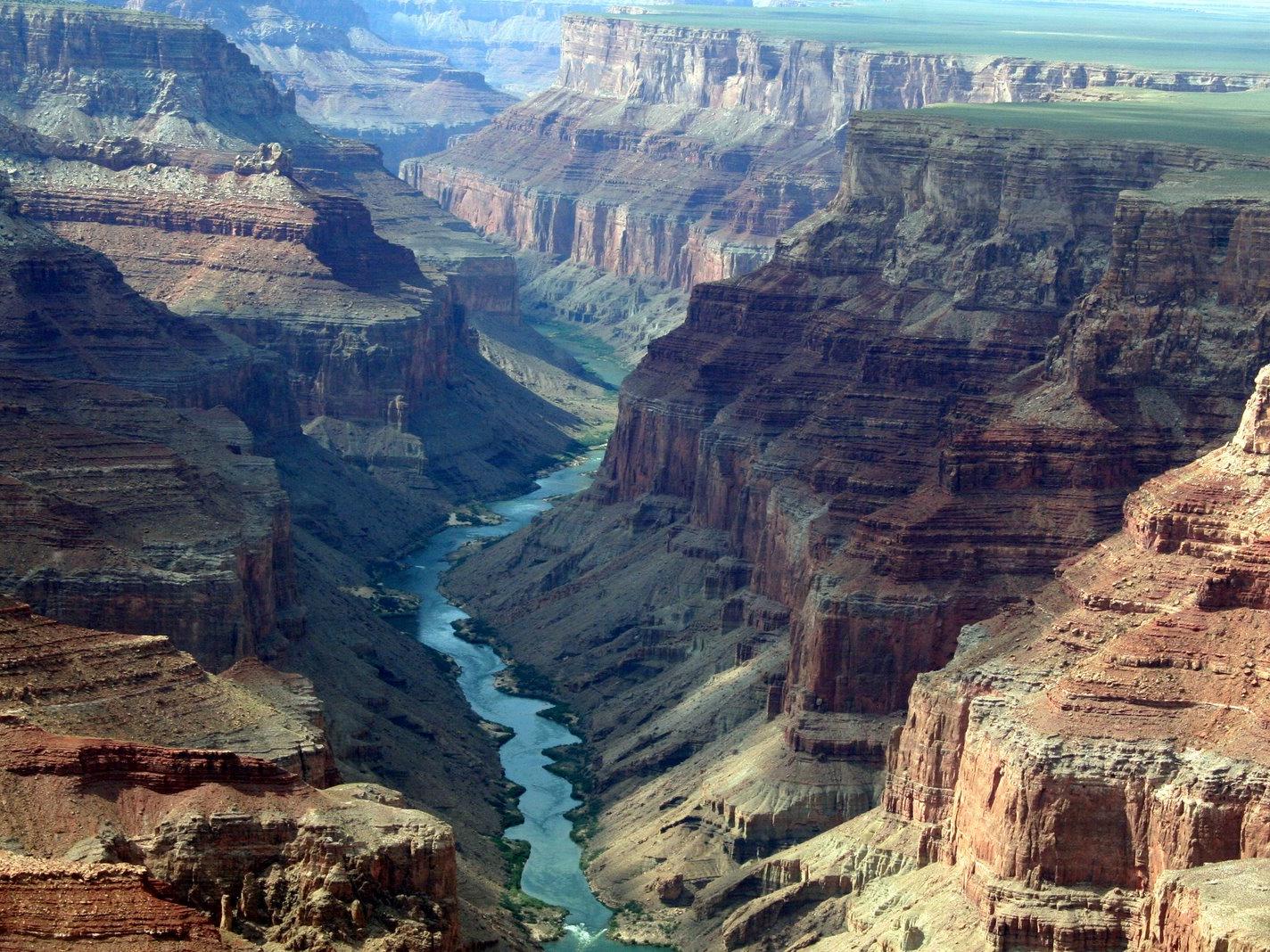
What created the Grand Canyon?

a)

Earthquakes tore the land in half

b)

Floods Quickly Caused landslides

c)

Rain, wind and the river slowly carved into the rock and soil

d)

Large erupting volcanoes

39.
What is a destructive force?
a)
A natural process that destroys land
b)
A natural process that creates land
c)
A natural process where areas that are normally dry is covered in water
40.
An area of new land at the mouth of a river.
a)
Sand Dune
b)
Delta
c)
Fault
d)
Glacier
41.
Volcanoes can create new land when they release
a)
lava
b)
water
c)
faults
d)
mud
42.
Do earthquakes occur underwater?
a)
No, earthquakes have to occur on land.
b)
Yes, and they can cause huge tidal waves to occur.
c)
No, only volcanoes occur underwater.
d)
Yes, but they have no effect on the ocean waters.
43.
How were the Hawaiian islands formed?
a)
by an earthquake
b)
by volcanoes
c)
by tidal waves
d)
by wind erosion
44.
Weathering can be created by
a)
wind
b)
ice
c)
water
d)
all of the above
45.

Valleys cut deep into the ocean floor

a)

Plankton

b)

Salinity

c)

Surface Current

d)

Ocean Trench

46.

Flat, deep, and smooth part of the ocean floor. Cold temperatures are found here.

a)

Continental Shelf

b)

Abyssal Plain

c)

Continental Slope

d)

Seamounts

47.

Underwater Volcanoes and Mountains?

a)

Seamounts or Mid- Ocean Ridge

b)

Mountain Ridge

c)

Coastal Plains

d)

Abyssal Plains

48.

gently sloping shelf of land extending from the shoreline to the continental edge

a)

Continental Slope

b)

Continental Shelf

c)

Continental Rise

d)

Abyssal Plain