
Font size
 Worksheets
Topic 5: IB ESS Soil
Total questions: 34
Worksheet time: 20mins
Food waste is
prevalent in MEDCs only
prevalent in LEDCs only
prevalent in both MEDCs and LEDCs
not an issue of concern
Farming which is for profit
subsistence
commercial
traditional
extensive
Farming which feeds family or small group
subsistence
commercial
extensive
intensive
Farming with high inputs and high outputs
subsistence
family-operated
intensive
traditional
Monoculture involves
one crop species only
low biodiversity system
low resilience system
high prevalence of diseas
all of the above
Which list contains only farm inputs?
antibiotics, water, methane
seeds, breeding stock, pollutants
fertilisers, labour, seeds
water, seeds, produce for export
Which list contains only outputs?
fertilizers, water, pesticides
pollutants, milk, food for human consumption
pollutants, labour, greenhouse gases
antibiotics, soil degradation, pesticides
Polyculture means
growing only one crop
growing crops from polynesia
growing several different crops
growing multicultural crops
Select all answer which are environmental impacts of farming
soil erosion
habitat loss
reduction in biodiversity
pollution
ozone hole depletion
The process of growing plants in water and nutrients (without soil) is known as
selective breeding
hydroponics
GMO
desertification
GMO stands for
generally monoculture organisations
general management order
genetically modified organisms
Gerald Mary and others
Sustainable food production involves
using resources at the rate at which they are generated
using resources at the rate at which they are generated without damaging the environment
ensuring all people have equal access to food
Not producing pollution
All people have equal access to food
True
False
The finest soil particles are known as -
(HINT: They trap & hold nutrients ... sometimes out of plants' roots' reach)
silt
clay
loam
sand
soil storages include (select all that apply)
leaching
water
nutrients
air
organisms
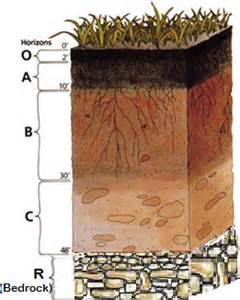
The A soil horizon (topsoil) is made up of
leaf litter
bedrock
clay and minerals
decomposed organic matter and minerals
Weathering is a process where
organic matter is broken down into smaller parts, usually by living organisms
rock is broken down into soil and small grains
soluble nutrients and minerals are drained from soil through water action
soil/rock is moved from one surface to another by wind/water/glaciers
Leaching is a process where
organic matter is broken down into smaller parts, usually by living organisms
rock is broken down into soil and small grains
soluble nutrients and minerals are drained from soil through water action
soil/rock is moved from one surface to another by wind/water/glaciers
Erosion is a process where
organic matter is broken down into smaller parts, usually by living organisms
rock is broken down into soil and small grains
soluble nutrients and minerals are drained from soil through water action
soil/rock is moved from one surface to another by wind/water/glaciers


Which soil has the greatest permeability or quickest flow?
sand
silt
clay
humus


Which two processes can give rise to soil degradation?
Erosion
Decomposition
Unsustainable agriculture
Forest Fires
Terracing is a common farming practice used in
Cities
On level ground
Mountainous regions or on slopes
When soil quality is poor
Which of these is not a soil conserving cultivating technique
Removing all crops during a single harvest
Plowing the fields regularly
Terracing fields on sloped areas
Growing cover crops between rows of main crops
Legumes add ........................... to the soil via the Rhizobium bacteria in their root nodules.
Oxygen
Carbon
Nitrogen
Calcium Carbonate
The main reason we must improve soil quality is to...
Ensure we can grow more food
Ensure we can grow more food in a sustainable way
Ensure that the soil does not disappear
Ensure that we do not run out of water
Monoculture is...
When different crops are grown year after year
When multiple crops are grown at once
When the same crop is grown year after year
When the plants are provided with mococytes
What can be ploughed into a field to increase the pH (acidity) of the soil? (Select Multiple Answers)
Straw
Crushed Lime Stone
Chalk
Manure

