
 Worksheets
Industrial Revolution
Total questions: 65
Worksheet time: 43mins
The term laissez-faire roughly translates to mean
leave alone
resist
freedom
control
The process of an area growing larger, with an increase in population, production of goods and services, and availability of a variety of options to fulfill one's wants and needs is called
industrialization
urbanization
materialism
commercialism
During the Industrial Revolution, a new social and economic class that developed was the
serfs
rich, or the upper class
expanded lower class
middle class
In the early days of the Industrial Revolution, which item was manufactured in great numbers at newly built factories?
textiles
industrial machines
cars
household goods like cookware
Which of the following best describes industrialization?
nations began to rely on one another for trade of various goods and resources after the beginning of the Industrial Revolution
smaller nations needed assistance from their larger neighbors, so they formed trade alliances
more and more people began to move to cities, away from rural areas
advancement in technology to produce goods on a larger scale and a reliance on manufacturing of goods instead of individuals producing goods themselves
Why was England the site of the beginnings of the Industrial Revolution?
England was the most powerful nation in the world
It wasn't; history has unfairly given England credit for the Industrial Revolution
England had an abundance of natural resources such as coal, iron ore, and waterways where water wheels and steam engines could be built
England was centrally located to many areas like France, Germany, Spain, and Ireland, giving them an advantage to bring in resources and talent from many places
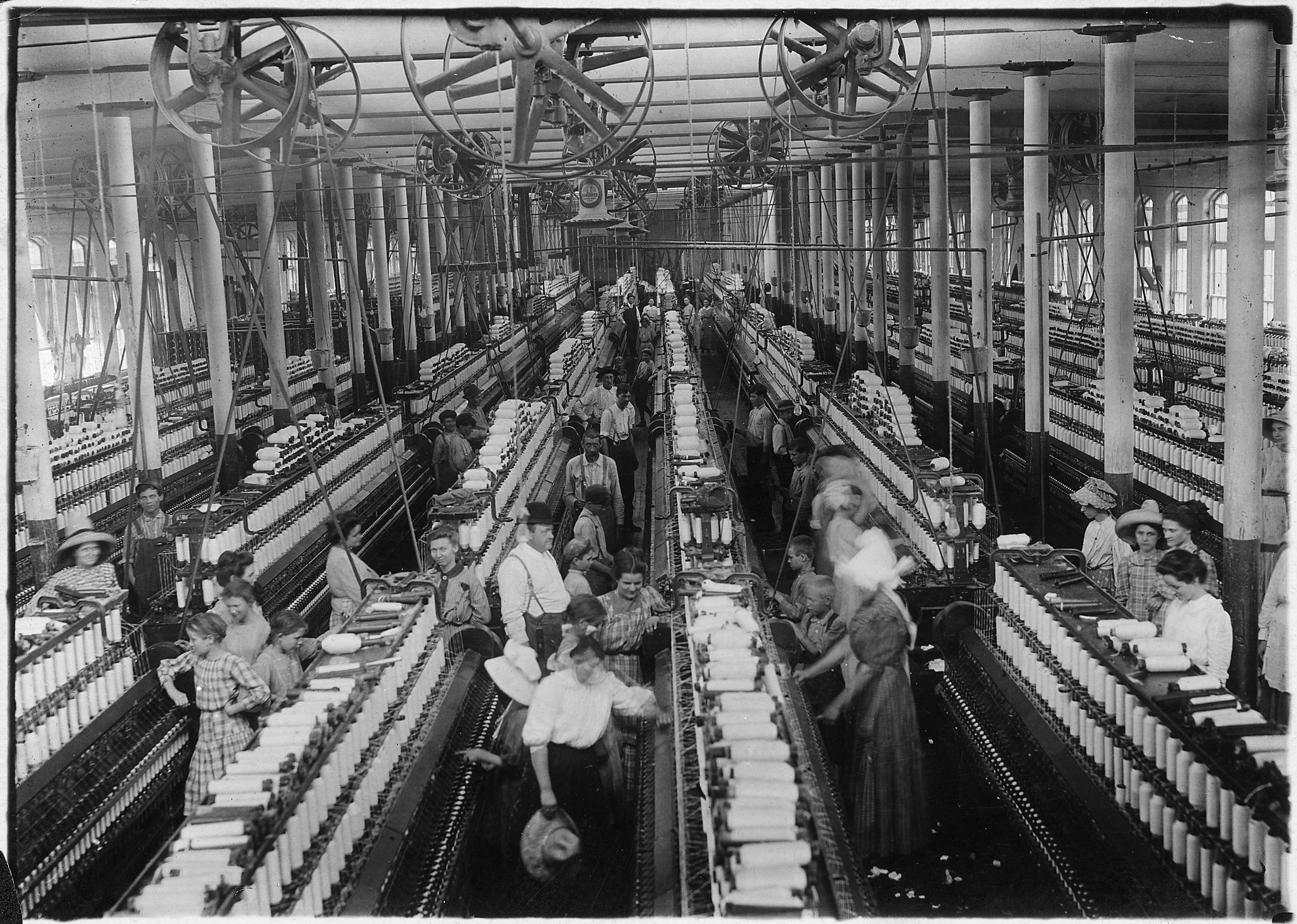

"The Industrial Revolution was the period in which the production of goods shifted from hand production methods to complex machines. This period of industrialization resulted in social and economic changes." What is an EFFECT of the Industrial Revolution according to the statement?
It resulted in social and economic changes
The land was ideal for farming
The Industrial Revolution happened in Great Britain
Machines were used during the Industrial Revolution
"Coal is a rock that is combustible, meaning that it burns easily when set on fire." What is an effect of coal during the Industrial Revolution - pick the best option.
Coal fueled engines, factories, and trains
Coal is found in the ground
Coal is a natural resource
Great Britain's location made it ideal for trading
Due to inventions like the seed drill, which made planting crops easier and faster, farmers migrated to the cities. What was an effect of inventions like the seed drill?
Farmers lost their jobs and moved into industrial jobs
The machines turned into robots and took over land in Great Britain
The farmers needed more work and hired more people to work the land.
The farmers moved to the United States to farm.
Which statement is true?
Children were not allowed to work in the mines during the Industrial Revolution
Work conditions were closely controlled by the government.
There were no labor laws that prevented children from working
Children were allowed to work but they were treated fairly.
Which of the following is not an accurate description to working conditions during the Industrial Revolution?
Workers often worked more than 12 hours a day
Workers were given multiple breaks
Children, even younger than ten, worked in factories
Workers received low wages
What was one cause of the population growth during the Industrial Revolution?
More people lived in the cities
The agricultural revolution
The rise of textile factories
New theories about childbirth
Which of the following is a reason why workers gained better pay, a shorter work day , as well as safer working conditions?
Workers revolted against factory owners and took over the means of production.
Workers unions formed and threaten to strike if employers did not meet their demands
Employers believed that paying workers more money would help their profit
Employers granted better pay out of their own care for their workers
Which of the following is NOT a negative experience that people faced while working in a factory during the Industrial Revolution?
Use of dangerous equipment
Possible injury/death due to lack of safety procedures and poor structures
Poor sanitation which led to more diseases
High working wages
What is one way that the Industrial Revolution still negatively affects us all today?
Factory work is still incredibly dangerous and refuse to change.
Greenhouse gases from burning coal has led to climate change.
Children still work in factories in Europe and parts of the US.
Smallpox is still a disease that affects a lot of people.
Workers formed __________, Self help groups to aid sick or injured workers.
standard of living
dynamo
mutual-aid societies
urban renewal
Which of the following is NOT a way in which Hospital and Medical Care improved in the Industrial Era?
Surgeons were encouraged to wash hands before operating
anesthesia is used to relieve pain during surgery
people like Florence Nightingale pressured the government to make reforms
increased focus on larger family size in industrializing countries
Who should be credited with the new art form of photography emerging by the 1840's?
Louis Daguerre, William Fox Talbot
Vincent van Gogh, Henry Ford
Edgar Degas, Berthe, Morisot
Claude Monet, Louis Daguerre
An artistic style that primarily emphasizes emotion
realism
romanticism
baroque
utilitarianism
The 1862 novel by this author, describes the reality of poverty, hunger, and corruption among the poor in Paris. It is both realistic and romantic in artistic style.
Edvard Munch
Victor Hugo
Gustave Courbet
Thomas Eaken
This artistic movement marked a departure from tradition, both in subject matter and painting technique. Artists sought to depict the human eye's first perception of a scene. This style is characterized by the use of unmixed primary colors and small, visible brush strokes.
Romanticism
Realism
Impressionism
Byronic
True or False?
During the Industrial Era these areas of society saw the MOST improvements: Women's Rights, Public Education, and Scientific Knowledge.
True
False
This artistic movement sought to represent the world as it was, and often focused on the harsh side of life in cities or villages.
realism
impressionism
romanticism
post impressionism

Which statement reflects the overall effect of labor strikes as shown in this cartoon?
Workers get to take a well-earned vacation.
Workers are deprived of their income and suffer hardships.
Employers can manage their businesses from home.
Employers generally meet workers’ demands quickly.

Based on this cartoon, which government policy is most likely influencing the situation experienced by the working man?
laissez-faire
universal suffrage
limiting immigration
public sanitation laws

What historical trend was most responsible for the change in Birmingham’s population shown above?
immigration from the colonies
industrial growth
improvements in urban health care
famine in rural areas

