
 Worksheets
World History Final Exam Review 1 2019
Total questions: 141
Worksheet time: 2hrs 30mins
Name
Class
Date
1.
What was civilization’s first system of writing called?
a)
cuneiform
b)
hieroglyphs
c)
Sanskrit
d)
calligraphy
2.
What is a unique characteristic of polytheism?
a)
Polytheism is the belief in one god.
b)
Polytheism is the belief in many gods.
c)
Polytheism is the belief in the Torah.
d)
Polytheism is the belief in the Ten Commandments.
3.
What are the two physical features that form the boundary of Mesopotamia?
a)
Tigris and Euphrates Rivers
b)
Nile and Niger Rivers
c)
Indus and Ganges Rivers
d)
Huang He and Yangtze River
4.

means "Land Between the Rivers"
a)
Fertile Crescent
b)
Sumer
c)
peninsula
d)
Mesopotamia
5.
The Epic of Gilgamesh includes a story very similar to what Biblical story?
a)
Noah and the Flood
b)
Daniel and the Lion
c)
David and Goliath
d)
Jonah and the Whale
6.
Who was the Prophet of God sent to Nineveh?
a)
Jonah
b)
Noah
c)
Ninevah
d)
Abraham
7.
A leader of Egypt that was both god and king
a)
Ziggurat
b)
A Pharaoh
c)
A Emperor
d)
Arch Bishop
8.
What is the first written language of Ancient India.
a)
Papyrus
b)
Cunieform
c)
Sanskrit
d)
English
9.
A family of rulers is called a __
a)
Mummy
b)
Dynasty
c)
Kingdom
d)
Summerians
10.
Hieroglyphics is a form of writing from what ancient civilization?
a)
Mesopotamia
b)
Egypt
c)
Sumeria
d)
Austin
11.
What discovery cracked the code of Egyptian Hieroglyphics?
a)
Papyrus
b)
Rosetta Stone
c)
Justinians Code
d)
Code of Hammurabi
12.
What ruler is credited with having the first written laws?
a)
Hammurabi
b)
King Tut
c)
Justinian
d)
Octavian
13.
Why did the Egyptians preserve their dead?
a)
To get them ready for the next life
b)
It was fun
c)
To show faith to their gods
d)
It was fashionable
14.
Theocracy
a)
Governed by God and His Laws
b)
Many Gods
c)
Governed by Queen
d)
Rule by a King
15.
What was the purpose of the Great Wall of China?
a)
To keep out invaders
b)
It was pretty
c)
The slaves needed jobs
d)
So they didn't mow the neighbors yard
16.
belief in one god.
a)
polytheism
b)
monotheism
c)
monarchy
d)
monolithic
17.
Originators of the alphabet
a)
Phoenicians
b)
Hebrews
c)
Hittites
d)
Arameans
18.
Merchants of the Mediterranean, Mollusk and Cedar and Fir Trees
a)
Hittites
b)
Phoecinicans
c)
Asserians
d)
Hebrews
19.
Ironworks, Weapons, Kings were commanders of the Army
a)
Phoenicians
b)
Hittites
c)
Hebrews
d)
Arameans
20.
Developed a road system and a postal service, their empire allowed its captives to continue their traditions and religion.
a)
Persians
b)
Hebrews
c)
Hittites
d)
Chaldeans
21.
Monotheism - Believed in one God and God established them as a Theocracy
a)
Hebrews
b)
Chaldeans
c)
Persians
d)
Hittites
22.
Under Nebuchadnezzar the ______ destroyed Jerusalem and carried off the Jews into captivity. Increased knowledge in the field of astrology.
a)
Chaldean Empire
b)
Assyrian Empire
c)
Persian Empire
d)
Hittites
23.
What two civilizations did God use as instruments of judgement upon the Hebrews.
a)
Assyrians and Chaldeans
b)
Phoenicians and Hittites
c)
Arameans and Persians
d)
Egypt and Sumeria
24.

What the major river that was in Ancient Egypt?
a)
Amazon
b)
Mississippi
c)
Nile
d)
Tiber
25.
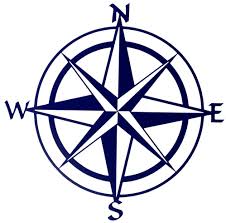
Which way did the Nile flow?
a)
North to South
b)
South to North
c)
East to West
d)
West to East
26.
During the ____________, the Egyptians began to build pyramids.
a)
Old Kingdom
b)
Middle Kingdom
c)
New Kingdom
d)
Newest Kingdom
27.
The Old Kingdom is also known as the
a)
Age of the Nobles
b)
Age of the Empire
c)
Age of the Pyramids
28.
Hatshepsut was the FIRST pharaoh was was
a)
a god.
b)
a child.
c)
a priest.
d)
a woman.
29.
Which period is often called the Golden Age, a time when Egypt had reached the height of its power?
a)
the Old Kingdom
b)
the Middle Kingdom
c)
the New Kingdom
d)
after the New Kingdom
30.
What was a MAJOR purpose for building the pyramids?
a)
temples for religious worship
b)
storehouses for reserves of grain
c)
homes for the pharaohs' servants
d)
tombs for pharaohs when they died
31.
How did the yearly flooding of the Nile River affect the people of Egypt and Kush?
a)
It isolated the settlements.
b)
It left silt that improved the soil.
c)
It spread diseases that destroyed whole empires.
d)
It attracted hunters and gatherers looking for wildlife.
32.
Why did the Egyptians want The Nile to flood every year?
a)
So they could build more canals.
b)
To ensure that crops would get water and fertile soil.
c)
To create a way to float their temple stones on barges.
d)
So they could sail to trading cities.
33.
a reed plant used to make paper
a)
cataract
b)
delta
c)
papyrus
d)
dynasty
34.

The process of preserving a body for the afterlife
a)
Cremation
b)
Mummification
c)
Autopsy
d)
Surgery
35.

Longest river in the world, made settlement possible in Ancient Egypt
a)
Amazon
b)
Nile
c)
Tigris
d)
Euphrates
36.
Who could hold political office in Rome?
a)
Any citizen
b)
Only patricians
c)
Only plebeians
d)
Women
37.
Form of Government that elect their leaders to run their government - Roman Govt and US Today.
a)
Democracy
b)
Republic
c)
Parliament
d)
Communism
38.
Rome's written set of laws were called..
a)
the Constitution
b)
the Magna Carta
c)
the Twelve Tables
d)
the Code of Hammurabi
39.
noble class, wealthy, position by birth, only people allowed to hold public office, vote, pay taxes, and serve in military.
a)
Patricians
b)
Plebians
c)
Republicans
d)
Democrats
40.
non-aristocratic, townespeople, landowners, merchants, shop keepers, vote, pay taxes.
a)
Patricians
b)
Plebians
c)
Republicans
d)
Senators
41.
Much of the First Punic War was fought over control of
a)
Rome
b)
Island of Sicily
c)
Carthage
d)
Spain
42.
Greek Culture
a)
Hellenic
b)
Hellenistic
c)
Roman
d)
Persian
43.
What was the name given to the new culture that emerged in the New East that mixed Greek Culture with the cultures of the East. United People
a)
Hellenistic
b)
Hellenic
c)
Greek
d)
Persian
44.
The Greek City State Characterized by Military Fervor and everything is centered around raising men and women to support the military state
a)
Sparta
b)
Athens
c)
Corinth
d)
Thebes
45.
Father of Geometry
a)
Euclid
b)
Herodotus
c)
Thucydides
d)
Hippocrates
46.
The Greeks Mythology had how many chief gods?
a)
6
b)
10
c)
12
d)
24
47.
Blind Poet...
a)
Solon
b)
Homer
c)
Zeus
d)
Poseidon
48.
Earliest center of civilization in the Aegean region
a)
Starta
b)
Athens
c)
Minoan
d)
Mycenae
49.
What is the meaning of the word Hellenistic?
a)
The name the Greeks gave their culture.
b)
The name of the blending of Greek culture with other cultures.
c)
The name the Greeks gave to the king of their gods.
d)
The name for the great war between Athens and Sparta.
50.
A fortified area, usually on a hill, and can be used to worship gods and goddesses
a)
agora
b)
acropolis
c)
polis
d)
legacy
51.
What was the unwritten military code for the Japanese warriors?
a)
Bushido
b)
Shogun
c)
Samurai
d)
Hammurabi's code
52.
The process of preserving a body for the afterlife
a)
Cremation
b)
Mummification
c)
Autopsy
d)
Surgery
53.
All people in Rome were able to participate in the Government.
a)
True
b)
False
54.
At the Battle of Cannae, Hannibal defeated the Romans by
a)
surrounding them on all sides - Double Envelopment
b)
scattering them with an elephant charge
c)
outnumbering them almost two on one
d)
using his superior naval forces to force the Roman ships out of action
55.
Studied Hannibal's tactics and defeated him at the battle of Zama.
a)
Scipio
b)
Julius Caesar
c)
Antony
d)
Marius
56.
Established a calendar that is the basis of our own. Made many reforms and building project to help his people with jobs. Assassinated by the Senate.
a)
Antony
b)
Julius Caesar
c)
Scipio
d)
Cato
57.
ruler of Egypt - Julius Caesar and Mark Antony
a)
Cleopatra
b)
Hannibal
c)
Octavian
d)
Scipio
58.
Great Carthage General who used elephants and the Double Envelopment to defeat the Romans in many battles. Invaded Italy through the ALPS.
a)
Scipio
b)
Hannibal
c)
Brutus
d)
Julius Caesar
59.
After the death of Julius Caesar Rome was ruled by
a)
Antony and Octavian
b)
Pompey an dCrassus
c)
Pompey and Octavian
d)
Pompey and Antony
60.

The Pax Romana was
a)
A program to give land to the poor
b)
A period of Civil Unrest, riots, & wars
c)
Period of peace and prosperity
d)
The leader of the senate
61.
Which emperor made Christianity a legal religion in the empire?
a)
Constantine
b)
Diocletian
c)
Caesar
d)
Nero
62.
What did the Romans call the Germanic peoples who settled along the borders of the empire and threatened the security of the Empire?
a)
barbarians
b)
Huns
c)
Visigoths
d)
Vandals
63.
Which emperor made Christianity the official religion of the empire?
a)
Constantine
b)
Diocletian
c)
Theodosius I
d)
Caesar
64.
In what year did the Roman Empire Collapse, when a non-Roman was placed on the imperial throne in the West?
a)
476AD
b)
576AD
c)
31BC
d)
600BC
65.
Why did the Roman Empire Decline?
a)
Barbarian Invasions
b)
Reform and Reorganization Attempts
c)
Economic and Political Problems
d)
All of the Above are Reasons for Decline of the Roman Empire
66.
What are the three economic problems troubling Rome in the late days of the empire?
a)
reduced the silver content in the Roman Coins - decline in value - caused inflation
b)
Increased Tax Burden on People
c)
Too Expensive to run big Army and government officials
d)
All of the above are economic reasons
67.
At what council in 325 was the truth of Christ's deity affirmed?
a)
Milan
b)
Nicaea
c)
Trent
d)
Nobles
68.
Who influenced Roman government and culture?
a)
Gladiators
b)
Dictator
c)
Etruscan
d)
Consuls
69.
Which Emperor was responsible for organizing and simplifying old Roman law into a new code?
a)
Constantine
b)
Diocletian
c)
Justinian
d)
Xerxes
70.
The Pax Romana was a period of
a)
war and disorder
b)
peace, unity, & accomplishments that lasted nearly 200 years.
c)
distrust & conflict between emperors & the Senate.
d)
conquests & fights for control of the empire.
71.
Constantine the new capital of the Eastern Roman Empire was also called
a)
New Rome or Second Rome
b)
Constantinople or Constantine's City
c)
"Queen of the Mediterranean"
d)
All of the Above are names for the new capital
72.
The Eastern Roman Empire became known as the _____________. A blending of ancient Greece and the cultures of the Near East including Russia and Southeastern Europe.
a)
Byzantine Empire
b)
Roman Empire
c)
Gupta Empire
d)
Chinese Empire
73.
What was the name of the organized church that developed within the Byzantine Empire?
a)
Eastern Orthodox Church
b)
Islamic Church
c)
Roman Catholic Church
d)
Anglican Church
74.
What was the name of the most famous Byzantine architectural structure?
a)
Hagia Sophia
b)
Parthenon
c)
Colisium
d)
Cathedral of Rome
75.
What ethnic group played a role in establishing the early Russian State?
a)
Poles
b)
Slavs
c)
Huns
d)
Germanic
76.
What city became the center of the early Russian State?
a)
Constantinople
b)
Kiev
c)
Rome
d)
Stalingrad
77.
What two Byzantine Missionaries developed a written language for the Slavic people of Russia
a)
Cyril and Methodius
b)
Peter and Paul
c)
David and Saul
d)
Livingstone and Newton
78.
Who claimed to be the last and greatest of the prophets of Allah?
a)
Ishmael
b)
Kaaba
c)
Muhammad
d)
Muslim
79.
What was the most sacred shrine of the Islamic Faith?
a)
Temple
b)
Kaaba
c)
Synagogue
d)
Hagia and Sophia
80.
What is the name of the holy book of Islam?
a)
Bible
b)
Torah
c)
Quran
d)
Vedas
81.
What is the name of the local Muslim place of Worship?
a)
Temples
b)
Synagogues
c)
Mosques
d)
Churches
82.
Why was the Justinian Code important?
a)
It was the history of the Byzantine Empire.
b)
It gave detailed instructions on how to make Greek fire.
c)
It organized and simplified the old Roman Empire laws and made them fair.
d)
It was a detailed history of Muhammad that Muslims use as an example of how to live their lives.
83.
Along the banks of what river did the earliest Indian civilization begin?
a)
Indus
b)
Ganges
c)
Nile
d)
Tigris and Euphrates
84.
List the four groups of the Indian Caste System
a)
Brahmans, rulers/warriors, merchants/traders, sutras, Untouchables
b)
Sudras, Matras, Mestizos, Mullatos
c)
Priest, Pope, Cardinals, Bishops
d)
Musa, Mousa, Misa, Minos
85.
Reincarnation...
a)
Cycles of Rebirths
b)
World Soul
c)
Nirvana
d)
Animal Rights
86.
What did the ancient Chinese call their land?
a)
Upper Kingdom
b)
Lower Kingdom
c)
Middle Kingdom
d)
Fun Kingdom
87.
What social group held the most esteemed position in Chinese Society?
a)
Family
b)
Sudras
c)
Serfs
d)
Priest
88.
Chinese contributions to the Western World...
a)
Fireworks, Silk, Printing, Ink, Magnetic
Compass, Gun Powder, Paper
Compass, Gun Powder, Paper
b)
Dogs, Cars, Bicycles, Trains, Planes
c)
Sun Glasses, Umbrellas, Rain Coasts, Duck Boots
d)
Hair Bows, Zip Ties, Bungee Cords, Hearing Aids
89.
India, Vedas, Upanishads, Brahman, Reincarnation, Wheel of Life
a)
Hinduism
b)
Buddhism
c)
Islam
d)
Ancestor Worship
90.
India, Siddhartha Gautama, Four Noble Truths, Eightfold Path, Nirvana,World Soul
a)
Buddhism
b)
Islam
c)
Hinduism
d)
Ancestor Worship
91.
What Mongol ruler conquered China?
a)
Kublai Khan
b)
Chucka Khan
c)
Asoka
d)
Mongol Khan
92.
Leading religion in Ancient China
a)
Hinduism
b)
Buddhism
c)
Ancestor Worship
d)
Judaism
93.
Sola fide became the rallying cry of the Reformation movement. What does it mean?
a)
Win the Prize at all Cost
b)
Baptize All Who Come
c)
God is Good!!! God is Great
d)
Justification by faith alone
94.
John Calvin became on the most famous and influential reformers of the Protestant Reformation. Which city did he Calvin start a Christian community.
a)
Paris
b)
Rome
c)
Geneva
d)
Madrid
95.
Which of the following was a part of the Counter-Reformation
a)
Index of Prohibited Books
b)
Inquisition
c)
Council of Trent
d)
All of the other choices are part of the Counter-Reformation
96.
Predestination, The Institute of the Christian Religion, Systematic Theology
a)
William the Silent
b)
Martin Luther
c)
John Knox
d)
John Calvin
97.
Leader of the Protestant Reformation in Switzerland
a)
John Knox
b)
Ulrich Zwingli
c)
John Calvin
d)
Benny Hill
98.
Became the leader of the Protestant Reformation in Scotland.
a)
John Knox
b)
William the Silent
c)
John Calvin
d)
Jim Nantes
99.
Huguenots
a)
Followers of Wycliffe
b)
French Catholics
c)
Followers of Luther
d)
First to land on Mars
100.
A church court used during the Reformation to convict and punish Heretics or those that opposed the churches teachings.
a)
St. Bartholomew Diet
b)
Inquisition
c)
Augsburg Confession
d)
Council of Trent
101.
The Society of Jesus a new religious order became instrumental in carrying out the Counter Reformation
a)
Jesuits
b)
Lollards
c)
Calvinist
d)
Hissites
102.
The Counter Reformation is
a)
The King of Spain's attempt to control the church
b)
The Lollards Attempt to takeover the world
c)
The Protestant Reformation against the Anabaptist
d)
Catholic Reformation to oppose the Protestant leaders and their efforts against the Catholic Church
103.
Martin Luther was given a chance to defend his teachings and writings before the emperors, princes, and bishops.
a)
Leipzig Debate
b)
Diet of Worms
c)
Augsburg Confession
d)
Peace of Augsburg
104.
The Leipzig Debate...
a)
Decide who should be Pope - Wycliffe or Luther
b)
Debates centered around which Bible was more accurate - English or German
c)
Debates centered around who was the Most Powerful - Kings or Church
d)
Debates centered on the question of authority in the church - Scripture or Pope
105.
This reformer translated the Bible into the common language of English.
a)
Huss
b)
Wycliffe
c)
Luther
d)
Calvin
106.
This was the church practice of selling forgiveness for sin
a)
Tithe
b)
Indulgences
c)
Sin Tax
d)
Sacraments
107.
This was a movement against financial corruption, abuse of power, and immorality in the Catholic Church
a)
Renaissance
b)
Reformation
c)
Lutherism
108.
What was the Protestant Reformation?
a)
an attempt to overthrow the Pope and replace him with a Frenchman.
b)
an attempt to reform practices by the Catholic church considered corrupt.
c)
a call for Christian Europe to reclaim the Holy Land from the Arabs.
d)
Attempt to change the government in Europe
109.
Who was Martin Luther?
a)
A German monk who wanted to replace the Pope.
b)
The patriarch of the Eastern Orthodox church, he wanted to split from the Catholic Church.
c)
A German monk who wrote the 95 Theses and translated the Bible into German.
d)
A English Monk who translated the Bible into English
110.
What were the criticisms of the Catholic Church?
a)
that Church officials were trying to make money, especially the sale of indulgences and the veneration of relics.
b)
The pope had moved to Avignon, France and was living on a luxurious estate.
c)
That Church officials were leaving the cities to escape the plague.
d)
Church was teaching truth from the scriptures
111.
movement in 1500's which split Christian Church in western Europe and led to new churches
a)
Edict of Nantes
b)
Protestant Reformation
c)
Counter Reformation
d)
Council of Trent
112.
What are the complaints called that Martin Luther wrote against Indulgences?
a)
The 90 Thesis
b)
The 95 Theories
c)
The 95 Arguements
d)
The 95 Theses
113.
Which of the following occurred as a result of Martin Luther's stand against indulgences? .
a)
Germany rejected Lutheranism and remained Roman Catholic.
b)
Martin Luther became the POPE
c)
Henry VIII started a new religion in England called Anabaptism.
d)
The Protestant Reformation began.
114.
In 1517 the Reformation began in Wittenberg Germany. It led to the founding of Christian churches that did not accept the pope's authority. The person credited with beginning the Reformation is
a)
Queen Elizabeth I
b)
Michelangelo
c)
Martin Luther
d)
King Henry VIII
115.
What provided the major economic support for the Renaissance?
a)
wealthy patrons
b)
church officials
c)
government grants
d)
kings competing for prestige
116.
Where did the Renaissance begin?
a)
Italy
b)
France
c)
England
d)
Germany
117.
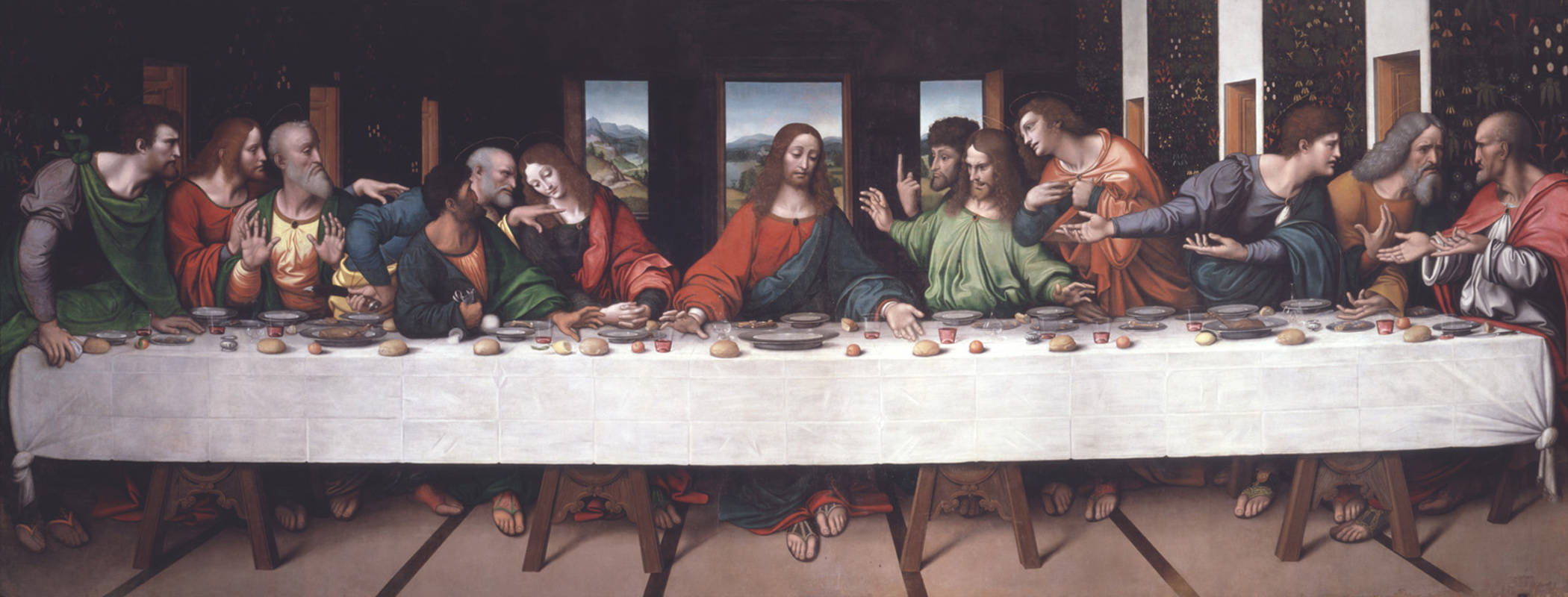
Who painted "The Last Supper"?
a)
Machiavelli
b)
Botticelli
c)
Kepler
d)
Leonardo da Vinci
118.
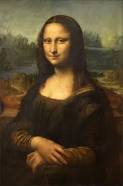
Who painted the Mona Lisa?
a)
Michelangelo
b)
Boticceli
c)
Leonardo da Vinci
d)
Donatello
119.
What does the word "Renaissance" mean?
a)
Rebirth
b)
Stagnation
c)
Traditional
d)
A Latin term for art
120.
What was the Renaissance a "rebirth" of?
a)
Religion
b)
Classical culture
c)
Life (after the black death)
d)
Middle Ages
121.
The Medici Family...
a)
Were the first mafia family to live in Italy
b)
Were the most famous painters in Florence
c)
Were the family of Mona Lisa
d)
Were patrons of the arts in Florence
122.
Humanism...
a)
emphasized the Bible
b)
leads to happier lives
c)
encourages people to learn Latin and Greek
d)
focuses on the potential of humans to achieve
123.

The Printing Press
a)
Allowed ideas to be spread faster because books were easier to get
b)
Was created by Leonardo Da Vinci
c)
Was invented by the Ottoman Turks
d)
Helped Mansa Musa spread Islam
124.
The printing press was invented by
a)
Jan van Eyck.
b)
Johann Gutenberg.
c)
Peter Bruegel the Elder.
d)
Hans Holbein the Younger.
125.
A period of European history, lasting from 1300 to 1600, during which renewed interest in classical culture led to far-reaching changes in art, learning, and views of the world was ____________________________.
a)
Catholic Reformation
b)
Reformation
c)
Peace of Augsburg
d)
Renaissance
126.
a special church court commissioned by the pope to stamp out heresy
a)
College of Cardinals
b)
Inquisition
c)
Lay Investiture
d)
Interdict
127.
Which of the following is not one of the Papal Weapons?
a)
Excommunication
b)
Interdict
c)
Inquisition
d)
Holy Euchrist
128.
Some kings and nobles appointed church officials and invested them with their religious authority. This is known as...
a)
secular clergy
b)
regular clergy
c)
lay investiture
d)
Popes Authority
129.
Created to ensure that churchmen rather than Roman nobles or German kings would choose the popes
a)
Lay Investiture
b)
Magna Carta
c)
Common Law
d)
College of Cardinals
130.
the punishment of an individual by depriving him of the sacraments and excluding him from the fellowship of the Roman Church.
a)
Interdict
b)
Excommunication
c)
Matrimony
d)
Inquistition
131.
a special church court commissioned by the pope to stamp out heresy
a)
College of Cardinals
b)
Inquisition
c)
Lay Investiture
d)
Interdict
132.
Anglo - Saxon Chronicles
a)
Traces the history of England from Roman Times to Alfred's days
b)
tax collection book
c)
history of the crusades
d)
history of Holy Roman Empire
133.
Who is the leader of the Catholic Church?
a)
The Priest
b)
The Monk
c)
The Pope
d)
The Cardinal
134.
Which of the following best describes the feudal system?
a)
It promoted peace and prosperity
b)
It was democratic
c)
It depended on a strong military.
d)
Land and military protection were the cornerstones of the feudal system.
135.
Which institution held the most power during the Medieval Times?
a)
The King
b)
The Emperor
c)
The Serfs
d)
The Church
136.
As a result of Viking raids in Europe...
a)
Feudalism was developed to provide protection and stability
b)
Europeans all became sailors
c)
Europeans became rich
d)
Relations between Vikings and Europeans strengthened
137.
Why was the time immediately following the fall of Rome called the Dark Ages?
a)
Emperors kept tight control of the people.
b)
There was little formal education for the masses.
c)
Artwork from Greece, not Rome, survived.
d)
There was no building being done.
138.
What is the name of a castle and estate of a feudal lord?
a)
fief
b)
manor
c)
village
d)
hamlet
139.
When was the fall of the Roman Empire?
a)
411 CE
b)
476 CE
c)
514 CE
d)
496 CE
140.
A large estate given by the king to the lords/warriors who had served him is called a _____________
a)
estate
b)
fief
c)
village
d)
hamlet
141.
a code of conduct for knights
a)
jedi codex
b)
bushido
c)
manners
d)
chivalry
100 %

