wayground logo

Free Printable Worksheets

NEW

Font size

S
M
L
XL
Worksheets

Organ Systems + Christmas

Total questions: 40

Worksheet time: 34mins

Name
Class
Date
1.
Major organs of the nervous system
a)
Kidneys, nephrons
b)
Stomach, intestines, mouth
c)
Heart, blood vessels, blood
d)
Brain, spinal cord, nerve
2.
Major organs of the digestive system
a)
Kidneys, nephrons
b)
Stomach, intestines, mouth
c)
Heart, blood vessels, blood
d)
Liver, kidneys, heart
3.
Major organs of the skeletal system
a)
Muscles, tendons
b)
Bones, ligaments
c)
Marrow, periostium, nerves
d)
Ribs, quadriceps, femur
4.
Heart, blood vessels, blood
a)
Digestive system
b)
Excretory system
c)
Circulatory system
d)
Immune system
5.
Nose, trachea, lungs, alveoli
a)
Respiratory system
b)
Endocrine system
c)
Muscular system
d)
Skeletal system
6.
Kidneys, lungs, skin, nephrons
a)
Digestive system
b)
Excretory system
c)
Integumentary system
d)
Respiratory system
7.
Major organs of the muscular system
a)
Shoulder-blade, kneecap, triceps
b)
Muscles, tendons
c)
Bones, ligaments
d)
Heart, intestines, stomach
8.
Pituitary gland, pancreas, thyroid, adrenal gland
a)
Digestive system
b)
Integumentary system
c)
Endocrine system
d)
Immune system
9.
Nutrients from digested food are absorbed in which digestive organ?
a)
Small Intestine
b)
Stomach
c)
Large Intestine
d)
Gallbladder
10.
Number 2 is pointing to the...
a)
Esophagus
b)
Stomach
c)
Small intestine
d)
Anus
11.

What is the correct order of digestion?

a)

Mouth - stomach - esophagus - Large intestine - Small intestine - anus - rectum

b)

Mouth - esophagus - stomach - gall bladder - small intestine - rectum - anus - large intestine

c)

Mouth - pancreas - stomach - rectum - gall bladder - small intestine - rectum - anus

d)

Mouth - esophagus - stomach - small intestine - large intestine - rectum - anus

12.
The organ where food doesn't pass through but it does break down fats and detoxify poisons?
a)
liver
b)
small intestine
c)
stomach
d)
large intestine
13.
Which organ makes enzymes (lactase, amylase, protease, maltase) to break down the food that you eat?
a)
gallbladder
b)
liver
c)
pancreas
d)
rectum
14.

Endocrine glands secrete _

a)

Hormones

b)

Neurotransmitters

c)

A wide range of chemical substances

15.

The response to stress is called

a)

Stay or Stray Response

b)

Fight or Stay Response

c)

Flee or Stray Response

d)

Fight or Flight Response

16.
If you have diabetes, you most likely have a problem with this hormone.
a)
ADH
b)
Glucagon
c)
Insulin
d)
PTH
17.
What is gland #3?
a)
Adrenal Gland
b)
Pancreas
c)
Ovaries
d)
Testes
18.
The brain is the ______ ______ of the body.
a)
nervous center
b)
nueropathy
c)
control center
d)
extension
19.
Connected to spinal cord, controls heartbeat, breathing, blood pressure, digestion.
a)
Nerves
b)
Brain Stem
c)
Dendrites
d)
Brain
20.
Which part of the body is like a highway for sending messages?
a)
Blood
b)
Spinal Cord
c)
Atrium
d)
Ventricle
21.

These type of cells are responsible for transmitting electrical signals from nervous system to various parts of the body.

a)

Neuron

b)

Nerve

c)

Villi

d)

Somatic

22.
Homeostasis
a)
allows for a wildly fluctuating internal environment
b)
is impossible in vertebrates
c)
is the maintenance of a relatively stable internal environment and often incorporates a form of feedback regulation
d)
is the maintenance of a relatively stable external environment and often incorporates a form of feedback regulation
23.
The term for maintaining internal temperature is: 
a)
Thermoregulation
b)
Thermometer
c)
Homeothermal
d)
Homeostasis
24.
The heart is the size of
a)
your thumb
b)
your fist
c)
your ribcage
d)
your kitchen table
25.
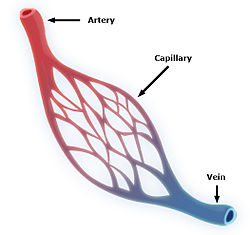
This type of vessel carries blood TO the heart:
a)
vein
b)
nerve
c)
muscle
d)
artery
26.
When oxygen-rich blood is carried AWAY from the heart, it travels through an...
a)
artery
b)
neuron
c)
vein
d)
straw
27.
The smallest type of blood vessel is the:
a)
nerve
b)
vein
c)
capillary
d)
artery
28.

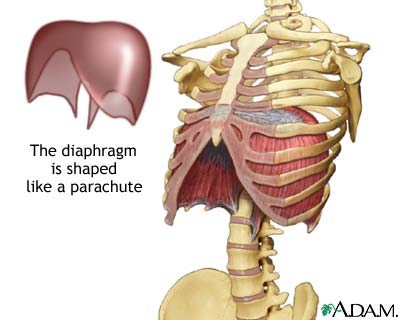
What is function of the dome-shaped diaphragm muscle?

a)

This is where gas exchange happens.

b)

Air passes through the diaphragm on the way to the lungs.

c)

It attaches to the lungs and contracts and relaxes to help in breathing.
29.
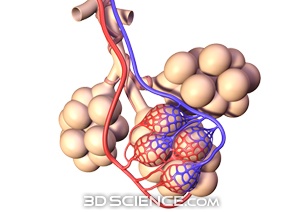
The air sacs that are covered with capillaries where gas exchange takes place
a)
bronchi
b)
lungs
c)
oxygen
d)
alveoli
30.
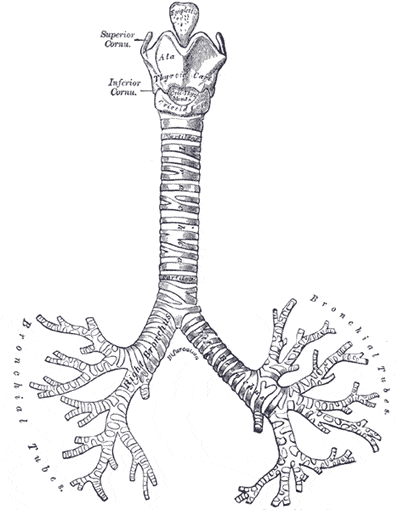
What is tube that is also known as your wind pipe?
a)
esophogus
b)
bronchi
c)
trachea
d)
alveoli
31.
These muscles are attached to your bones
a)
Skeletal
b)
Smooth
c)
Rough
d)
Cardiac
32.
This muscle is only found in your heart.
a)
Skeletal
b)
Smooth
c)
Rough
d)
Cardiac
33.
These muscles are found in your organs
a)
Skeletal
b)
Smooth
c)
Rough
d)
Cardiac
34.
Which muscles are involuntary?
a)
skeletal
b)
cardiac
c)
smooth
d)
smooth and cardiac
35.

How many bones are in an adult body?

a)

600

b)

206

c)

300

d)

210

36.

What is a joint?

a)

The place where 2 or more bones meet.

b)

A thin membrane that covers the surface of bone.

c)

A band of tissue that hold bones together.

d)

Connective tissue

37.
What color is the Grinch?
a)
Green
b)
Blue
c)
White
d)
Black
38.
Who is this?
a)
Chuck the Elf
b)
Friend the Elf
c)
Buddy the Elf
d)
Barry the Elf
39.
In the movie Home Alone, where does the family go for Christmas when they leave Kevin at home?
a)
New York City
b)
Florida
c)
Venice
d)
Paris
40.
Name the NINE Reindeers.
a)
Sprint, Pixie, Mike, Beth, Snow, Flora, Flint, Max, Rudolph
b)
Luke, Paul, Anna, Mabel, Faun, Brute, Rudolph, Penelope, Storm
c)
Dasher, Dancer, Prancer, Vixen, Comet, Cupid, Donner, Blitzen and Rudolph
d)
Horus, Solar, Zeus, Phineas, Frost, Poppy, Rudolph, Luna, Sally