wayground logo

Free Printable Worksheets

NEW

Font size

S
M
L
XL
Worksheets

Unit 3 Test Review Part 1

Total questions: 28

Worksheet time: 37mins

Name
Class
Date
1.
All ____________ are made up of two or more atoms bonded together.
a)
atoms
b)
molecules
c)
electrons
d)
elements
2.
How many elements are represented in the compound?
Na2CO3
a)
1
b)
2
c)
3
d)
4
3.
What is the formula for aluminum fluoride?
a)
AlF
b)
Al2F3
c)
AlF3
d)
Al3F2
4.
How do the following two elements bond together?
Al3+  O2-         
a)
AlO
b)
Al2O3
c)
Al3O6
d)
Al3O2
5.
When metals bond with non-metals they form what type of bonds
a)
covalent
b)
ionic
c)
cooperative
d)
lewis
6.
If my charge becomes 2+ what does that say about me?
a)
I am stealing 2 electrons
b)
I am losing 2 electrons
c)
I am in period 2
d)
I have an atomic # of 2
7.
If I gain electrons I become
a)
Positive because I've added to my atom
b)
negative because I've added electrons
c)
same because i'm balanced
d)
equal because now I have electrons
8.
Metals tend to 
a)
gain electrons
b)
lose electrons
9.

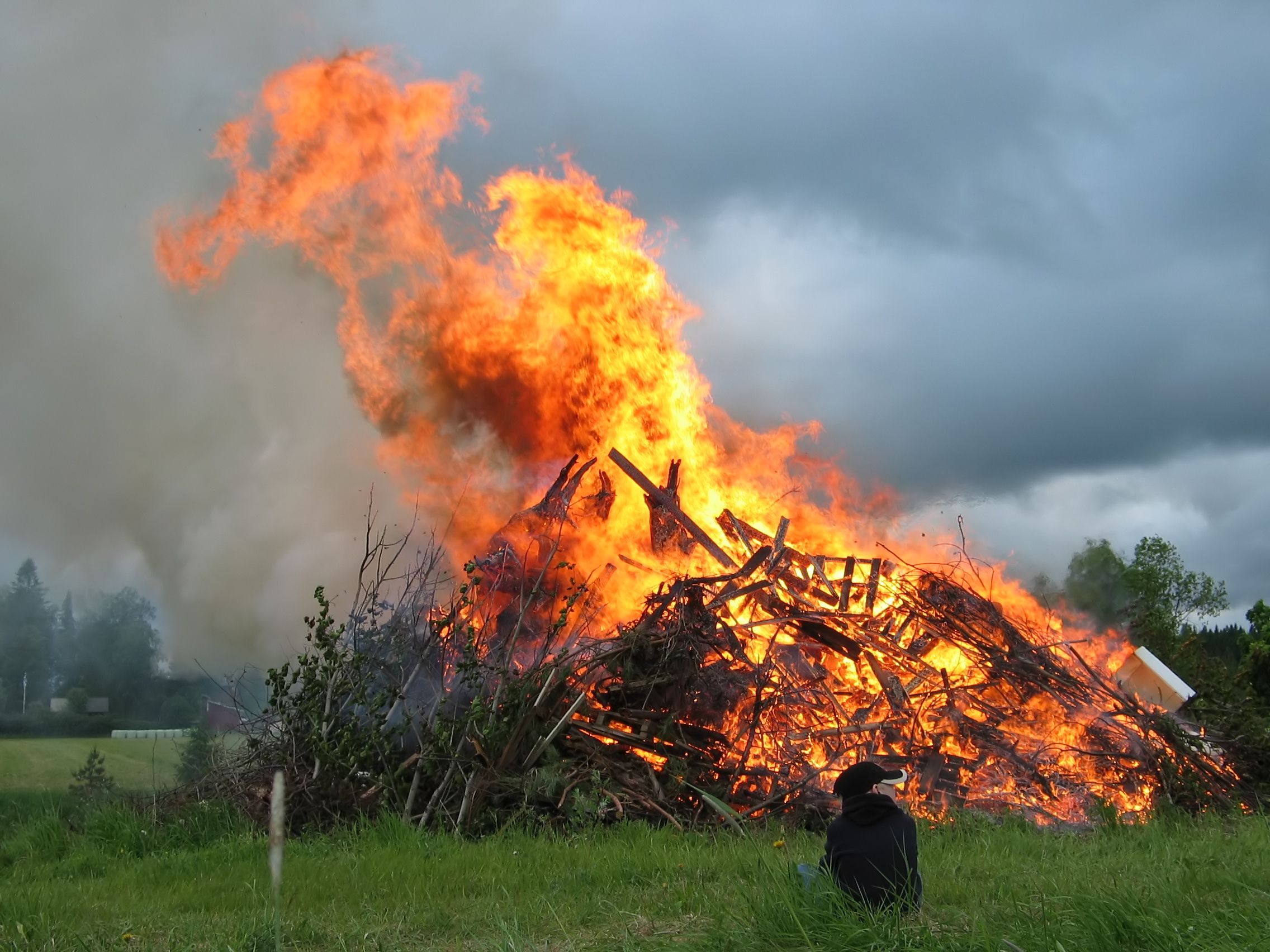
Wood that is burning in a brush pile has heat, and produces ashes.

a)

Physical

b)

Chemical

10.
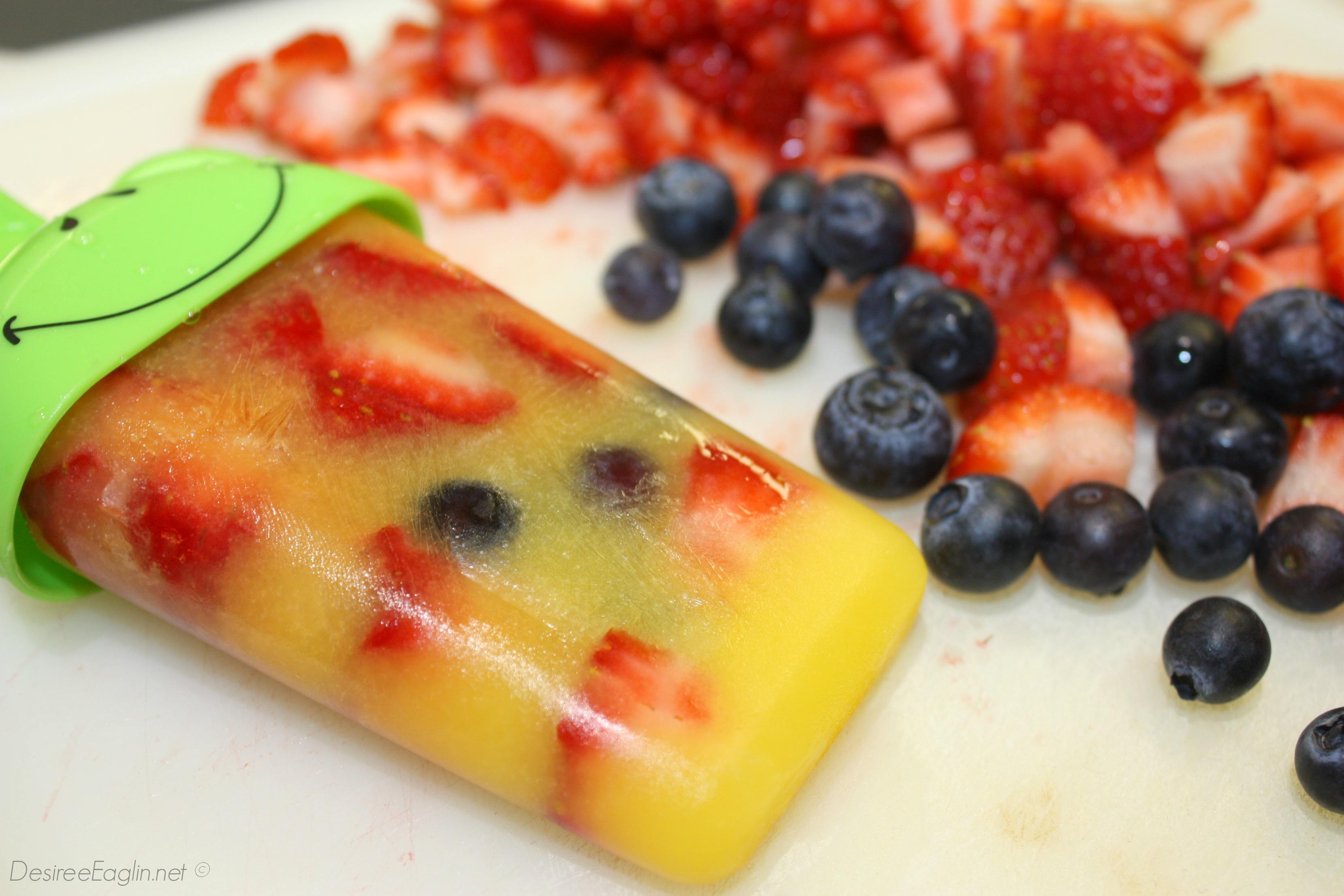
Is freezing juice a physical or chemical change?
a)
Physical Change
b)
Chemical Change
11.
Why is this a physical change?
a)
The shape of the clay has been changed.
b)
The clay can be put back into a ball shape instead of a birthday cake.
c)
The clays has not changed chemically.
d)
All are true
12.

A physical change:

a)

DOES result in a new substance.

b)

DOES NOT result in a new substance.

13.

A student drops an antacid tablet into a liquid. How does the student know a chemical change occurred?

a)

the solid tablet dissolves

b)

a mixture is produced

c)

a gas is produced (bubbles)

d)

the solid tablet sinks

14.
Blue Color: Chemical or Physical Property
a)
Chemical Property
b)
Physical Property
15.
Flammability (burns): Chemical or Physical Property
a)
Chemical Property
b)
Physical Property
16.
Solubility (dissolves): Chemical or Physical Property
a)
Chemical Property
b)
Physical Property
17.
Which is NOT a physical property?
a)
odor
b)
reacts with acid
c)
ability to conduct electric current
d)
hardness
18.
Takes two small nuclei and combines them into a larger nucleus
a)
fission
b)
fusion
19.
The splitting of a nucleus into smaller nuclei is
a)
fusion
b)
fission
c)
half-life
d)
gamma radiation
20.
How do nuclear power-plants work?
a)
Fusion
b)
Half-life
c)
Fission
d)
Fusion or fission
21.
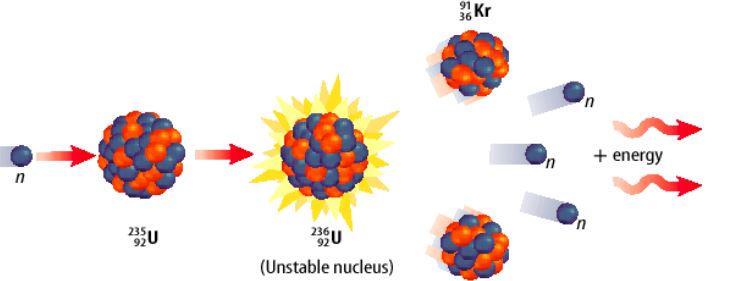
This is an example of...
a)
Fission  reaction
b)
Fusion reaction
c)
Decomposition reaction
d)
Decay
22.
Where does fusion occur naturally?
a)
Underwater
b)
All around us
c)
In the radioactive waste
d)
On the sun
23.
Which atoms combine together during fusion reaction on the sun?
a)
Helium and Hydrogen atoms
b)
Hydrogen atoms
c)
Hydrogen and Lithium atoms
d)
Hydrogen and Carbon atoms
24.

A drug company is testing a new medicine. They give one group of test subjects the new medicine in a tablet. They give the other group an identical tablet with no medicine.


What is the best reason that one group gets a matching tablet with no medicine?

a)

to find out how long it takes people to get well with no medicine

b)

to find out whether people really get well or if they are just pretending

c)

to be sure it is the medicine that makes people well and not anything else

d)

to find out whether the new medicine makes people more sick than people who get no medicine

25.
Mr. McNiece wanted to see how different types of music affected students' pulse rates. She played different types of music: heavy metal, rap, R&B, alternative, pop, country, and classical music. Identify the independent variable.
a)
classical music resulted in the highest pulse rate
b)
high pulse rate
c)
pulse rate
d)
types of music
26.
Covalent bonds are between...
a)
Metal and Non-metal
b)
Non-metal and Non-metal
c)
Metal and Metal
27.
How are covalent bonds formed?
a)
Sharing of electrons
b)
Transfer of electrons
28.
How are ionic bonds formed?
a)
Transfer of electrons
b)
Sharing of electrons