
NEW
Font size
 Worksheets
OpenStax Biology2e Chapter 19 The Evolution of Populations
Total questions: 13
Worksheet time: 13mins
Population genetics is the study of:
how selective forces change the allele frequencies in a population over time
the genetic basis of population-wide traits
whether traits have a genetic basis
the degree of inbreeding in a population
When a population is in Hardy-Weinberg equilibrium, what is NOT happening to the species?
Which of the following populations is not in Hardy-Weinberg equilibrium?
a population with 12 homozygous recessive individuals (yy), 8 homozygous dominant individuals (YY), and 4 heterozygous individuals (Yy)
a population in which the allele frequencies do not change over time
p2 + 2pq + q2 = 1
a population undergoing natural selection
One of the original Amish colonies rose from a ship of colonists that came from Europe. The ship’s captain, who had polydactyly, a rare dominant trait, was one of the original colonists. Today, we see a much higher frequency of polydactyly in the Amish population. This is an example of:
natural selection
genetic drift
founder effect
both genetic drift and founder effect
When male lions reach sexual maturity, they leave their group in search of a new pride. This can alter the allele frequencies of the population through which of the following mechanisms?
natural selection
genetic drift
gene flow
random mating
Which of the following evolutionary forces can introduce new genetic variation into a population?
natural selection and genetic drift
mutation and gene flow
natural selection and nonrandom mating
mutation and genetic drift

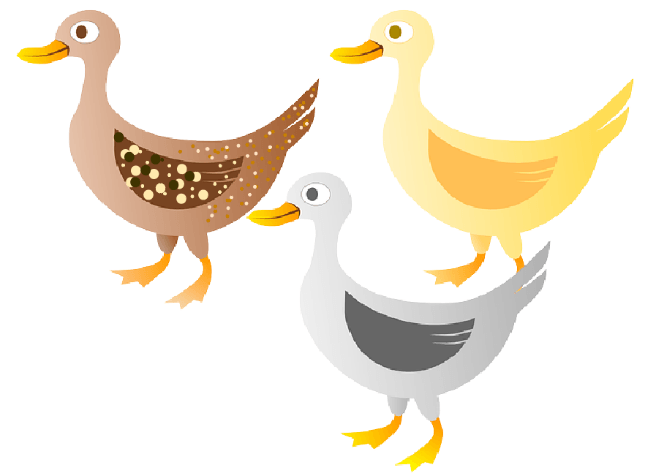
All the possible gene combinations in a population.
allele
gene pool
genome
mitosis
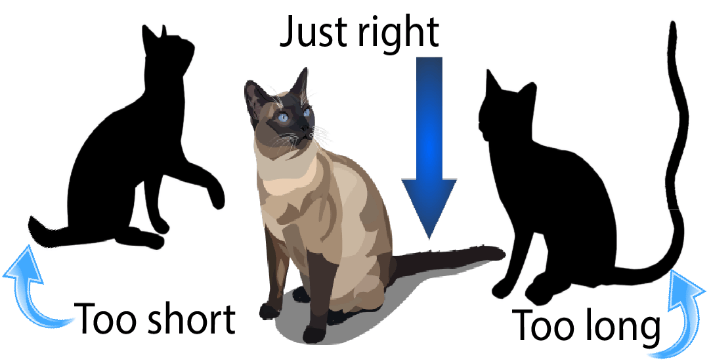
Average phenotypes are favored in the environment, while extremes have lower survival rates.
seasonal selection
distruptive selection
directional selection
stabilizing selection
Which Hardy-Weinberg factor represents the frequency of heterozygous individuals in a population?
p2
2pq
q2
p2 + 2pq
The allele frequency of p=.20 What is the percentage of recessive genotype?
.80
.04
.32
.64

