
 Worksheets
Raise your Grade Quiz
Total questions: 38
Worksheet time: 2hrs 54mins
Name
Class
Date
1.
A rock formed from fragments of other rocks is a(n)
a)
Metamorphic Rock
b)
Sedimentary Rock
c)
Extrusive Rock
d)
Igneous Rock
2.
If heat and pressure inside the Earth cause a rock to melt, the material that formed would be
a)
Metamorphic
b)
Magma
c)
Sedimentary
d)
Igneous
3.
You find a rock in which the grains are arranged in parallel bands of white and black crystals. The rock is probably a(n)
a)
Igneous rock
b)
Sedimentary rock
c)
Metamorphic rock
d)
Extrusive rock
4.
When minerals line up in bands within a metamorphic rock, this rock is...
a)
Nonfoliated
b)
Foliated
c)
Igneous
d)
Sedimentary
5.
A German scientist Alfred Wegener was the first to hypothesize that ...........
a)
Continents were once joined
b)
The sea floor is spreading
c)
Continents are moving
d)
The Earth's magnetic pole flips
6.
Pangaea was an ancient supercontinent made up of...
a)
America, Greenland, and Europe.
b)
Antarctica, India, and America.
c)
all of Earth’s continents.
d)
South Africa, India, Australia, and South America.
7.
Peer scientists reviewing Wegener’s hypothesis of continental drift rejected his notion because
a)
His evidence was too few to make a valid conclusion
b)
He did not explain how continents move and what moves them
c)
His evidence was not clear in showing how continents were joined
d)
He lied by including false evidence
8.
The rejection of Mr. Wegener's hypothesis teaches us that
a)
Indirect evidence is not sufficient to prove a hypothesis
b)
Direct evidence is hard to find
c)
Hypotheses are hard to prove
d)
Scientists of the early 1900s were not smart enough
9.
The Himalayan mountains have some of the highest peaks like Mt. Everest, on which type of convergent boundary are they located?
a)
Oceanic/Continental
b)
Oceanic/Oceanic
c)
Continental/Continental
d)
None of the above
10.
The mechanism that moves continents is based on heat energy moving by
a)
Radiation in the core
b)
Conduction in the lithosphere
c)
Convection in the Asthenosphere
d)
None of these options is true
11.
Los Angeles and San Francisco are cities on opposite sides of the San Andreas transform boundary. Suggest how both cities will be like at some point in future
a)
Furthest north and south apart than now
b)
At the same positions as today
c)
Drift apart away from the fault line
d)
Side by side somewhere between them now
12.

The graph shows how temperature changes with altitude in the Earth's atmosphere. In the troposphere...
a)
Temperature decreases as altitude increases
b)
Temperature increases as altitude increases
c)
Temperature alternately increases and decreases as altitude increases
d)
Temperature stays the same as altitude increases
13.
The hydrosphere is predominately made of
a)
liquid water
b)
frozen water
c)
solid rock
d)
gaseous air
14.
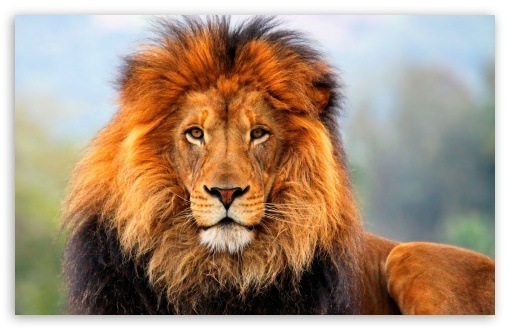
This sphere is composed of all the living things
a)
Hydrosphere
b)
Biosphere
c)
Atmosphere
d)
Geosphere
15.
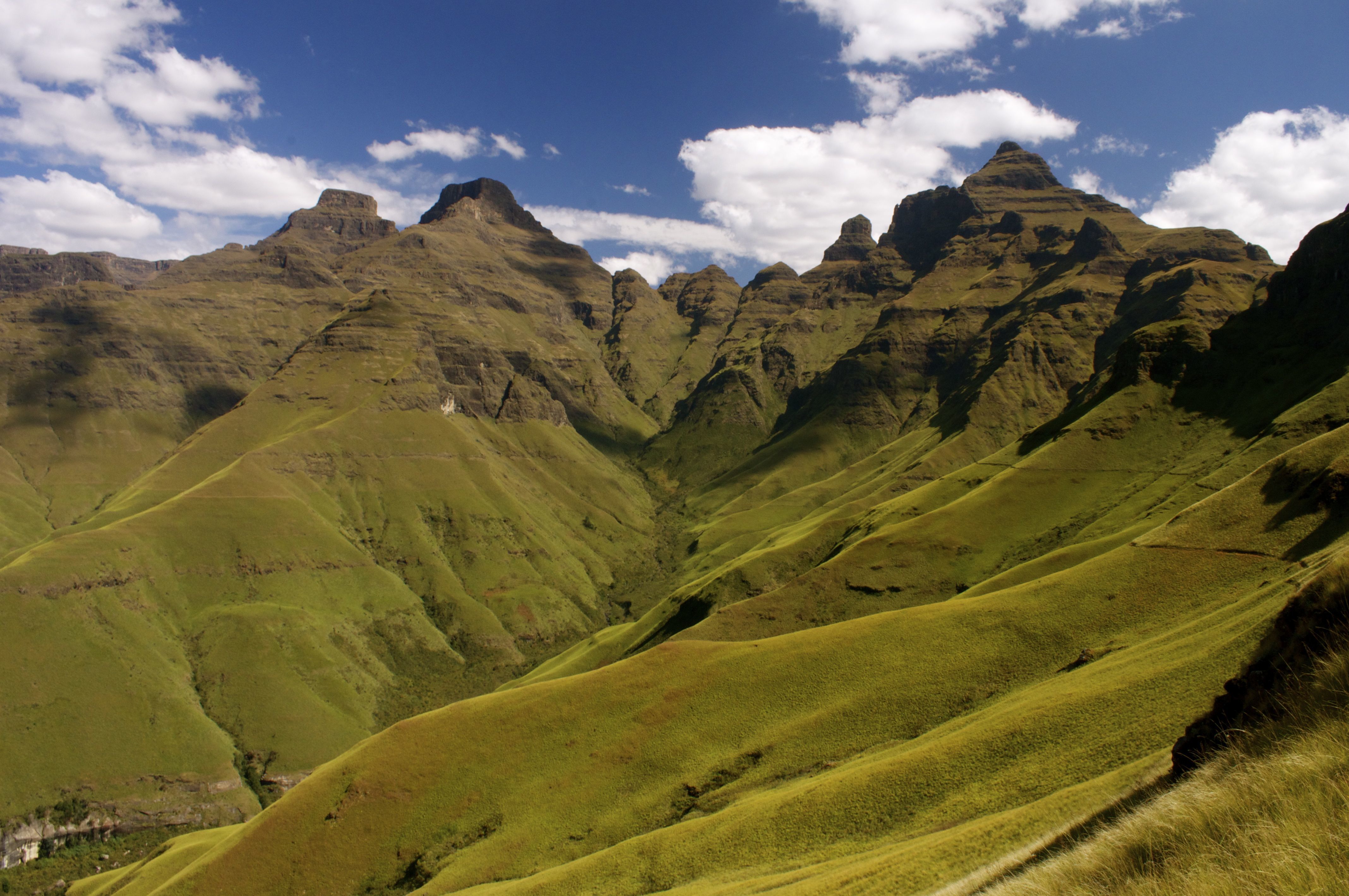
This sphere includes the continents, the ocean floor, all the rocks on the surface, and all of the sand in the deserts.
a)
Hydrosphere
b)
Biosphere
c)
Atmosphere
d)
Geosphere
16.
Water evaporating from the surface of a lake moves from the...
a)
Atmosphere to the geosphere
b)
Geosphere to the hydrosphere
c)
Hydrosphere to the atmosphere
d)
Atmosphere to the hydrosphere
17.
When living things breathe, they interact with which of Earth's spheres?
a)
Geosphere
b)
Hydrosphere
c)
Atmosphere
d)
Biosphere
18.
When carbon dioxide dissolves from the air into the ocean- the interaction is between...
a)
The atmosphere and geosphere
b)
The atmosphere and hydrosphere
c)
The atmosphere and biosphere
d)
The atmosphere and atmosphere
19.
When volcanoes erupt, dust and ash particles spread through much of the air blocking the sun. Which two spheres are interacting?
a)
Hydrosphere and atmosphere
b)
Geosphere and atmosphere
c)
Biosphere and atmosphere
d)
Atmosphere and atmosphere
20.
______ affects weather and climate because it heats the Earth unevenly.
a)
latitude
b)
altitude
c)
atmosphere
d)
sunlight
21.
Large body of air with the same temperature, pressure, and moisture characteristics is called?
a)
warm front
b)
cold front
c)
air mass
d)
jet stream
22.
Earth is unevenly heated due to its?
a)
oceans and moon
b)
tilt and shape
c)
gravity and clouds
d)
climate and weather
23.
The boundary between two air masses that meet is called?
a)
front
b)
back
c)
side
d)
air mass
24.
What are the 3 major climate zones in order from equator to the poles?
a)
polar, temperate, tropical
b)
tropical, temperate, polar
c)
temperate, polar, tropical
25.
The biggest factor in determining climate is?
a)
elevation
b)
an ocean
c)
latitude
d)
mountain
26.
A temperate climate is?
a)
consistently cool
b)
consistently warm
c)
consistently moderate
d)
warm and cool
27.
The temperature of a tropical climate is?
a)
consistently warm
b)
consistently cool
c)
consistently moderate
d)
warm and cool
28.

What type of front is shown?
a)
Warm Front
b)
Cold Front
c)
Occluded Front
d)
Stationary Front
29.

What type of front is shown?
a)
Warm Front
b)
Cold Front
c)
Occluded Front
d)
Stationary Front
30.
Red half circles
a)
Warm
b)
Cold
c)
Stationary
d)
Occluded
31.
Blue triangles
a)
Warm
b)
Cold
c)
Occluded
d)
Stationary
32.
Half circles and triangles opposite side of line
a)
Warm
b)
Occluded
c)
Cold
d)
Stationary
33.
Should bring nice weather
a)
Low pressure
b)
Cold front
c)
Warm front
d)
High pressure
34.
Should bring poor weather
a)
Low pressure
b)
cold front
c)
High pressure
d)
Warm front
35.

a)
cold
b)
stationary
c)
warm
d)
occluded
36.

a)
cold
b)
stationary
c)
occluded
d)
warm
37.

a)
warm
b)
cold
c)
occluded
d)
stationary
38.

a)
stationary
b)
warm
c)
cold
d)
occluded
100 %

