
 Worksheets
Human respiratory system and Gas exchange
Total questions: 40
Worksheet time: 30mins
1. larynx
2. nasal cavity
3. pharynx
4. trachea
Which of the following is the correct order that air would flow during inhalation.
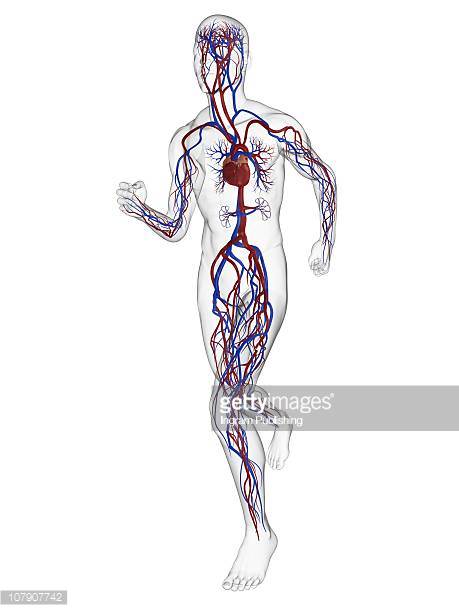
What is the main organ of the circulatory system?
small intestine
bone
lungs
heart
Arteries carry oxygen rich blood away from the heart.
True
False
The job of the heart is to . . .
pump blood around the body.
send food to the small intestines.
break down food.
give energy to the body.
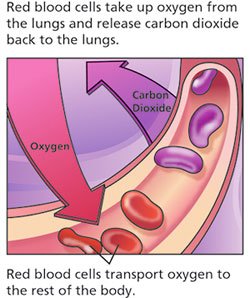
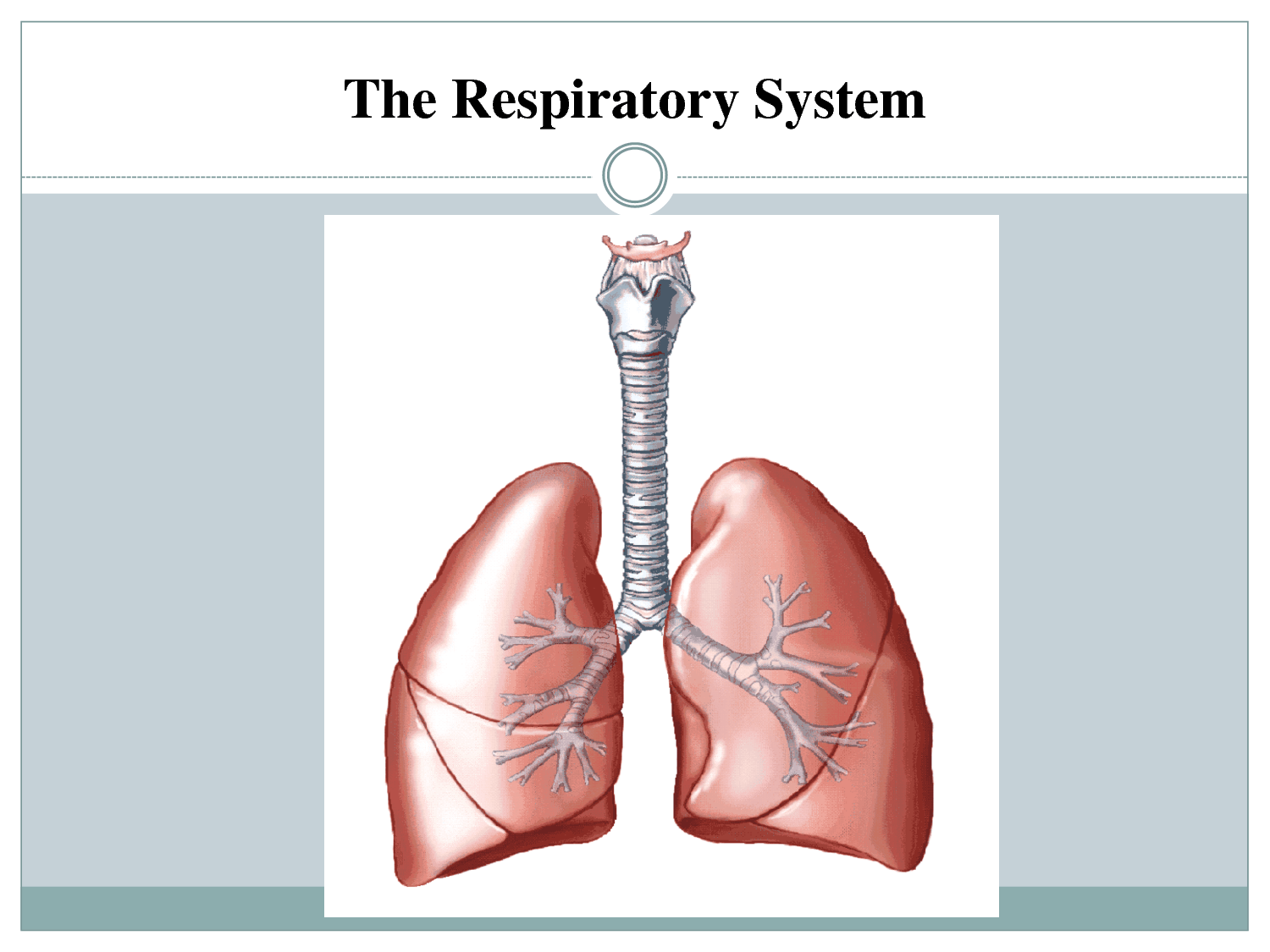
What is the main function of the respiratory system?
to provide oxygen and remove carbon dioxide from the body
o break down food and absorb nutrients
to remove oxygen from the body and deliver carbon dioxide
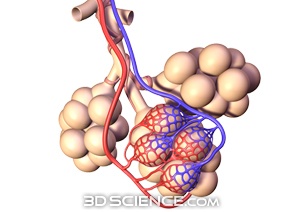
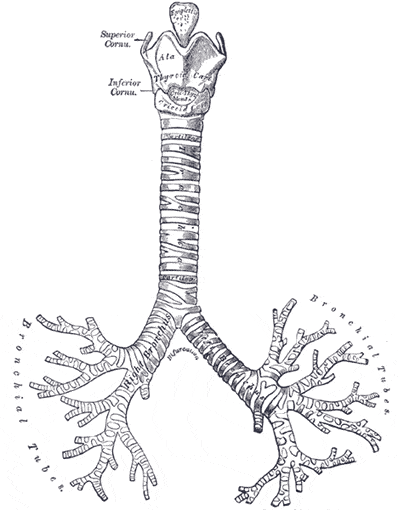
These are the two two main branches from the trachea (one to each lung)
bronchi
alveoli
capillaries
bronchioles
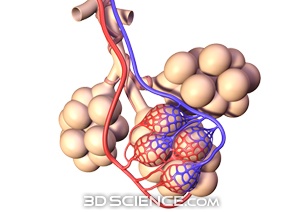
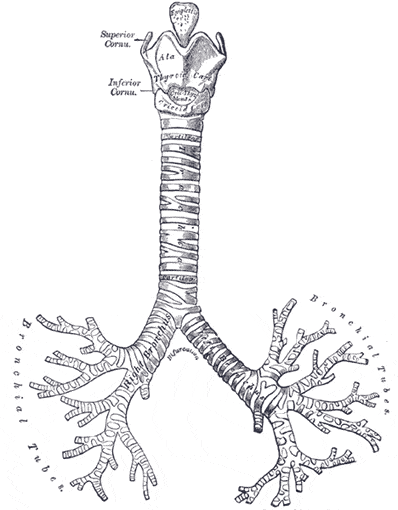
Which sequence correctly indicates the branching pattern of the human respiratory system?
trachea -> bronchi -> bronchioles -> alveoli
trachea -> bronchioles -> bronchi -> alveoli
alveoli -> trachea -> bronchioles -> bronchi
alveoli -> bronchioles -> trachea -> bronchi
Which diagram best illustrates the function of an alveolus?


In the human respiratory system, bronchioles directly connect the
trachea and pharynx
bronchi and alveoli
nasal cavity and trachea
epiglottis and larynx
The site of gas exchange in the mammal is called what?
Filaments
Accessory air sacs
Syrinx
Alveoli
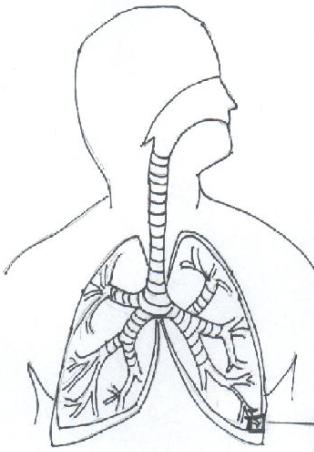

Gas exchange is needed to supply _____________ to cells and remove __________________
carbon dioxide; oxygen
oxygen; food
oxygen; carbon dioxide
carbon dioxide; water

What makes up around 55% of the blood?
Plasma
Red Blood Cells
White Blood Cells
Platelets
What causes the blood to be the distinct red colour?
Haemoglobin
Glucose
Hormones
Oxygen
What carries oxygen around the body?
Plasma
Red Blood Cells
Platelets
White Blood Cells
What is the function (job) of the platelets?
To form clots (i.e. scabs) when you have cuts and grazes.
To transport oxygen to the muscles
To carry dissolved sugars.
To produce antibodies
What is the function (job) of the white blood cells?
To transport oxygen around the body.
To carry dissolved sugars.
To clot and cover wounds like cuts and grazes.
To release antibodies to help destroy infections.
What is the function (job) of the plasma?
To release antibodies to fight infections.
To transport oxygen around the body.
To carry dissolved nutrients and sugars.
To transport oxygen around the body.
What is the function (job) of the red blood cells?
To transport oxygen around the body and to the muscles.
To release antibodies to fight infections.
To carry dissolved nutrients and sugars.
To clot and form scabs if there is a wound on the body.
Which is the smallest of the 3 blood vessels?
Veins
Arteries
Capillaries
What type of blood do the arteries usually carry?
Oxygenated Blood
Deoxygenated Blood
Which blood vessel has valves to prevent the back-flow of blood?
Veins
Arteries
Capillaries

What is blood made of?
oxygen and plasma
red blood cells and white blood cells
plasma, red blood cells, white blood cells, and platelets.
plasma and platelets

What is plasma?
only white blood cells
only red blood cells
fluid part of blood
hemoglobin
Which cell engulfs and digests bacteria/pathogens?
lymphocytes
phagocytes
platelets
Which cell releases antibodies to the blood?
phagocytes
lymphocytes
platelets

