
 Worksheets
Nature of Matter Review
Total questions: 37
Worksheet time: 21mins
Elements which are shiny, conduct electricity and have a high density are called
metal
nonmetal
metalloid
nonexistent

Elements are organized in the periodic table_____________.
by their chemical properties
chronologically (by date of discovery)
by the number of neutrons their atoms contain
alphabetically
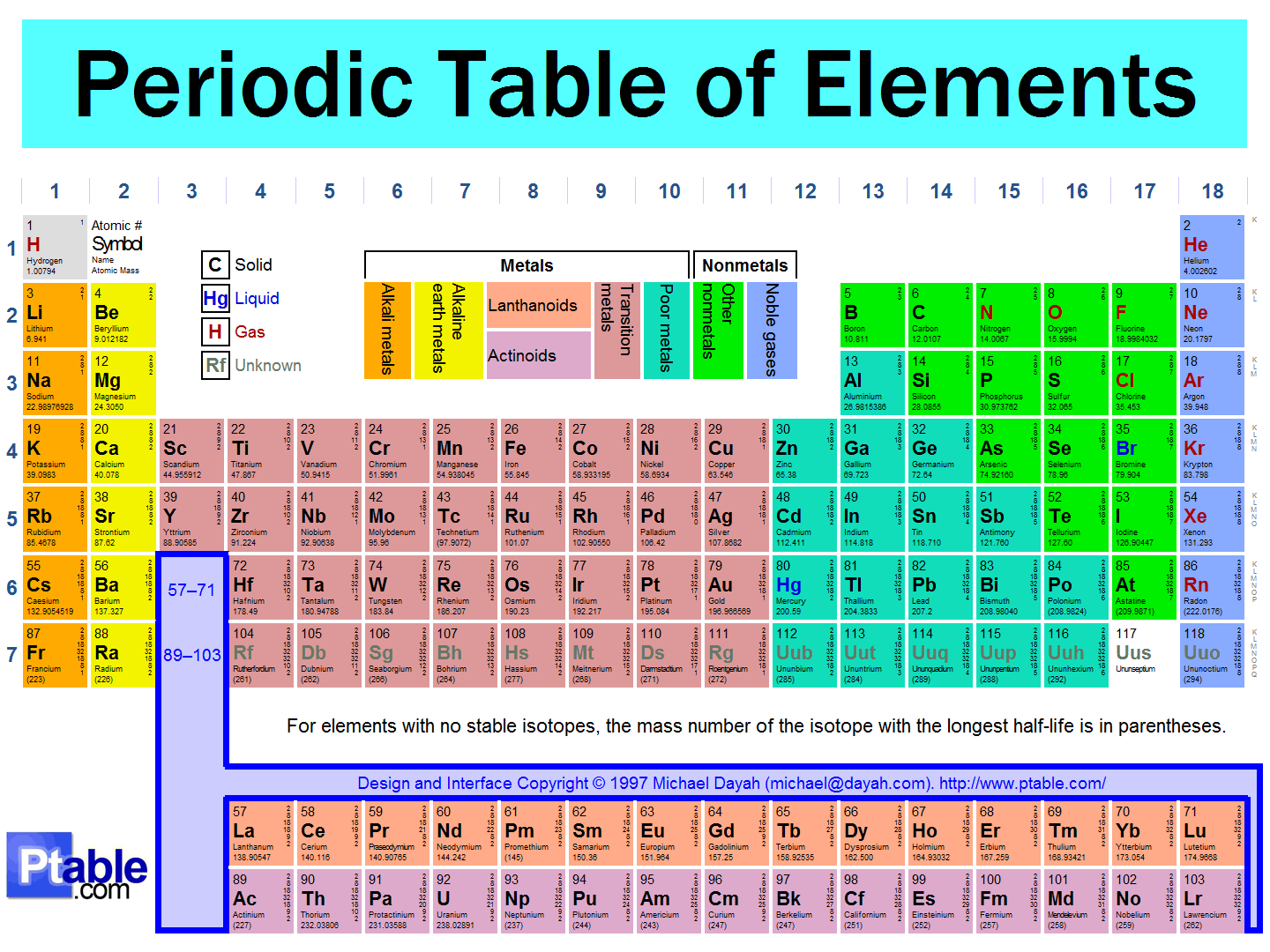

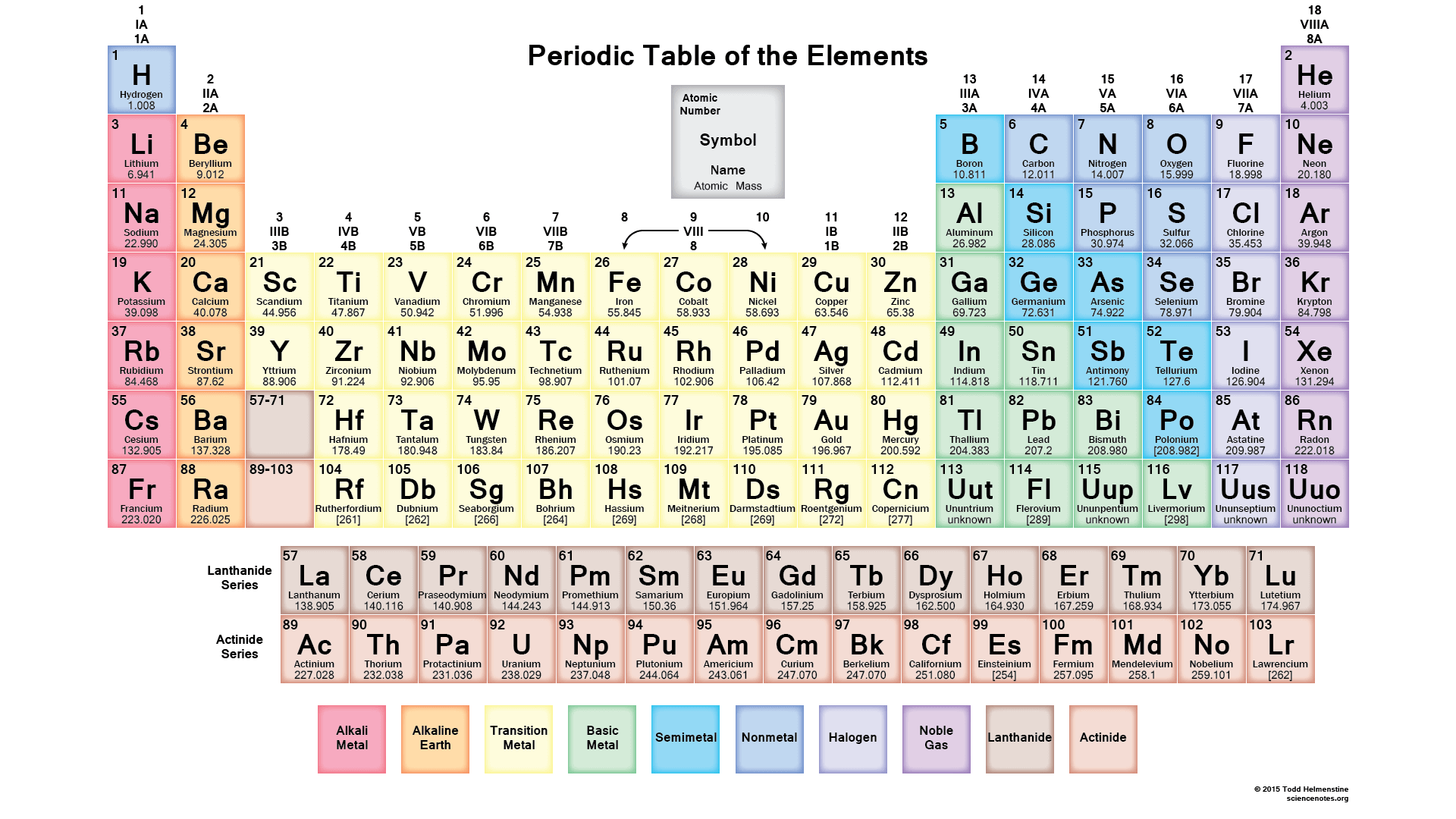
Most of the elements on the periodic table are classified as _____.
Metals
Nonmetals
Metalloids
Periods
Na2CO3
Most of the nonmetals on the periodic table are located where?
on the left and in the middle only
on the left, middle and on the right
on the left only
on the right only
Different compounds are made of different chemical combinations of...
approximately 1,000 known electrons
approximately 1,000 known elements
approximately 100 known electrons
approximately 100 known elements
Which is a substance made up of only one kind of atom?
compound
mixture
solution
element
An element has a very low boiling point and very low reactivity. Where on the periodic table is this element most likely to be found?
in the bottom row
in the top row
in the far left column
in the far right column
Which property of a metal enables it to be hammered or rolled into sheets?
luster
malleability
ductility
conductivity
What is all matter made up of?
carbon
atoms
metal
cells
What is the smallest part of an element that still retains properties of that element?
compound
mixture
atom
molecule
Which of the following is true for compounds?
They can be created by chemical reactions
They can be separated into their component elements through physical means.
They all have the same properties regardless of their elemental composition.
They can consist of no more than two types of elements.
Which statement is true about the properties of the majority of the elements in the far left column of the periodic table?
They have low heat conductivity
They have low electrical conductivity
They have no luster
They are highly reactive
The chemical combination of two or more different atoms in fixed amounts is called a(n)
mixture
element
compound
orbit
What is the smallest particle of an element?
atom
molecule
compound
mixture
Carbon dioxide is formed when two oxygen atoms chemically combine with a carbon atom. Which term best describes carbon dioxide?
mixture
atom
element
compound
Which element shares the most characteristics with Sodium (Na)?
magnesium (Mg)
neon (Ne)
potassium (K)
argon (Ar)
What makes the element named iron (Fe) different from the element named nickel (Ni)?
Iron is a solid but nickel is a gas
Iron is made of atoms but nickel is not
Atoms of iron are different from atoms of nickel
The only difference is the name of the element
Which of the following statement is true?
There are more metals than nonmetals on the periodic table.
There is an equal number of metals and nonmetals on the periodic table
There are more nonmetals than metals on the periodic table.
The metals on the periodic table are usually found as gases.
Which of the following definitions characterizes an element?
can only be broken down by chemical means
contains only one type of atom
contains a basic combination of two or more substances
can be separated through physical means
Which of the following best describes a way in which the periodic table is organized?
Elements are organized by weight with heavy elements listed above light elements.
Elements are organized in alphabetical order.
Elements are organized into groups with similar properties.
Elements are organized with nonmetals on the left and metals on the right.
Which of the following elements are nonmetals?
nitrogen (N) and sulfur (S)
lithium (Li) and barium (Ba)
beryllium (Be) and magnesium (Mg)
palladium (Pd) and zinc (Zn)
Tim is looking at a material. He sees that it has a dull appearance and feels very brittle. He is most likely examining a __________________.
gas
nonmetal
metal
liquid
Carbon (C) and hydrogen (H) are pure substances. Each is made of only one type of atom, but carbon atoms are different from hydrogen atoms. Carbon and hydrogen chemically combine to form methane (CH4).
carbon, hydrogen, and methane are all elements
carbon and hydrogen are elements and methane is a compound
carbon, hydrogen, and methane are all compounds
methane is an element and carbon and hydrogen are compounds
Which of the following elements are metals?
fluorine (F) and argon (Ar)
Iodine (I) and carbon (C)
potassium (K) and chromium (Cr)
oxygen (O) and selenium (Se)

What does the the diagram suggest about the element silver?
The atoms of silver are different sizes
The atoms of silver are a gas
The atoms of silver are each unique
The atoms of silver are all alike
Most of the metals on the periodic table are located where?
on the right only
in the middle and on the right
on the left and in the middle
on the left, in the middle and on the right
Helium (He), neon (Ne) and argon (Ar) are all colorless, odorless gases with low chemical reactivity. Based on the periodic table, which of the following is correct?
Carbon (C) is a colorless, odorless gas with low chemical reactivity
Chlorine (Cl) is a colorless, odorless gas with low chemical reactivity.
Xenon (Xe) is a colorless, odorless gas with low chemical reactivity
Selenium (Se) is a colorless, odorless gas with low chemical reactivity.

