
 Worksheets
WM BIOL 1015 Unit 1
Total questions: 40
Worksheet time: 21mins
Which of the following definitions are an appropriate definition for "Anatomy?"
The study of the structure of body parts and their relationships to one another.
The study of the function of the body.
The study of cells.
The study of tissues.
Which of the following is NOT one of the organ systems?
Endocrine System
Circulatory System
Nervous System
Emphatic System
Which of the following definitions do not match the system next to it?
Endocrine System — The bodily system that consists of the endocrine glands and the hormones that they secrete.
Lymphatic System - Immune Response
Muscular System - The framework of the body.
Nervous System - the system of nerves and nerve centers in an animal or human, including the brain, spinal cord, nerves, and ganglia.
Select all of the organs associated with the Urinary System
Kidneys
Urethra
Uterus
Uterine Tube
Ureter
What are the three components of Homeostasis?
Receptor
Stimulus
Control Center
Response
Effector
TRUE OR FALSE: Positive Feedback is when the effector works in the OPPOSITE direction of the stimulus.
True
False
Which of the following is an example of negative feedback?
After a meal, blood sugar levels in the body rise; insulin is secreted to lower blood sugar levels.
The onset of contractions during childbirth stimulates the release of a hormone that stimulates further contractions.
A person who loses 3 pounds continues to diet to lose an additional 10 pounds
The arrival of platelets at a wound site stimulates the recruitment of more platelets to form a clot.
Which answer describes the "Anatomical Position"?
Standing erect, facing observer, arms at side, palms facing to your side
Standing erect, facing observer, arms at side, palms facing forward
Standing erect, facing observer,arms at side, palms facing back
Standing erect, facing observer, arms at side, palms facing outward
Which statement is correct?
The knee is proximal to the hip.
The hip is proximal to the knee
The shoulder is distal to the elbow.
The knee is distal to the ankle.
The Abdominal Cavity contains the:
Stomach
Intestines
Rectum
Liver
Which of the following planes represents the body divided into anterior and posterior parts.
Horizontal Plane
Oblique Section
Coronal Plane
Sagittal Plane
Which Directional Term would be accurate?
The heart is posterior to the spine.
The nose is proximal to the chin.
The skin is superficial to the bones.
The arms are medial to the chest.
What does pH measure?
H+ concentration
O2 concentration
CO2 concentration
Phosphate concentration
When oppositely charged atoms are attracted to each other
Ionic bond
Polar covalent bond
Nonpolar covalent bond
A substance that is a 13 on the pH scale
Base
Acid
Pure water
When ATP is broken down into ADP + Pi
Hydrolysis
Phosphorylation
Hydrosynthesis
Dehydration synthesis
Function of carbohydrates
short-term energy
long-term energy
instructions for cells
acts as enzymes
Building blocks of DNA or RNA
monosaccharides
glycerol and fatty acids
nucleotides
amino acids
This macromolecule has many functions including enzyme activities, providing structure, cell communication, etc
Proteins
Lipids
Carbohydrates
Nucleic acids

Name the physiological process being demonstrated.
Diffusion
Acive transport
Osmosis
Photosynthesis

Give the function of the largest organelle in the micrograph
Site for photosynthesis
Site for ribosome production
Encloses the contents of a cell
Site for energy production
Identify which image below is the cell membrane


Give the function of nucleolus
Controls activities of a cell
Site for energy production
Site for ribosomes production
None of the above
Name the physiological process that requires energy
Osmosis
Active transport
Respiration
Diffusion
Dehydration synthesis leads to formation of:
monomers
polymers
monomers and polymers
none of the above
A glycerol molecule bonded to two fatty acids and a phosphate group is called a:
fat
triglyceride
steroid
phospholipid
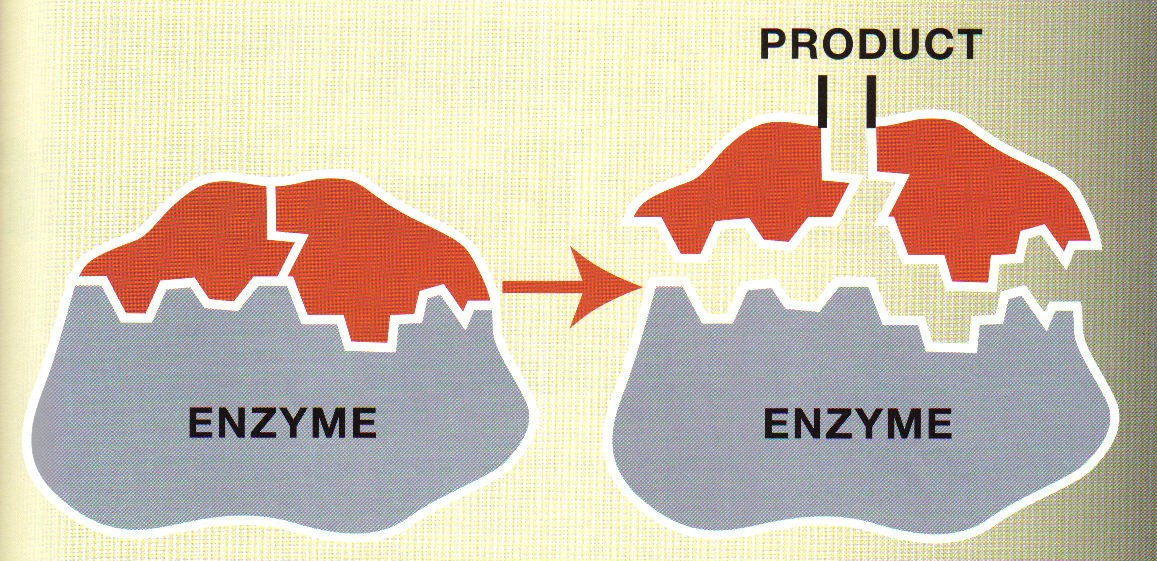
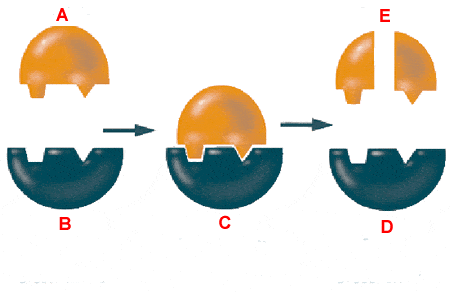


This organelle breaks down (digest) worn out cell parts
cytoplasm
lysosomes
mitochondria
vacuoles
If many of the ribosomes of a cell were destroyed, what effect would this most likely have on the cell?
The cell would not be able to create energy.
The cell would not be able to make proteins.
The cell would not e able to photosynthesize.
The cell would not be able to break down waste in the cell.

This organelle is the transportation network for the cell and moves materials around in the cell. What am I?
mitochondria
lysosomes
chloroplast
endoplasmic reticulum
The endocytotic process in which particulate matter is brought into the cell is called
phagocytosis
pinocytosis
exocytosis

The fundamental bilayer structure of the plasma membrane is determined almost exclusively by _____.
phospholipid molecules
peripheral proteins
cholesterol molecules
integral proteins

