wayground logo

Free Printable Worksheets

Font size

S
M
L
XL
Worksheets

Science final review

Total questions: 132

Worksheet time: 3hrs 57mins

Name
Class
Date
1.

When heat is removed when changing from a gas to liquid or liquid to solid, atoms in an object

a)

move closer together

b)

move further apart or spread out

2.

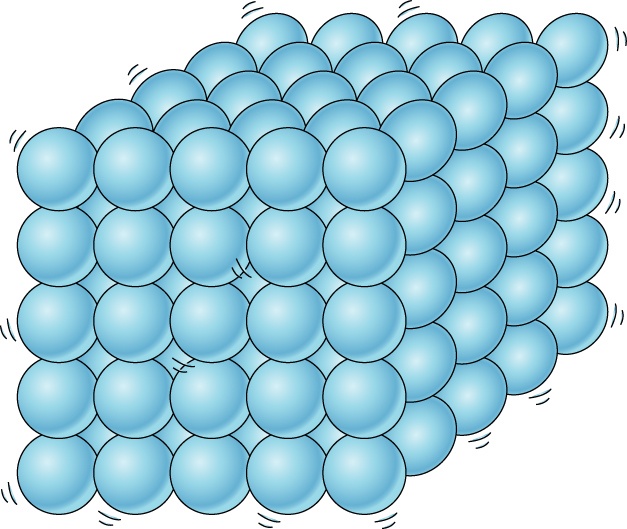
What state of matter?

a)

Solid

b)

Liquid

c)

Gas

d)

Plasma!!!

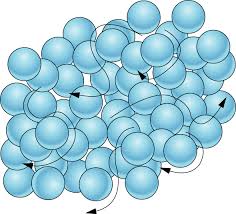
3.

What state of matter?

a)

Solid

b)

Liquid

c)

Gas

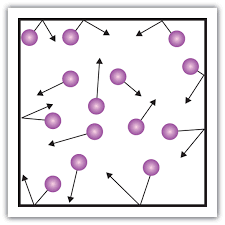
4.

What state of matter?

a)

Solid

b)

Liquid

c)

Gas

5.

Which process could cause a material to change state from gas to liquid?

a)

Adding heat

b)

Adding energy

c)

Removing particles

d)

Removing energy

6.
Freezing
a)
Solid to gas
b)
Liquid to solid
c)
Gas to solid
d)
Liquid to gas
7.
Boiling
a)
liquid to gas
b)
gas to solid
c)
gas to liquid
d)
solid to liquid
8.
What is happening when my ice cream changes from a solid to a liquid?
a)
freezing
b)
melting
c)
burning
d)
evaporation
9.
What term describes a solid changing to a gas?
a)
Deposition
b)
Sublimation
c)
Evaporation
d)
Freezing
10.
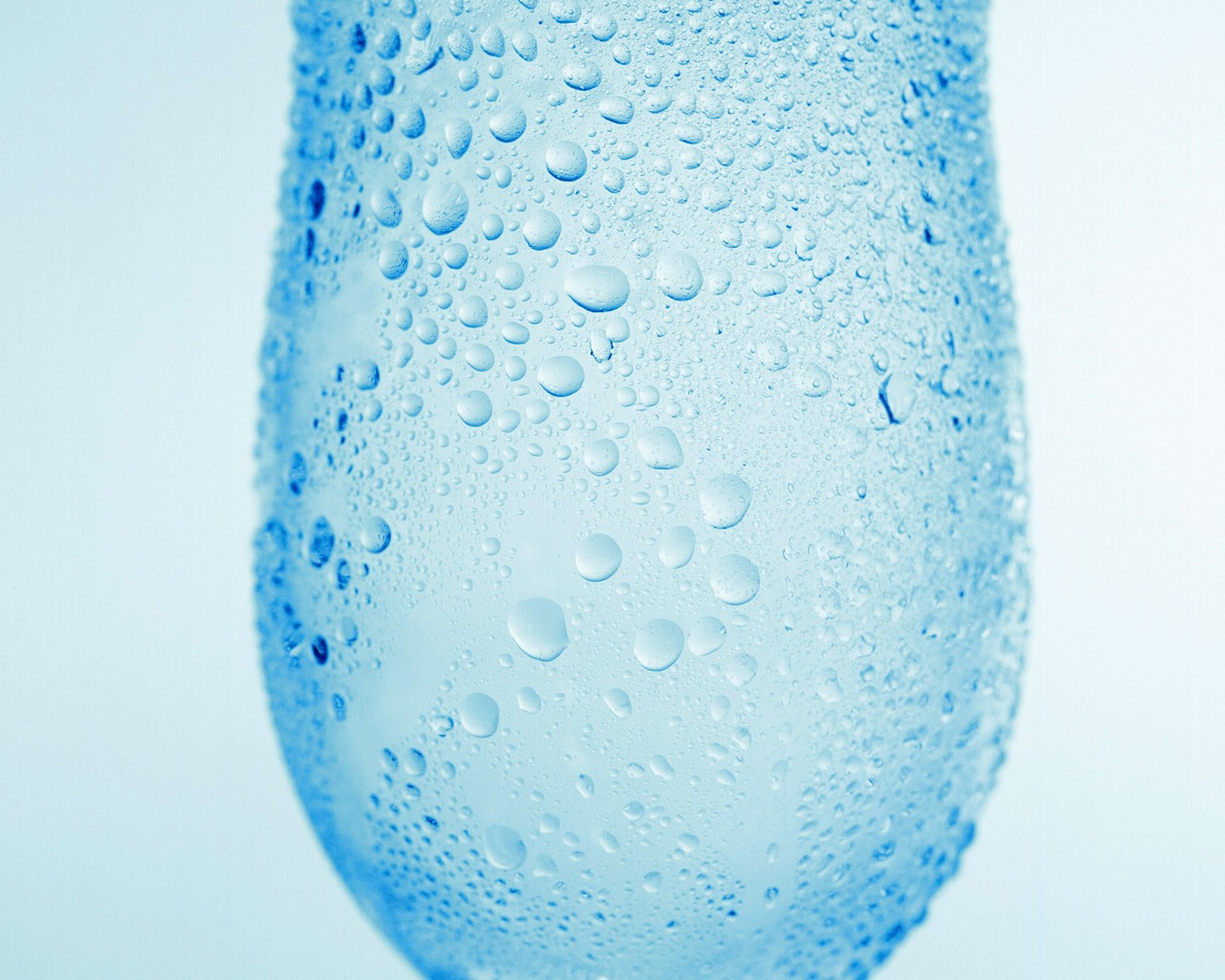
What is condensation?
a)
gas to solid
b)
gas to liquid
c)
liquid to solid 
d)
solid to liquid 
11.
A chemical change
a)
doesn't really change much.
b)
creates a new substance
c)
is a change in the state of matter
12.
A physical change is...
a)
a change that doesn't change the identity
b)
a change that makes something new.
c)
a chemical reaction
13.
Ocean water contains stream-like movements of water called _____________  _____________.
a)
ocean currents
b)
ocean temperature
c)
surface currents
d)
deep current
14.
Currents are influenced by weather, the Earth's rotation, and the position of the _______.
a)
sun
b)
continents
c)
wind
15.
The apparent curving of moving objects from a straight path due to Earth's rotation is called the _____________  effect.
a)
Coriolis
b)
Jupiter
c)
sun
d)
continental
16.
When surface currents meet continents, the currents _____________, or change direction.
a)
deflect
b)
jump
c)
stop
17.
What three factors work together to form a pattern of surface currents on Earth?
a)
weather, wind, sun
b)
global winds, the Coriolis effect, continental deflections
c)
global winds, the Coriolis effect, sun
d)
the Coriolis effect, continental deflections, the moon
18.
Warm-water currents begin near the _______ and carry ______ water to other parts of the ocean.
a)
pole, warm
b)
equator, warm
c)
equator, cold
d)
pole, cold
19.
The density of ocean water is affected by temperature and ___________.
a)
salinity
b)
depth
c)
volume
20.

Water heats up and cools more slowly than

a)

Land

b)

Air

21.

Land heats up and cools relatively

a)

slowly

b)

quickly

22.

Movement of air from area of high pressure to area of lower pressure

a)

Jet stream

b)

Coriolis effect

c)

Wind

d)

Doldrum

23.

Which way do the prevailing westerlies flow?

a)

From west to east

b)

From east to west

c)

From north to south

d)

From south to north

24.

Which way does a sea breeze blow?

a)

From top to bottom

b)

From the land to the sea

c)

From the sea to the land

d)

All of the above.

25.

Which way does a land breeze blow?

a)

From the sea to the land

b)

From the land to the sea

c)

South to North

26.

What is the area of little or no wind called?

a)

Hadley Cell

b)

Farrell Cell

c)

Doldrums

27.

Why are the areas near the equator always warm?

a)

More sunlight per unit of surface area at the equator.

b)

The Earth is closer to the sun at the equator

c)

The interior of the Earth is hotter at the equator

d)

The sun likes to shine only on the equator.

28.
Surface currents are a result of
a)
Global Wind Patterns
b)
Earth's Rotation
c)
Density
d)
All of the above
29.
Deep Ocean currents are a result of
a)
Global Wind Patterns
b)
Earth's Rotation
c)
Density
d)
All of the above
30.
The Coriolis Effect is caused by
a)
Earth rotating around the sun
b)
Earth rotating on its axis
c)
The tides
d)
Gravity
31.
Ocean currents have an affect on which two things
a)
climate and weather
b)
temperature and density
c)
land and sea
d)
equator and poles
32.
Constantly moving system of deep-ocean circulation driven by temperature and salinity. It moves water around the globe.
a)
California Current
b)
Global Conveyor Belt
c)
Surface Currents
d)
Gulf Stream
33.

Garbage, such a plastics, are carried around the ocean by different currents. They get discarded in _________ ____________.

a)

tidal currents

b)

garbage patches

c)

dumpster fires

d)

global winds

34.
What is it called when plants give off water vapor as a waste product?
a)
condensation
b)
evaporation
c)
sublimation
d)
transpiration
35.
What source of energy evaporates the most water from Earth’s surface?
a)
volcanoes
b)
the sun
c)
lightning
d)
wind
36.
What is water doing when it is changed to water vapor?
a)
evaporating
b)
condensing
c)
precipitating
d)
runoff
37.
What is water vapor doing when it changes to water?
a)
evaporating
b)
condensing
c)
precipitating
d)
runoff
38.
What is the process of water droplets or ice crystals falling from the sky?
a)
evaporating
b)
condensing
c)
precipitating
d)
runoff
39.
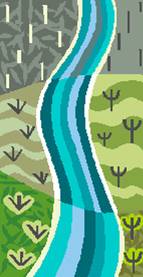
What is water that flows in rivers and streams into the oceans and lakes?
a)
evaporating
b)
condensing
c)
precipitating
d)
runoff
40.
Where does condensation occur in the water cycle?
a)
clouds forming
b)
ocean water changing to water vapor
c)
water flowing down a river
d)
underground water soaking into soil
41.
Which of the following causes all of the water on the planet to change its state (solid, liquid, gas) and move through the water cycle?
a)
amount of plant matter
b)
location of ice caps
c)
size of ocean
d)
temperature
42.
The closer you live to an ocean the more likely your climate will be?
a)
maritime
b)
continental
c)
tropical
d)
polar
43.
The biggest factor in determining climate is?
a)
elevation
b)
an ocean
c)
latitude
d)
mountain
44.
What is the climate of the top of a mountain like as compared to the bottom of the mountain?
a)
warmer
b)
cooler
c)
drier
d)
wetter
45.
What is the difference between climate and weather?
a)
 Climate averages the weather conditions in a specific place over a long period of time, while weather describes the state of the atmosphere at a specific moment in time.
b)
 Weather averages the weather conditions in a specific place over a long period of time, while Climate describes the state of the atmosphere at a specific moment in time.
c)
Climate describes the weather conditions at night, while weather describes the conditions during the daytime.
d)
 There is not a difference between climate and weather.
46.

Contains solid inner metal core, liquid outer core, and rocky mantle and crust.

a)

Hydrosphere

b)

Geosphere

c)

Biosphere

d)

Atmosphere

47.

All of Earth’s water.

a)

Cryosphere

b)

Geosphere

c)

Hydrosphere

d)

Biosphere

48.

Contains all living things on Earth.

a)

Biosphere

b)

Geosphere

c)

Atmosphere

d)

Hydrosphere

49.

Thin envelope of gases surrounding the Earth and contains the weather.

a)

Atmosphere

b)

Hydrosphere

c)

Biosphere

d)

Geosphere

50.
a)

Geosphere

b)

Cryosphere

c)

Hydrosphere

d)

Atmosphere

51.
A front is
a)
where warm air is cooling at earth's surface
b)
a boundary where hot and cold air are separating
c)
a boundary where two different air masses meet
d)
where cold air is rising and forming rain clouds
52.
Air masses are named for ______.
a)
the type of air they contain 
b)
animals
c)
 people
d)
 where they form 
53.
A cold front usually brings what kind of weather?
a)
snow  
b)
sunny and fair
c)
heavy rain and/or thunderstorms 
d)
 cool and dry 
54.
What is an air mass?
a)
a place where weather always changes in an extreme way
b)
a large body of air with the same temperature and moisture
c)
any cloud that produces rain, sleet, snow or hail
d)
any kind of air, as long as it is always wet and freezing
55.
What does this symbol on a weather map indicate? 
a)
High pressure system
b)
Low pressure system
c)
Cold front
d)
Warm front
56.
What does this symbol indicate on a weather map? 
a)
High pressure system
b)
Low pressure system
c)
Cold front
d)
Warm front
57.
What kind of pressure predicts clear weather?
a)
high
b)
low
c)
cold
d)
stationary
58.
What would you expect from a Continental Polar air mass? 
a)
moist, warm air
b)
dry, cold air
c)
dry, warm air
59.
After lots of time, pressure, and heat, you get this kind of rock. What type of rock is this?
a)
Sedimentary
b)
Igneous
c)
Metamorphic
60.
This rock was formed by smaller pieces of rock that settled at the bottom of a lake millions of years ago. What type of rock is this?
a)
Sedimentary
b)
Igneous
c)
Metamorphic
61.
A rock that contains fossil seashells was most likely formed as a result of?
a)
Volcanic activity
b)
Sedimentation
c)
Heat and pressure
d)
. Magma and cooling
62.
This rock was formed by smaller pieces of rock that settled at the bottom of a lake millions of years ago. What type of rock is this?
a)
Sedimentary
b)
Igneous
c)
Metamorphic
63.
Sedimentary rocks form where weathered and eroded materials are dropped
a)
true
b)
false
64.
___________________ rock means FIRE and is formed from melted rock either from magma below Earth's crust or from lava above it
a)
sedmetary
b)
igneous
c)
metamorphic
d)
magma
65.
Marble is formed when intense heat and pressure is applied to limestone. What type of rock is marble?
a)
A)  metamorphic 
b)
B)  sedimentary 
c)
C)  extrusive igneous 
d)
D)  intrusive igneous
66.
What type of texture does a SLOWLY cooling, intrusive igneous rock have?
a)
Foliated
b)
Nonfoliated
c)
Coarse grained
d)
Fine grained
67.
This rock was molten lava that cooled quickly as it came out of a volcano. What type of rock is this?
a)
Sedimentary
b)
Igneous
c)
Metamorphic
68.
Is magma below or above ground
a)
above
b)
below
69.
Process when sediments settle out of wind or water
a)
erosion
b)
deposition
c)
compaction
d)
cementation
70.
What is the MAIN way rocks are classified?
a)
Their color and shapes
b)
How they form
c)
Mineral bands
d)
Where they form
71.

As lava cools and crystallizes on the earth's surface, what type of rock will form?

a)

Sedimentary

b)

Metamorphic

c)

Extrusive Igneous

d)

Intrusive Igneous

72.
You find a rock in which the grains are arranged in parallel bands of white and black crystals.  The rock is probably a(n)
a)
Igneous rock
b)
Sedimentary rock
c)
Metamorphic rock
d)
Extrusive rock
73.
An igneous rock containing large crystals is most likely a(n)
a)
Chemical Rock
b)
Foliated Rock
c)
Extrusive Rock
d)
Intrusive Rock
74.
Sediment being moved from one area to another is called
a)
erosion
b)
deposition
c)
weathering
d)
compaction
75.
This rock cooled on the outside of a volcano and contained air bubbles when it was forming. What type of rock is this?
a)
Sedimentary
b)
Igneous
c)
Metamorphic
76.
This rock was another type of rock that was heated and compressed over time. What type of rock is this?
a)
Sedimentary
b)
Igneous
c)
Metamorphic
77.
Rock that forms when minerals form from solutions or sediment from older rocks get pressed and cemented together.
a)
Sedimentary Rock
b)
Metamorphic Rock
c)
Igneous Rock
78.

Wind, water, and ice breaking down rock into sediments is called

a)

Erosion

b)

Deposition

c)

Compaction

d)

Weathering

79.
During the rock cycle, what forms when the magma cools?
a)
igneous rocks
b)
sedimentary rock
c)
metamorphic rock
d)
foliated rock
80.

Define: the flow of rock through the earth’s system that slowly change rocks from one kind to another.

a)

Rock cycle

b)

Sediment

c)

Magma

81.
Wind is caused mainly by air pressure differences that result from...
a)
a. uneven heating of the Earth's atmosphere.
b)
b. absorption of ultraviolet radiation by Earth's land masses.
c)
c. radiation of heat from Earth's land masses to water bodies.
d)
d. rotation of Earth on its axis.
82.
Which formula can be used to find the volume of a rectangular prism?
a)
length x width
b)
length x width x height
c)
height x length
d)
length + width + height
83.
Each side of this ice cube measures 2 inches.  What is the volume of the ice cube?
a)
6 cubic inches
b)
8 cubic inches
c)
12 cubic inches
d)
8 square inches
84.
Anything made of matter must _____________________.
a)
take up space and have mass
b)
have mass and be a solid
c)
be a solid and not move
d)
take up space and be a liquid
85.
The mass of an object ___________________________.
a)
changes, depending on where it is located
b)
changes randomly
c)
changes, depending on temperature
d)
does not change
86.
John measures a rock and finds it to be 16 grams.  What does John know about the rock?
a)
its mass
b)
its weight
c)
its volume
d)
its momentum
87.
Mass is expressed in what type of units?
a)
meters and kilometers
b)
grams and kilograms
c)
liters and milliliters
d)
ounces and pounds
88.
What is mass?
a)
the force of an object caused by gravity
b)
the amount of space something takes up
c)
the amount of matter in an object
d)
how fast something is moving
89.
What is this tool to get volume?
a)
triple beam balance
b)
ruler
c)
thermometer
d)
graduate cylinder
90.
What is this tool to get mass?
a)
triple beam balance
b)
ruler
c)
thermometer
d)
graduate cylinder
91.
In general what is the most dense form of matter?
a)
solid
b)
liquid
c)
gas
d)
plasmas
92.
If an object has a density of .6 g/cm^3 and you put it into water, will it sink or float?  
a)
sink
b)
float
93.
If an object has a density of 3.6 g/cm^3 and you put it into water, will it sink or float?  
a)
sink
b)
float
94.
What is the formula for density?
a)
density = mass x volume
b)
density = mass / volume
c)
density = mass + volume
d)
density = mass - volume
95.
Jack has a rock. The rock has a mass of 14 g and a volume of 2 cm3. What is the density of the rock?
a)
7 mL
b)
7 g/cm3
c)
28 g/cm3
d)
1/7 g/cm3
96.
Frank has an eraser. It has a mass of 4 g, and a volume of 2 cm3. What is its density?
a)
8 g/cm3
b)
2 g/cm3
c)
1/2 g/cm3
d)
24 g/cm3
97.
What is the volume of the fish?
a)
18.0 cm3
b)
6.0 cm
c)
32.0 cm3
d)
38.0 cm3
98.
What is the volume of Object X?
a)
10.0 cm3
b)
15.0 cm3
c)
20.0 cm3
d)
25.0 cm3
99.
What is the length of the straw?
a)
8 cm 
b)
0 cm 
c)
7 cm 
d)
1 cm 
100.
I can use a ______ to measure length?
a)
clock
b)
ruler
c)
thermometer
d)
timer
101.
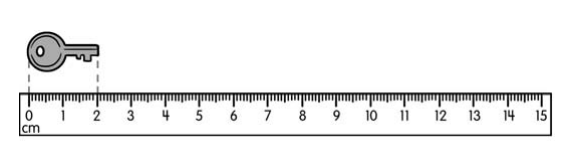
What is the length of the key?
a)
2 cm
b)
0 cm
c)
4 cm
d)
1 cm
102.

What is the length in millimeters (mm)?

a)

11.6 mm

b)

116 mm

c)

11.6 cm

d)

12.0 cm

103.
A horizontal movement of ocean water that is caused by wind and that occurs at or near the ocean's surface.
a)
Gulf Stream
b)
Global Conveyor Belt
c)
Surface Current
d)
Gyre
104.
What process brings the deep cold ocean currents up to the surface?
a)
Conduction
b)
Global Wind Patterns
c)
Convection Currents
d)
Temperature and salinity
105.
Hot coffee is stirred with a spoon; the spoon gets hot due to
a)
conduction
b)
convection
c)
radiation
106.
A chair is several feet from a fireplace. The side of the chair facing the fireplace gets warm due to
a)
conduction
b)
convection
c)
radiation
107.
"Lava lamps" contain colored liquids. These liquids form globs that rise to the top due to
a)
conduction
b)
convection
c)
radiation
108.
In a swimming pool, water near the surface is slightly warmer. The warm water rises because of
a)
conduction
b)
convection
c)
radiation
109.
Most volcanoes occur at which 2 types of plate boundaries? 
a)
convergent w/ subduction and divergent
b)
divergent and transform
c)
divergent and hot spots
d)
convergent w/ subduction and hot spots
110.
A dead volcano, one that is unlikely to erupt again
a)
Dormant volcano
b)
Extinct volcano
c)
Shield volcano
d)
Caldera
111.

What is an active volcano?

a)

A volcano that has erupted at least once in the last 10,000 years.

b)

A volcano that hasn’t erupted in the last 10,000 years, but could still erupt.

c)

A volcano that should never erupt again.

112.

What is a dormant volcano?

a)

A volcano that has erupted at least once in the last 10,000 years.

b)

A volcano that hasn’t erupted in the last 10,000 years, but could still erupt.

c)

A volcano that should never erupt again.

113.

What kind of eruptions do composite volcanoes have?

a)

Explosive eruptions.

b)

Quiet eruptions.

114.

What kind of eruptions do shield volcanoes have?

a)

Explosive eruptions.

b)

Quiet eruptions.

115.
Anything from nature that living things use is called a ______________.
a)
energy
b)
pollution
c)
food
d)
natural resource
116.

Which are ways we use fossil fuels?

a)

eating and drinking

b)

arts and crafts

c)

paper and building

d)

cars and heat

117.

Resources that are not able to be reproduced as quickly as they are used are called _____.

a)

renewable resources

b)

replaceable resources

c)

non renewable resources

d)

non replaceable resources

118.

Geothermal energy uses heat from ____ to produce electricity.

a)

the earth

b)

coal

c)

oil

d)

natural gas

119.

Renewable resources ...

a)

are not replaceable

b)

are used more frequently than non renewables

c)

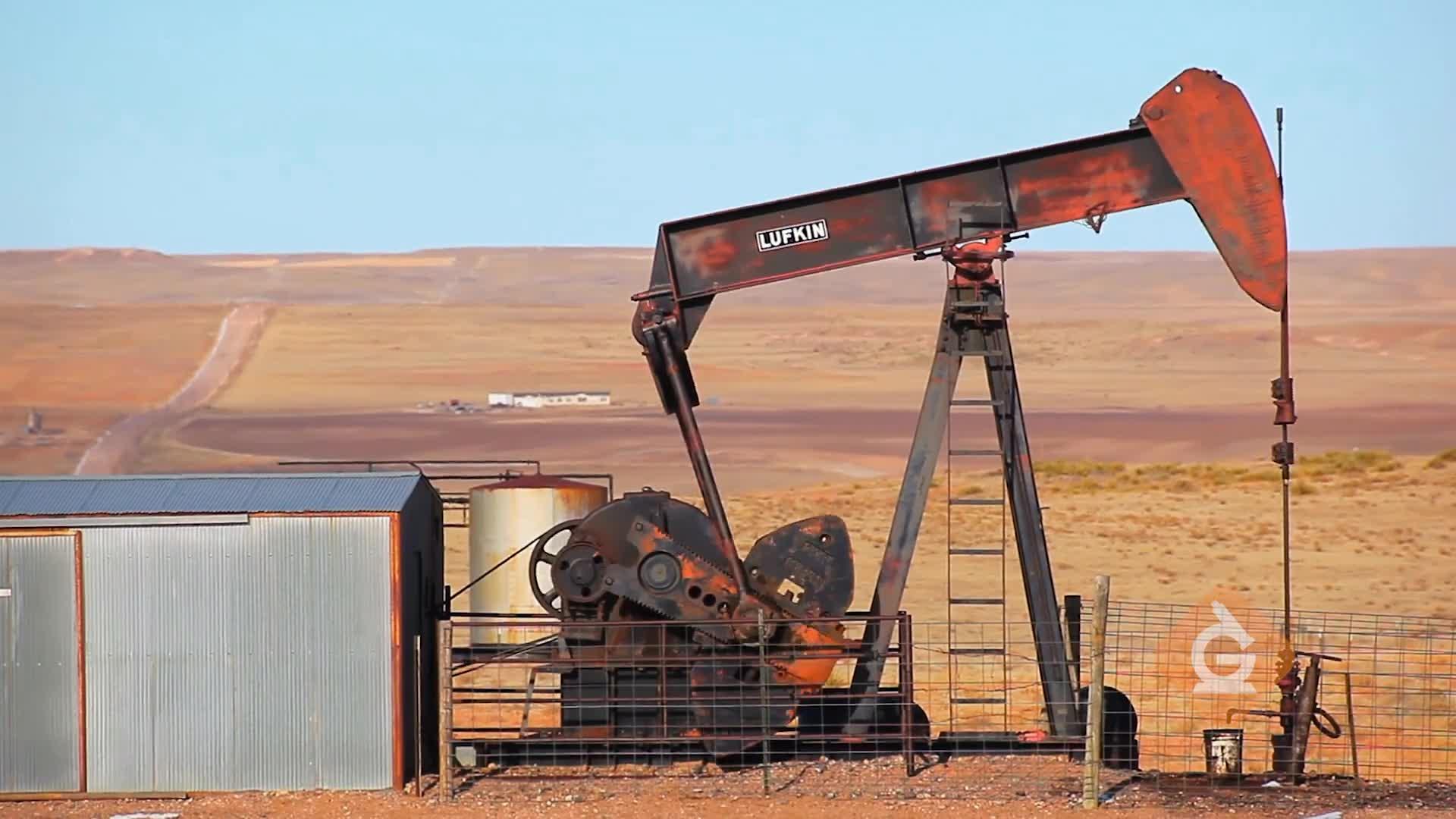
are never going to run out

d)

going to run out

120.

What type of power plant uses the potential energy of water trapped behind a dam?

a)

nuclear power plant

b)

hydroelectric power plant

c)

solar station

d)

tidal harness

121.

What are fossil fuels?

a)

coal, oil, uranium

b)

oil, natural gas, uranium

c)

coal, oil, natural gas

d)

geothemals, coal, natural gas

122.

What type of power plant uses scraps from farming and waste products to generate electricity?

a)

Hydroelectric Power Plant

b)

Geothermal Power Plant

c)

Biomass Power Plant

d)

Nuclear Power Plant

123.

Uranium atoms are split to create a tremendous amount of energy in a _____ power plant.

a)

biomass

b)

geothermal

c)

nuclear

d)

hydroelectric

124.
Which renewable resource gets its direct energy from the sun? 
a)
Geothermal
b)
Solar
c)
Wind
d)
Hydrogen
125.

What is a disadvantage of using non-renewable resources?

a)

They have a large carbon footprint.

b)

They can all be used up over time.

c)

They can lead to global warming.

d)

All of these.

126.

Which disaster needs a steep slope and weakness of soil under the slope to occur?

a)

volcano

b)

earthquake

c)

landslide

d)

flood

127.

a sudden shift or movement of rock below Earth's surface causes this natural disaster

a)

earthquake

b)

volcano

c)

flood

d)

landslide

128.
What do you call a tool that measures the size of an earthquake?
a)
scale
b)
seismograph
c)
earthquake monitor
d)
Richter scale
129.
Which of these natural disasters tend to occur near plate boundaries?
a)
volcanoes
b)
earthquakes
c)
both of these
d)
none of these
130.
What causes tsunamis?
a)
whales
b)
wind
c)
earthquakes
d)
thunderstorms
131.

What does mitigation mean?

a)

Changing your behaviour

b)

Making something worse

c)

Making something less severe

d)

Changing your responses

132.

Which of the following are NOT renewable energy sources

a)

biofeul

b)

natural gas

c)

wind

d)

HEP