
 Worksheets
Solar System Review 1
Total questions: 45
Worksheet time: 30mins
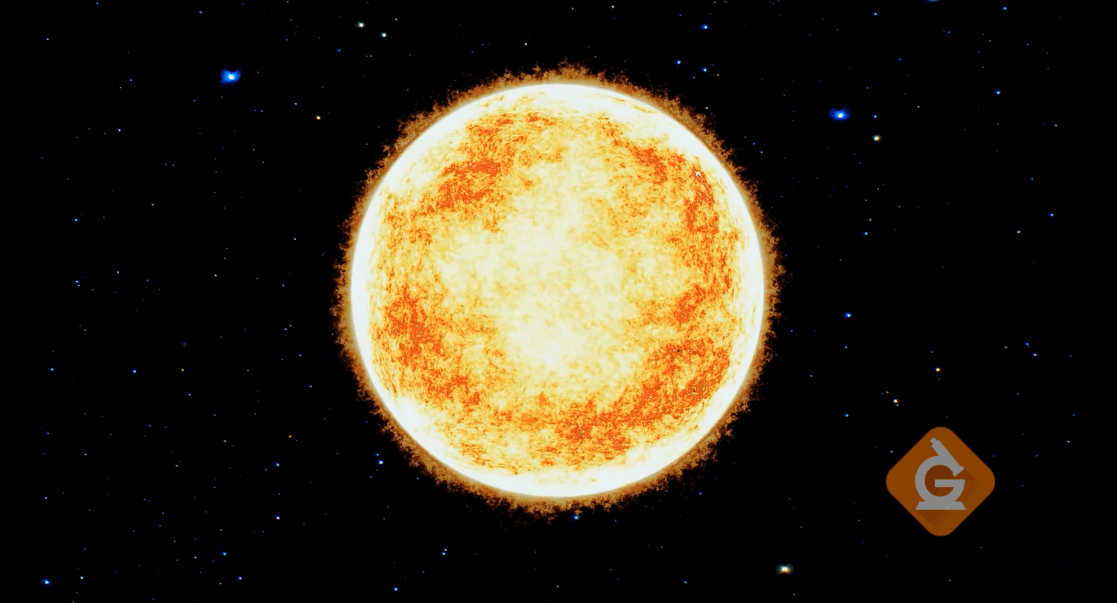
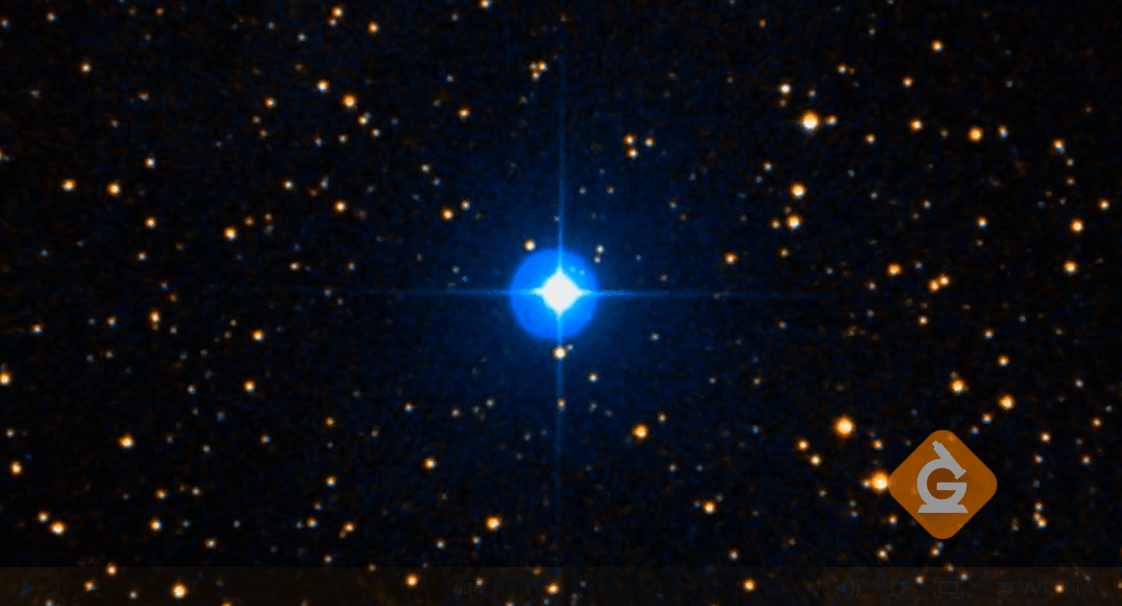
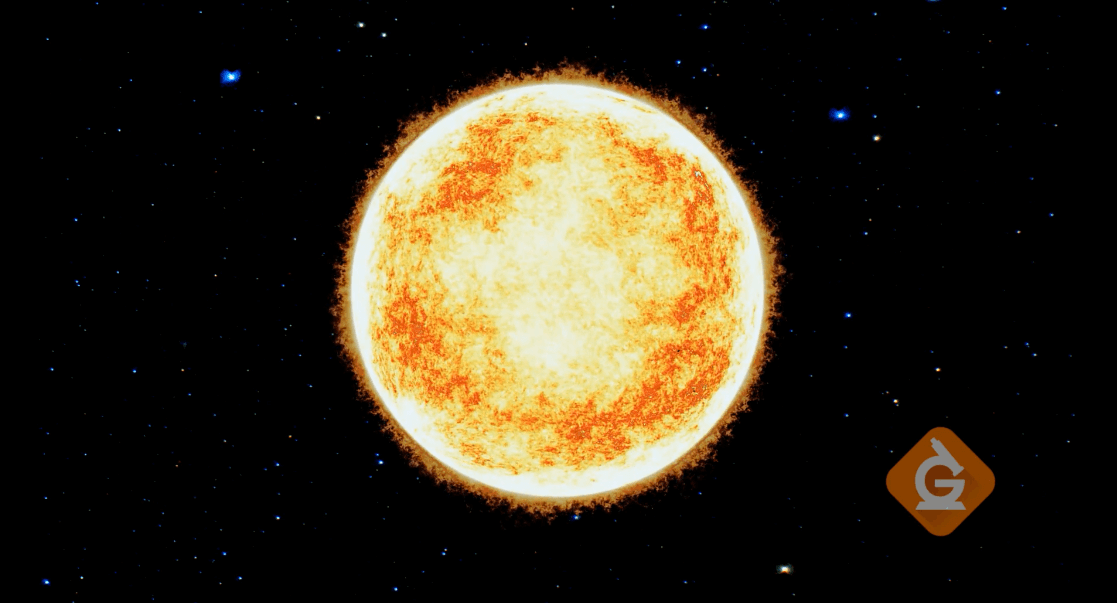
What color are the hottest star?
Red
Yellow
Orange
Blue
The color of star tell us its________.
magnitude
age
temperature
size
Why does the Sun look so big to us?
Because it is the biggest star.
Because it is farthest star from Earth.
Because it is the closest star to Earth.
Because it is the hottest star.
Why can't we see the stars during the day?
other stars are too small to see during the day
the sun is so much bigger than other stars that we can't see them from Earth during the day
the sun is so brighter that we can't see other stars during the day
Other stars aren't close enough to see
The sun is rotating.
True
False
Which factor has the greatest effect on a star's apparent brightness?
mass
volume
distance
temperature
How bright a star appears to be from a distance is called the star's...
luminosity
true brightness
apparent brightness
absolute brightness
This is a special lens used to see farther into space.
rover
telescope
lander
probe
A space rock that hits the site on Earth is called...
meteor
asteroid
comet
meteorite
A dirty snowball in space that orbits the sun in long elliptical orbits is called...
comet
asteroid
meteor
meteorite
A large space rock that orbits the sun between Mars and Jupiter.
comet
meteoroid
asteroid
meteorite
A space rock that burns in the Earth's atmosphere; "shooting star".
meteorite
meteor
meteoroid
comet
A space rock in the void of space is called...
meteoroid
meteor
comet
meteorite
What are two characteristics of inner planets?
rocky composition
large in size
long orbit around the sun
short orbit around the sun
colder temperatures
What are two characteristics of outer planets
shorter year
gaseous composition
many moons
hotter temperatures
no rings
Put the planets in order from the sun.
Mercury, Mars, Venus, Earth, Neptune, Uranus, Saturn, Jupiter
Jupiter, Saturn, Uranus, Neptune, Earth, Venus, Mars, Mercury
Earth, Mars, Mercury, Saturn, Jupiter, Venus, Uranus, Neptune
Mercury, Venus, Earth, Mars, Jupiter, Saturn, Uranus, Neptune
How are moons different from planets?
moons orbit planets
moons orbit stars
planets make their own light
moons are larger than planets
What are two characteristics of our sun?
It is the only star in our solar system.
It is the largest star in the universe.
It is the hottest star.
It is a yellow dwarf star.
It is the only star with planets.
What keeps all the planets in orbit around the sun?
Earth's gravity
The moon's gravity
The sun's gravity
The asteroid belt's gravity
What causes a planet to have day and night?
Rotation
Revolution
Orbiting around the sun
Sun's gravity
What causes a planet to have a year?
Rotation
Revolution
The moon's orbit
The moon's gravity
What is a constellation?
A group of stars that form a pattern in the sky.
A type of planet that orbits a star.
A collection of galaxies in the universe.
A phenomenon that occurs during a solar eclipse.
Rocky objects orbiting the Sun are called what?
moons
stars
asteroids
gases
A _________ is a mixture of frozen gases, dust, and rock that move in an elliptical orbit around the sun.
comet
meteor
moon
asteroid
Pluto was once known as the ninth planet. It is now considered a _______.
asteroid
dwarf planet
moon
gas giant
How many planets are in our solar system?
6
8
9
10
Large, round bodies that revolve around a star are called ________.
moons
asteroids
suns
planets
What planet has life, water, and an atmosphere?
Mercury
Venus
Earth
Mars
When an apple falls to the ground, what is happening?
Gravity pushes the apple up, away from the Earth.
Gravity pulls the apple down, towards the Earth.
Magnetism pushes the apple up, away from the Earth.
Magnetism pulls the apple down, towards the Earth.
Which of the following statements about gravity and magnetism is NOT true?
Gravity and magnetism are both invisible forces.
Gravity and magnetism can both pull on objects.
Gravity pulls on everything, but magnetism only pulls on magnetic objects.
Gravity pulls only on magnetic objects, but magnetism pulls on everything.
Why can you jump higher on the Moon than on Earth?
You can jump higher on the Moon because it has more gravity than Earth.
Since the Moon has less mass than the Earth it will have less gravity. Therefore, it doesn't pull as much as the Earth. That is why you jump higher.
Since the Moon has more mas than the Earth, the Moon will pull more and therefore you will jump higher than on Earth.
You will jump higher on the Moon because it has less gravity than the Earth.
Which of the following has the strongest gravitational pull?
The Earth
The Sun
Mars
Jupiter
The Moon
Which scientist was credited with first describing gravity? (Hint: An apple fell on his head.)
Thomas Edison
Bill Gates
Mr. C
Isaac Newton
What do we call the force of gravity on an object?
weight
mass
speed
What effect does the Earth's gravity have on us?
It lets us float.
It pulls us to the Earth.
We are too small for it to effect us.
It moves us around in circles.
This force attracts all objects toward each other.
electricity
gravity
weight
magnetism
A person would weigh more on Jupiter than on Earth because_____________________.
Jupiter has less mass, and therefore less gravity.
Jupiter has more mass, and therefore less gravity.
Jupiter has less mass, and therefore more gravity.
Jupiter has more mass, and therefore more gravity.
If a person weighs 100 pounds on Earth, calculate how much that person would weigh on Jupiter. (Jupiter has 4 times the amount of gravity than Earth does).
100 pounds
400 pounds
300 pounds
44.0 pounds

