wayground logo

Free Printable Worksheets

Font size

S
M
L
XL
Worksheets

Environmental regions

Total questions: 120

Worksheet time: 1hrs 27mins

Name
Class
Date
1.
The closer you live to an ocean the more likely your climate will be?
a)
maritime
b)
continental
c)
tropical
d)
polar
2.
What is the climate of the top of a mountain like as compared to the bottom of the mountain?
a)
warmer
b)
cooler
c)
drier
d)
wetter
3.
What is the difference between climate and weather?
a)
 Climate averages the weather conditions in a specific place over a long period of time, while weather describes the state of the atmosphere at a specific moment in time.
b)
 Weather averages the weather conditions in a specific place over a long period of time, while Climate describes the state of the atmosphere at a specific moment in time.
c)
Climate describes the weather conditions at night, while weather describes the conditions during the daytime.
d)
 There is not a difference between climate and weather.
4.
Which of these is NOT a factor that determines the climate of a place?
a)
latitude
b)
wind patterns
c)
longitude
d)
elevation
5.
Which sentence best describes the relationship between elevation and air temperatures?
a)
 LOWER elevation = COLDER temperatures
b)
HIGHER elevation = COLDER temperatures
c)
HIGHER elevations = WARMER temperatures
d)
There is no relationship
6.

The farther from the equator you get......

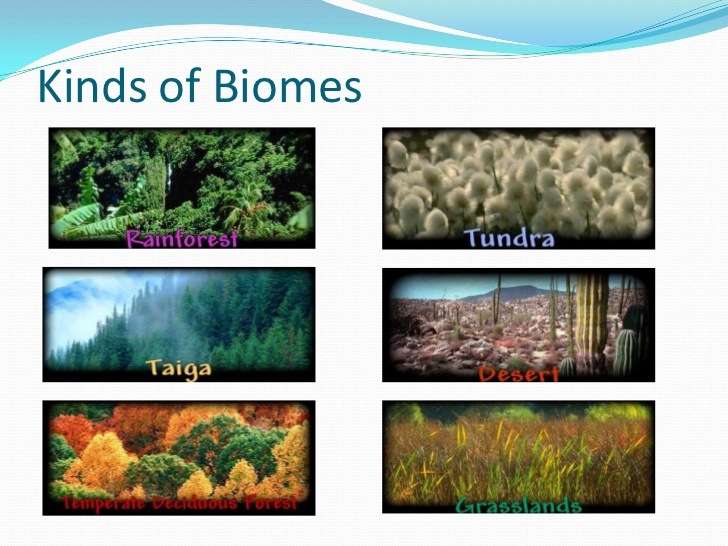
a)

the colder it gets

b)

The warmer it gets

c)

the thinner the air

d)

the lighter the atmosphere

7.

Why is it colder near the north pole?

a)

the air is thinner

b)

there is so much ice there

c)

the sun's energy gets spread out

d)

the sun's energy is more concentrated

8.

By adding together the monthly temperatures and dividing by 12, you can find:

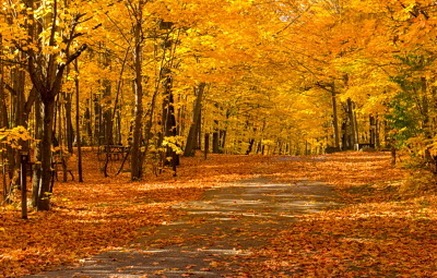
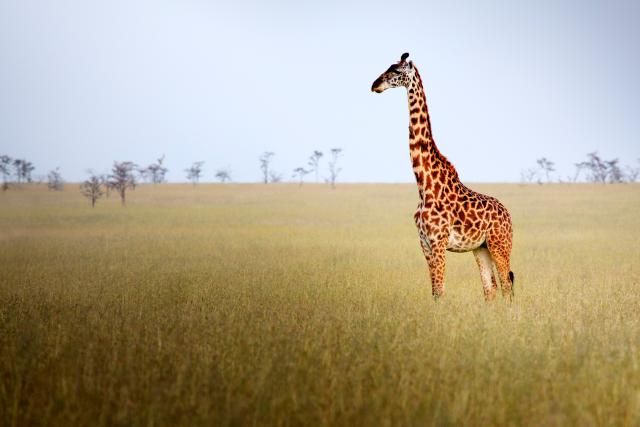
a)

Temp range

b)

total annual temp

c)

average annual precipitation

d)

average annual temp

9.

As you go up the side of a mountain...

a)

the colder it gets

b)

the warmer it gets

c)

the denser the air

d)

the better the weather

10.

as air cools, the moisture in it...

a)

evaporates

b)

sublimates

c)

condenses

d)

smells

11.

As air rises, it...

a)

heats up

b)

evaporates

c)

cools

d)

smells

12.

When air is forced to go over a mountain, what kind of precipitation is created?

a)

relief

b)

cyclonic

c)

convectional

d)

precipitous

13.

What zone is point A located in?

a)

the tropics zone

b)

the temperate zone

c)

the moderate zone

d)

the polar zone

14.

What zone in point B located in?

a)

the tropics zone

b)

the temperate zone

c)

the moderate zone

d)

the polar zone

15.

As the Earth revolves and the North Pole tilts towards the Sun, what season would the southern hemisphere experience?

a)

winter

b)

spring

c)

summer

d)

fall

16.

What type of weather will the western coast of South America experience during this short-term climate change?

a)

cool and dry

b)

warm and wet

c)

cool and wet

d)

warm and dry

17.
Which climate zone do we live in?
a)
Temperate
b)
Tropical
c)
Polar
d)
Savannas
18.
Which one of these contribute to climate?
a)
driving down the road
b)
deciding where we live
c)
standing a certain way
d)
latitude lines
19.
If I wanted to live where it is warm which climate would I chose?
a)
temperate
b)
tropical
c)
polar
20.
Where would I find humid equatorial climate?
a)
along the poles
b)
at 90N and 90S
c)
close to Japan
d)
along the equator
21.
Do people along the same latitude line share similar climate and plant life?
a)
No
b)
Yes
22.
Define climate.
a)
different air masses
b)
condition of the atmsophere over a short time
c)
average condition over a long period of time
23.
Which of these does NOT contribute to climate?
a)
latitude
b)
weather
c)
ocean currents 
d)
prevailing winds
24.

Rainfall totals for Tropical Marine Climates are between 

a)

500-1000 mm

b)

1000-1500 mm

c)

1000  >> 1500 mm 

25.

The climate shown on the map represents

a)

Tropical Continental

b)

Equatorial

c)

Tropical Marine

26.

Equatorial Climates occur between

a)

0 °\degree - 5 °\degree N & S of Equator

b)

0 °\degree - 10 °\degree N & S of the Equator

27.

Rainfall totals for Equatorial Climate commonly occur between

a)

1000- 1500 mm

b)

1500- 2000 mm

c)

2000- 3000 mm

28.

The territories show in green would most like exhibit a

a)

Tropical Marine Climate

b)

Tropical Continental Climate

c)

Equatorial Climate

29.

Which of the following images show more than one climatic region

a)
b)
c)
d)
30.

Which of these is a factor that is used to describe climate?

a)

air pressure

b)

humidity

c)

temperature

d)

wind direction

31.

Which of these is another factor that is used to describe climate?

a)

pollen count

b)

precipitation

c)

wind direction

d)

wind chill

32.

What is the main factor that determines how much solar energy an area will receive?

a)

altitude

b)

latitude

c)

longitude

d)

nearness to the center of a land mass

33.

Solar energy determines the temperature and wind patterns of an area, which determines the ...

a)

average annual temperature and precipitation.

b)

cloud cover and average annual temperature.

c)

cloud cover and precipitation.

d)

average annual and monthly temperatures.

34.

Which warms up quickly, land or water?

a)

It's impossible to say, given the limited information.

b)

land

c)

They both warm up at the same rate.

d)

water

35.

Which category of climate has temperatures at or below 0 degrees C, even during the warmest months?

a)

equatorial climates

b)

polar climates

c)

temperate climates

d)

tropical climates

36.

Which of the following countries experience equatorial climate in Asia?

a)

India

b)

Bangladesh

c)

Indonesia

d)

Bhutan

37.

Name the tree in the picture.

a)

Mahogany

b)

Teak

c)

Sal

d)

Neem

38.

The trees in the equatorial climate form .............................

a)

branches

b)

canopy

c)

bushes

d)

creepers

39.

What season does the equatorial climate experience?

a)

Autumn

b)

Summer

c)

Spring

d)

None of the above

40.
A temperate climate is?
a)
consistently cool
b)
consistently warm
c)
consistently moderate
d)
warm and cool
41.
A polar climate is?
a)
warm and cool
b)
consistently moderate
c)
consistently cool
d)
consistently warm
42.
How does latitude influence climate?
a)
The closer you are to the equator the higher the temp
b)
Winds bring rain to the coast from the seas
c)
The higher the altitude the colder the temperature
d)
Ocean Currents affect precipitation
43.
Deserts are the wettest place on Earth. 
a)
true 
b)
false 
44.

True or False? All deserts are very hot.

a)

True

b)

False

45.
Deserts are hotter than rain forests. 
a)
True 
b)
False
46.
What best describes the climate in the desert?
a)
warm
b)
hot
c)
dry
d)
windy
47.

Which of the following would classify as a desert?

a)

warm temperatures with few animals

b)

warm temperatures with many animals

c)

less than 25 centimetres of rain per year

d)

more than 25 centimetres of rain per year

48.

True or False? Desert temperatures can be extreme.

a)

True

b)

False

49.

In the daytime, temperatures can reach _____ degrees C. At night, the air cools to around _______ degrees C.

a)

25, 1

b)

100, -10

c)

40, 10

d)

38,-3

50.

This continent is an example of a cold desert.

a)

Antartica

b)

Australia

c)

Iceland

51.
What is one thing both "hot" and "cold" deserts have in common?
a)
All the land is made of sand
b)
Underground water filters impurities from the sand.
c)
There is a dramatic change between night and day temperatures.
d)
Both get regular predictable rainfall. 
52.
Which of the following is not a characteristic of a desert? 
a)
very little rain
b)
hot in the day, cool at night
c)
sandy soil
d)
covered with grass
53.
What fraction of the earth is covered by desert
a)
1/2
b)
1/5
c)
1/3
d)
1/4
54.
What is it called when an animal has a feature or behavior that helps it survive in its environment? 
a)
habitat
b)
environment
c)
adaptation
d)
climate
55.
Which adaptation helps plants to conserve water?
a)
thick stems
b)
spines
c)
wide leaves
d)
small leaves
56.
Which adaptations help plants STORE water?
a)
long, thick roots
b)
thick stems and waxy skin
c)
shallow, wide roots
d)
large leaves and thorns
57.
Which of the following is not an adaptation for desert animals? 
a)
big legs
b)
small ears
c)
extra layer of fur
d)
thin bodies
58.

Desert plants are able to survive long periods with no rain. Which of these plants would you find in the desert?

a)

cactus

b)

conifer

c)

grasses

d)

wildflowers

59.

What kind of seasons does a rainforest have?

a)

Winter

b)

Wet and dry

c)

Summer

d)

Spring

60.
Which CONTINENT is home to the majority of the world's rainforests?
a)
South America
b)
North America
c)
Africa
d)
Australia
61.

Temperate forests have 4 distinct seasons

a)

True

b)

False

62.

The tilt of the Earth on its axis determines seasons.

a)

False

b)

True

63.

We live in a temperate deciduous forest

a)

True

b)

False

64.

What is the dominant plants of a grassland?

a)

Trees

b)

Grasses and shrubs

c)

Algae

d)

Kelp

65.

What is one adaptation animals have for temperate forests?

a)

Animals are able to survive in year-round freezing temperatures

b)

Animals have learned how to live without trees

c)

Animals have learned to live in 1 temperature all year

d)

Animals can survive both cold winters and hot summers
66.
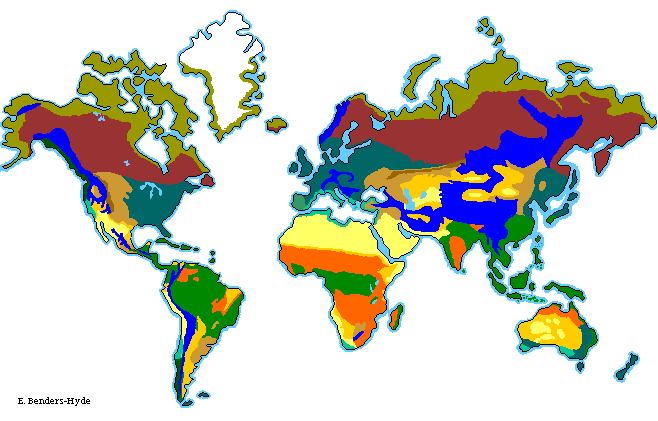
A large ecosystem is called a ______
a)
Ecosystem
b)
Habitat
c)
Biome
d)
Niche
67.
What is the main factor that separates the biomes?
a)
Land
b)
Water
c)
Climate
d)
Longitude
68.
Which biome has deciduous trees (which lose their leaves)?
a)
Temperate Forest
b)
Rainforest
c)
Grasslands
d)
Taiga
69.
Which biome has the most variety of plants and animals?
a)
Temperate Forest
b)
Rainforest
c)
Tundra
d)
Grasslands
70.
Which biome is home to lions, zebras, wildebeests, giraffes, and elephants?
a)
Grasslands
b)
Tundra
c)
Rainforest
d)
Temperate Forest
71.

Which statement best matches Savanna soil characteristics:

a)

nutrient poor: decomposition takes nutrients away from plants

b)

nutrient rich: extra rainfall helps decomposition

c)

nutrient poor: monsoons wash nutrients away

d)

nutrient rich: insects turn soil, giving easy access to producers

72.

A difference between the temperate grasslands and savanna is:

a)

savannas have large trees as well as grasses

b)

savannas have monsoon and drought, temperate grasslands have steady moisture

c)

Savanna organisms include acacia trees, lions, zebra, hyena; temperate grasslands include bison, prairie dog, hawk

d)

All

73.

Which map represents the tropical savanna?

a)
b)
c)
d)
74.

Predators on the savanna use this as camouflage

a)

tall grasses

b)

acacia trees

c)

open plains

d)

no camouflage needed

75.

SELECT ALL THAT APPLY: The further from the equator...

a)

The more sunlight

b)

The less sunlight

c)

These areas tend to be warmer

d)

These areas tend to be colder

76.

SELECT ALL THAT APPLY: Which of the following best describe polar climates?

a)

These are the coldest climates

b)

These climates are far from the equator

c)

These climates usually do not receive any sunlight in winter

d)

These climates must be surrounded by bodies of water

77.

Which position is Spring in the Northern Hemisphere?

a)

A

b)

B

c)

C

d)

D

78.

Tropical rain forests are:

a)

warm, rainy and wet

b)

only rainy

c)

sometimes sunny

d)

all the time cloudy

79.

Which animals live in the rainforest?

a)

Polars bears

b)

Giraffes

c)

Jaguars

d)

There aren't animals

80.

In the rainforest we can find:

a)

People too

b)

buldings too

c)

Hospitals too

d)

Schools too

81.
The biome known for trees with broad leaves that fall off the trees in the winter.
a)
Coniferous Forests
b)
Deciduous Forests
c)
Deserts
d)
Tropical Rain Forests
82.
One characteristic feature of the tundra is that only the surface thaws in the summer and refreezes in the winter, leaving a permanently frozen subsoil. This characteristic is known as 
a)
Hoarfrost
b)
Glaciation
c)
Permafrost
d)
Crystallization 
83.
The kangaroo rat is able to get all of the water it needs through it's food and therefore, never needs to drink liquid. This animal has adapted to survive in which biome that rains less than 2 inches a year?
a)
Forest
b)
Tundra
c)
Desert
d)
Grassland
84.
Which biome, because of its climate, has the largest number of species of plants and animals?
a)
Tundra
b)
Tropical Rainforest
c)
Desert
d)
Pineforest
85.
The taiga:
a)
a cold, treeless, desert-like biome found near the North and South Poles
b)
found mostly in Africa
c)
a forest biome dominated by coniferous trees, such as pine, fir, and spruce
d)
a dry, rocky biome found in the central part of South America.
86.
The biome pictured is
a)
temperate grassland
b)
temperate deciduous forest
c)
desert
d)
tundra
87.
The biome pictured is
a)
shrubland/chaparral
b)
tropical savanna
c)
temperate deciduous forest
d)
desert
88.
The biome pictured is
a)
desert
b)
tundra
c)
temperate grassland
d)
boreal forest
89.
Abiotic factors: hot and wet year-round; thin, nutrient-poor soils • Dominant plants: broad-leaved evergreen trees; ferns; large woody vines and climbing plants;  orchids and bromeliads
a)
Taiga 
b)
Temperate Rain Forest
c)
Temperate Deciduous Forest
d)
Tropical Rain forest
90.
The most biodiverse biome is: 
a)
Taiga
b)
Chaparral
c)
Savanna
d)
Tropical Rainforest
91.
Abiotic factors: warm temperatures; seasonal rainfall; compact soil; frequent fires set by lightning • Dominant plants: tall, perennial grasses; sometimes drought-tolerant and fireresistant trees or shrubs    
a)
temperate grasslands
b)
Prairies
c)
savanna grass lands
d)
chapparal
92.

tropical rain forest receive about _________ of sunlight per day.

a)

8 hours

b)

4 hour

c)

12 hours

d)

12 minutes

93.

Where are most of the tropical rain forests located?

a)

Tropic of cancer

b)

equator

c)

Tropic of Capricorn

d)

Arctic circle

e)

Antarctic circle

94.
Leaves have drip tips to
a)
Direct water to the roots
b)
Protect itself
c)
absorb
d)
help insects
95.

What are the two types of rainforests?

a)

Temperate and Tropical

b)

Warm and Cool

96.
A large region characterized by its climate and organisms.
a)
biome
b)
ecosystem
c)
community
d)
population
97.

Which of these is something that happens after people cut down rain forests?

a)

there will be more oxygen in the air

b)

there will be more water in the air

c)

there will be less rain, and there may be droughts

d)

millions of plants and animals will find new homes and continue to live

98.

What is the name for things farmers grow just to sell, not for their own food?

a)

subsistence crops

b)

bananas, rubber, coffee, and palm oil

c)

cash crops

d)

sellable crops

99.

Why does soil erosion happen after people cut down trees in rain forests?

a)

the trees' roots that hold the soil are gone

b)

the trees absorb more water from the ground

c)

the rivers become bigger and they wash away the soil

d)

after they clear the land, people build farms or houses, which cause erosion

100.

Rain forests have a very high ____ because millions of different species of plants and animals live there.

a)

photosynthesis

b)

variance

c)

symbiosis

d)

biodiversity

101.

Which of these are reasons why we should protect rain forests? (Choose 4)

a)

it's bad to destroy the homes of millions of animals

b)

rain forests make oxygen

c)

we need rain forest resources

d)

clearing away rain forests creates more land for farming that we need to grow bananas, coffee, and rubber

e)

rain forests contain plants that may be useful as medicine, food, and other important things

102.

Why haven't scientists studied all of the plants in the world's rain forests to check if they can make medicine?

a)

scientists are not allowed to go to rain forests because they always destroy too many trees

b)

scientists are trying to test all the plants, but there are so many species and people keep destroying them

c)

scientists don't need to test all the plants because they already know which ones are useful

d)

scientists don't want to study all of them because that isn't a good way to discover new medicines or make money

103.
Tropical Rainforest
a)
A broadleaf evergreen forest found in wet and hot regions near the equator
b)
The variety of plants and animals living in one area.
c)
The process by which carbon and oxygen cycle among plants, people, and animals.
d)
Removing or clearing away the trees from a forest. 
104.
________________________ have needle shaped leaves.
a)
Snow Cone Trees
b)
Coniferous Forests
c)
Tepee Trees
d)
Needle Forests
105.
Which of the following best describes a tropical rain forest?
a)
Dense, thick soil that supports a dense layer of plants on the forest floor.
b)
Species of animals with specialized ways of surviving in   order to avoid competition.
c)
Very few species of trees, due to poor soil quality.
d)
Plants and animals that are very similar due to year-round   warmth and moisture.
106.
What type of forest has the greatest biodiversity?
a)
Taiga forest
b)
Temperate deciduous forest
c)
Temperate rain forest
d)
Tropical rain forest
107.
Which of the following would you expect to see in the emergent layer of a tropical rain forest?
a)
grasses, insects, and small succulents
b)
eagles, bats, and snakes
c)
lichens, mosses, and dwarf woody plants
d)
epiphytes, small burrowing mammals, and burrowing toads
108.
Adaptations demonstrated by plants in tropical rain forests include
a)
trees with above ground roots called buttresses, which   increase stability.
b)
orchids and vines that use tall tree trunks for support.
c)
herbs with large flat leaves located in the understory.
d)
All choices are correct.
109.
All of the following are characteristics of temperate rain forests except
a)
high humidity and moderate temperatures.
b)
abundant mosses, ferns, and lichens.
c)
low rainfall in summer but abundant snow in winter.
d)
large evergreen trees, such as Sitka spruce and Douglas fir.
110.
Which of the following is not true about temperate deciduous forests?
a)
Trees grow lush green leaves in the spring, but lose their   leaves in late summer.
b)
The soil is rich, and plants cover much of the forest floor.
c)
Animals such as squirrels, bears, and deer find food in the form of nuts, berries, and leaves.
111.

Tropical Rainforests are located:

a)

Near the South Pole

b)

Near the Equator

c)

Near the North Pole

d)

Above the Tropic of Cancer

112.

Tropical Rainforests are dense. This means:

a)

that there are some trees in the rainforest.

b)

that there are no trees in the rainforest.

c)

that there are little trees in the rainforest.

d)

that there are many trees in the rainforest.

113.

The rainforest has rich biodiversity. What does this mean?

a)

The rainforest has very little species of animals and plants.

b)

The rainforest can help people to earn a lot of money.

c)

The rainforest has many species of animals and plants.

d)

The rainforest has diverse populations of people staying in it.

114.

What layer of the rainforest is this?

a)

Undergrowth

b)

Canopy

c)

Emergent

d)

Detergent

115.
Trees in the tropical rainforest have leaves so densely packed that _______ can hardly penetrate through the leaves, making the ground very shady.
a)
jaguars
b)
birds
c)
sunlight
d)
rain
116.
How much of the world's plants and animals live in the rainforest?
a)
at least 22%
b)
at least 50%
c)
100%
d)
no more than 15%
117.
Which layer of the rainforest is this describing: This is the highest layer of the rainforest. Birds of paradise, eagles, and macaws live there.
a)
Forest Floor
b)
Understory
c)
Canopy
d)
Emergent
118.
Which layer of the rainforest is this describing: If we visited this layer we would see fallen leaves, decaying trees, tapirs, termites, and scorpions.
a)
Forest Floor
b)
Understory
c)
Canopy
d)
Emergent
119.
Which layer of the rainforest is this describing: Immediately above the forest floor this layer is home to residents such as bees, snakes, frogs, and leopards.
a)
Forest Floor
b)
Understory
c)
Canopy
d)
Emergent
120.

Generally, the closer an ecosystem is to the equator,

a)

the longer its growing season

b)

the greater its diversity

c)

the warmer its temperature

d)

All of the above