
Font size
 Worksheets
Science Form 1 Chapter 1 (DLP)
Total questions: 48
Worksheet time: 26mins
Science is a discipline that involves ............... on natural phenomena. (answer 2)
systematic observations
experiments
observations
Belows are examples of natural phenomena EXCEPT
flash floods
rainbows
volcanic eruptions
car movement
occurence of day and night
Which of these are CORRECT about the importance of science?
Easy to find job
Faster and safer transportation
Increase quality and quantity of agriculture products
Invention of satellites, computers and phones.
Advancements in medical
Select correct answer.
Biology specialised in .......
weather and climate change
living things
characteristic of matter and energy
composition, structure, properties and reaction of matter
rocks, soils and minerals
Select correct answer.
Physics specialised in .......
weather and climate change
living things
characteristic of matter and energy
composition, structure, properties and reaction of matter
rocks, soils and minerals
Select correct answer.
Chemistry specialised in .......
weather and climate change
living things
characteristic of matter and energy
composition, structure, properties and reaction of matter
rocks, soils and minerals
Select correct answer.
Geology specialised in .......
weather and climate change
living things
characteristic of matter and energy
composition, structure, properties and reaction of matter
rocks, soils and minerals
Select correct answer.
Astronomy specialised in .......
weather and climate change
the moon, stars, planet, the Sun and objects in space
characteristic of matter and energy
composition, structure, properties and reaction of matter
rocks, soils and minerals
Select correct answer.
Meteorology specialised in .......
weather and climate change
the moon, stars, planet, the Sun and objects in space
characteristic of matter and energy
composition, structure, properties and reaction of matter
rocks, soils and minerals
..................................... has made our life more comfortable and solve various problems.
Science
Investigation in science
Innovation in technology
Science experiments are conducted in ..................
classroom
science laboratory
lecture hall

For containing small amount of chemicals or mixing solutions.
Boiling tubes
Beaker
Glass jar
Test tube

Round-bottom flask
containing chemical used in preparing gas - heating is required
containing chemical used in preparing gas - no heating is required
used for collecting gas

Boiling tube is ............... (answer 2)
larger in size
smaller in size
can withstand high temperature
Ah Mei wants to prepare gas without heating process. Which apparatus can she use during the experiment?
Test tube
Round-bottom flask
Conical flask
Flat-bottom flask
Which of these are used to measure volume of liquids? (answer more than 1)
Filter funnel
Burette
Measuring cylinder
Pipette

Azli needs to measure a fixed volume of liquid and transfer it to another container. Which apparatus can he use?
Measuring cylinder
Burette
Pipette

.................. is used for measuring volume of liquids to an accuracy of 0.1cm3
Measuring cylinder
Burette
Pipette

.............. is used for holding apparatus during experiments.
Test tube holder
Retort stand and clamp
Tripod stand
You can hold a hot test tube using ................
test tube rack
test tube holder
retort stand and clamp
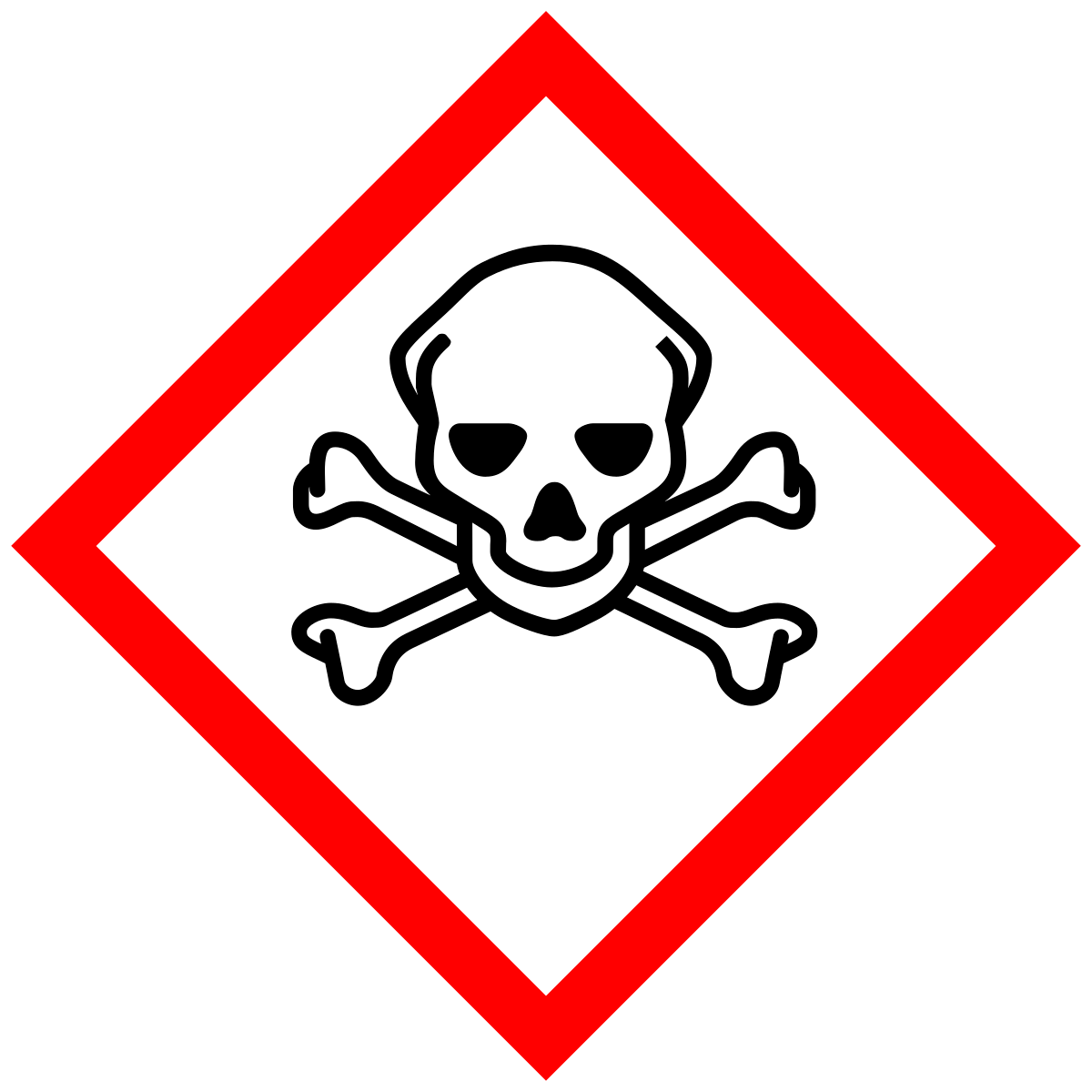
The above hazard symbol means ......
explosive
flammable
toxic or poisonous
corrosive

The above hazard symbol means ......
explosive
radioactive
toxic or poisonous
corrosive

The above hazard symbol means ......
explosive, avoid mixing with water or other chemicals
radioactive, cause harmful radiation
toxic or poisonous, can cause poisoning and death if swallowed
corrosive, concentrated acids and alkalis
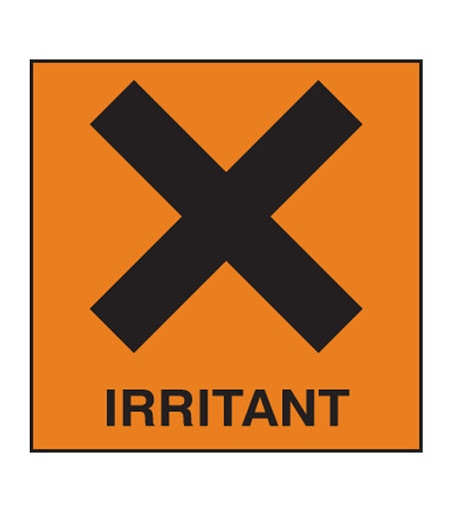
If you see above symbol, beware of materials that can
release fume that can hurt eyes, nose and throat.
cause harmful radiation.
cause poisoning and death if swallowed
easily expolde.
When you are in a laboratory, you SHOULD ..... (answer more than 1)
read instructions first and understand them
throw solid waste into the sink
report all accidents or injuries.
return apparatus to their proper places.
taste the chemicals without instruction from teacher.
When you are in the laboratory, you should AVOID .... (answer more than 1 )
turning off the taps before leaving the laboratory
eat, drink or play
throwing solid waste into the sink
entering laboratory without teacher's permission
Which safety measures should one follows while using apparatus and chemical? (answer more than 1)
Always check labels
Do not touch chemical directly
Wear safety gloves when heating chemicals
Wear safety goggles when heating chemicals
Point the mouth of test tube to your friend when heating it
What you should do if someone inhaled toxic gas?
Hold under running water
Spit out immediately
Move away from the gas for fresh air
Flush eyes vigorously with water
Which of these physical quantities symbols are WRONG?
Lenght = metre = m
Mass = kilogram = g
Temperature = second = s
Time = Kelvin = K
Electric current = Ampere = A
Convert 2.5kg to g
25g
250g
2500g
Convert 1500g to kg
0.5kg
1.5kg
15kg
Convert the units of time.
1 min = 60s
3 min = ____s
60s
120s
180s
240s
S.I units stands for
International System of Units
International System of Mass
International System of Quantity
The usage of S.I is to AVOID
confusion and misunderstanding
accuracy
communication
THREE important aspects in measurement are ....
accuracy
instrument
consistency
sensitivity
S.I unit to measure length ...
metres (m)
centimetres (cm)
grams (gm)
kilograms (kg)
S.I unit to measure mass ....
metres (m)
centimetres (cm)
grams (gm)
kilograms (kg)
Correct way to measure time.
1 day = 22h
1h = 60min
1min = 60s
........................... is a measure of how hot or cold an object is.
Length
Time
Mass
Temperature

Which statement is TRUE about the above apparatus?
Laboratory themometer - read temperature between -10oC to 110oC
Clinical thermometer - range of temperature from 35oC to 42oC

Which statement is TRUE about the above apparatus?
Laboratory themometer - read temperature between -10oC to 110oC
Clinical thermometer - range of temperature from 35oC to 42oC
Match the definition.
The distance between two points.
Length
Mass
Time
Temperature
Match the definition.
The quantity of matter in an object.
Length
Mass
Time
Temperature
Match the definition.
The measured period between two moments.
Length
Mass
Time
Temperature
Match the definition.
Measure of how cold or hot an object is.
Length
Mass
Time
Temperature
Match the definition.
The rate of flow of charges (electrons) through a conductor.
Length
Mass
Temperature
Electrical current
Match the definition.
Amount of space occupied by an object.
Length
Time
Volume
Electrical current
......................... is used to measure the current that flows through an electric circuit.
Vernier Calipers
Stopwatch
Measuring tape
Ammeter

