wayground logo

Free Printable Worksheets

NEW

Font size

S
M
L
XL
Worksheets

Cell Organelles Arnold

Total questions: 50

Worksheet time: 26mins

Name
Class
Date
1.
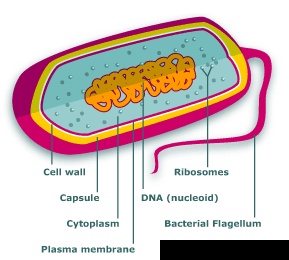
This cell is simple. Only genetic material, cytoplasm and ribosomes inside.
a)
Eukaryotic
b)
Prokaryotic
c)
Plant
d)
Animal
2.
Complex cell. Can be plant or animal. Contains membrane bound organelles. 
a)
Eukaryotic Cell
b)
Prokaryotic Cell
c)
Bacteria
d)
Blood cell
3.
Organelles inside nucleus function is to make ribosomes
a)
Golgi Body
b)
Lysosome
c)
Rough E.R.
d)
Nucleolus
4.
The Smooth Endoplasmic Reticulum is covered in ribosomes.
a)
True
b)
False
5.
What only allows certain molecules to enter or leave the cell, and separates the internal metabolic reactions from the external environment? 
a)
Plasma Membrane
b)
Nucleus 
c)
Mitochondria
d)
Ribosomes
6.
What is the name of the genetic material that is inside the nucleus?
a)
ER
b)
ATP
c)
YOLO
d)
DNA
7.
Using this image, what organelle is A?
a)
Cell Wall
b)
Large Central Vacuole
c)
Mitochondria
d)
Chloroplast
8.
Using this image, what organelle is C?
a)
Cell Wall
b)
Mitochondria
c)
Large Cell Vacuole
d)
Chloroplast
9.
Using this image, what organelle is N? It makes proteins. 
a)
Centrioles
b)
Cell Membrane
c)
Golgi Apparatus
d)
Ribosome
10.
Modifies, collects, & packages macromolecules such as proteins.
a)
smooth ER
b)
golgi apparatus
c)
ribosome
d)
rough ER
11.
a)
produces ribosomes
b)
contains genetic information
c)
stores food, water, wastes and other materials
12.
a)
contain DNA
b)
used in photosynthesis 
c)
give plants their taste
13.
a)
site of protein synthesis by ribosomes
b)
where ribosomes are made
c)
gel-like fluid
14.
a)
makes ribosomes
b)
storage for water
c)
breaks down worn out cell parts
15.
a)
where ribosomes are made
b)
receives proteins from ER and distributes them
c)
assembles amino acids into proteins
16.
a)
control center of the cell
b)
captures energy from sunlight
c)
found in plant and animal cells
17.
Who discovered cells when he looked a cork under his microscope?
a)
Schlieden
b)
Schwann
c)
Hooke
d)
Virchow
18.
Which of these is part of the cell theory
a)
Cells are the basic unit of life
b)
Only plant cells have a Chloroplast
c)
All cells have a nucleus
d)
Animal cells are round and blob like
19.
Which word best describes this picture
a)
Unicellular
b)
Multicellular
20.
What kind of cell is this?
a)
Animal
b)
Plant
21.
The Chloroplast makes...
a)
Food (Glucose)
b)
Proteins
c)
Energy (ATP)
d)
Ribosomes
22.
The Endoplasmic Reticulum is wrapped around the nucleus.  It can sometimes have ribosomes on it.  What does the ER package?
a)
Cellular Mail
b)
Proteins
c)
Glucose (Food)
d)
ATP (Energy)
23.

What organelle is called the "powerhouse" of a cell?

a)

Endoplasmic Reticulum

b)

Nucleus

c)

Mitochondria

d)

Nucleolus

24.

In what organelle is the genetic material found inside?

a)

Endoplasmic Reticulum

b)

Golgi Complex

c)

Nucleolus

d)

Nucleus

25.

What is the function of the vacuole?

a)

Sac that stores water, nutrients, and waste products

b)

Sac filled with digestive chemicals

c)

Jelly-like substance within the plasma membrane

d)

stack of membranes that packages chemicals

26.

Where does photosynthesis occur?

a)

mitochondria

b)

stomata

c)

xylem

d)

chloroplast

27.

The two kinds of cells are Prokaryotes and Eukaryotes. How are they different?

a)

Prokaryotes have a nucleus.

b)

Eukaryotes have a nucleus.

c)

Prokaryotes are plant cells.

d)

There is no difference.

28.

A rigid layer that lies outside the cell's membrane is...

a)

Cytoskeleton

b)

Cilia

c)

Cell Wall

d)

Flagella

29.
Jelly-like substance that holds other substances and is between the cell membrane and nucleus.
a)
cytoskeleton
b)
cytoplasm
c)
nucleus
d)
mitochondria
30.

I am a plant cell!

a)
b)
c)
d)
31.

All living things are made of...

a)

atoms

b)

cells

c)

bacteria

d)

plants

32.

Controls what enters/leaves a cell

a)

cell membrane

b)

Nuclear membrane

c)

cell wall

d)

cytoplasm

33.

packages proteins for delivery

a)

Endoplasmic reticulum

b)

ribosomes

c)

golgi apparatus

d)

lysosomes

34.
What am I?
a)
mitochondria
b)
lysosomes
c)
chloroplast
d)
endoplasmic reticulum
35.
What am I?
a)
cell wall
b)
mitochondria
c)
cytoplasm
d)
chloroplast
36.
What am I?
a)
vacuole
b)
ribosome
c)
endoplasmic reticulum
d)
golgi apparatus
37.
What am I?
a)
Nucleus
b)
Golgi Body
c)
Mitochondrion
d)
Plasma Membrane
38.
Which of the following is NOT part of the Cell Theory?
a)
All living things are made up of 1 or more cells
b)
All cells come from pre-existing cells
c)
Cells are basic unit of structure for living things
d)
All cells have a nucleus
39.
A cell without a nucleus
a)
Eukaryote
b)
Prokaryote
c)
Both
d)
plant cell
40.
Which part of the cell is pictured?
a)
chloroplast
b)
nucleus
c)
mitochondria
d)
lysosome
41.
When this organelle is full of water, it helps to support plants. When it is short on water, the plants are shriveled up.
a)
Vacuole
b)
Chloroplast
c)
Cell Wall
d)
Lysosome
42.
Label C
a)
Chloroplast
b)
Cytoplasm
c)
Vacoule
d)
Cell membrane
43.
Label C
a)
Cell membrane
b)
Nucleus
c)
Cell wall 
d)
Cytoplasm
44.
Label B
a)
plasma membrane
b)
ribosome
c)
lysosome
d)
mitochondria
45.
Label F
a)
rough endoplasmic reticulum
b)
smooth endoplasmic reticulum
c)
mitochondria
d)
golgi apparatus
46.
Label I
a)
nucleolus
b)
lysosome
c)
cytoskeleton
d)
nucleus
47.
Label K
a)
nucleolus
b)
lysosome
c)
ribosome
d)
golgi apparatus
48.
Which type of cell?
a)
Prokaryote
b)
Eukaryote
49.
Bacteria are a type of...
a)
Prokaryote
b)
Eukaryote
c)
both
50.
Where is the DNA found in a eukaryotic cell? 
a)
floating around in the cytoplasm 
b)
in the nucleus