
 Worksheets
PS.EW.1 Conservation of energy
Total questions: 47
Worksheet time: 34mins

Which is Potential Energy?
Radiant Energy
Mechanical Energy
Chemical Energy
Sound Energy
Heat Energy is called:
Radiant Energy
Chemical Energy
Thermal Energy
Mechanical Energy

Which 2 types of energy does the object in the image use?
Electric and Thermal
Nuclear and Elastic
Chemical and Mechanical
Sound and Elastic
Which is Kinetic Energy?
Gravitational Energy
Thermal Energy
Elastic Energy
Nuclear Energy


Potential energy depends on the ________ and ________ of the object.
Height and weight
Friction and weight
Mass and Movement
Height and speed

What type of energy is being used?
electromagnetic
mechanical
thermal
sound

What type of energy is being used?
electromagnetic
mechanical
thermal
sound
What is the force that is pulling a skydiver towards the Earth?
Elastic Force
Electrical Force
Magnetic Force
Gravitational Force
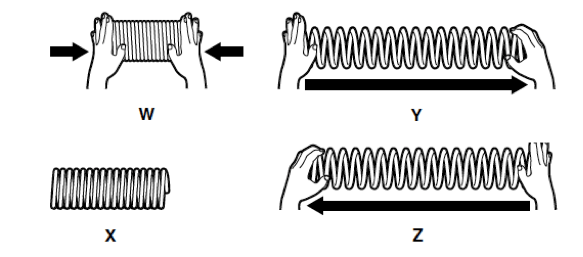
Elastic potential energy is energy stored in an object, such as a spring, due to the object being stretched or compressed. In which position is it most likely that the spring has lost its elastic potential energy?
W
Y
X
Z
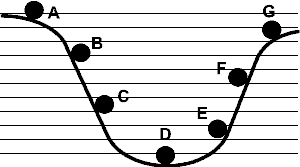
At which point does the ball has the greatest gravitational potential energy (GPE)?
A
G
D
C
G
Which would have the LEAST gravitational potential energy (GPE)?
A ball sitting on the ground
Moon viewed from the Earth
An airplane flying 30,000 feet above the ground
A rock sitting on top of Mt. Everest
How could you increase the gravitational potential energy of an object without changing its mass and gravity?
Make the object larger
Lower the object towards the ground
Raise the object farther off the ground
Allow the object to roll on the ground
Which picture is NOT an example of Chemical PE?
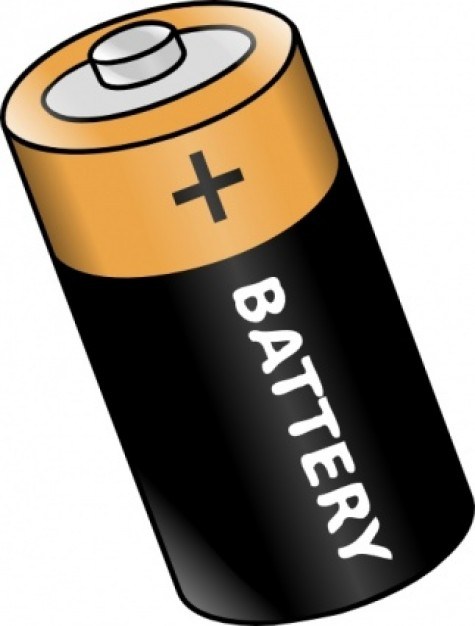


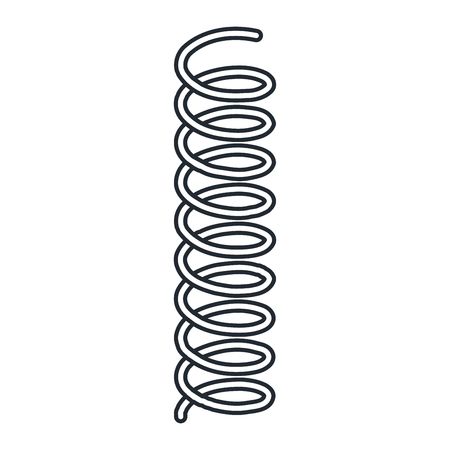
Which of the following is not an example of potential energy?
A.chemical energy
gravitational energy
thermal energy
electrical energy
A friend claims that there are just two forms of energy: kinetic energy and gravitational potential energy. What is wrong with your friend's statement?
There are only three types of energy.
There is only one type of energy.
There are only four types of energy.
There are many more types of energy.
As an object falls in a gravitational field, its speed increases. This is an example of potential energy transforming into what?
A.chemical potential energy
electrical potential energy
elastic potential energy
kinetic energy
Which of the following best explains why an explosive charge in a cannon can cause a cannonball to fly out of the cannon with a high velocity?
because chemical potential energy can convert to gravitational potential energy
because chemical potential energy can convert to kinetic energy
because chemical potential energy can convert to sound energy
because chemical potential energy can convert to electric potential energy
Chemical, gravitational, and elastic are examples of types of what?
systems
potential energy
kinetic energy
engines
Calculate the kinetic energy of a 2.2 kg brick when it has a speed of 4.9 m/s.
1.2 J
17 J
26 J
220 J
A student hangs a wood block from a spring. The student pulls the block downwards so the spring is stretched and holds the block at rest. What type of energy does the wood not have?
chemical potential energy
gravitational potential energy
kinetic energy
elastic potential energy
Complete the following definition: potential energy is energy stored in a system due to its ________.
velocity
motion
position
acceleration
An object moving in a gravitational field is observed to speed up. Explain why.
The object has gained electrical potential energy.
The object is falling in the gravitational field, so it has gained kinetic energy
The object has gained chemical potential energy.
.The object is rising in the gravitational field, so it has lost kinetic energy.
What is the SI unit of energy?
foot-pound
newton
watt
joule
On a roller coaster, where is maximum (or most) gravitational potential energy?
At the bottom of a big hill
When going around a corner
When going upside down
At the top of a big hill

What type of energy is in this slingshot? Click all that apply
Kinetic
Potential
Stored mechanical energy
Sound

Energy that can be stored mechanically in a compressed gas or liquid, a coiled spring, or a rubber band.
Sound Energy
Kinetic Energy
Elastic Energy
Nuclear Energy
The stored potential energy in the nucleus of an atom.
Elastic Energy
Kinetic Energy
Energy
Nuclear Energy
Energy stored in the bonds that hold together the atoms and molecules of all substances.
Nuclear Energy
Chemical Energy
Light Energy
Thermal Energy
The sum of kinetic and potential energy in an object that is used to do work.
Elastic Energy
Sound Energy
Magnetic Energy
Mechanical Energy
A form of energy that is associated with vibrations of matter.
Gravitational Energy
Chemical Energy
Sound Energy
Energy
Any type of stored energy.
Potential Energy
Magnetic Energy
Rotational Energy
Sound Energy

