
 Worksheets
AP Bio Unit 4
Total questions: 50
Worksheet time: 36mins
One very common receptor protein in eukaryotes is the __.
G protein-coupled receptor
cAMP receptor
phosphorylation receptor
ATP receptor
The binding of a ligand to a ligand-gated ion channel can cause the channel to ___.
open
close
both answers can be correct
A cell converting a chemical signal into a cellular response is known as __.
energetics
transduction
ligand response
transformation
After a ligand binds, the intracellular domain of a receptor protein changes _____, initiating transduction of the signal.
color
size
shape
One cellular response to a signal is apoptosis, otherwise known as programmed cell ____.
division
death
growth
reproduction
Which of the following is a chemical message that usually travels through the bloodstream to target cells?
hormone
local regulator
endocrine cell
plasmodesmata
Signal amplification is most often achieved by
an phosphorylation cascade
binding of multiple signals
branching pathways
action of adenylyl cyclase
How bacteria communicated to all "glow" simultaneously--the fluorescent gene expression was regulated by population density.
quorum quotient
quorum sensing
quorum glowing
quorum majority
___________ messengers, such as cyclic AMP (cAMP) are molecules that relay and amplify intracellular signals.
Primary
Secondary
Tertiary
Quaternary
What do secondary messengers, like cAMP, do?
transport a signal through the lipid bilayer
relay & amplify a signal from the outside to the inside of the cell
relay & amplify a message from the inside of the membrane throughout the cytoplasm
dampen the message
Any signal molecule that binds to a receptor is called a _______.
Neurotransmitter
Ligand
Receptor
Acetylcholine
ATP each lose TWO phosphates to adenylyl cyclase. After losing two phosphates, ATP becomes _______.
ADP
Adenylyl phosphate
Protein kinase
cyclic AMP (cAMP)
The general name for an enzyme that transfers phosphate groups from ATP to a protein is __________.
protein dehydrogenase
protein kinase
protein phosphatase
peptidase
protein cyclase
Phosphorylation cascades involving a series of protein kinases are useful for cellular signal transduction because __________.
they are species specific.
the number of molecules used is small and fixed.
they always lead to the same cellular response.
they amplify the original signal manyfold.
they counter the harmful effects of phosphatases.
Receptors for signal molecules __________.
all work via protein kinases
are never found in the nucleus of a cell
may be found embedded in the plasma membrane, or found within the cytoplasm or nucleus
all work by opening ion channels
are only found associated with the plasma membrane
What is an organic compound that is made by glands in the body (pituitary, thyroid, etc) that is used in long distance communication between cells?
Hormones
Neurotransmitters
Synapse
Carbohydrates
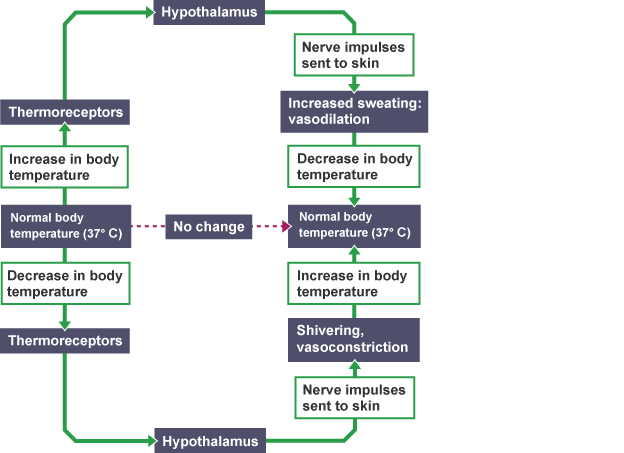
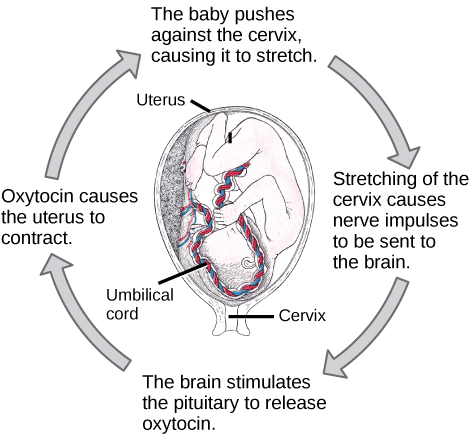
An example of a positive feedback loop is ____________.
Childbirth
Blood Pressure regulation
Body Temperature regulation
All of the above


What is being depicted in the image?
Amplification of the signal molecule
Enzymatic proteins inhibiting process of the signal transduction pathway
Kinase groups adding dimer groups to other enzymes
Diffusion of molecules within the cell due to the signaling molecule
Which type of membrane protein would help intake a message from outside of the cell to inside of the cell?
Receptor Protein
Enzymatic Protein
Channel Protein
Junction Protein
ATP Synthase

Which letter represents the cell membrane?
A
B
C
D
E
Which letter represents the ligand?
A
B
C
D
E
An example of DIRECT (juxtacrine) cell communication is:
White blood cells bumping into each other sharing antigen info
Neurons communicating across a synapse
Hormones traveling through the blood stream to target tissues

Name the structure labeled 'B' (see image)
Post synaptic terminal
Receptor
Ligand
Neurotransmitter
Testosterone does not affect all cells of the body because __________.
testosterone cannot cross the plasma membrane
not all cells have cytoplasmic receptors for testosterone
not all cells in the body have membrane receptors for testosterone
it is a local regulator
it affects only cells that have ion-channel receptors
Lipid-soluble signaling molecules, such as testosterone, cross the membranes of all cells but affect only target cells because __________.
only target cells retain the appropriate DNA segments
most cells lack the Y chromosome required
only target cells possess the cytosolic enzymes that transduce the testosterone
only in target cells is testosterone able to initiate the phosphorylation cascade leading to activated transcription factor
intracellular receptors are present only in target cells

Which of the following molecules act as a second messenger in the cascade by which epinephrine stimulates the activation of the enzyme glycogen phosphorylase?
What is the point of a negative feedback loop?
To provide the body with more energy
To provide the body with more food
To make sure the conditions in the body are always changing
To make sure the conditions in the body remain stable

Uncontrolled cell division which usually leads to tumors and disease is called:
Metaphase
Cytokinesis
Cancer
Diabetes
What word means programmed cell death?
apoptosis
mitosis
Ced-9
bleb
What is the main function of the endocrine system?
It creates chemicals, or hormones, that are sent around the body to maintain homeostasis.
It creates electrical messages that are sent around the body to maintain homeostasis.
It maintains the correct level of oxygen in the body to maintain homeostasis.
It releases waste from the body to maintain homeostasis.

