
 Worksheets
Symbiotic Relationships
Total questions: 64
Worksheet time: 2hrs 7mins


Aphids are tiny insects that live on and eat the leaves of plants, removing vital nutrients from the plants.
Predation
Parasitism
Commensalism
Mutualism
*Hermit crabs find shells left by snails that have died and move in.
* Snails die and leave behind their shells.


This picture shows an example of a competitive relationship.
true
false

What symbiotic relationship is demonstrated here as the crops fight for land and water?
predation
competition
mutualism
commensalism
A plover eats scraps of food and parasites stuck in the crocodiles's teeth. The crocodile gets his teeth cleaned and the plover gets a good meal.


Lungworms live in the lungs of bighorn sheep, causing them to be sick and even die.
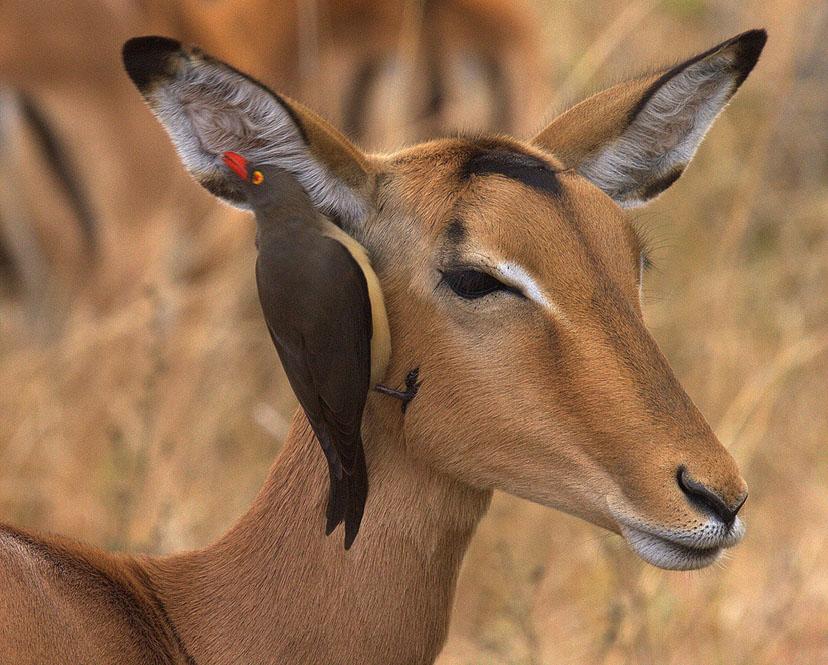
An egret, is often seen near herds of cattle. The egret eats insects stirred up by the cows as they walk past. The cows do not mind the birds
When a sea snail outgrows its shell, it moves out. A hermit crab finds the empty snail shell and moves in.
Mistletoe plants grow on oak trees. It takes water and nutrients from the tree causing the oak tree to become weak.
Pilot fish like to swim near sharks. They are protected and enjoy eating leftovers from the shark’s meals. The shark does not mind.
A mongoose and hornbill bird protect each other. They take turns guarding each other from predators while the other one sleeps.
Aphids give off a sugary substance, called honeydew, that ants like. Ants take care of the aphids and protect them in order to keep getting the honeydew.
The cowbird lays eggs in other birds’ nests and the cowbird chicks push out the host birds’ eggs and eat the parents’ food.
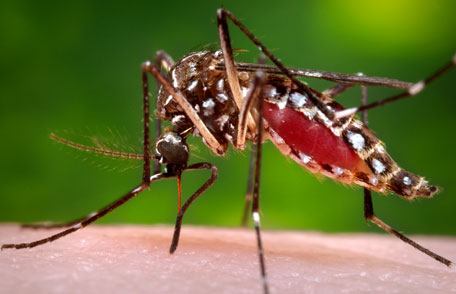
Mosquitos bite humans and suck out blood, which they use as food. The human may become sick from the bite.
Emperor shrimp are commonly seen riding on sea cucumbers. The shrimp get protection and transportation from the cucumber. The sea cucumber is not bothered by the shrimp.
Coyotes catch prey that is above ground. Badgers hunt prey that is underground. Then, the animals share their food with each other.
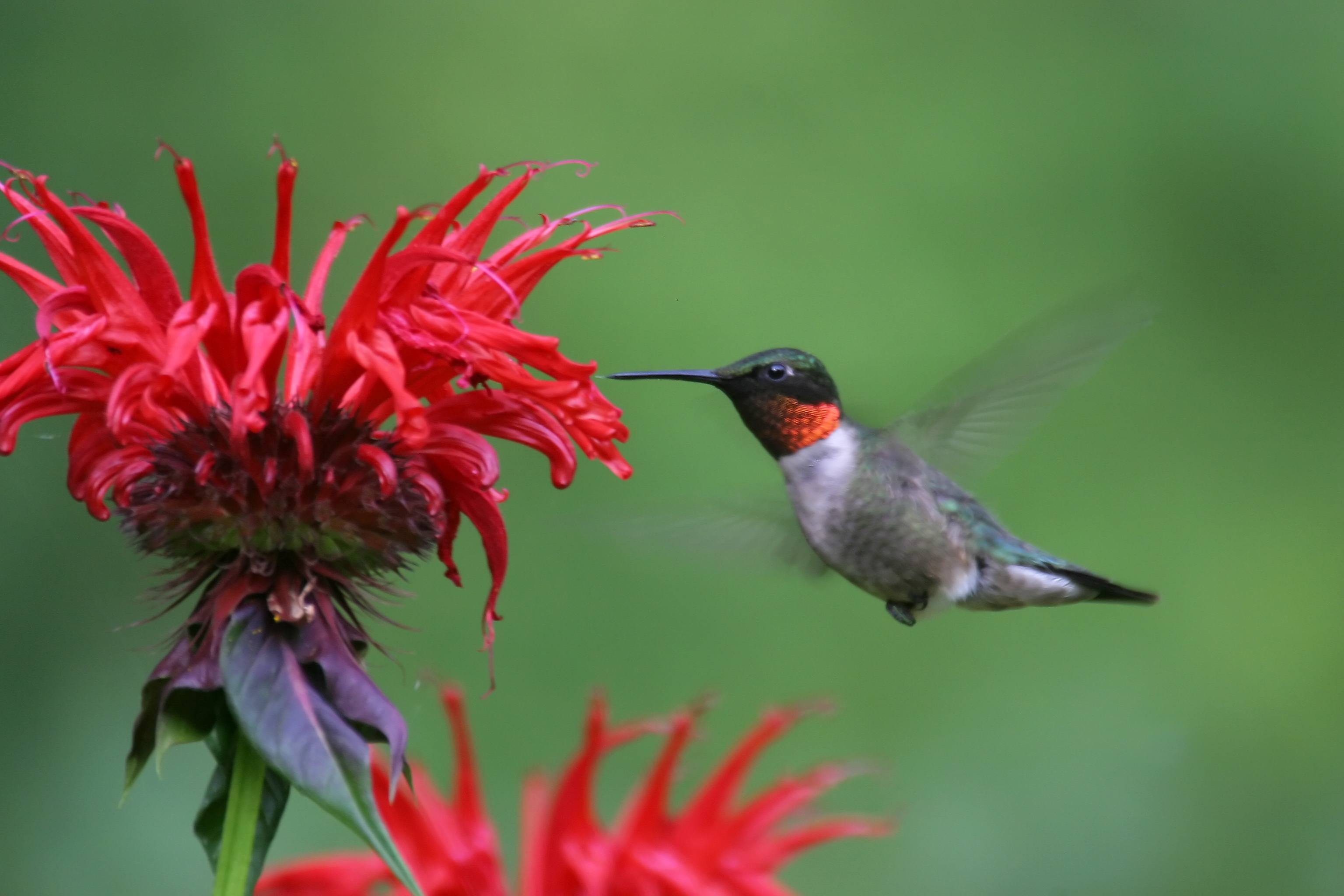
When a bee visits a flower for nectar, pollen grains stick to their hind legs. This pollen later falls off and pollinates another flower.
A wasp lays its eggs on a caterpillar. When the wasp eggs hatch, the larva will eat the caterpillar and kill it.

