wayground logo

Free Printable Worksheets

NEW

Font size

S
M
L
XL
Worksheets

Physical and Chemical Change Review

Total questions: 60

Worksheet time: 31mins

Name
Class
Date
1.
Which of the following is a sign that a chemical reaction has occurred?
a)
change in shape
b)
melting
c)
formation of a gas
d)
dissolving
2.

Is melting butter for popcorn a chemical or physical change?

a)

chemical

b)

physical

3.
Which of the following is NOT an example of a physical change?
a)
crumpled paper
b)
pencil sharpening
c)
shrunken clothing
d)
rust
4.
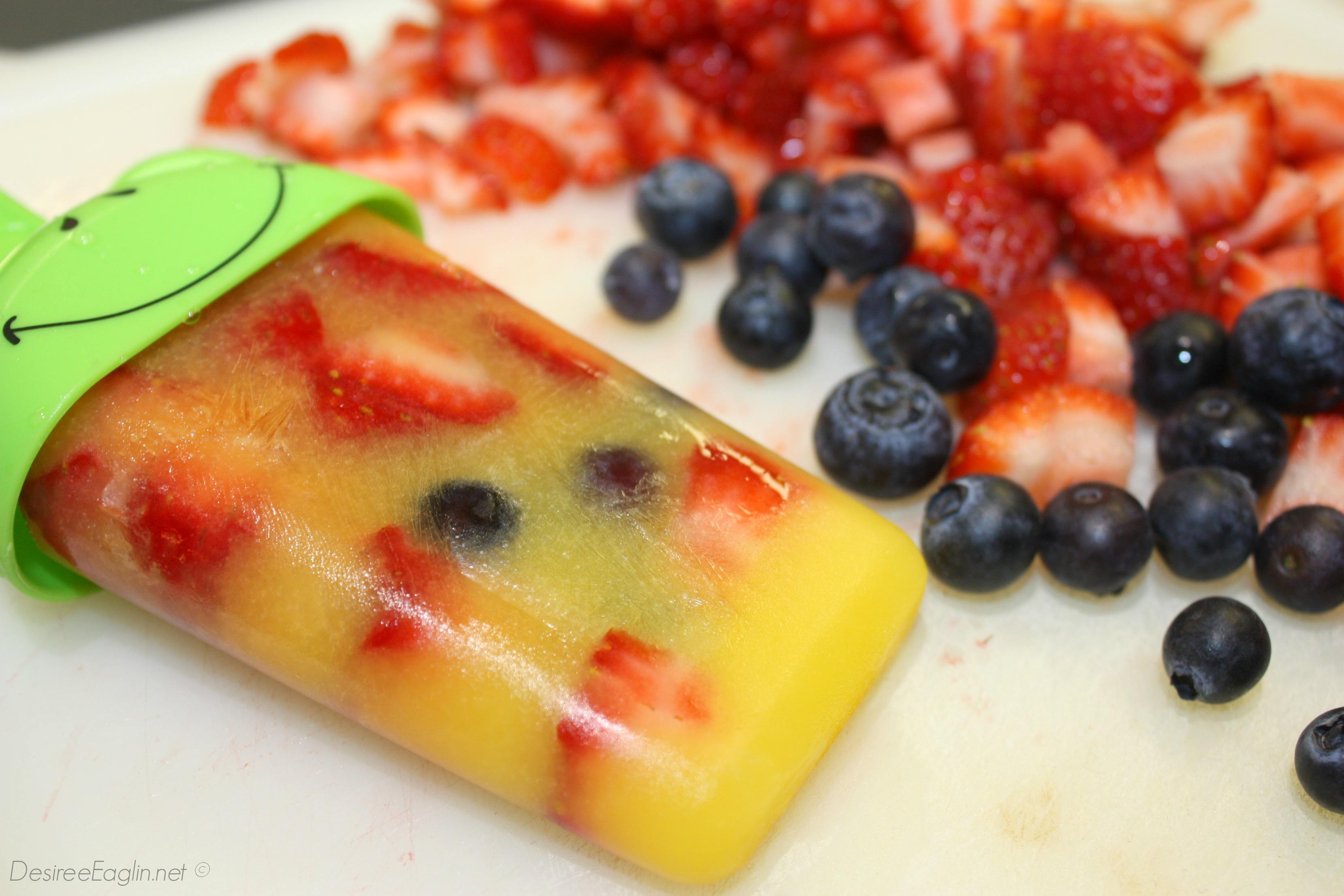
Freezing Juice?
a)
Physical Change
b)
Chemical Change
5.
A change where one or more new substances are created.
a)
Physical Change 
b)
Chemical Change 
6.

Change in color is a physical change.

a)

True

b)

False

7.
Fizzing, foaming, and burning are all examples of
a)
Chemical change
b)
Physical change
8.

Rust on an iron bar is an example of chemical change.

a)

True

b)

False

9.

When you break a cracker into pieces it is a...

a)

Chemical change

b)

Physical change

10.
Photosynthesis is an example of a
a)
physical change
b)
chemical change
11.
Dissolving sugar in water is an example of a 
a)
physical change
b)
chemical change
12.
Digesting your food is an example of 
a)
chemical change
b)
physical change
13.

The melting of wax is an example of a

a)

chemical change

b)

physical change

14.

Cutting a log in to small pieces is a chemical change.

a)

true

b)

false

15.
Which is an example of a chemical reaction?
a)
paper cut into small pieces
b)
chocolate melting in a pan
c)
flour and sugar mixed in a bowl
d)
cookies baking in an oven
16.
A change that alters the physical properties of a substance without changing its composition.
a)
Physical Change
b)
Chemical Change
17.
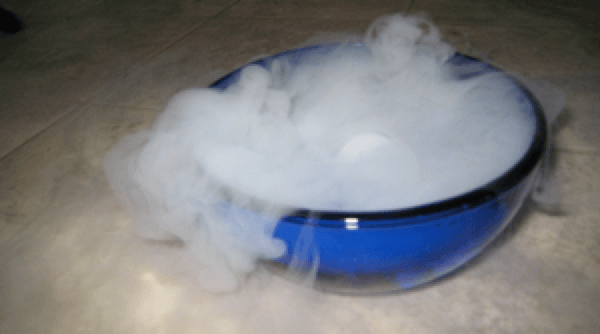
Which of the following is an example of sublimation?
a)
Dry Ice
b)
Water boiling into steam
c)
Ice cream melting
d)
Water freezing into ice
18.
Any change in the state of matter of a substance is a...
a)
Physical Change
b)
Chemical Change
19.
A change in matter that forms one or more new substances with new chemical properties is a/an...
a)
Physical Change
b)
Chemical Change
20.
Which of the following indicates a chemical change?
a)
Change in state of matter
b)
Temperature change
c)
Change in size 
d)
Change in shape
21.
A solid substance that forms when 2 liquid solutions are combined?
a)
Sublimation
b)
Precipitate
c)
Condensation
d)
Freezing
22.
Which of the following DOES NOT indicate a chemical change/reaction is occurring?
a)
Color Change
b)
Formation of a Precipitate
c)
Formation of gas/bubbles
d)
State of matter change
23.
We use chemical equations to show what happens in a....
a)
Chemical Change
b)
Physical Change
24.
Which of the following indicates a PHYSICAL change?
a)
Change in temperature
b)
Change in shape
c)
Formation of a precipitate
d)
Change in color
25.
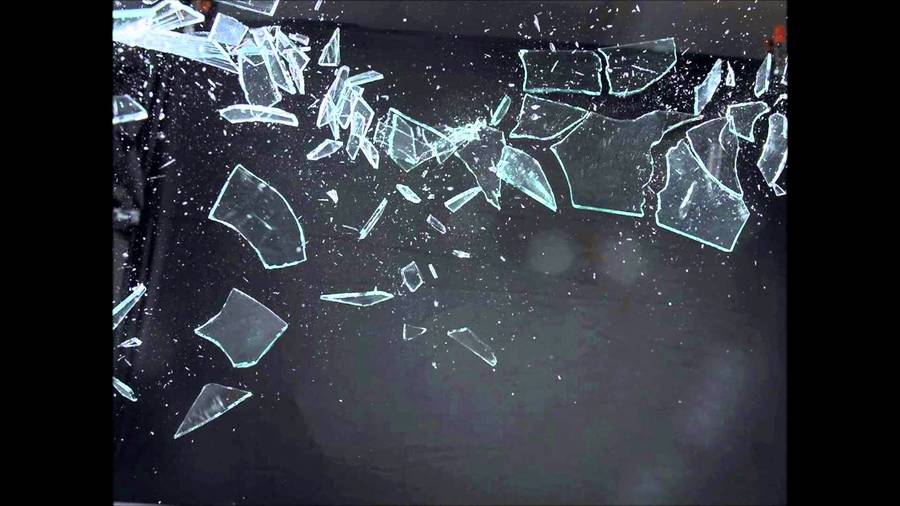
Chemical or Physical?  Glass breaking into tiny shards
a)
Chemical Change
b)
Physical Change
26.
Which Law states that Matter cannot be created or destroyed during a Chemical Change/Reaction?
a)
Conservation of Energy
b)
Conservation of Matter (Mass)
c)
Conservation of Momentum
d)
Conservation of Thermodynamics
27.
Physical or Chemical Change?  Logs burning in a campfire.
a)
Physical Change
b)
Chemical Change
28.
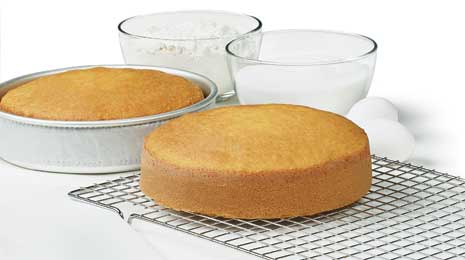
Physical or Chemical Change?  Baking a cake.
a)
Chemical Change
b)
Physical Change
29.
Physical or Chemical Change?  Sodium metal burning in water.
a)
Physical Change
b)
Chemical Change
30.
Physical or Chemical Change?  Making a paper airplane.
a)
Physical Change
b)
Chemical Change
31.

Which symbol shows a chemical reaction has occured?

a)

A

b)

B

c)

C

d)

D

32.

Identify the product(s) in this word equation

a)

Sodium

b)

Sodium chloride

c)

Sodium and Chlorine

d)

Sodium and sodium chloride

33.

In a word equation the REACTANTS

a)

Are written on the right hand side of the arrow

b)

Are produced in a chemical reaction

c)

Are always the same

d)

Are the substances that react together

34.

The new substances formed in a chemical reaction are called

a)

Reactants

b)

Atoms

c)

Products

d)

Reagents

35.

What are the reactants in this word equation?

a)

Carbon dioxide and oxygen

b)

Carbon dioxide and water

c)

Oxygen and glucose

d)

Oxygen and water

36.

In a chemical reaction...

a)

New atoms are created

b)

Atoms rearrange

c)

Atoms are destroyed

d)

Nothing Happens

37.

In this chemical reaction zinc is a...

a)

Product

b)

Reactant

c)

Neither

38.

Magneisum reacts with oxygen to form magnesium oxide. The correct word equation is...

a)

A

b)

B

c)

C

d)

D

39.
What does this word equation represent: Iron + oxygen → Iron oxide
a)
A physical change in iron (nothing new gets made)
b)
A chemical reactino between iron and oxygen, where rust (iron oxide) is produced
c)
A chemical reaction between iron and rust, where oxygen is produced
d)
A physical change between iron and oxygen that forms a red color
40.

Iron reacts with sulfur to produce iron(II) sulfide. Choose the correct word equation.

a)

iron + solid → iron(II) sulfide

b)

iron + sulfur → iron(II) sulfide

c)

iron(II) sulfide + iron→ sulfur

d)

sulfur + iron(II) sulfide → iron

41.

Identify the product(s) in the following word equation:

sodium reacts with chlorine to yield sodium chloride

a)

Sodium

b)

Sodium chloride

c)

Sodium and Chlorine

d)

Sodium and sodium chloride

42.

Which statement is TRUE of reactants in a chemical reaction?

a)

You write them on the right-hand side of the arrow.

b)

They are what get produced in a chemical reaction.

c)

They always stay the same.

d)

Are the substances that you start with.

43.

Which of the following symbols represents a compound?

a)

Co

b)

Br

c)

Fe

d)

CO

44.

Which of the following symbols shows only ONE element?

a)

CU

b)

Ar

c)

KF

d)

WO

45.

What does the symbol CaCO3 represent?

a)

An element

b)

A compound

c)

An atom

d)

None of the above

46.
Which kind of weathering involves the breakdown of rocks through direct contact with atmospheric conditions such as heat, water, ice and pressure?
a)
physical
b)
chemical
47.
Which kind of weathering is the transformation of rock into one or more compounds?
a)
physical
b)
chemical
48.
Which of these can not cause physical weathering?
a)
wind
b)
ice
c)
plants
d)
acid rain
49.
What type of weathering does this image display?
a)
physical
b)
chemical
50.
What type of weathering does this image display?
a)
physical
b)
chemical
51.
What type of weathering does this image display?
a)
physical
b)
chemical
52.
What type of weathering does this image display?
a)
physical
b)
chemical
53.
This type of weathering occurs when rocks weaken then break down due to chemical changes in the composition of the rock.
a)
mechanical weathering
b)
chemical weathering
c)
erosion weathering
d)
deposition
54.
This type of weathering occurs when rock is physically broken down into smaller pieces of rock.
a)
mechanical weathering
b)
chemical weathering
c)
erosion weathering
d)
deposition
55.
How is mechanical weathering different from chemical weathering?
a)
Chemical weathering happens over much shorter time frame than mechanical weathering.
b)
Chemical weathering changes the chemical composition of rocks; mechanical weathering does not.
c)
Chemical weathering occurs only in tropical climates; mechanical weathering occurs only in cool climates.
d)
Chemical weathering occurs only in the mountains; mechanical weathering occurs only on flat land.
56.
Weeds growing into the cracks in a sidewalk and the sidewalk begins to crumble is an example of:
a)
mechanical weathering
b)
chemical weathering
57.
Potholes forming in the road after a cold winter is an example of:
a)
mechanical weathering
b)
chemical weathering
58.
A metal statue slowly turning green after years of being outside is an example of:
a)
mechanical weathering
b)
chemical weathering
59.
A piece of sandstone changing color (from brown to rusty red) from exposure to water and air is an example of:
a)
mechanical weathering
b)
chemical weathering
60.
Rocks along a riverbed that are smoothed from continuously moving water and sediment rubbing against them is an example of:
a)
mechanical weathering
b)
chemical weathering